


33 min walk
Crossbasket
- High · Heritage site
- Historic monument
Language · 11 published
Historic monument · Glasgow
Reviewed by Elena Voss · Roavina Travel Editor
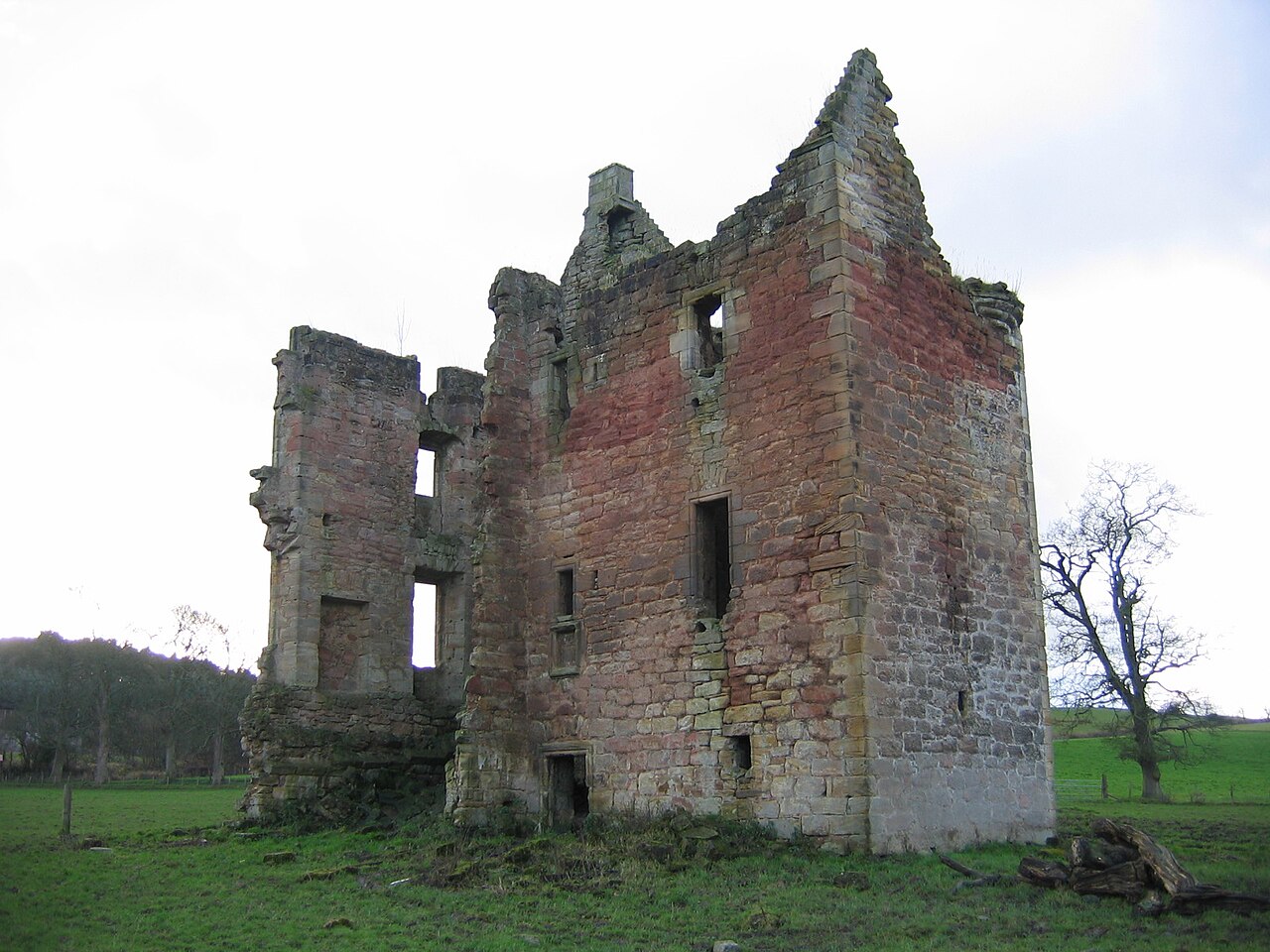
It carries the category B listed building heritage designation.
Gilbertfield Castle is a historic tower house in the Glasgow area and a surviving expression of Scotland's fortified residential architecture. Its stone tower form connects the place with the tradition of defensive homes built for local nobility or landowners. Travellers interested in Scottish heritage can use the castle to think about the region's feudal past, architectural form and the difference between a historic structure and a managed visitor attraction. The appeal is architectural and atmospheric, especially for visitors who enjoy examining old masonry in its wider landscape setting. Visitors must verify current accessibility directly before attempting to visit.
Checked 2026-08-26 · Source
The castle's importance is expressed through its historic tower-house form and surviving stone construction. A building of this type was designed as a fortified residence, combining domestic life with protection. Travellers viewing the structure can focus on the vertical massing, openings, masonry and relationship between the tower and its setting. The visit is centred on the historic building itself rather than on a furnished museum interior or a modern display. The strongest experience comes from close architectural observation paired with an understanding of how fortified homes functioned in Scotland.
Checked 2026-08-26 · Source
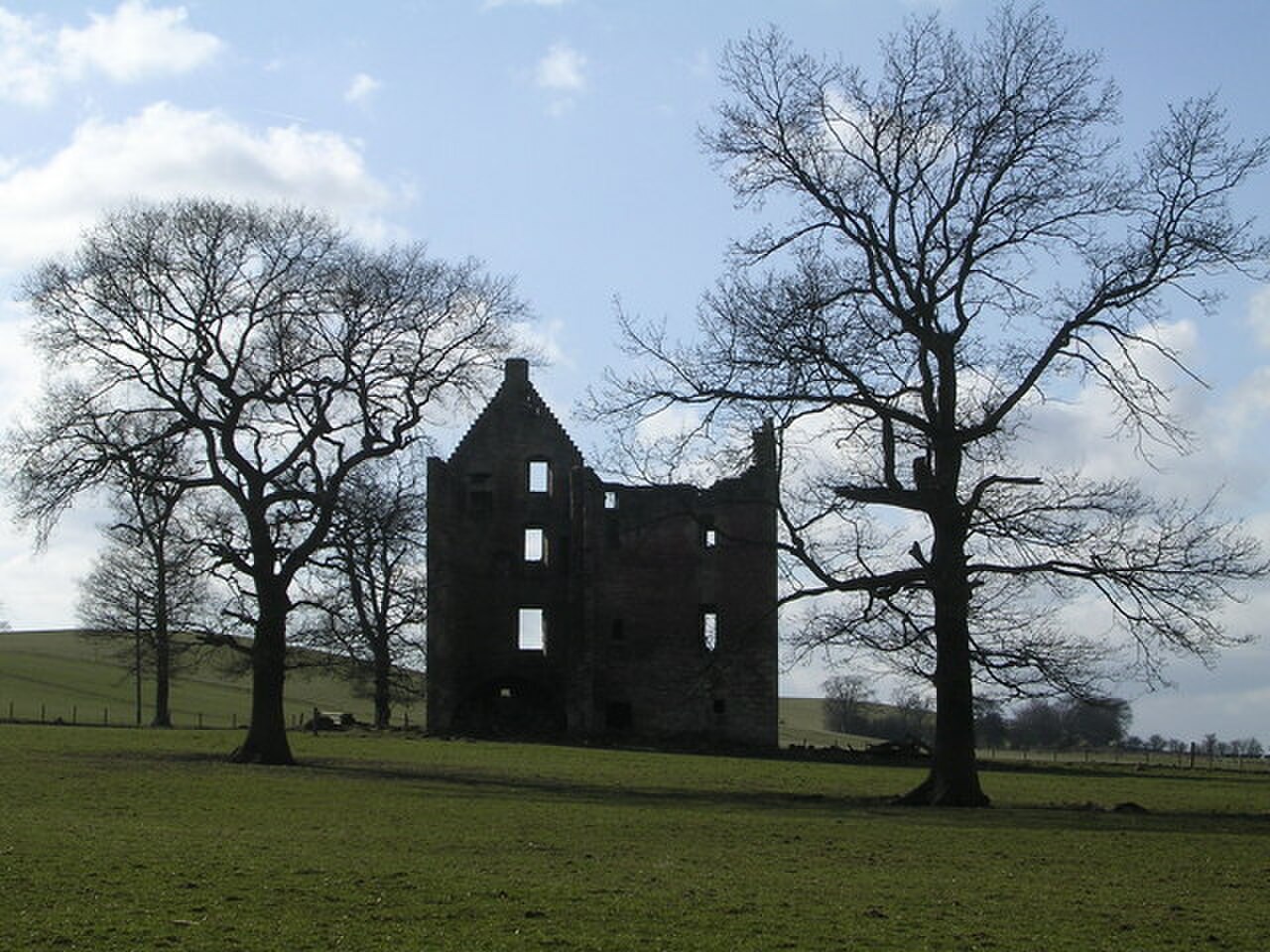
Allow around thirty minutes to two hours for Gilbertfield Castle, depending on how much time you spend viewing the exterior, studying architectural details and photographing the setting. A short stop suits travellers making a heritage route through the Glasgow area. A longer visit allows closer attention to the tower's stonework, openings and relationship with the surrounding landscape. Treat the castle as a focused historic-site visit rather than a full-day attraction with galleries, performances or extensive indoor displays. The architecture and setting provide the main reasons to linger.
Checked 2026-08-26 · Source

Daylight gives the clearest view of Gilbertfield Castle's stone construction, tower profile and surrounding setting. Weather matters because the visit centres on an historic structure and outdoor movement around it. Choose footwear and clothing for Scottish conditions, with extra care during wet periods when surfaces and paths may become less comfortable. Seasonal daylight changes the atmosphere: summer offers longer opportunities for observation, while winter requires more deliberate timing. The castle suits a heritage-focused outing planned around natural light and enough time for a careful exterior view.
Checked 2026-08-26 · Source
Gilbertfield Castle is a historic tower house rather than a conventional large visitor attraction in the supplied guide. Build the practical side of the outing around reaching the site and enjoying its architectural setting, without planning around a named museum exhibition or reconstructed interior. The castle's value lies in its surviving historic form and atmosphere. Keep the visit respectful and self-directed, and treat the surrounding journey as part of the heritage experience. The place works best for travellers who value old buildings, landscape context and quiet observation.
Checked 2026-08-26 · Source
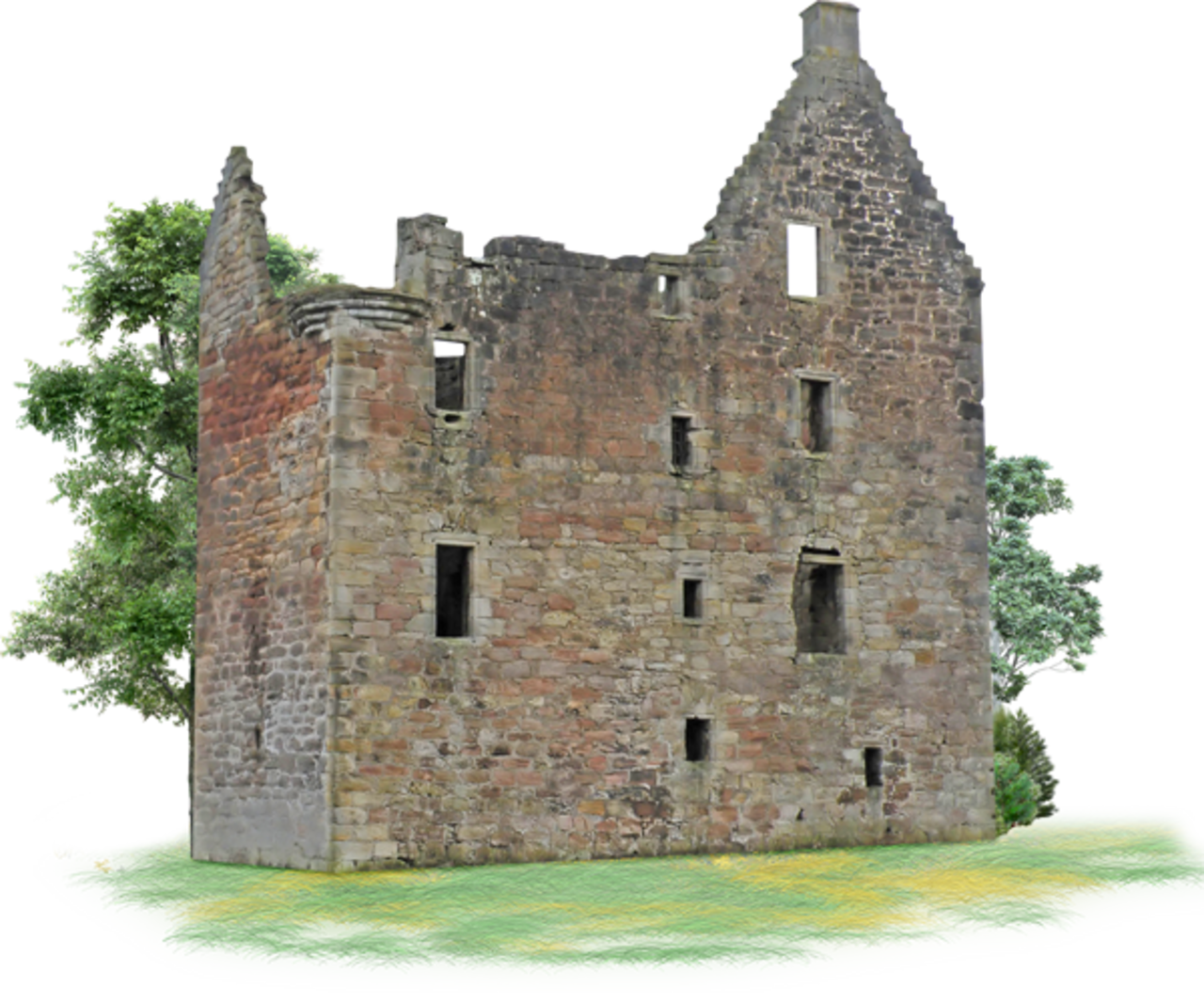
Gilbertfield Castle lies in the broader Glasgow area and should be approached as a historic-site excursion rather than as a central city museum stop. Use the mapped location for the final route and allow for walking from the point where a vehicle or regional transport can reach the area. Historic sites may stand away from formal visitor roads, so sturdy footwear and a route with enough daylight make the journey more comfortable. If using private transport, plan the approach and stopping arrangements carefully without blocking local access.
Checked 2026-08-26 · Source
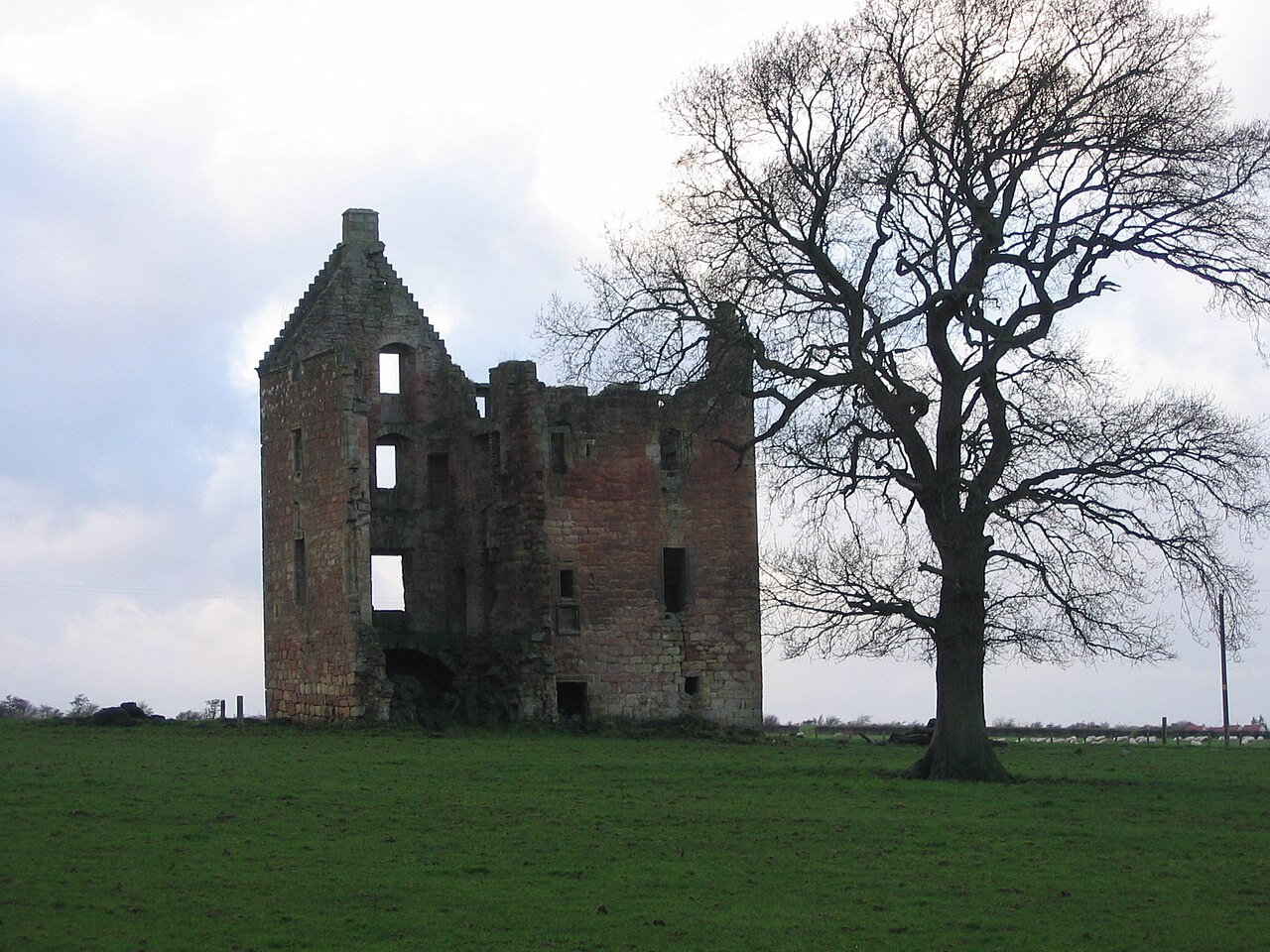
Gilbertfield Castle is an historic stone structure, so take care around uneven ground, narrow openings, low light and masonry that may not have the safety features of a modern attraction. Do not enter areas that are closed, unstable or clearly unsuitable for visitors. Scottish weather can change quickly, making waterproof clothing and firm footwear useful. Vegetation around the site may conceal rough ground or ticks. Keep a respectful distance from private land and treat the castle as a place for careful observation, not climbing or exploratory access into unsafe spaces.
Checked 2026-08-26 · Source
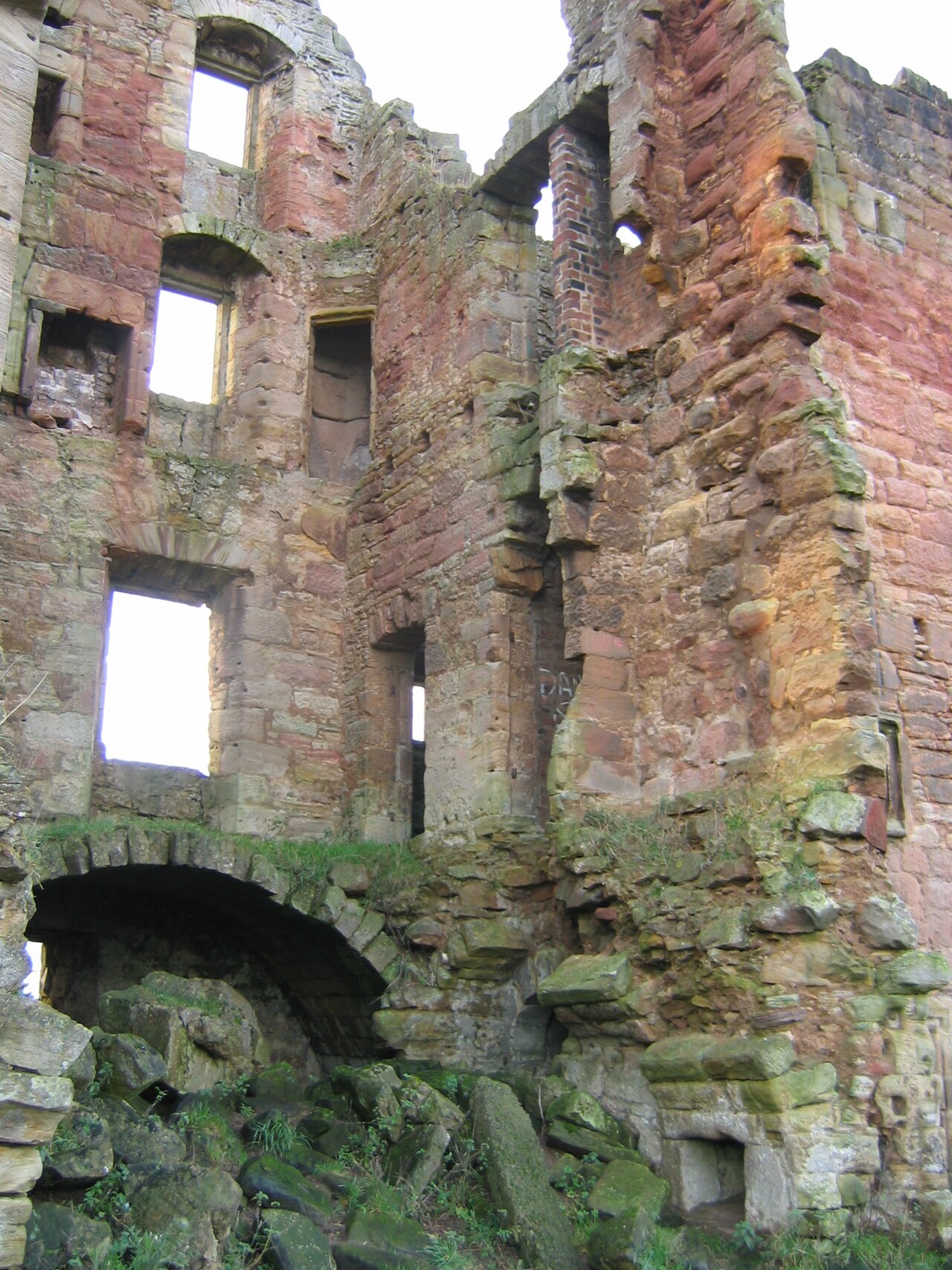
Gilbertfield Castle's tower-house form provides strong subjects for architectural photography: stone texture, vertical walls, narrow openings and the structure's relationship with the landscape. Photograph in daylight and try several distances, from broad contextual views to close details of the masonry. Confined or dim areas can make interior images difficult, while exterior light can reveal the building's age and defensive character. Follow any restrictions connected with the site and surrounding land. For aerial photography, respect applicable aviation rules and avoid treating the historic structure as a backdrop for unsafe equipment use.
Checked 2026-08-26 · Source
It is a historic Scottish tower house in the Glasgow area, representing fortified residential architecture associated with local nobility or landowners.
The main attraction is the surviving stone tower-house form, including its architecture, masonry, openings and relationship with the surrounding landscape.
Allow around thirty minutes to two hours, depending on whether you make a brief exterior stop or spend longer studying the architecture and setting.
Wear firm footwear and clothing suitable for Scottish weather, especially if you plan to move around the historic structure and its surrounding outdoor setting.
Focus on the tower profile, stone texture, narrow openings, architectural details and the building's connection with the surrounding landscape.
Treat it as a focused heritage excursion centred on careful exterior observation, architectural photography and respect for historic masonry and surrounding land.
Loading the interactive map…
The interactive map could not be loaded.

Last updated:
Source: OpenStreetMap contributors, Wikidata ·