


.jpg)
12 min walk
Burrell Collection
- Must see · Heritage site
- Museum
Language · 11 published
Historic monument · Glasgow
Reviewed by Elena Voss · Roavina Travel Editor

It carries the category B listed building heritage designation.
Haggs Castle is a historic tower house in Glasgow, Scotland. It represents the Scottish tradition of fortified residences that combined domestic life with defensive features. For travellers interested in architecture, the building offers a tangible connection with Scotland’s earlier social and building history. Its value lies chiefly in the surviving form and stone fabric of the structure, making it a heritage-focused stop rather than a conventional modern attraction. The structure represents a type of fortified residence common in Scotland from the medieval period through the early modern era. Tower houses were typically built by landowners of moderate means who sought defensive capabilities combined with domestic accommodation. Haggs Castle stands as evidence of this architectural tradition within the Glasgow area. The building has undergone various changes over its long history, reflecting shifting needs and architectural fashions. Its survival into the present day makes it a tangible link to Scotland's built heritage and the social structures of earlier centuries. Visitors interested in Scottish history and architecture may find it a noteworthy site.
Checked 2026-08-26 · Source
Haggs Castle is associated with the multi-level arrangement of a Scottish tower house: storage and service functions traditionally occupied lower levels, with principal living rooms and further chambers above. Thick stone walls and narrow openings are characteristic features of this building type. The visitor interest is primarily architectural and external. Treat the structure as historic fabric to observe carefully, not as a museum whose rooms are guaranteed to contain furnishings or displays. The interior arrangements of Haggs Castle reflect its origins as a defensive dwelling adapted for residential use. Historic tower houses typically contained multiple levels with specific functions: storage at ground level, principal living quarters above, and additional chambers higher still.
Checked 2026-08-26 · Source
A short exterior visit of fifteen to thirty minutes can be enough to study Haggs Castle’s tower-house form, stone construction and visible architectural details. Travellers with a strong interest in Scottish heritage may spend longer examining the building and its setting. Build the stop into a wider Glasgow route because the available experience is centred on appreciating the structure, while interior entry, guided interpretation and other visitor facilities are not part of the established description.
Checked 2026-08-26 · Source
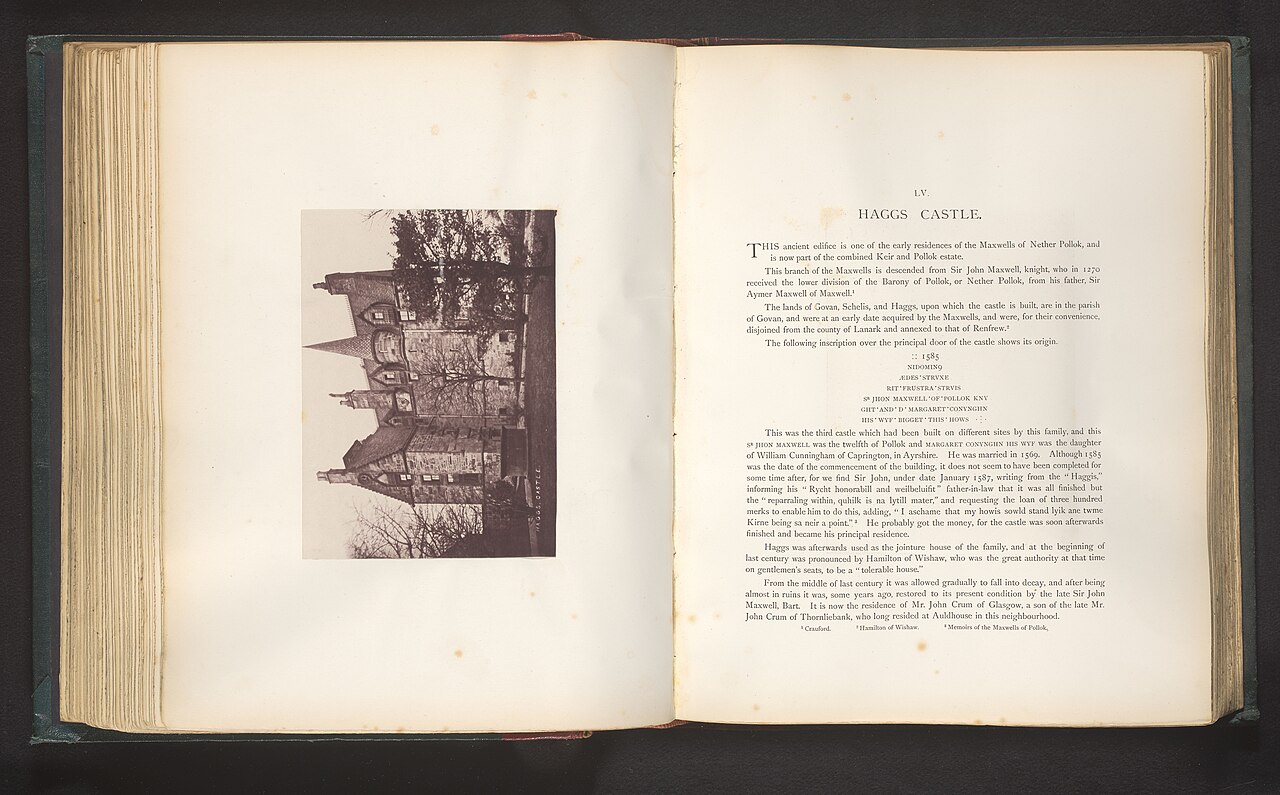
Daylight is the most useful time for appreciating Haggs Castle’s exterior, especially during the shorter winter days in Scotland. Summer offers longer daylight and can make a heritage walk more comfortable, although rain remains possible in every season. Choose a time that fits your wider Glasgow route and allows an unhurried look at the stonework. The site is best included when your itinerary already passes through the surrounding area.
Checked 2026-08-26 · Source
Haggs Castle is a heritage structure rather than a standard ticketed attraction in the supplied visitor description. The practical focus of a stop is therefore the building’s exterior form and historic character. Keep the visit simple in your itinerary and avoid building a full day around indoor displays or a permanent exhibition. If the site forms part of a managed property or event, its arrangements belong to that specific context rather than to the castle’s architectural identity.
Checked 2026-08-26 · Source

Haggs Castle lies within Glasgow, a city served by buses, suburban rail and the Subway in its covered areas. The best route depends on where your day begins and which transport mode you choose. Use a journey that leaves time for the final approach, since the castle is better treated as one stop within a broader route. Walking or cycling can suit travellers staying nearby, while drivers need to plan parking separately.
Checked 2026-08-26 · Source
Historic masonry and the surrounding ground can include uneven surfaces, narrow approaches or fragile areas. Wear shoes suitable for walking and give the building respectful space, particularly where neighbouring property is involved. Glasgow weather can change quickly, so rain protection improves comfort. The castle’s visitor experience is focused on heritage appreciation, and interior entry or mobility arrangements should not be treated as part of an ordinary exterior stop. Take care around old stonework and boundaries.
Checked 2026-08-26 · Source
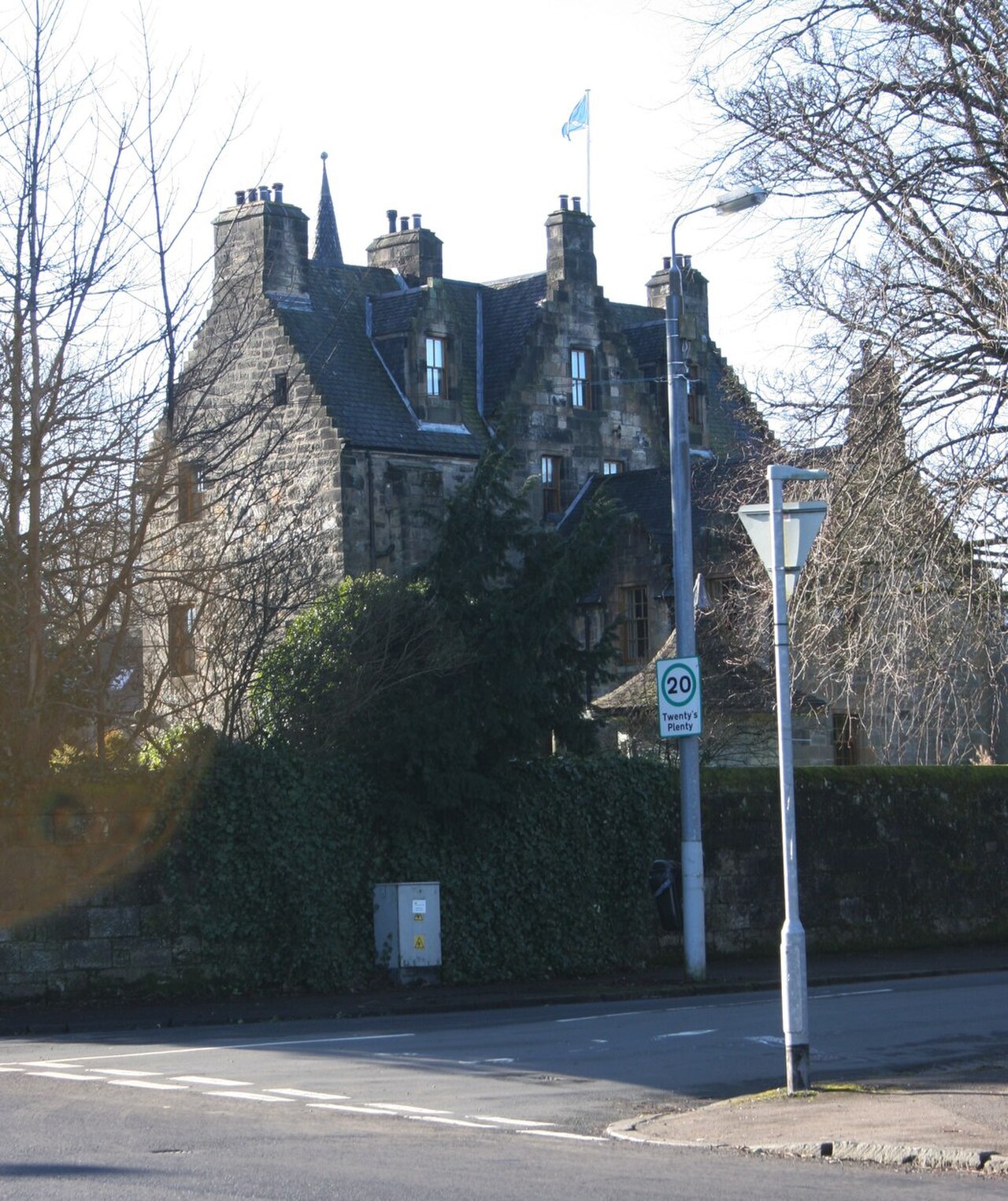
Haggs Castle provides a strong subject for photographs of Scottish tower-house architecture. Focus on the silhouette, stone walls, openings and relationship with the surrounding setting. Exterior views from public vantage points are the natural way to document the building. Do not enter restricted areas or use equipment that interferes with residents, neighbours or property management. For commercial photography, drones or extensive equipment, obtain permission from the relevant authority before the session.
Checked 2026-08-26 · Source
Haggs Castle is a historic Scottish tower house, a fortified residential building type combining domestic and defensive features.
The main visitor interest is the castle’s exterior form, stone construction and architectural details associated with Scottish tower houses.
Allow about fifteen to thirty minutes for a focused look at the building and its setting, or longer for detailed architectural study.
Daylight is useful for seeing the tower-house form and stonework, especially during Scotland’s shorter winter days.
Wear comfortable walking shoes and bring rain protection, since historic ground can be uneven and Glasgow weather changes quickly.
Photograph the tower-house silhouette, stone walls, narrow openings and the building’s relationship with its surrounding setting.
Loading the interactive map…
The interactive map could not be loaded.
Last updated:
Source: OpenStreetMap contributors, Wikidata ·