Edinburgh Playhouse
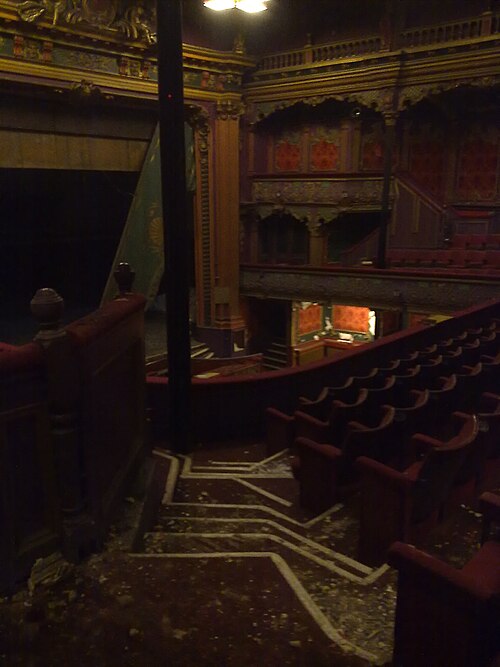
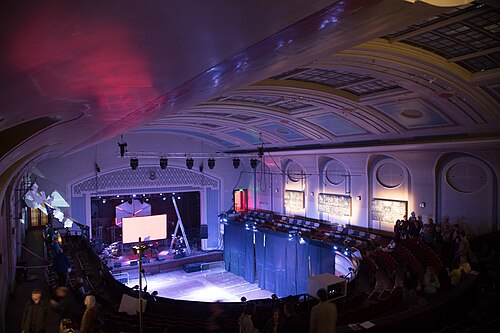
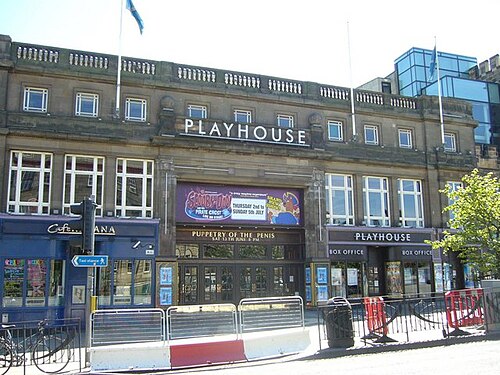
Edinburgh Playhouse is one of Edinburgh’s major live-performance venues and one of the United Kingdom’s largest working theatres by audience capacity.
- High
- Art and culture venue
- Edinburgh
Language · 11 published
Country guide
The United Kingdom is 244,376 km² holding 69,281,437 people, and it is four countries rather than one: England, Scotland, Wales and Northern Ireland, with London, Edinburgh, Cardiff and Belfast as their capitals. Three of the four run parliaments of their own over devolved matters, and the law splits three ways — England and Wales, Scotland, Northern Ireland. A visitor meets that in small practical things rather than at a border. London alone holds about 9.1 million of the total, which is why so many trips never leave it, and why the ones that do feel like arriving somewhere else.
Reviewed by Elena Voss · Roavina Travel Editor
Every city catalogued in this country so far, ranked by how much there is to see.
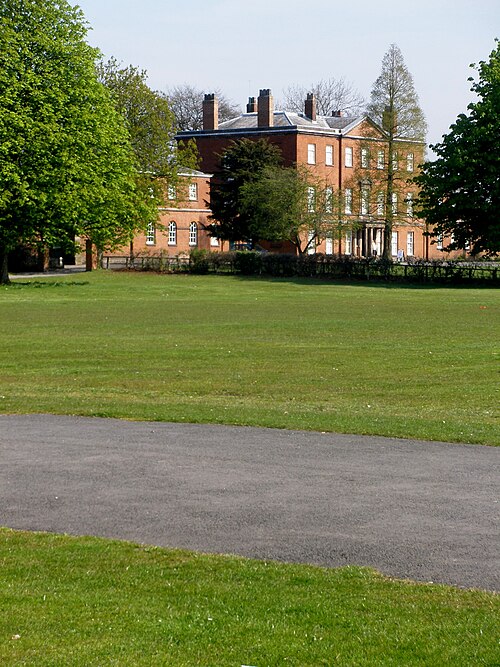
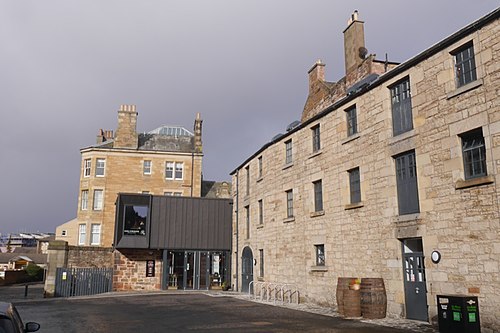
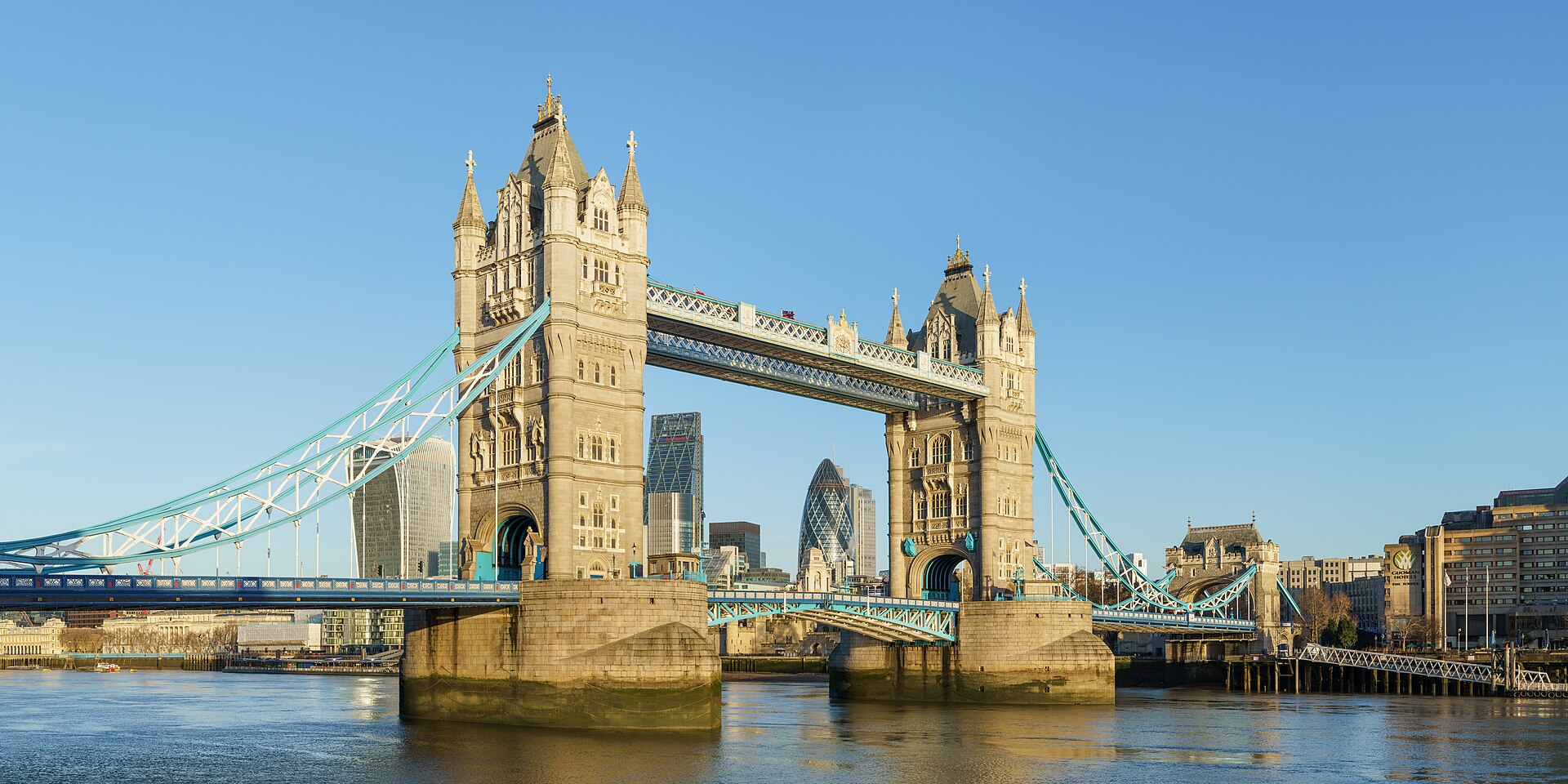
Photograph · Ilya Grigorik · CC BY-SA 3.0
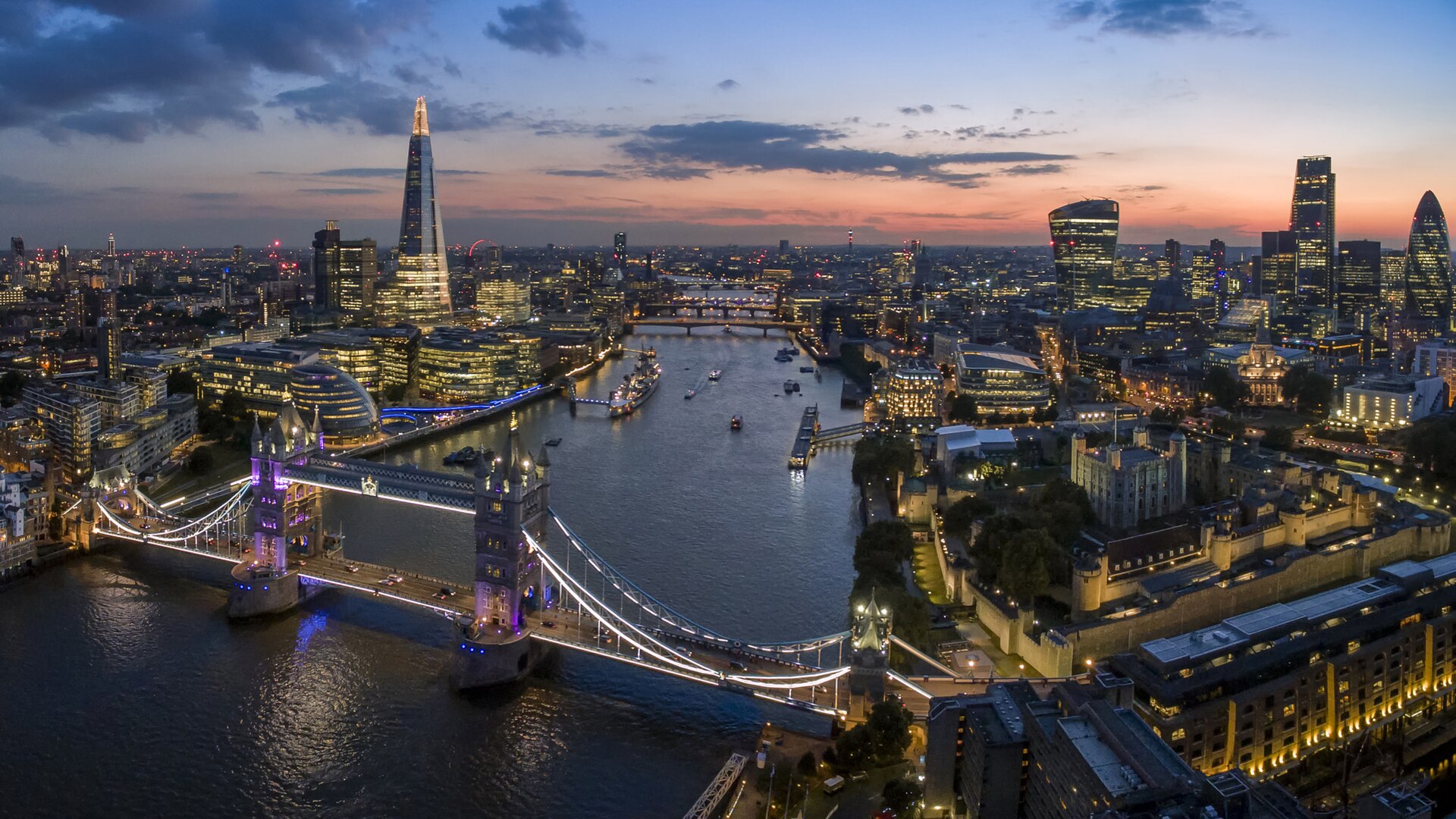
Photograph · 瑞丽江的河水 · CC BY-SA 4.0
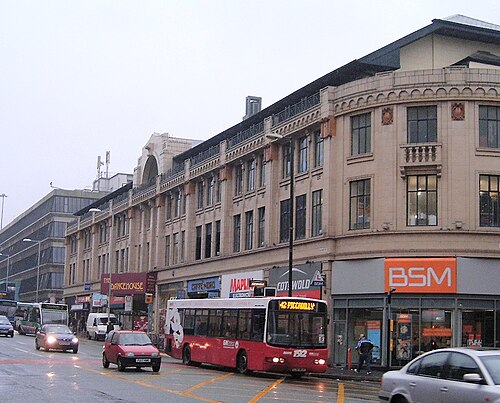
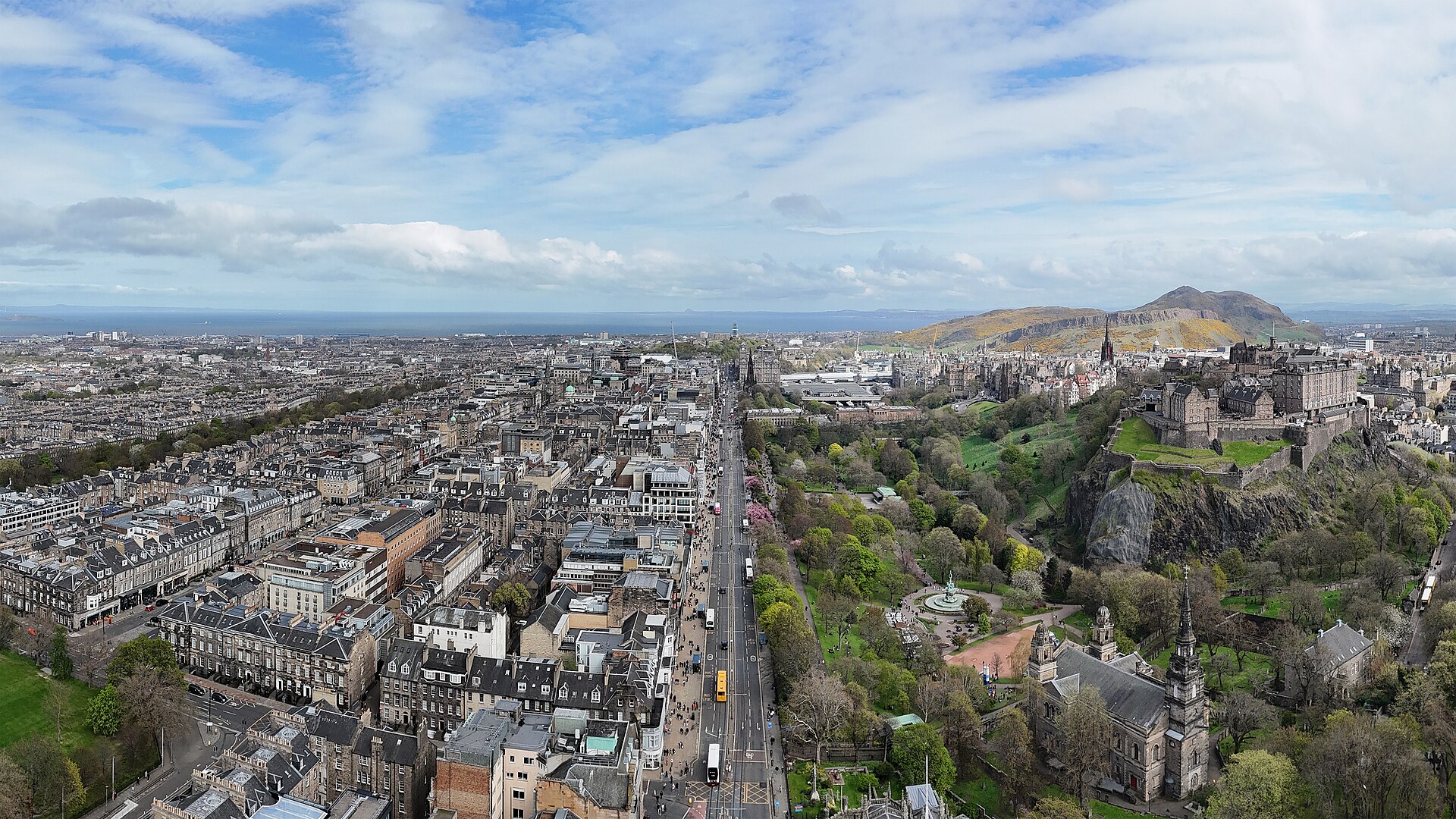
Photograph · Daniel Nisbet from Manchester, United Kingdom · CC BY 2.0
Ranked by importance — sitelinks, pageviews and heritage status, not editor preference.
296 places match
Category
Typical visit duration
Interests
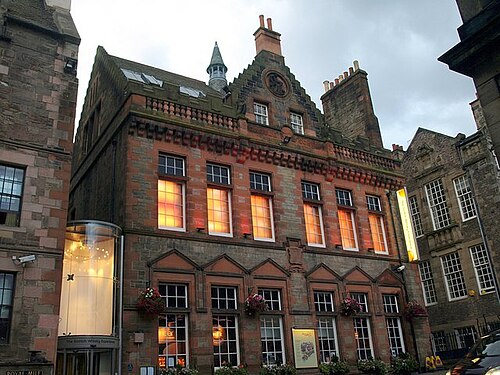
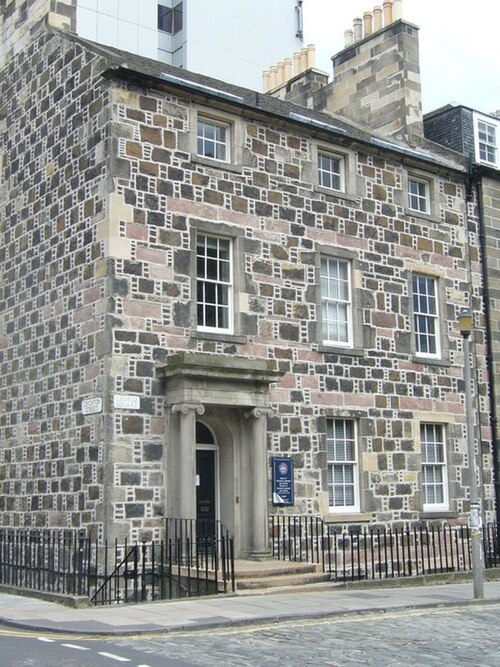
Edinburgh Playhouse is one of Edinburgh’s major live-performance venues and one of the United Kingdom’s largest working theatres by audience capacity.
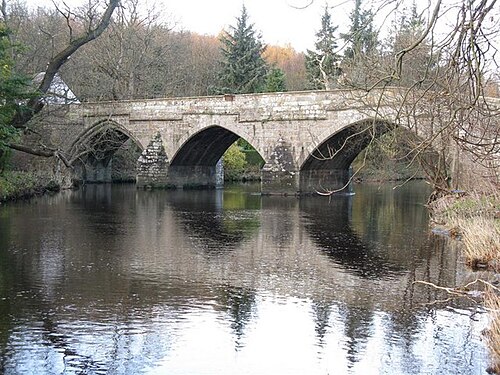
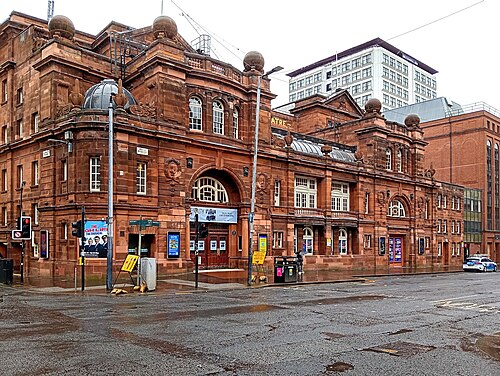
The Royal Lyceum Theatre is a producing theatre in central Edinburgh, established in 1883. It is one of Scotland’s important theatrical venues, presenting its own productions alongside visiting work.
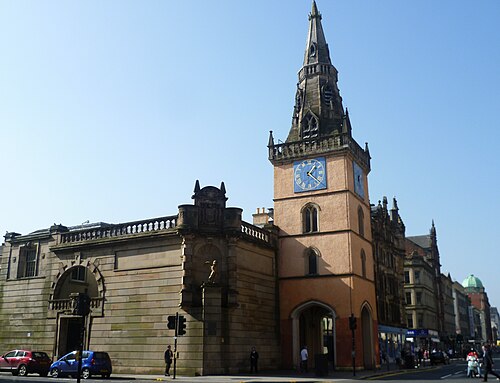
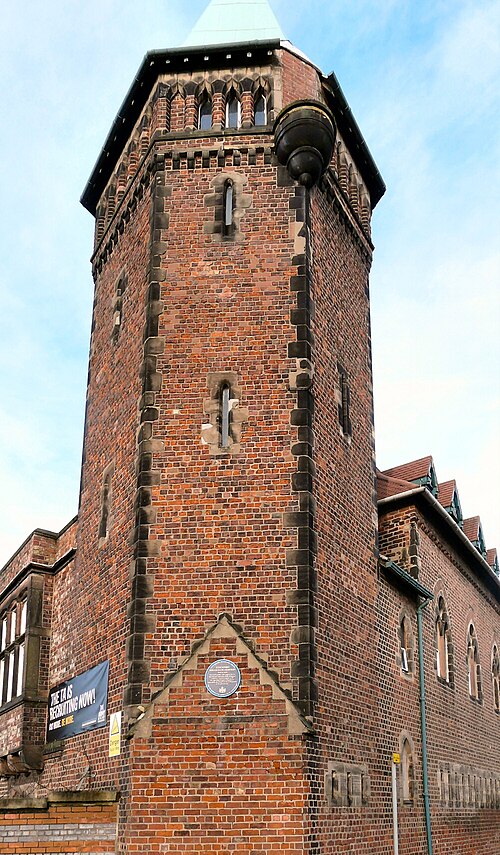
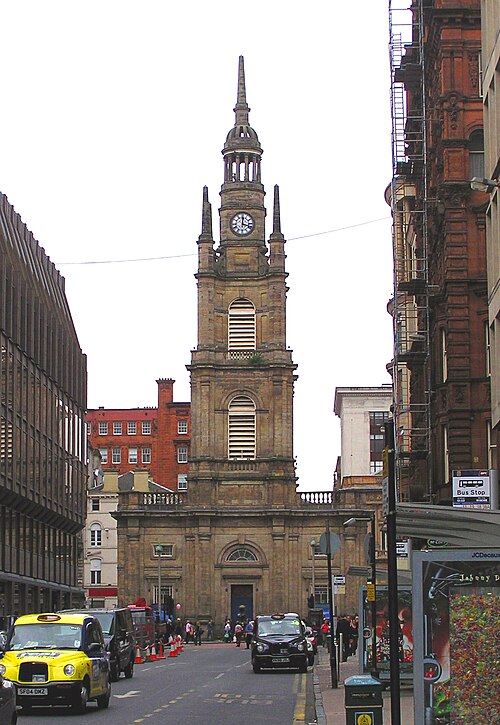
The Tron Theatre is a performing arts venue located in Glasgow's Merchant City area. It occupies a distinctive building with a notable architectural presence in the city centre.
St Mary's Episcopal Cathedral
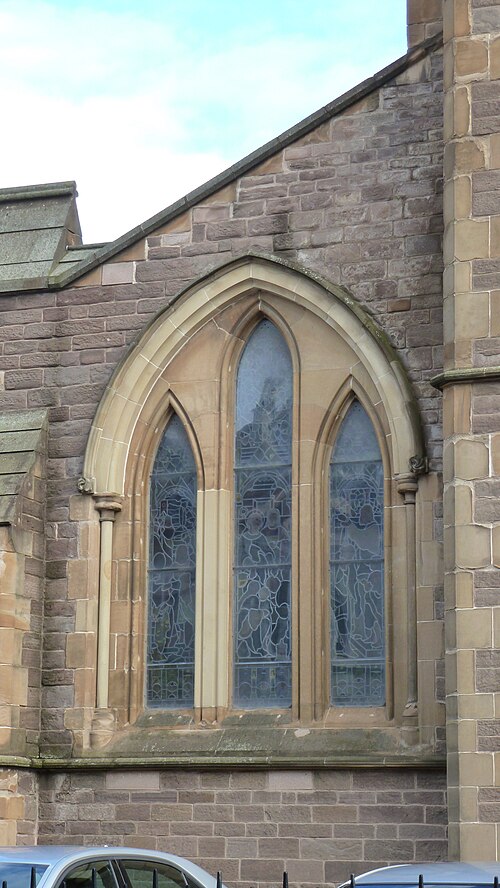
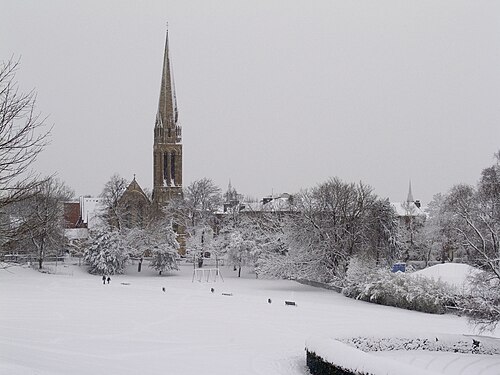
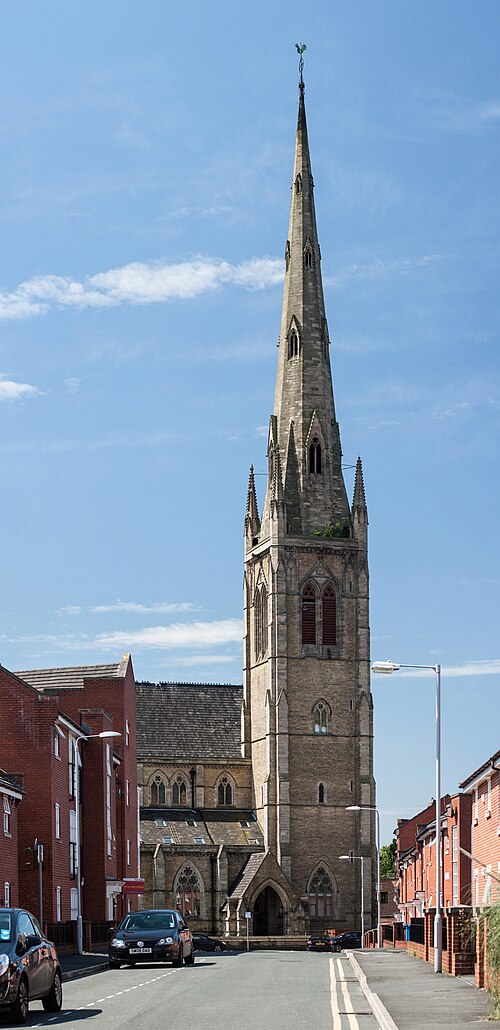
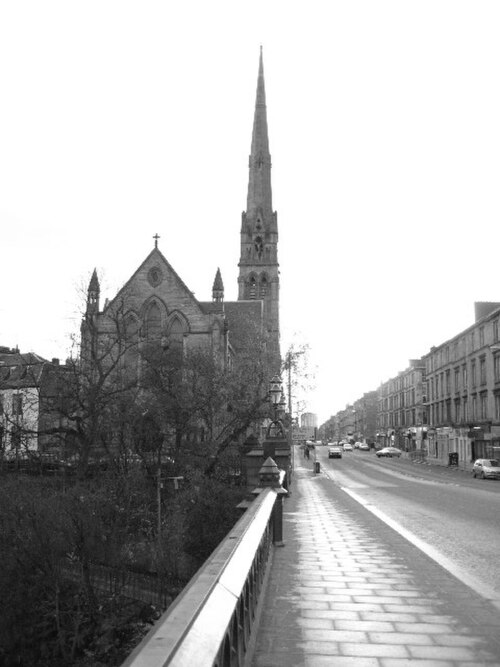
St Mary’s Cathedral is a Gothic Revival cathedral in Glasgow’s West End and the cathedral church of the Diocese of Glasgow and Galloway within the Scottish Episcopal Church.
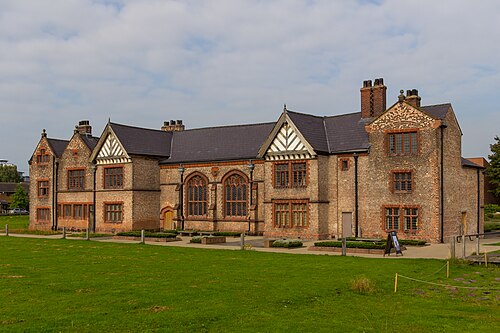
Ordsall Hall is a historic Tudor manor house located in Salford, Greater Manchester, near the city centre. The building dates back to the 15th century with later additions, making it one of the oldest surviving structures in the area.
Staircase House is a historic timber-framed building in Stockport, Greater Manchester. Its distinctive staircase gives the house its name and provides the clearest focus for understanding the property.
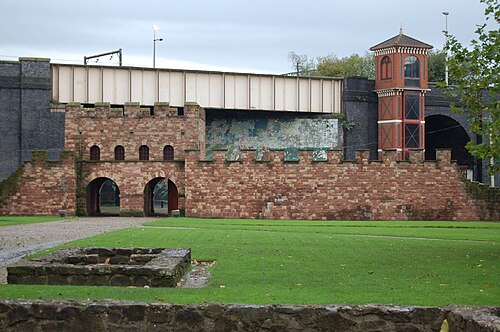
Mamucium, also known as the Roman fort of Manchester, was a fort established in the Roman province of Britannia. The name Mamucium is thought to derive from a Celtic meaning breast-shaped hill.
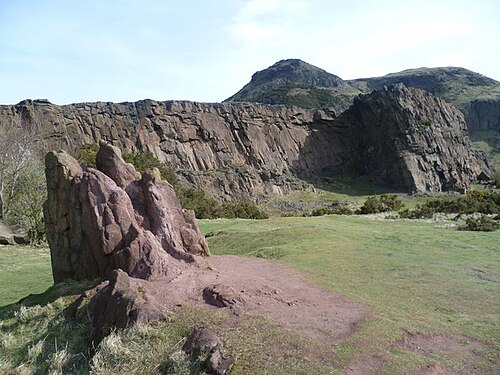
Holyrood Park is a royal park in Edinburgh, Scotland, associated with the Palace of Holyroodhouse. It covers a substantial area of open landscape including hills, lochs, and rocky outcrops.
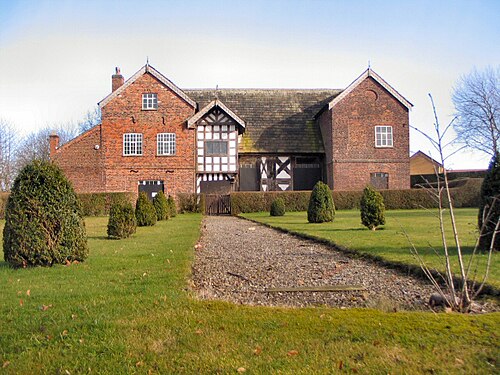
Baguley Hall is a historic timber-framed manor house located in the Baguley area of south Manchester. The building represents a significant example of medieval domestic architecture in northwest England, with origins dating to the late medieval period.
Christ Church
Christ Church is a Church of England parish church in Heaton Norris, Stockport, within the Greater Manchester conurbation. It is an active place of worship and a local community institution, rather than a conventional visitor attraction.
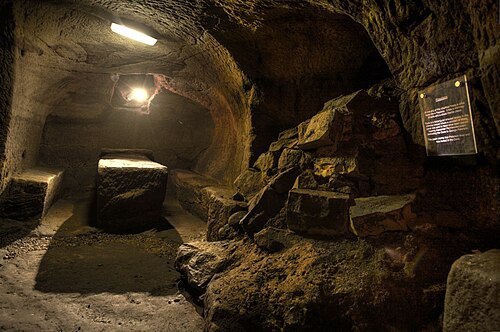
Gilmerton Cove is a mysterious underground site located in the Gilmerton area of Edinburgh, Scotland.
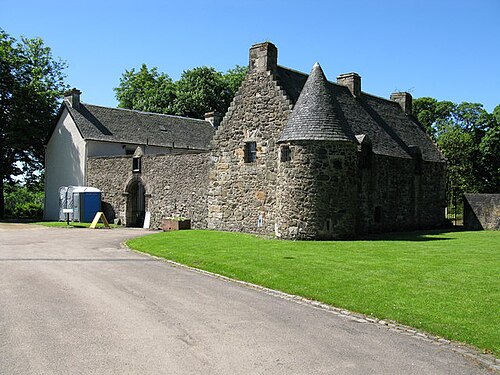
Provan Hall is a historic building situated in Glasgow, Scotland. It represents an important part of the city's architectural heritage and stands as a notable landmark within the urban landscape.
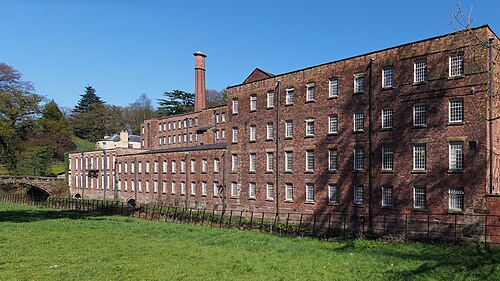
Quarry Bank Mill is a historic cotton mill in Styal, Cheshire, on the outskirts of Manchester. It was founded in 1784 by Samuel Greg and became one of the most important early industrial sites in Britain.
Georgian House
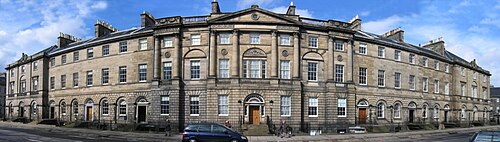
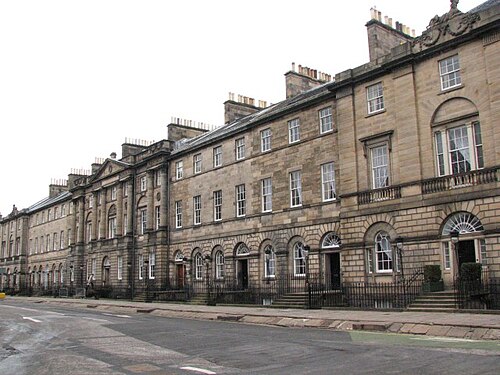
The Georgian House is a historic townhouse at 7 Charlotte Square in Edinburgh’s New Town. Operated by the National Trust for Scotland, it presents upper-class domestic life through rooms, furnishings and architectural detail associated with Georgian Edinburgh.
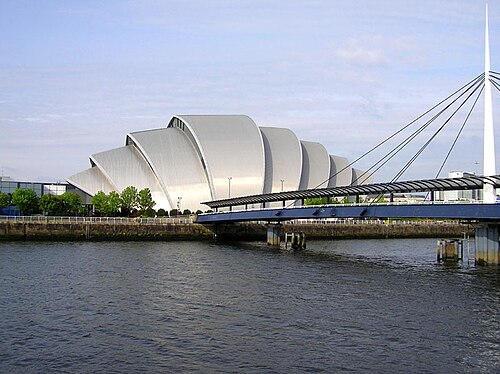
SEC Armadillo is a concert and performance venue on the north bank of the River Clyde in Glasgow. Its curved, shell-like exterior has become one of the city’s recognisable modern landmarks.
The Scotch Whisky Experience
The Scotch Whisky Experience is a whisky heritage attraction on Edinburgh’s Royal Mile, close to Edinburgh Castle. It occupies a former school building and introduces visitors to Scotch whisky’s production, regional character and cultural importance.
The King's Theatre
King's Theatre is a historic performing arts venue in Glasgow, Scotland, known for live theatre, musicals and pantomime.
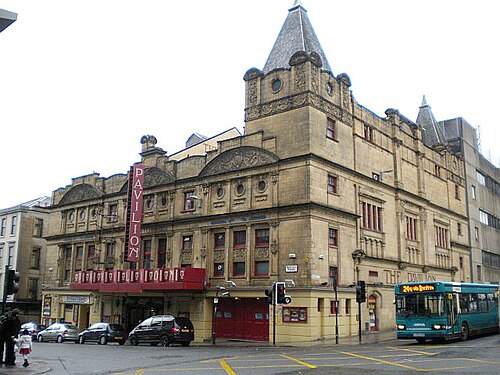
The Pavilion Theatre is a historic entertainment venue in Glasgow, Scotland. Established in 1904, it stands as one of the city's oldest surviving theatres and continues to operate as a live performance space.
The Theatre Royal is a historic performing arts venue in Glasgow, Scotland. It stands as one of the city's most prominent theatrical landmarks, hosting a diverse programme of drama, musicals, opera, and ballet.
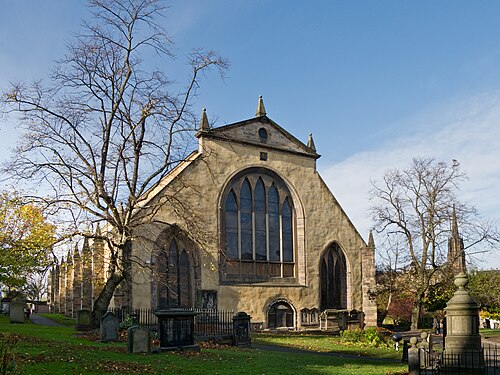
Greyfriars Kirk is a historic parish church located in Edinburgh's Old Town, near the southern edge of the city centre. The church stands within Greyfriars Kirkyard, a substantial graveyard with notable monuments.
George Square Gardens
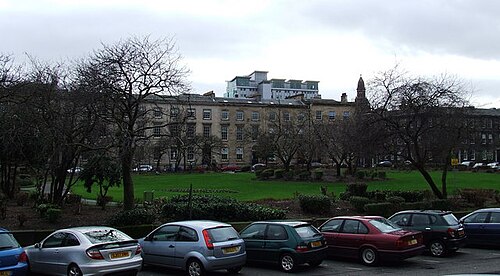
George Square Gardens is the planted garden area within George Square, a prominent public space in Edinburgh's Southside. The gardens sit beside the University of Edinburgh's central campus and provide a green pause among academic, residential and civic buildings.
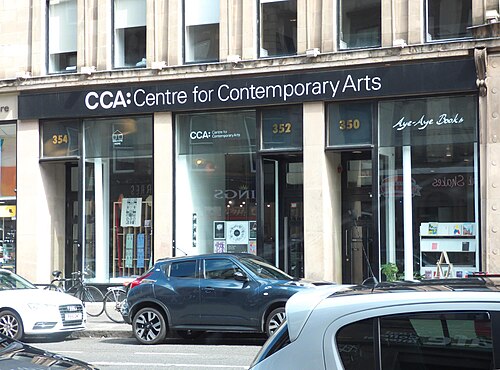
The Centre for Contemporary Arts is a Glasgow cultural venue dedicated to contemporary art, film, and music. It operates as a hub for creative production and public engagement with experimental and interdisciplinary work.
Newhailes House & Gardens
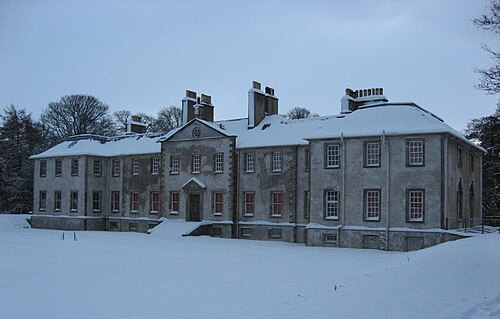
Newhailes House & Gardens is a historic Palladian villa near Musselburgh, east of Edinburgh. Built in the late 17th century, it was home to the Dalrymple family for nearly 300 years.
Rouken Glen Park
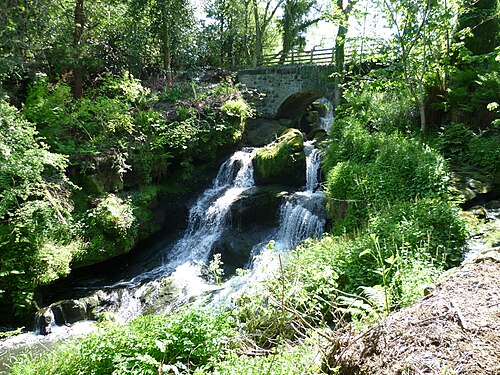
Rouken Glen is a public park in Glasgow’s southern suburbs, combining landscaped grounds with the wooded landscape of a glen. The Auldhouse Burn runs through the ravine, giving the park a more natural character than a simple urban lawn.
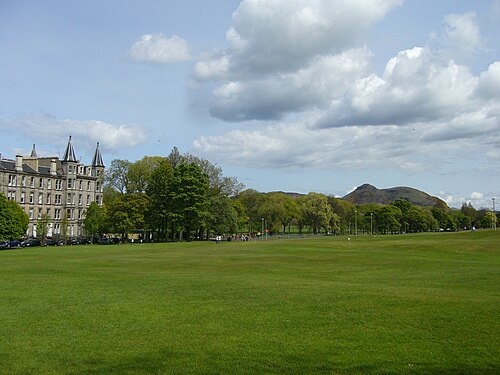
Bruntsfield Links is a large open parkland area in Edinburgh, situated south of the city centre. It forms part of the larger Meadows and Links chain of green spaces.
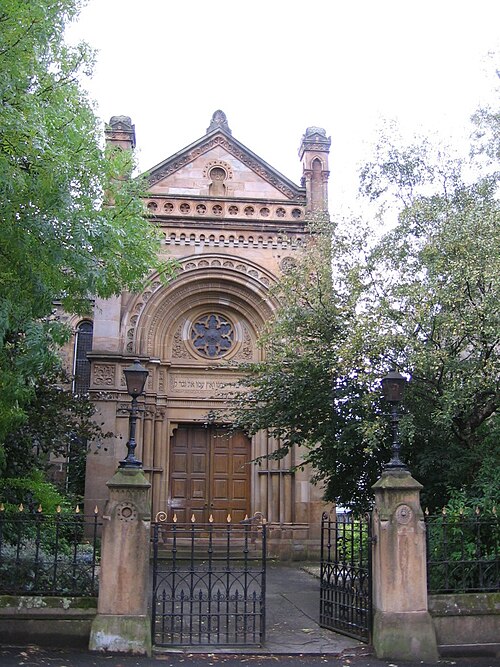
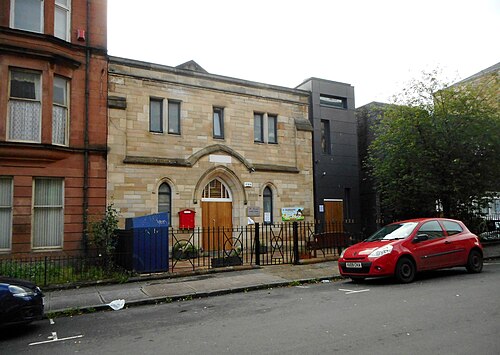
Garnethill Synagogue is a historic Jewish place of worship in Glasgow’s Garnethill district, close to the city centre. It is recognised as the oldest surviving synagogue in Scotland and remains connected with the city’s Jewish community.
Queen's Park
Queen’s Park is a large public park on Glasgow’s south side, set on elevated ground among the residential neighbourhoods south of the city centre.
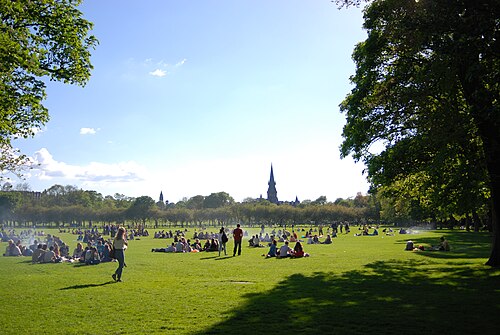
The Meadows is a large public park in Edinburgh, Scotland, situated south of the city centre. This open green space serves as a recreational area for residents and visitors alike.
Castlehill Fort
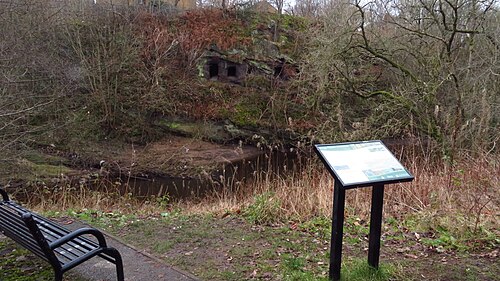
Castlehill Roman fort, also known locally as Castlehill Fort, is an archaeological site in Glasgow connected with Roman military activity in Scotland. It forms part of the wider network of Roman installations created during campaigns in northern Britain.
St Mary's Church
The Church of St Mary, Hulme is an active Church of England parish church in Hulme, south of Manchester city centre. It is a place of worship and a neighbourhood landmark rather than a museum built around a visitor route.
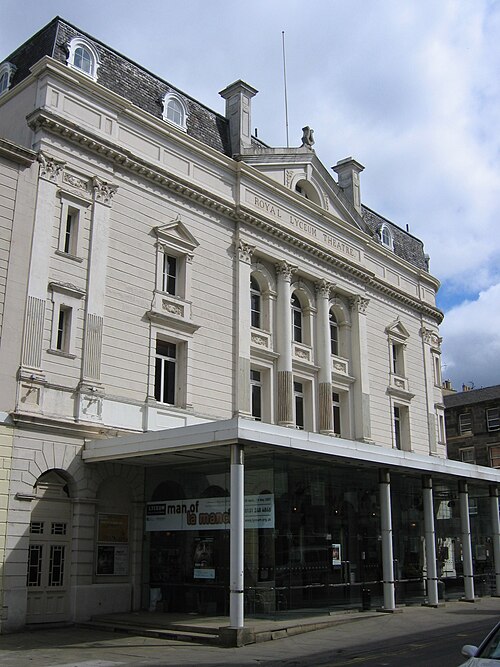
Cramond Brig
Cramond Old Bridge, also called Cramond Brig, is a historic stone crossing over the River Almond in northwest Edinburgh. It links the village of Cramond with the surrounding riverside and estate landscape.
Crossbasket Castle
Crossbasket Castle is a Scottish baronial country house near Blantyre, southeast of Glasgow. Its tower-house form, later Victorian additions, and position beside the Rotten Calder give it a distinctive architectural and landscape setting.
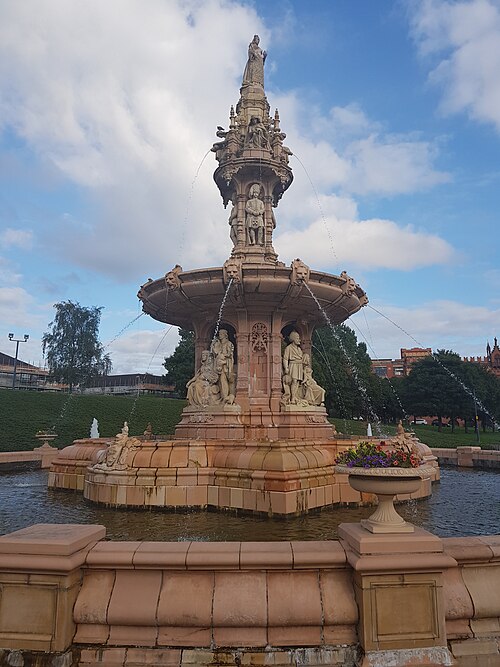
The Doulton Fountain
The Doulton Fountain is a monumental Victorian terracotta fountain in Glasgow Green, Scotland’s oldest public park. Sir Henry Doulton presented it to Glasgow in 1888 to mark Queen Victoria’s Golden Jubilee.
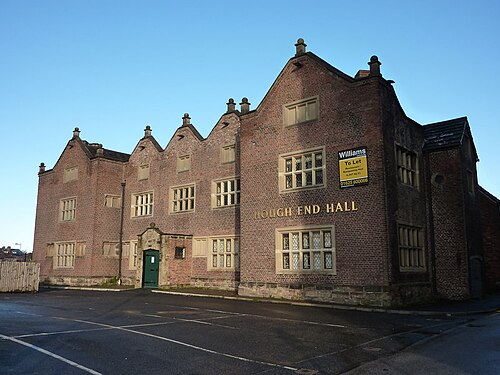
Hough End Hall is a historic building in the Chorlton-cum-Hardy area of south Manchester. Its protected listed status marks it as a building of heritage importance within the local landscape.
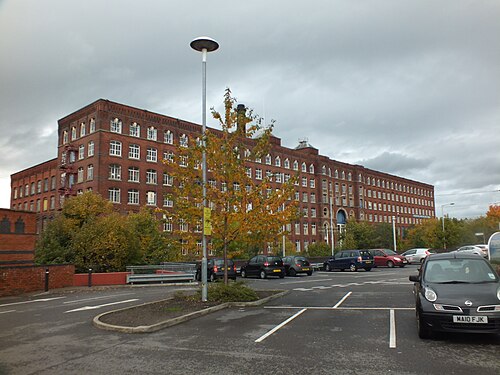
Meadow Mill
Meadow Mill is a historic industrial building in Manchester, recognised in the name used for this place because it includes a tall wing to the south-west.
Millennium House is a commercial building in Manchester city centre. Its role is office accommodation within the central business district, not a dedicated museum, gallery, or public attraction.
Norcliffe Hall is a historic country house situated in the Styal area near Manchester, within the broader Cheshire landscape. The building represents English Victorian-era estate architecture and forms part of the region's landed heritage.
Town Hall
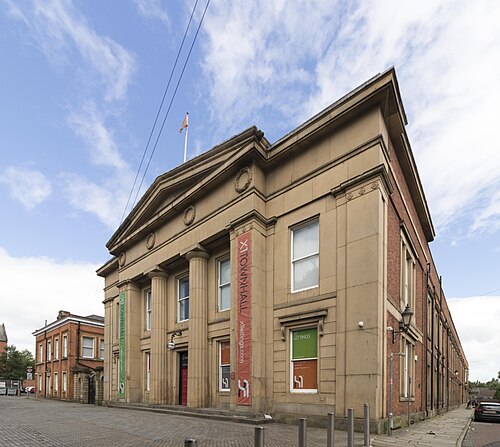
Salford Town Hall is a civic building in Salford, part of the Greater Manchester urban area. Its main identity is administrative: it represents local government and the public life of the City of Salford.
Smithfield Market Hall is a historic market building in Manchester and a reminder of the city’s commercial and industrial past. Its identity comes from the market function associated with the building and the role such halls played in urban trade.
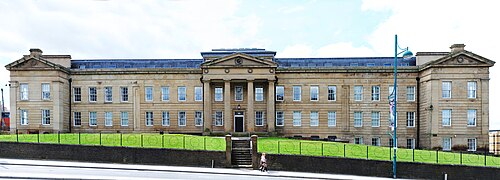
Stockport Armoury is a historic military building in Stockport, within Greater Manchester. It forms part of the town's built heritage and reflects local connections with armed forces organisation and defence infrastructure.
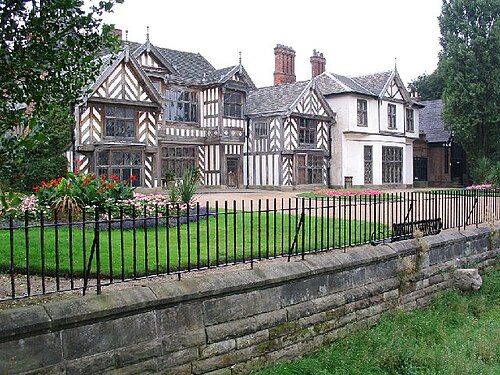
Wythenshawe Hall is a sixteenth-century timber-framed manor house in Wythenshawe Park, south Manchester. Later additions give the building a layered appearance, while its setting in substantial parkland connects the historic house with a much larger public landscape.
The Assembly Rooms is a historic entertainment and events venue on George Street in Edinburgh’s New Town. Established in the late eighteenth century, it has long provided a setting for social gatherings, performances and civic occasions.
Citizens' Theatre
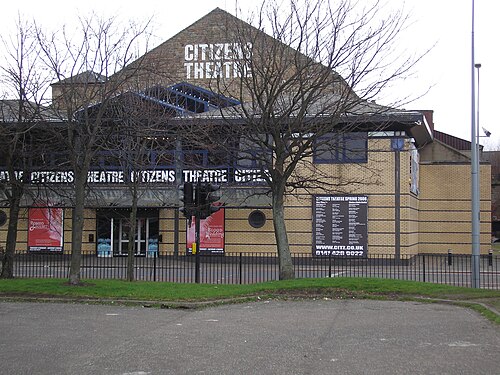
The Citizens' Theatre is a historic producing theatre located in Glasgow's Gorbals area. Established in 1943, it has built a reputation for distinctive programming and community engagement.
City Halls & Old Fruitmarket
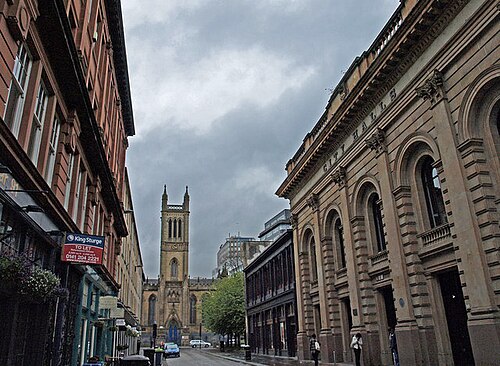
Glasgow City Halls is a historic concert venue in the Merchant City, centred on Candleriggs and connected with the Old Fruitmarket. The complex combines a principal concert hall with a former market space used for performances.
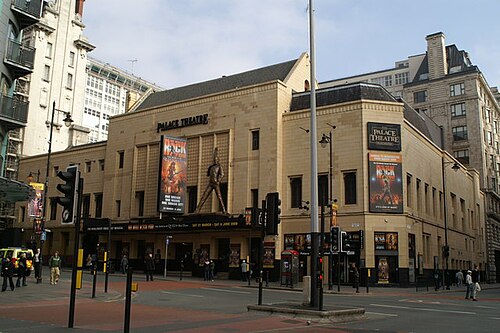
Palace Theatre is one of Manchester’s major theatrical venues, located in the city’s central theatre district. It operates as a commercial receiving house, bringing touring productions, musicals, plays and live entertainment to the city.
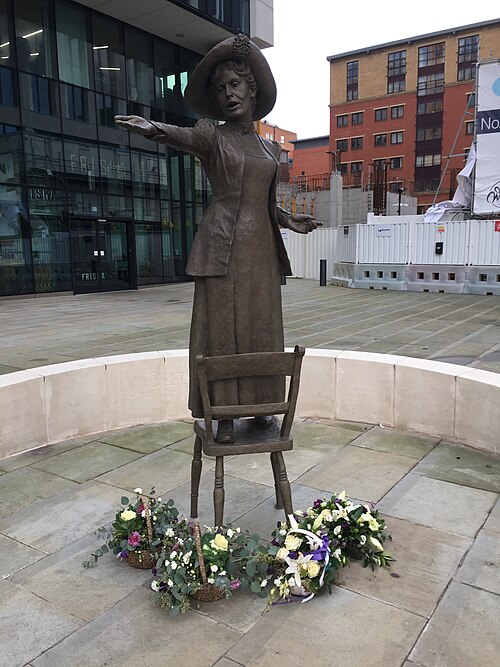
Rise up, Women
The statue titled Rise up, Women commemorates Emmeline Pankhurst, the leading British suffragette who founded the Women's Social and Political Union in Manchester in 1903.
Bellahouston Park is a large green space southwest of Glasgow city centre, combining open recreational ground, formal gardens, woodland and cultural landmarks.
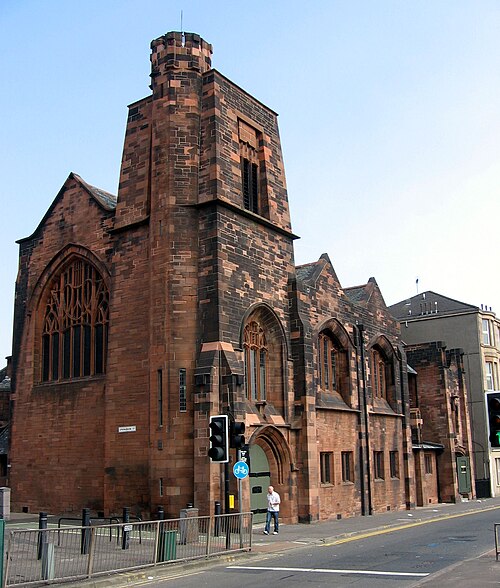
The Mackintosh Church, Queen's Cross
Queen's Cross Church, now widely known as The Mackintosh Church, is a former parish church in Glasgow designed by Charles Rennie Mackintosh.
Alexandra Park
Alexandra Park is a Victorian-era public park in Manchester. The park was created as municipal green space for recreation and continues to serve local residents and visitors.
Buile Hill Park is a public park in Salford, Greater Manchester, part of the conurbation centred on Manchester. The park occupies a historic estate landscape with connections to the local area's development during the industrial era.
Greenbank Gardens
Greenbank Garden is a cultivated garden attraction in Glasgow, offering a quieter horticultural setting within the city.
Peel Park is a public green space in Salford, near the University of Salford and the River Irwell. One of Salford’s older parks, it offers a simple urban escape with lawns, mature trees and walking routes.
Philips Park is a public green space in Manchester, England, and one of the city’s early municipal parks. It was created during the industrial era, when growing neighbourhoods needed accessible open space.
Victoria Park is a public park located in Glasgow, Scotland. Established in the late nineteenth century, it represents a typical example of Victorian municipal park design.
Victoria Park is a public park in London, England. It occupies a significant area in the eastern part of the city and serves as recreational green space for residents and visitors.
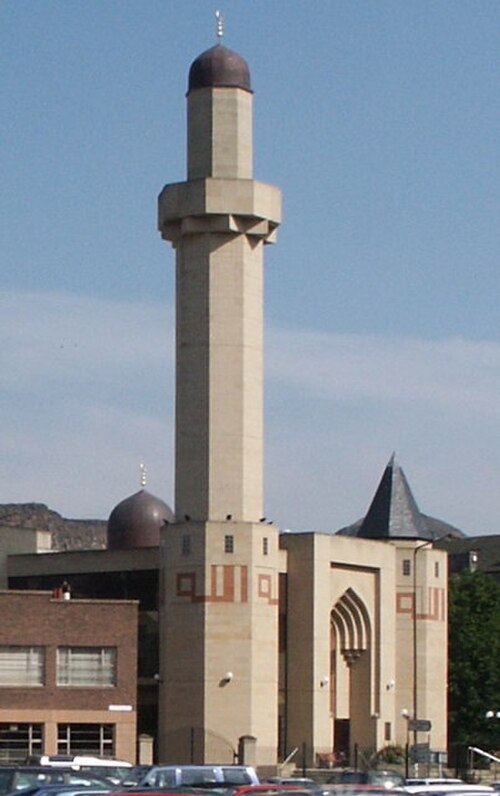
Edinburgh Central Mosque, also known locally by the same name, is a place of Islamic worship and community gathering in Scotland's capital.
Hulme Hippodrome is a historic theatre building in Hulme, south of Manchester city centre. The Victorian-era venue belongs to Manchester’s performing-arts heritage and remains an evocative architectural landmark within a changing urban neighbourhood.
Websters Theatre is a Glasgow performing arts venue for dramatic productions, live performances and cultural events.
St George's Tron Parish Church
St George's-Tron Church, also known as St George's Tron Parish Church, stands at the junction of Buchanan Street and Nelson Mandela Place in central Glasgow.
Blythswood Square Gardens
Blythswood Square is a Georgian garden square in Glasgow, Scotland. The square forms part of the Blythswood Hill area and represents a notable example of planned urban development from the early nineteenth century.
Charlotte Square Gardens
Charlotte Square is a Georgian square at the western end of George Street in Edinburgh's New Town.
Duddingston Loch is a freshwater loch situated in Edinburgh, Scotland. It forms part of Holyrood Park and lies near the village of Duddingston. The loch is a notable natural feature within Scotland's capital city, offering a habitat for various wildlife.
National Museum of Rural Life presents Scotland's rural heritage through museum collections, historic buildings and a working agricultural landscape. The site is operated by National Museums Scotland and combines indoor interpretation with outdoor farmland.
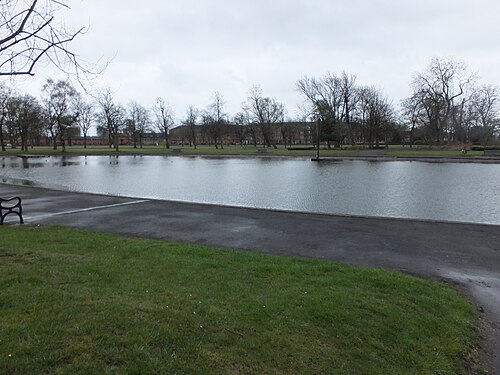
Platt Fields Park is a large public green space in Rusholme, south of Manchester city centre. It combines open lawns, mature trees, gardens and a boating lake, giving visitors several ways to spend time outdoors in a busy urban district.
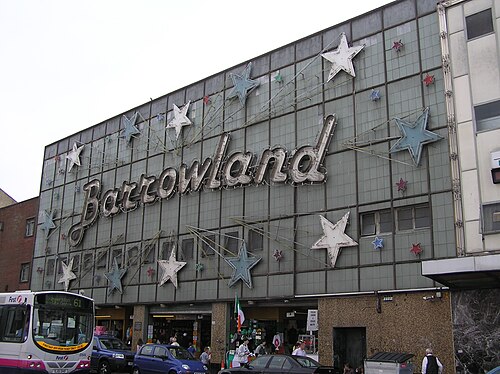
Barrowland Ballroom is a famous live music venue in Glasgow's East End. It opened in 1934, was rebuilt after a fire in 1958, and remains closely associated with major performances and Glasgow's music culture.
Fruitmarket
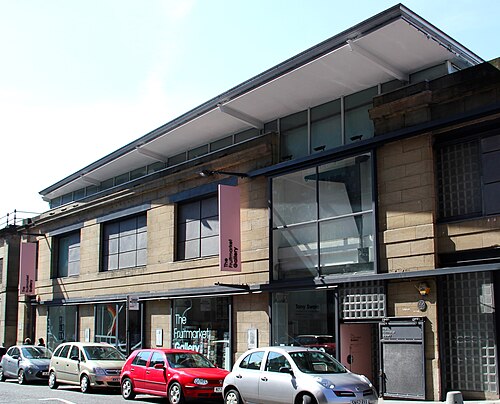
Fruitmarket Gallery is a contemporary art gallery in central Edinburgh, housed in a former fruit and vegetable market building. Its identity comes from the meeting of industrial architecture and changing contemporary art.
Cathedral Gardens is an open public green space in Manchester’s city centre, beside Manchester Cathedral. It forms part of the Cathedral Quarter and offers a break from the surrounding streets, shops and urban movement.
Highfield Country Park is a broad public green space in Manchester, England, with a more natural character than a small formal garden. Its country-park setting combines open ground, wooded areas and routes for outdoor exploration.
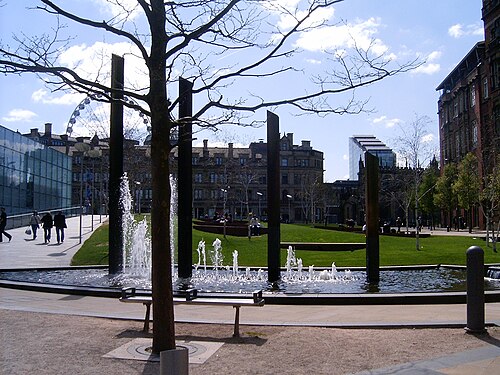
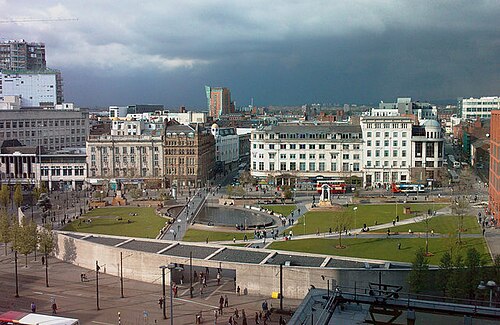
Piccadilly Gardens is a central public green space and transport interchange in Manchester. It links Manchester Piccadilly station with the city’s retail core and serves as a meeting point, rest area and route through the centre.
Mackintosh at the Willow
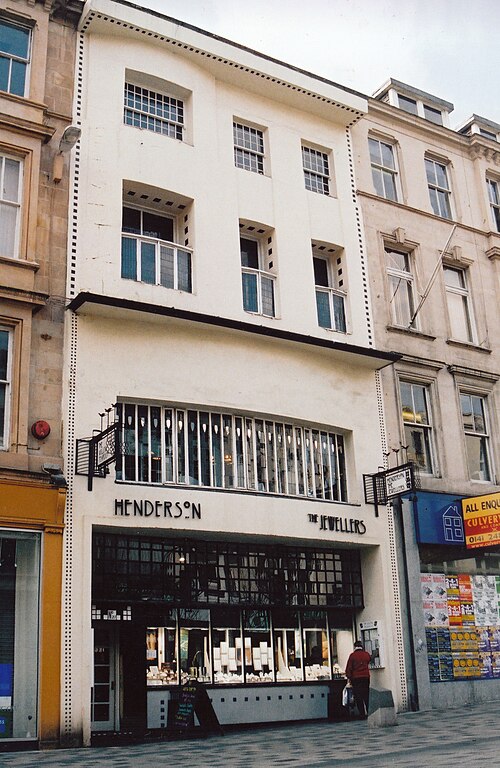
The Willow Tearooms, trading as Mackintosh at the Willow, is a historic tearoom in Glasgow designed by Charles Rennie Mackintosh. It stands as a significant example of his architectural and interior design work, dating from the early twentieth century.
Camera Obscura & World of Illusions
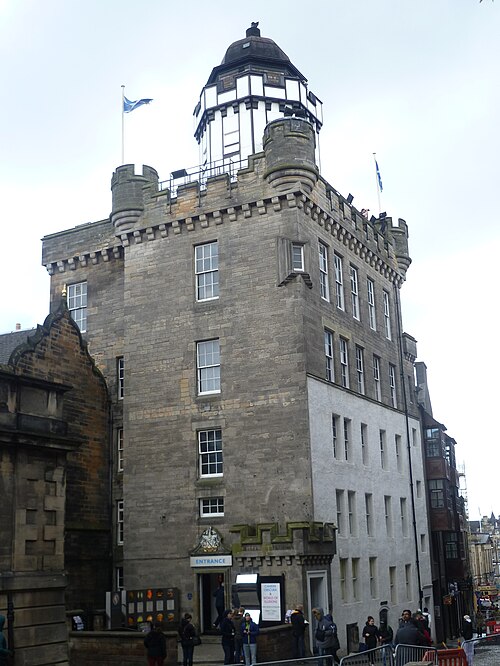
Camera Obscura & World of Illusions is a visitor attraction located on Castlehill in Edinburgh's Old Town, near Edinburgh Castle.
Holyrood Distillery is a whisky and gin distillery in Edinburgh’s Holyrood area, near the foot of Arthur’s Seat. It belongs to the city’s modern drinks landscape while drawing on Scotland’s wider distilling tradition.
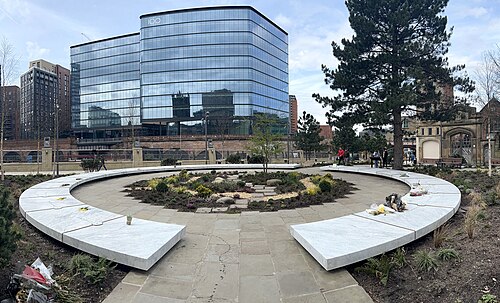
The Glade of Light is a memorial garden in central Manchester, near Manchester Cathedral. It commemorates the twenty-two people killed in the Manchester Arena bombing on 22 May 2017 and honours those affected by the attack.
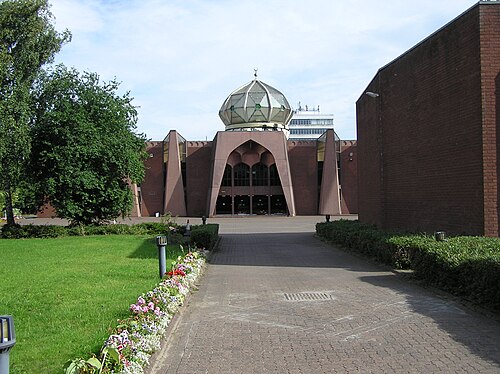
Glasgow Central Mosque is a major Islamic place of worship and community centre in the Gorbals, south of the River Clyde. It serves Glasgow’s Muslim community through daily prayer, Friday congregational worship, Islamic education and wider social activity.
The Dancehouse
The Dancehouse is a theatre venue in Manchester dedicated to dance and performance arts. Located in the city centre, it occupies a prominent building that serves as a cultural hub for contemporary and classical dance productions.
Leith Theatre is a historic performing-arts venue in Leith, the former port town incorporated into Edinburgh in 1920. The building belongs to the district’s cultural heritage and reflects Leith’s long community identity alongside its connection to the wider city.
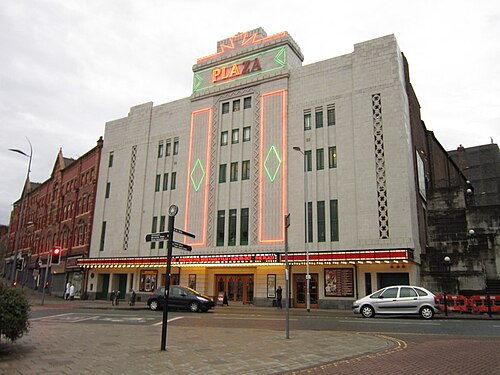
The Plaza
Plaza Cinema is a historic cinema and entertainment venue in Stockport, within Greater Manchester. The Plaza combines active film programming with the character of a heritage theatre, giving visitors an alternative to a modern multiplex.
Queen Victoria
The Queen Victoria Monument is an outdoor commemorative work in Manchester honouring Queen Victoria. It belongs to the city’s tradition of civic sculpture, where public monuments placed historical and royal subjects within the daily urban landscape.
The Tree of Knowledge is an outdoor public artwork in Manchester. It forms part of the city’s creative streetscape, placing an artistic object within the everyday movement of the urban environment.
Duddingston Kirk is a historic parish church in Edinburgh’s Duddingston area, beside Duddingston Loch and Holyrood Park. The building remains an active Church of Scotland place of worship, so its significance is both architectural and living rather than purely museum-like.
Glasgow City Free Church
St Vincent Street Church, locally known as Glasgow City Free Church, is a historic ecclesiastical building situated on St Vincent Street in Glasgow, Scotland.
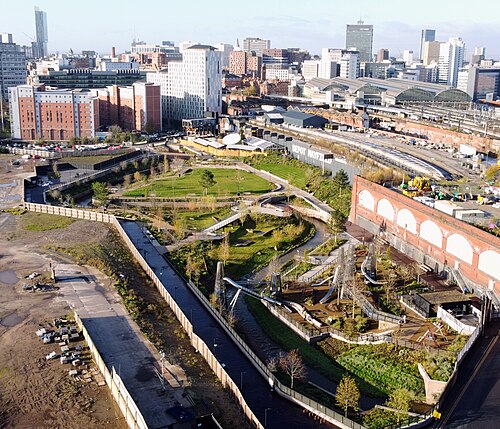
Mayfield Park is a public green space in Manchester, England. It occupies a former industrial site that has undergone significant regeneration to become accessible parkland for residents and visitors.
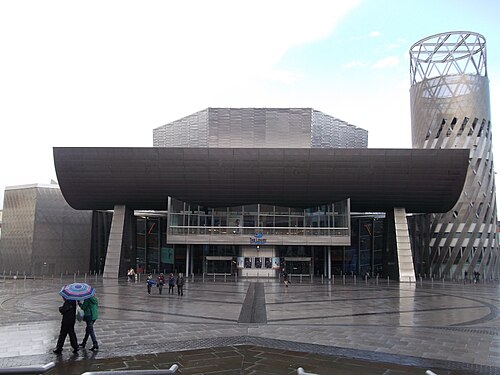
The Lowry is a combined gallery, theatre and arts venue at Salford Quays in Greater Manchester. Named after artist L.S. Lowry, it brings visual art and live performance together in one distinctive waterfront building.
Abbey Road Crossing
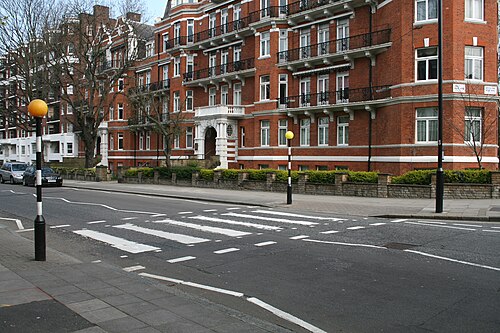
Abbey Road zebra crossing is a working pedestrian crossing in St John’s Wood, London. It became globally recognisable after appearing on the cover of the Beatles’ 1969 album Abbey Road.
Alexandra Park
Alexandra Park is a public park located in Glasgow, Scotland. It was established in the nineteenth century and remains one of the city's significant green spaces.
Dawsholm Park Local Nature Reserve
Dawsholm Park Local Nature Reserve is a public green space in Glasgow, Scotland. It forms part of the city's network of parks and natural areas, providing accessible countryside experience within an urban setting.
Leith Links is a large public park in Edinburgh’s Leith district. Its open grassland carries an important sporting history: the area is associated with golf played in the sixteenth century and with the early development of the game.
Linn Park is a large public green space in southern Glasgow, shaped by woodland, open grassland and the White Cart Water. The river gives the park much of its character, with pools and small waterfalls among the waterside scenery.
Sackville Gardens
Whitworth Gardens, also known locally as Sackville Gardens, is a public green space in Manchester city centre.
Al Furqan Mosque
Glasgow Al-Furqan Mosque is an active place of Islamic worship and a community centre serving local Muslim residents.
Govan Old Parish Church is a historic church in Govan, on the south bank of the River Clyde in Glasgow. It stands on one of western Scotland’s oldest Christian sites and remains an important landmark in the district.
Old Spitalfields Market is a covered market in Spitalfields, central London. It occupies a historic site with origins tracing back centuries, though the current building dates from the late nineteenth century.
Bradford Colliery is a former coal-mining site in Manchester and a reminder of the industrial work that shaped the region. The colliery belongs to the history of extraction, labour and landscape change that accompanied Manchester’s rise as an industrial city.
Brinksway Caves are a network of man-made sandstone caverns located in the Stockport area of Greater Manchester. These caves were excavated from the soft red sandstone bedrock, a material characteristic of the region's geology.
Elder Park is a public park in Glasgow, Scotland. It was established in the nineteenth century through a bequest from the Elder family, prominent local shipbuilders.
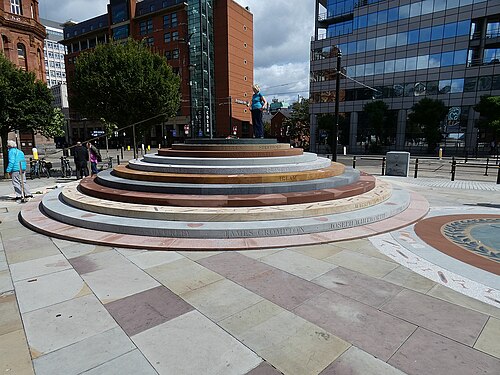
The Peterloo Memorial commemorates the violent dispersal of a reform meeting at St Peter’s Field in Manchester on 16 August 1819. Cavalry charged a crowd demanding parliamentary reform, killing about eighteen people and injuring hundreds.
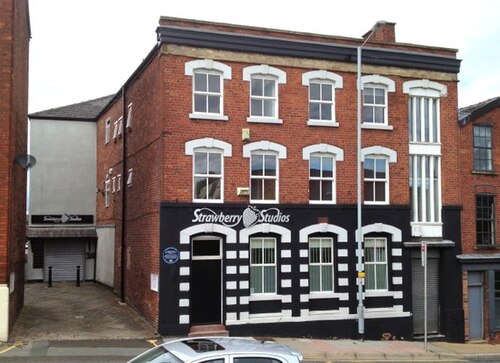
Strawberry Studios Stockport
Strawberry Studios was a recording studio in Stockport, Greater Manchester, with an important place in British popular-music history. Established in the 1960s, it became closely associated with 10cc, who used the facility extensively.
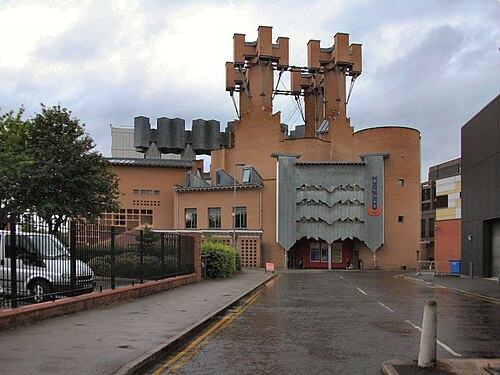
Contact
Contact is a theatre in Manchester known for its focus on young people and contemporary performance. Operating under the local name Contact, it has established itself as a significant cultural venue within the city's arts landscape.
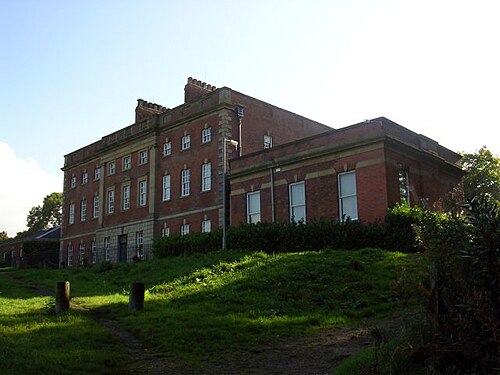
Alkrington Hall is a historic country house in Middleton, within Greater Manchester and the Metropolitan Borough of Rochdale. The hall belongs to the landscape of English country-house architecture and reflects the estate culture associated with Lancashire gentry residences.
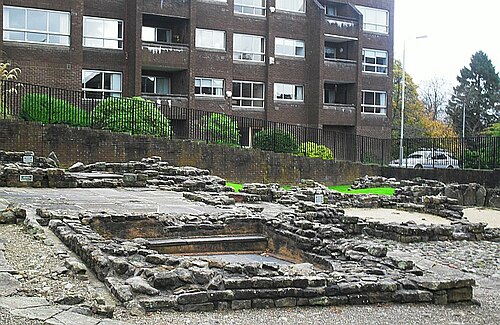
Roman Bath House
The Bearsden Roman Bath House is an archaeological site in Glasgow, Scotland, preserving remains of a Roman bathing complex associated with the Antonine Wall frontier system.
Source: OpenStreetMap contributors, Wikidata ·
Ten to fourteen days can cover four or five days in London, two in Manchester, and two or three each in Edinburgh and Glasgow. The Highlands, Lake District, or Welsh national parks need dedicated nights and should not be squeezed into London day trips.
UK document rules depend on nationality and trip purpose, and many visitors now need an Electronic Travel Authorisation before boarding. Check the linked UK government visa service for both visa and ETA status shortly before travel.
Intercity rail is the practical spine between London, Manchester, Edinburgh, and Glasgow, with advance fares usually distinct from flexible tickets. Each city runs its own local fare system, so London's contactless cap is not a nationwide travel pass.
May to June and September are useful planning windows for this route, but conditions vary between southern England and Scotland. Festival dates in Edinburgh and rural transport in national parks can matter more than the national seasonal label.
The United Kingdom uses pound sterling (GBP). Contactless payment is widespread in major cities, but keep another payment method for rural services or terminals that do not share London's payment arrangements.
Use 999 or 112 for emergencies in the United Kingdom. Type G sockets supply 230 V, and mains tap water is recorded as safe; save rail disruption information as well when the itinerary depends on several city-to-city journeys.