Mamucium
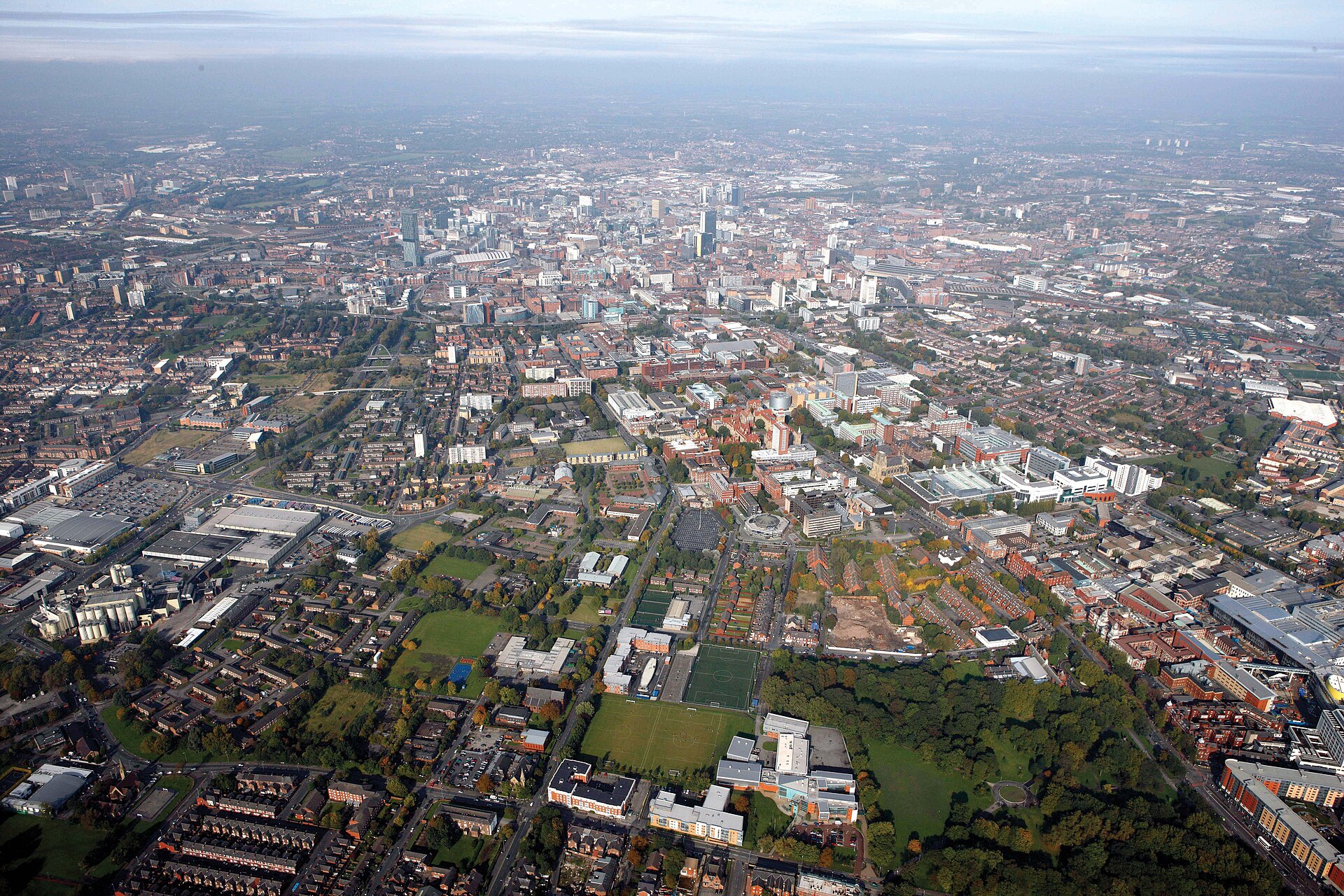
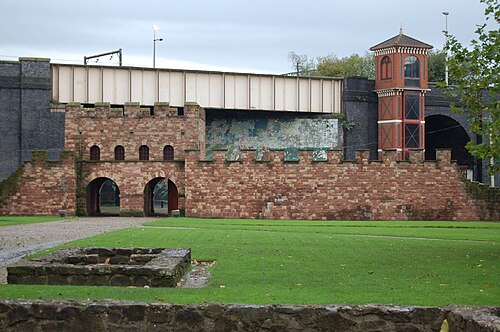
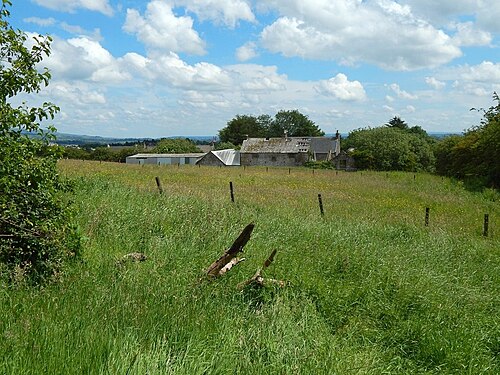
Mamucium, also known as the Roman fort of Manchester, was a fort established in the Roman province of Britannia. The name Mamucium is thought to derive from a Celtic meaning breast-shaped hill.
- High
- Historic monument
- Manchester
Country guide
The United Kingdom is 244,376 km² holding 69,281,437 people, and it is four countries rather than one: England, Scotland, Wales and Northern Ireland, with Londo...
Photograph · Colin · CC BY-SA 4.0
Reviewed by Elena Voss · Roavina Travel Editor
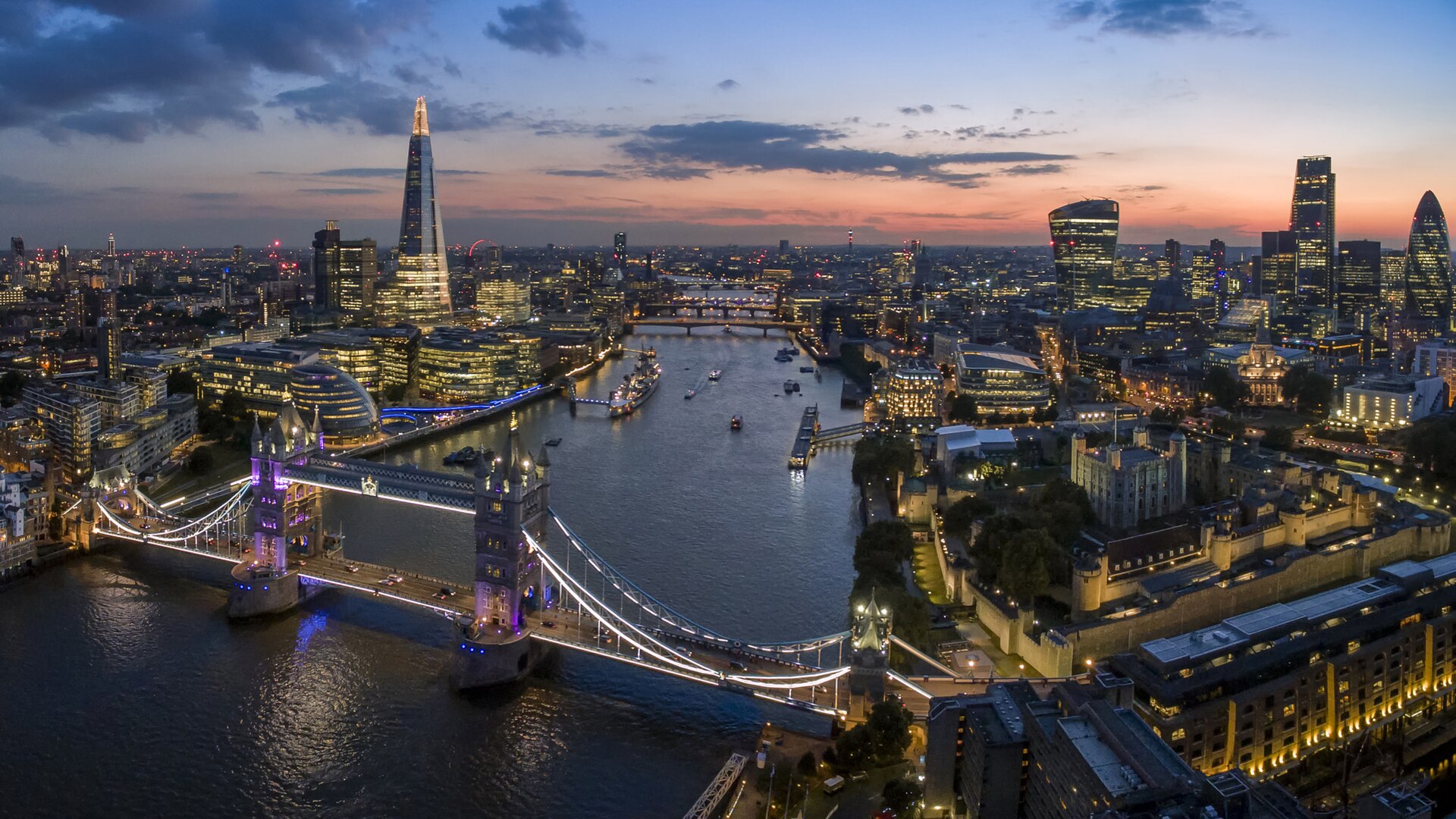
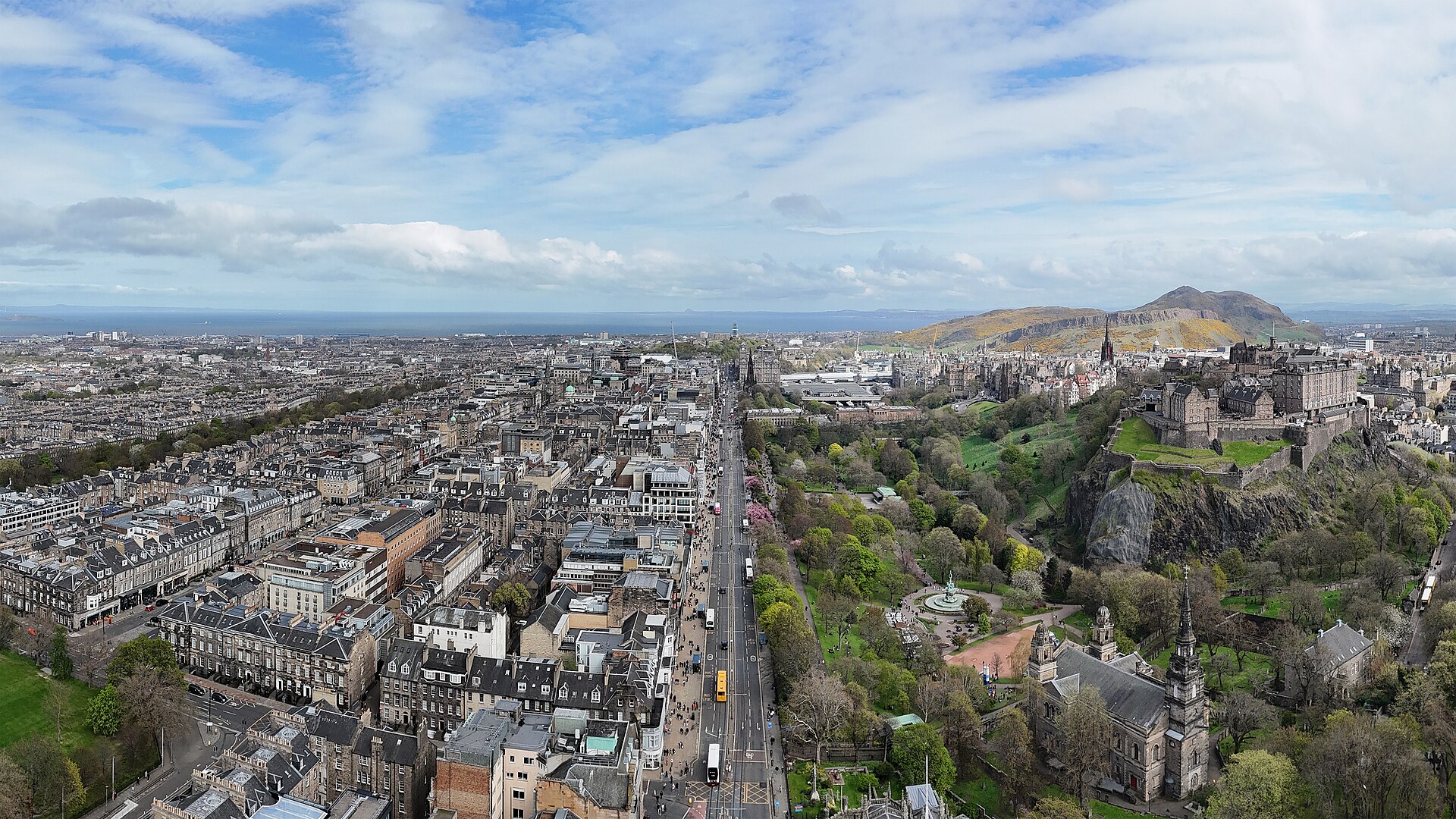
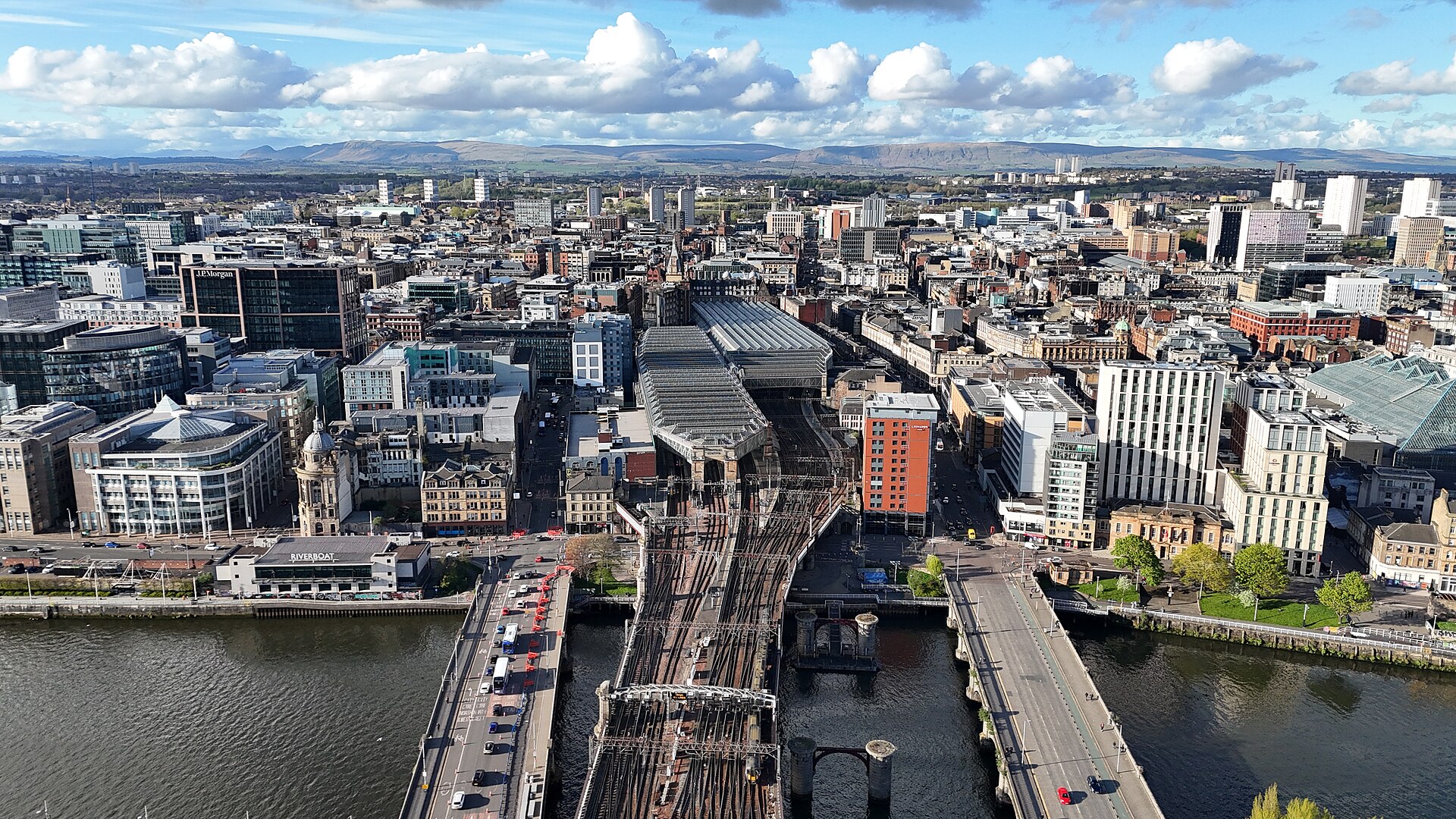
The United Kingdom is 244,376 km² holding 69,281,437 people, and it is four countries rather than one: England, Scotland, Wales and Northern Ireland, with London, Edinburgh, Cardiff and Belfast as their capitals. Three of the four run parliaments of their own over devolved matters, and the law splits three ways — England and Wales, Scotland, Northern Ireland. A visitor meets that in small practical things rather than at a border. London alone holds about 9.1 million of the total, which is why so many trips never leave it, and why the ones that do feel like arriving somewhere else.
Checked 2026-08-25
Every city catalogued in this country so far, ranked by how much there is to see.
Photograph · Ilya Grigorik · CC BY-SA 3.0
Photograph · 瑞丽江的河水 · CC BY-SA 4.0
Photograph · Daniel Nisbet from Manchester, United Kingdom · CC BY 2.0
Ranked by importance — sitelinks, pageviews and heritage status, not editor preference.
296 places match
Category
Typical visit duration
Interests
Mamucium, also known as the Roman fort of Manchester, was a fort established in the Roman province of Britannia. The name Mamucium is thought to derive from a Celtic meaning breast-shaped hill.
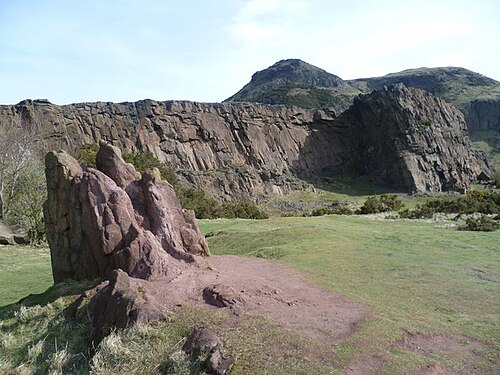
Holyrood Park is a royal park in Edinburgh, Scotland, associated with the Palace of Holyroodhouse. It covers a substantial area of open landscape including hills, lochs, and rocky outcrops.
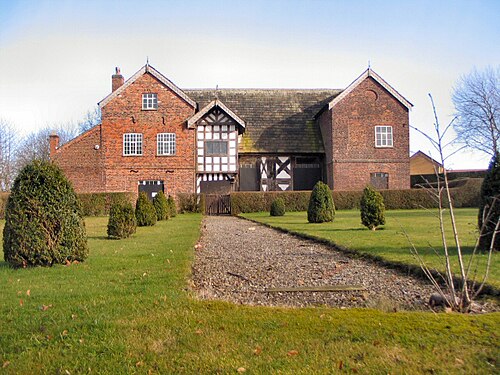
Baguley Hall is a historic timber-framed manor house located in the Baguley area of south Manchester. The building represents a significant example of medieval domestic architecture in northwest England, with origins dating to the late medieval period.
Christ Church
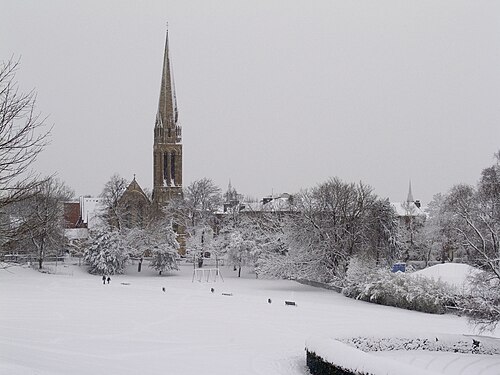
Christ Church is a Church of England parish church in Heaton Norris, Stockport, within the Greater Manchester conurbation. It is an active place of worship and a local community institution, rather than a conventional visitor attraction.
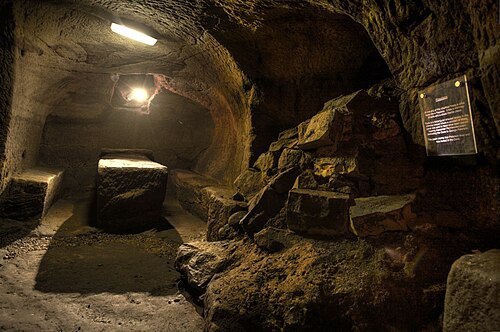
Gilmerton Cove is a mysterious underground site located in the Gilmerton area of Edinburgh, Scotland.
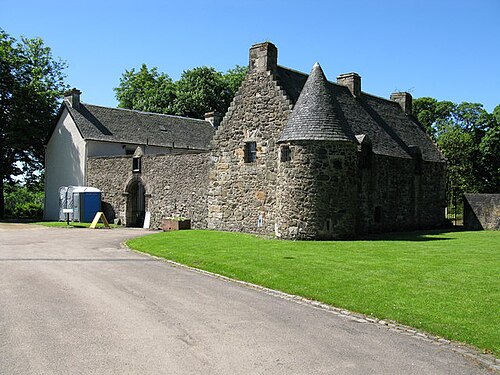
Provan Hall is a historic building situated in Glasgow, Scotland. It represents an important part of the city's architectural heritage and stands as a notable landmark within the urban landscape.
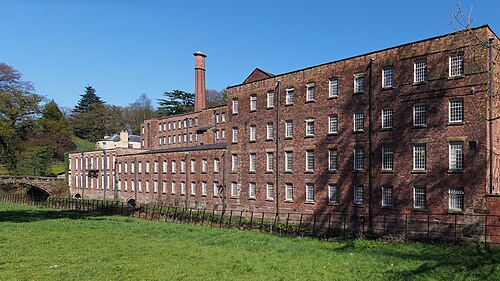
Quarry Bank Mill is a historic cotton mill in Styal, Cheshire, on the outskirts of Manchester. It was founded in 1784 by Samuel Greg and became one of the most important early industrial sites in Britain.
Georgian House
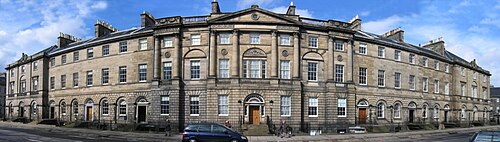
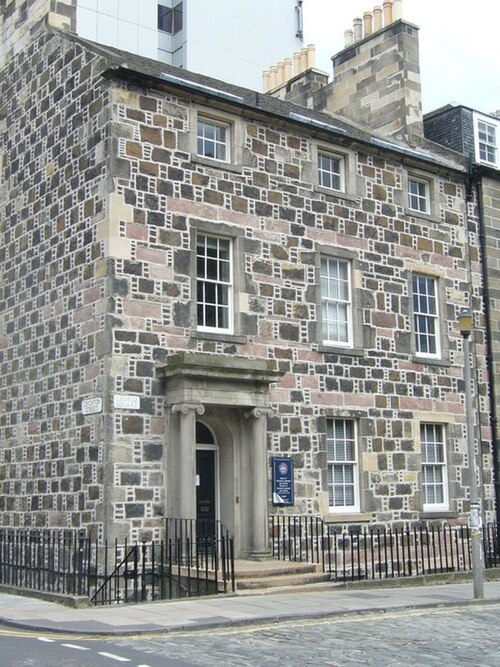
The Georgian House is a historic townhouse at 7 Charlotte Square in Edinburgh’s New Town. Operated by the National Trust for Scotland, it presents upper-class domestic life through rooms, furnishings and architectural detail associated with Georgian Edinburgh.
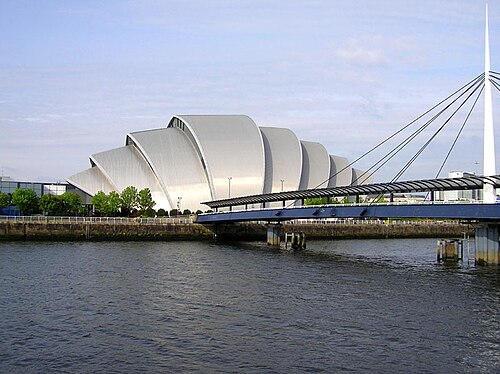
SEC Armadillo is a concert and performance venue on the north bank of the River Clyde in Glasgow. Its curved, shell-like exterior has become one of the city’s recognisable modern landmarks.
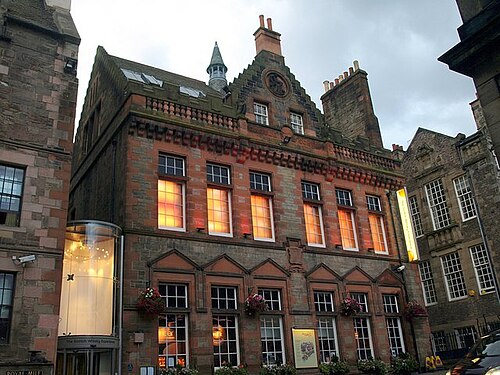
The Scotch Whisky Experience
The Scotch Whisky Experience is a whisky heritage attraction on Edinburgh’s Royal Mile, close to Edinburgh Castle. It occupies a former school building and introduces visitors to Scotch whisky’s production, regional character and cultural importance.
The King's Theatre
King's Theatre is a historic performing arts venue in Glasgow, Scotland, known for live theatre, musicals and pantomime.
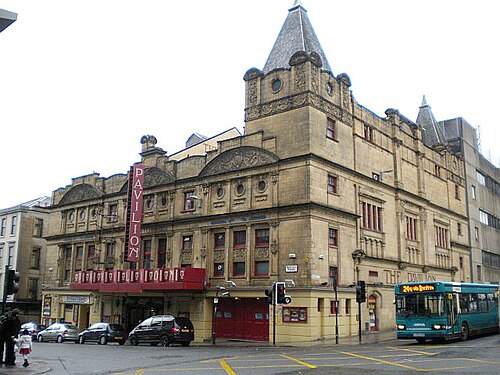
The Pavilion Theatre is a historic entertainment venue in Glasgow, Scotland. Established in 1904, it stands as one of the city's oldest surviving theatres and continues to operate as a live performance space.
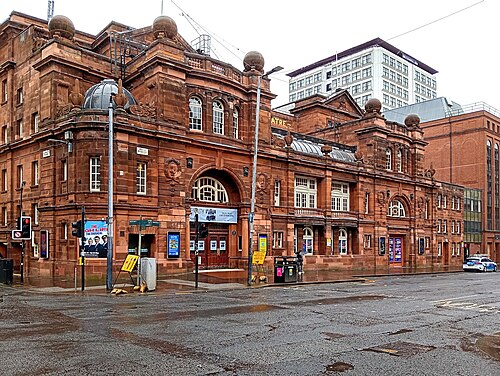
The Theatre Royal is a historic performing arts venue in Glasgow, Scotland. It stands as one of the city's most prominent theatrical landmarks, hosting a diverse programme of drama, musicals, opera, and ballet.
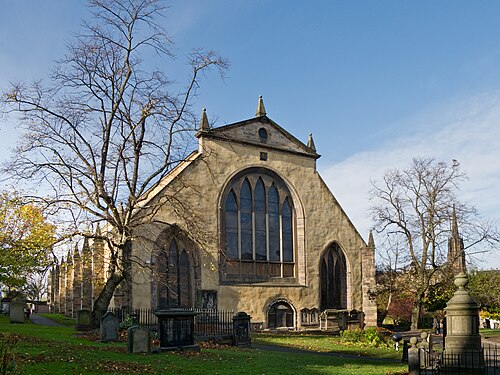
Greyfriars Kirk is a historic parish church located in Edinburgh's Old Town, near the southern edge of the city centre. The church stands within Greyfriars Kirkyard, a substantial graveyard with notable monuments.
George Square Gardens
George Square Gardens is the planted garden area within George Square, a prominent public space in Edinburgh's Southside. The gardens sit beside the University of Edinburgh's central campus and provide a green pause among academic, residential and civic buildings.
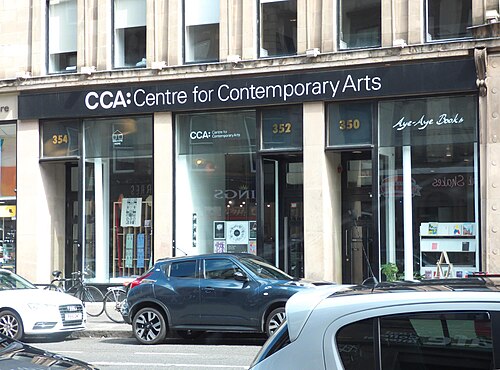
The Centre for Contemporary Arts is a Glasgow cultural venue dedicated to contemporary art, film, and music. It operates as a hub for creative production and public engagement with experimental and interdisciplinary work.
Newhailes House & Gardens
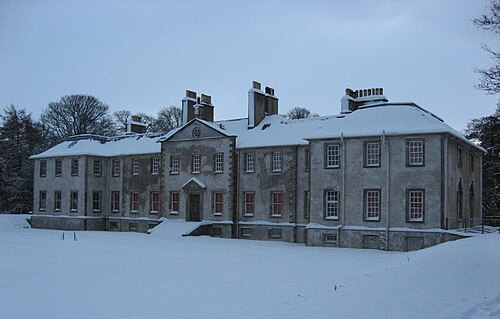
Newhailes House & Gardens is a historic Palladian villa near Musselburgh, east of Edinburgh. Built in the late 17th century, it was home to the Dalrymple family for nearly 300 years.
Rouken Glen Park
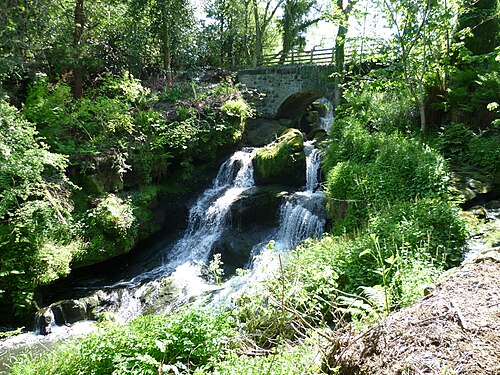
Rouken Glen is a public park in Glasgow’s southern suburbs, combining landscaped grounds with the wooded landscape of a glen. The Auldhouse Burn runs through the ravine, giving the park a more natural character than a simple urban lawn.
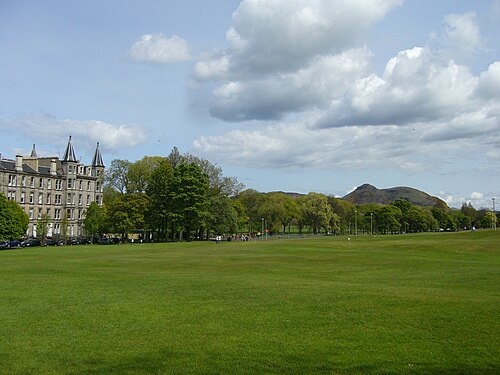
Bruntsfield Links is a large open parkland area in Edinburgh, situated south of the city centre. It forms part of the larger Meadows and Links chain of green spaces.
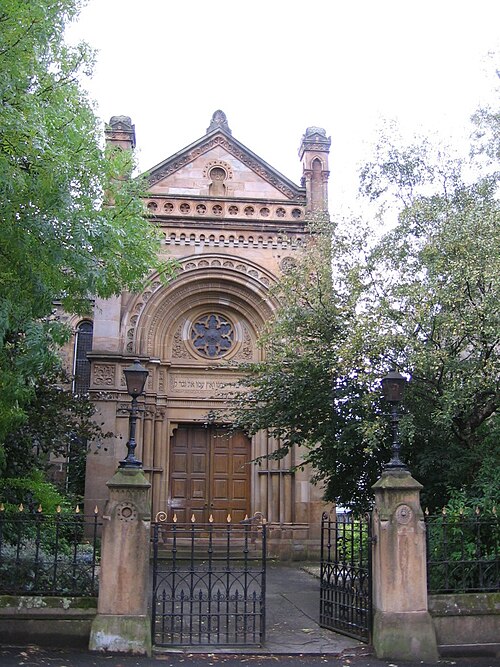
Garnethill Synagogue is a historic Jewish place of worship in Glasgow’s Garnethill district, close to the city centre. It is recognised as the oldest surviving synagogue in Scotland and remains connected with the city’s Jewish community.
Queen's Park
Queen’s Park is a large public park on Glasgow’s south side, set on elevated ground among the residential neighbourhoods south of the city centre.
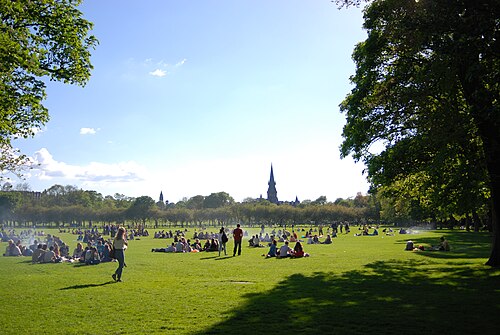
The Meadows is a large public park in Edinburgh, Scotland, situated south of the city centre. This open green space serves as a recreational area for residents and visitors alike.
Castlehill Fort
Castlehill Roman fort, also known locally as Castlehill Fort, is an archaeological site in Glasgow connected with Roman military activity in Scotland. It forms part of the wider network of Roman installations created during campaigns in northern Britain.
St Mary's Church
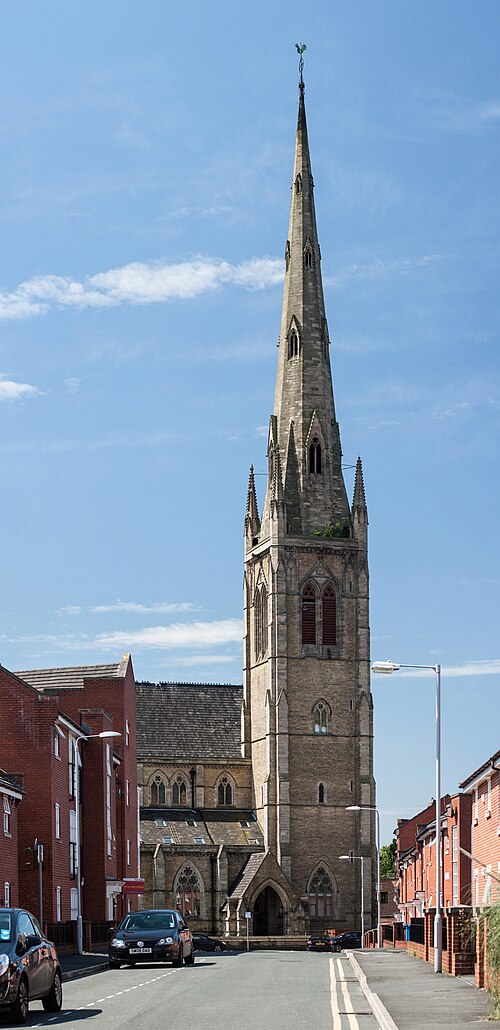
The Church of St Mary, Hulme is an active Church of England parish church in Hulme, south of Manchester city centre. It is a place of worship and a neighbourhood landmark rather than a museum built around a visitor route.
Cramond Brig
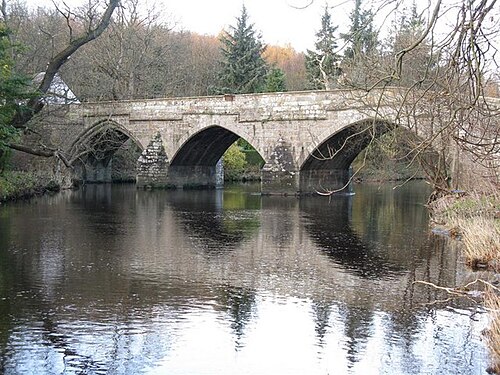
Cramond Old Bridge, also called Cramond Brig, is a historic stone crossing over the River Almond in northwest Edinburgh. It links the village of Cramond with the surrounding riverside and estate landscape.
Ten to fourteen days can cover four or five days in London, two in Manchester, and two or three each in Edinburgh and Glasgow. The Highlands, Lake District, or Welsh national parks need dedicated nights and should not be squeezed into London day trips.
UK document rules depend on nationality and trip purpose, and many visitors now need an Electronic Travel Authorisation before boarding. Check the linked UK government visa service for both visa and ETA status shortly before travel.
Intercity rail is the practical spine between London, Manchester, Edinburgh, and Glasgow, with advance fares usually distinct from flexible tickets. Each city runs its own local fare system, so London's contactless cap is not a nationwide travel pass.
May to June and September are useful planning windows for this route, but conditions vary between southern England and Scotland. Festival dates in Edinburgh and rural transport in national parks can matter more than the national seasonal label.
The United Kingdom uses pound sterling (GBP). Contactless payment is widespread in major cities, but keep another payment method for rural services or terminals that do not share London's payment arrangements.
Use 999 or 112 for emergencies in the United Kingdom. Type G sockets supply 230 V, and mains tap water is recorded as safe; save rail disruption information as well when the itinerary depends on several city-to-city journeys.