
29 min walk
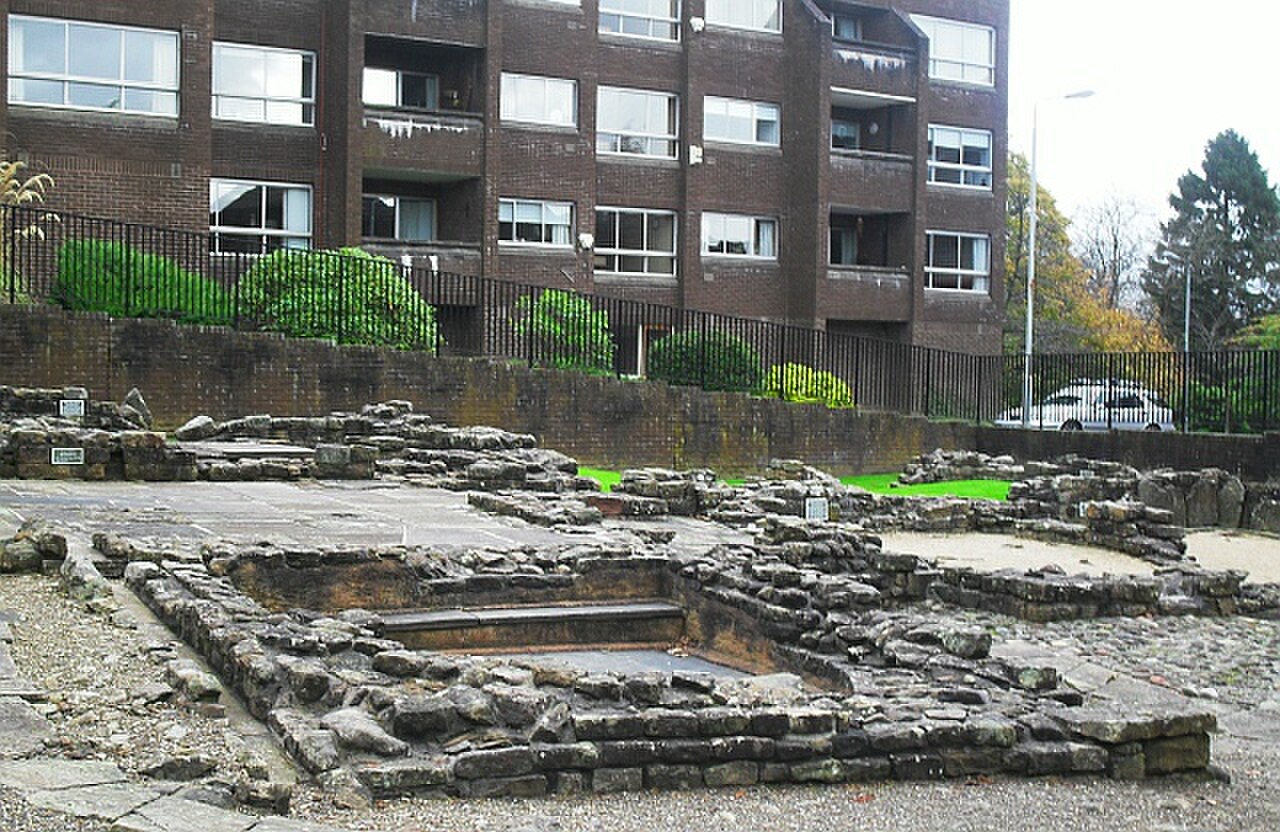
Bearsden Roman Bath House
- Must see · Heritage site
- Historic monument
Historic monument · Glasgow
Castlehill Fort
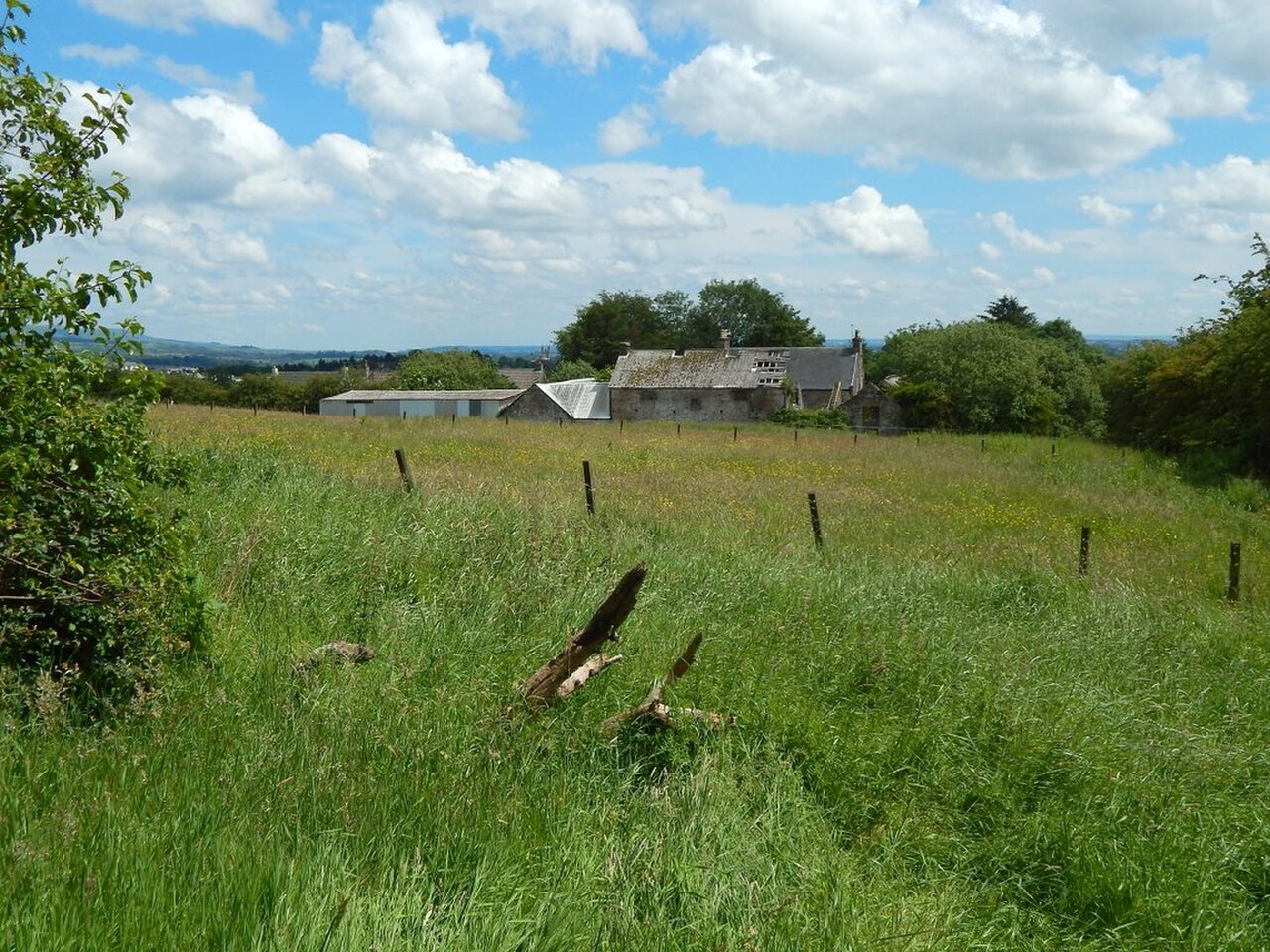
Castlehill Roman fort, also known locally as Castlehill Fort, is an archaeological site in Glasgow connected with Roman military activity in Scotland. It forms part of the wider network of Roman installations created during campaigns in northern Britain. The place is most rewarding for travellers interested in frontier history, military geography and the relationship between an ancient fortification and the surrounding Glasgow landscape. Expect an archaeological setting rather than a fully reconstructed monument, with the experience centred on reading the terrain and imagining the fort within its historical context. Visitors should expect self-directed exploration.
Checked 2026-08-26 · Source
Castlehill contains archaeological remains associated with a Roman fortification. Some features may survive below ground or as low earthworks, including traces connected with the fort's defensive perimeter and internal arrangement. The original complex would have supported military life through spaces for accommodation, administration and storage, although the visitor experience focuses on the surviving archaeological setting rather than complete buildings. There is limited modern presentation at the site, so travellers gain most from observing changes in ground level, considering the fort's position and bringing an interest in how archaeologists interpret fragmentary remains.
Checked 2026-08-26 · Source
Allow around thirty minutes to one hour for a straightforward visit to Castlehill Roman fort. That gives time to walk around the archaeological area, inspect visible earthworks and take in the setting. Travellers with a strong interest in Roman Scotland may stay longer to study the landscape and consider how the fort fitted into the wider frontier network. Because the site has limited above-ground structure and little visitor infrastructure, the length of the visit depends mainly on personal curiosity. It also works well as a short history-focused stop within a broader Glasgow day.
Checked 2026-08-26 · Source
Daylight is the most useful time for visiting Castlehill Roman fort, since the archaeological interest lies in subtle ground features and the site's open setting. Longer summer daylight can make it easier to examine changes in elevation, while wet weather may soften or obscure those details and make the terrain less comfortable underfoot. Choose a period with enough light for careful observation and allow for Glasgow's changeable weather. The site suits travellers who want a quiet outdoor history stop rather than a scheduled programme or indoor exhibition.
Checked 2026-08-26 · Source
Castlehill Roman fort is presented in the supplied guide as an archaeological monument without a listed ticketing arrangement. Plan the visit as a self-directed outdoor experience and keep your practical budget focused on reaching the Glasgow area and any food or drink needed during the day. The attraction's value comes from its historical setting and surviving traces, not from a ticketed exhibition or reconstructed interior. Since there is no displayed charge in the guide, do not build the visit around a particular admission price or booking process.
Checked 2026-08-26 · Source
Castlehill Roman fort is within Glasgow's urban area, so the visit can be combined with other city stops. Reach the surrounding area through Glasgow's public transport network, then expect some walking between the nearest practical stop and the archaeological site. Driving uses local urban roads, while parking conditions belong to the surrounding neighbourhood rather than to a dedicated attraction car park. Cycling can also suit travellers comfortable with city routes. Use the mapped location as your navigation point and leave enough time for the final approach on foot.
Checked 2026-08-26 · Source
Treat Castlehill Roman fort as an outdoor archaeological site with uneven ground and exposure to Glasgow weather. Wear footwear that remains comfortable on irregular terrain, and take care around shallow depressions or features that may be difficult to see. There is no described staffed visitor facility, so carry what you need for a short independent stop. Stay on appropriate routes, respect neighbouring land and leave archaeological material in place. Dog walkers and cyclists may share nearby access areas, so remain aware of other users while exploring.
Checked 2026-08-26 · Source
Castlehill Roman fort photographs work best when they explain the landscape rather than search for tall ruins. Use wide views to show the setting and frame subtle earthworks against the surrounding city. Low sunlight can bring out small changes in elevation through shadow, while soft or wet conditions may reduce contrast. Detail images of ground contours can complement broader views. The place has documentary and historical appeal, so thoughtful compositions that reveal the terrain are more effective than conventional landmark portraits. Respect any local restrictions on aerial equipment.
Checked 2026-08-26 · Source
It is an archaeological site representing Roman military presence in Scotland and forming part of the wider network of Roman installations in northern Britain.
Visitors can examine archaeological remains, subtle earthworks and the fort's setting. The experience focuses on interpreting the terrain rather than viewing complete reconstructed buildings.
Allow around thirty minutes to one hour for a general visit, with extra time available for travellers studying Roman military geography and the surrounding landscape.
Daylight is most useful because the archaeological features are subtle. Longer summer daylight can help visitors observe changes in ground level and understand the site's setting.
It offers a self-directed outdoor history experience centred on authentic archaeological context, Roman frontier history and the relationship between the fort and Glasgow's landscape.
Wear comfortable footwear suitable for uneven outdoor ground and bring clothing appropriate for Glasgow's changeable weather while examining the archaeological setting.
Loading the interactive map…
The interactive map could not be loaded.
Last updated:
Source: OpenStreetMap contributors, Wikidata ·