
15 min walk
Antonine Wall
- Must see
- Historic monument
Language · 11 published
Historic monument · Glasgow
Roman Bath House
Reviewed by Elena Voss · Roavina Travel Editor
This place is a Archaeological site. It carries the scheduled monument heritage designation.
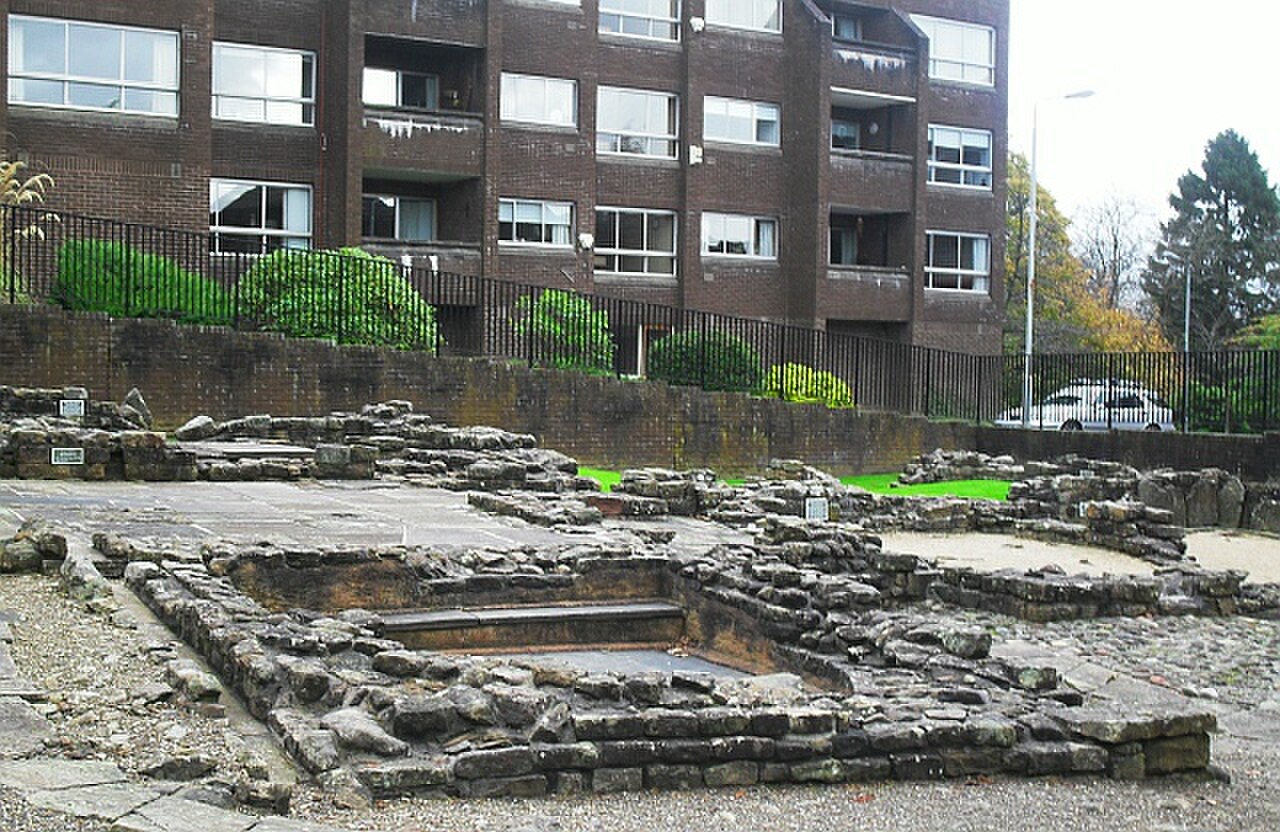
The Bearsden Roman Bath House is an archaeological site in Glasgow, Scotland, preserving remains of a Roman bathing complex associated with the Antonine Wall frontier system. The structure dates to the Roman occupation of Britain and offers tangible connection to second-century military life. Situated in the Bearsden suburb, the site represents one of Scotland's accessible Roman remnants. Visitors encounter foundations and lower walls rather than reconstructed architecture. The bath house served the Roman fort at Bearsden, supporting troops stationed along this northernmost Roman frontier. Its survival through modern urban development makes it significant for understanding Roman infrastructure and daily routines in Scotland's central belt.
Checked 2026-08-26
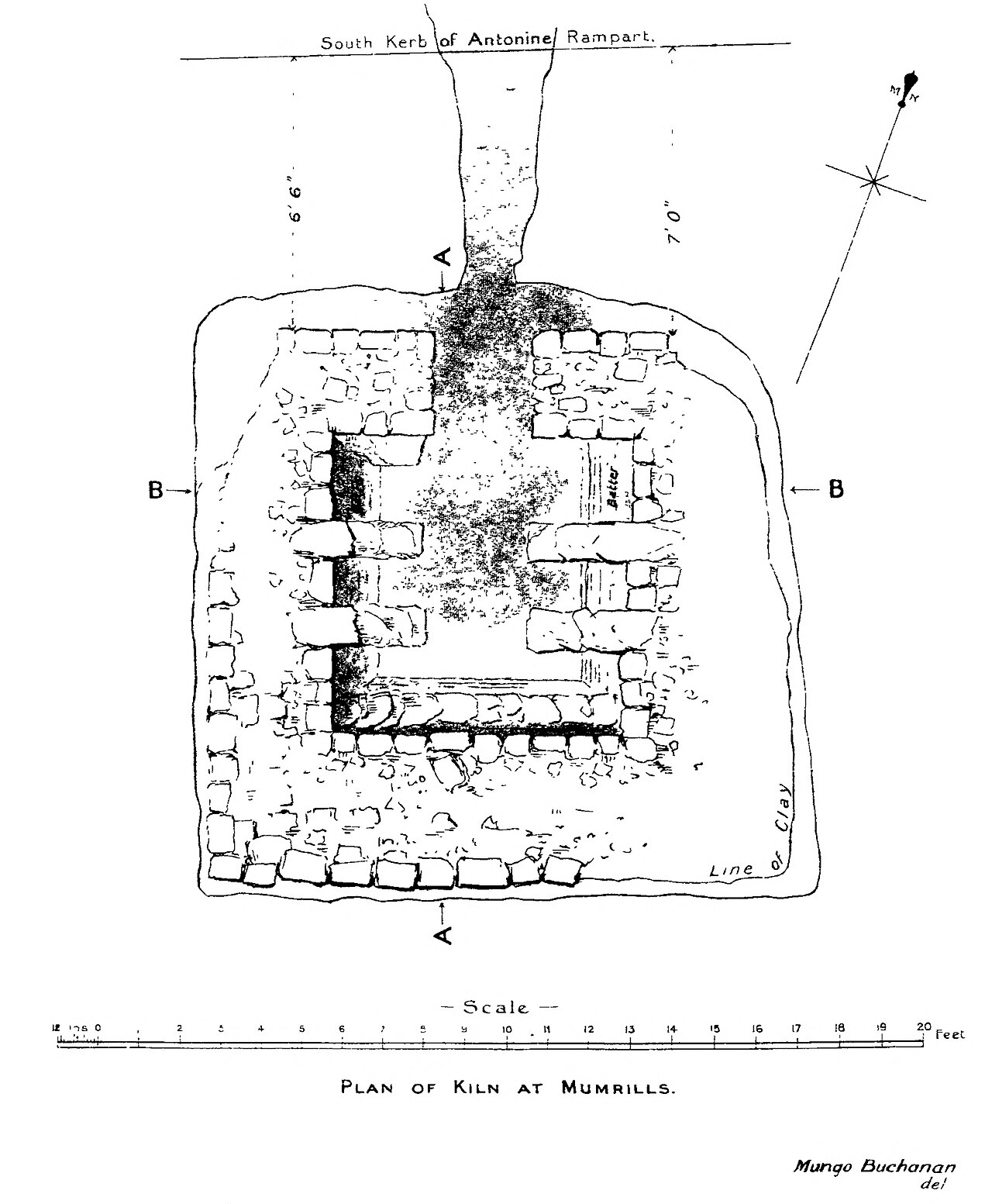
The site exposes stone foundations outlining the Roman bath house layout, including rooms for cold, warm, and hot bathing sequences typical of Roman thermae. Interpretive signage explains room functions and heating systems. No roofed structures or complete walls remain standing. The hypocaust underfloor heating system is partially visible in foundation patterns. Visitors walk on graveled paths around exposed remains. No museum building, visitor center, or artifact displays occupy the immediate site. The surrounding area includes residential streets and local amenities. Information panels provide historical context about the Antonine Wall and Roman military presence. The experience emphasizes archaeological authenticity over reconstructed spectacle.
Checked 2026-08-26
Most visitors spend thirty to sixty minutes examining the exposed foundations and reading interpretive materials. The compact site requires minimal walking distance. Photography and careful observation of stonework details extend typical duration. No guided tours or audio programs operate on-site to lengthen visits. Combined travel from Glasgow city center adds substantial time to the overall excursion. Visitors with deep interest in Roman archaeology may linger longer analyzing construction techniques. Families with children often complete circuits more quickly. The experience suits brief stops rather than half-day dedications. Pairing with other Glasgow attractions creates more substantial outing. Weather conditions influence comfortable visiting duration significantly.
Checked 2026-08-26
The Bearsden Roman Bath House occupies an outdoor archaeological site without enclosed facilities. The site likely remains accessible during daylight hours as an unmanned monument. Seasonal considerations affect visitor comfort substantially. Scottish weather brings frequent rainfall year-round, making waterproof footwear advisable for navigating graveled surfaces around foundations. Summer months offer longer daylight and generally milder conditions. Winter visits face reduced daylight hours and potentially muddy ground conditions. No lighting illuminates remains after dark. Visitors should verify current access conditions through official channels before traveling, as maintenance activities or unforeseen circumstances may restrict entry without advance public notification. Check the operator's own site for the travel date before relying on a schedule or fare.
Checked 2026-08-26
The Bearsden Roman Bath House appears to operate as a free-access archaeological monument without admission controls. No ticket booths, payment stations, or staffed entry points are evident at the site. Historic Environment Scotland manages numerous Scottish monuments with varying fee structures, though many smaller sites remain complimentary. Visitors should not expect facilities typically associated with paid attractions such as restrooms, shops, or cafés. Any future changes to access arrangements would likely appear on official heritage organization websites. Budget-conscious travelers appreciate no-cost cultural experiences, though this also means no visitor services beyond basic interpretation panels. Check the operator's own site for the travel date before relying on a schedule or fare.
Checked 2026-08-26
Bearsden sits northwest of Glasgow city center, accessible by train from Glasgow Queen Street to Bearsden station with subsequent walking required. Local bus services connect through suburban routes. Private vehicle travel involves navigating residential streets with limited dedicated parking near the archaeological site. The journey from central Glasgow typically requires thirty to fifty minutes depending on transport mode and connections. Walking from Bearsden station takes approximately fifteen minutes through suburban neighborhoods. Cycling represents viable option following local road network. Visitors should consult current public transport timetables as services vary by day and season. Return journey planning prevents extended waits at this non-central location.
Checked 2026-08-26
The exposed archaeological remains present uneven stone surfaces and gravel that may challenge visitors with mobility limitations. No handrails, ramps, or modified pathways accommodate wheelchairs or strollers comfortably. Weather creates slippery conditions requiring appropriate footwear. The unmanned site offers no staff assistance, first aid facilities, or emergency communications. Neighborhood context means respecting residential privacy while accessing the monument. No shelter protects visitors from rain or strong sunlight during examination of remains. Dog walkers and local residents share the informal space. Limited lighting precludes safe evening visitation. Visitors should carry water and necessities as no provisions exist nearby. Mobile phone coverage may vary in this suburban setting.
Checked 2026-08-26
Photography of the Bearsden Roman Bath House appears unrestricted for personal visitor use. The exposed foundations and low walls suit detail shots of Roman stonework and construction patterns. Overhead perspectives remain impossible without drone equipment, which would require appropriate permissions. The intimate scale challenges photographers seeking dramatic compositions. Overcast Scottish skies provide diffused lighting reducing harsh shadows on stone surfaces. Morning and afternoon angles highlight different wall textures. No interior spaces or roofed areas create lighting complications. Interpretive panels may appear in wider shots establishing context. Tripod use seems feasible given low visitor numbers though narrow paths limit positioning options. Respect for neighboring properties bounds composition choices.
Checked 2026-08-26
No. The site preserves exposed archaeological foundations and lower walls only. No roofed structures or reconstructed buildings exist. Visitors see authentic Roman stonework in its excavated state with interpretation panels explaining original room functions.
No guided tours operate at this unmanned suburban site. Visitors self-guide using on-site interpretation panels. No audio programs or scheduled staff presentations are available.
Visitors walk around exposed foundations on graveled paths. The remains consist of low stone walls without roofs or floors suitable for entering. The experience emphasizes viewing rather than entering reconstructed spaces.
Children interested in archaeology may engage with visible foundations and interpretation. However, no interactive elements, play areas, or shelter exist. Uneven surfaces require supervision. The educational value depends on individual child interest in historical remains.
No restroom facilities exist at this unmanned archaeological site. Visitors must use facilities before arriving or seek amenities in surrounding Bearsden neighborhood.
The bath house served the Roman fort at Bearsden, one of multiple installations along the Antonine Wall frontier. The wall represented Rome's northernmost British frontier in the second century. The bath house demonstrates infrastructure supporting military personnel stationed along this defensive line.
Loading the interactive map…
The interactive map could not be loaded.
Last updated:
Source: OpenStreetMap contributors, Wikidata ·