
.jpg)
.jpg)


36 min walk
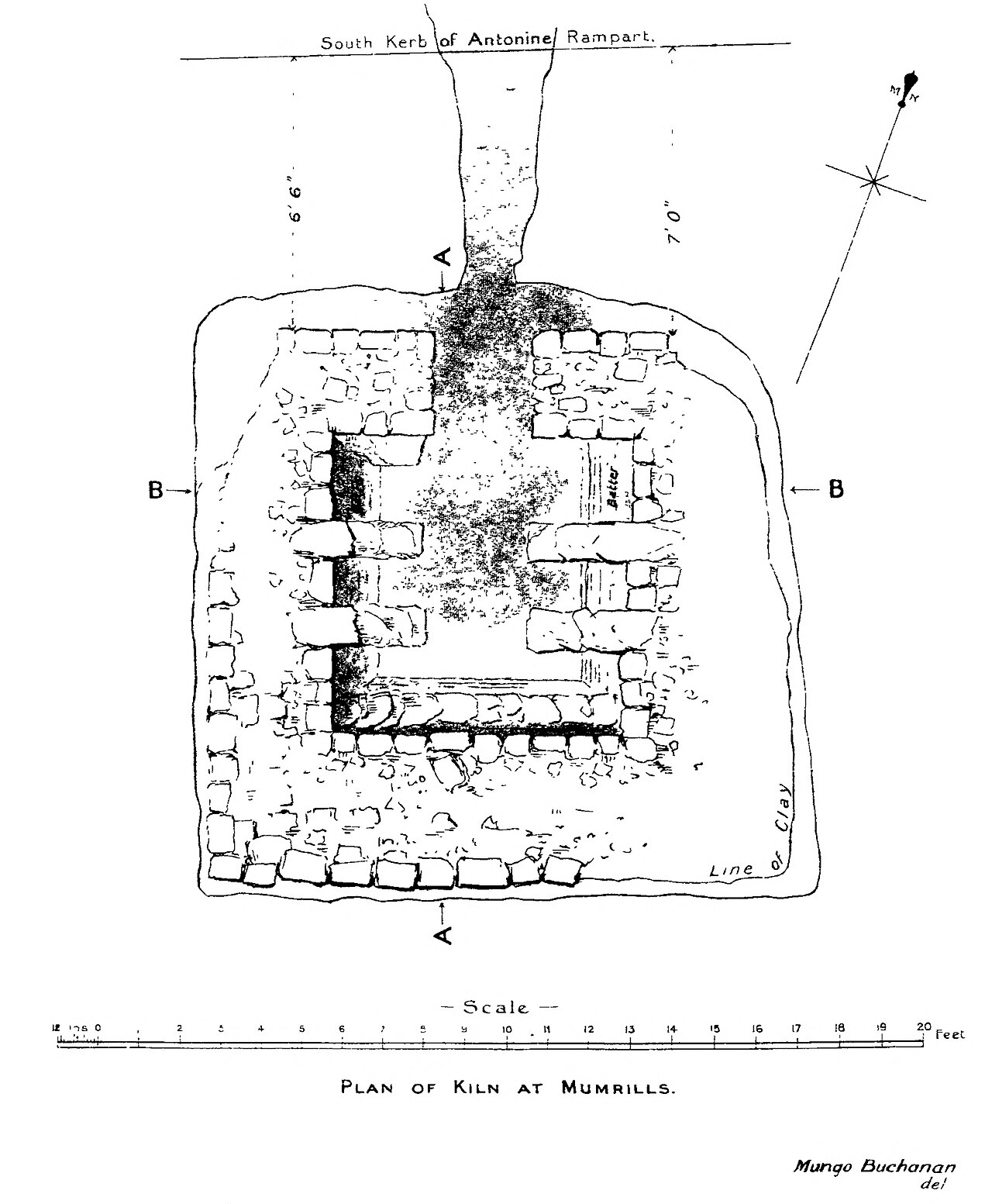
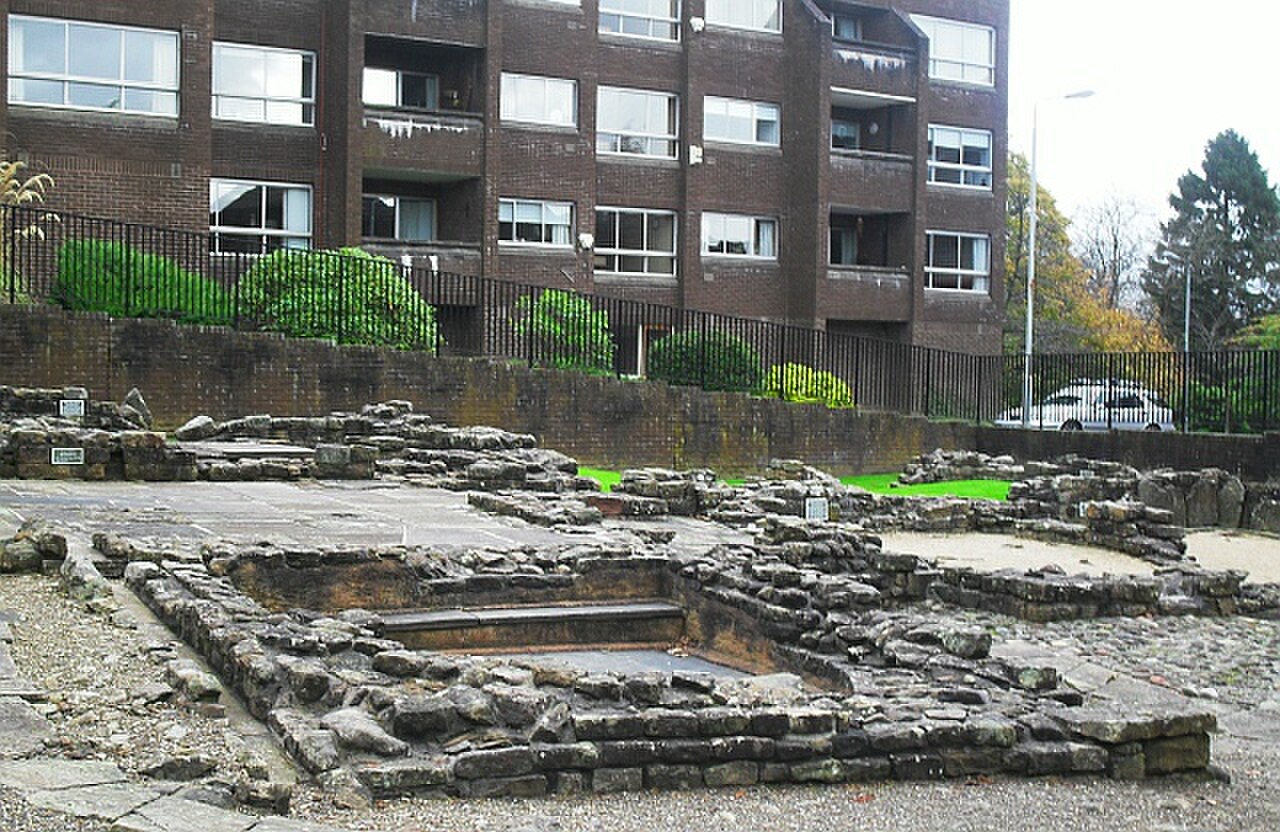
Antonine Wall
- Must see
- Historic monument
Language · 11 published
Nature site · Glasgow
Dawsholm Park Local Nature Reserve
Reviewed by Elena Voss · Roavina Travel Editor
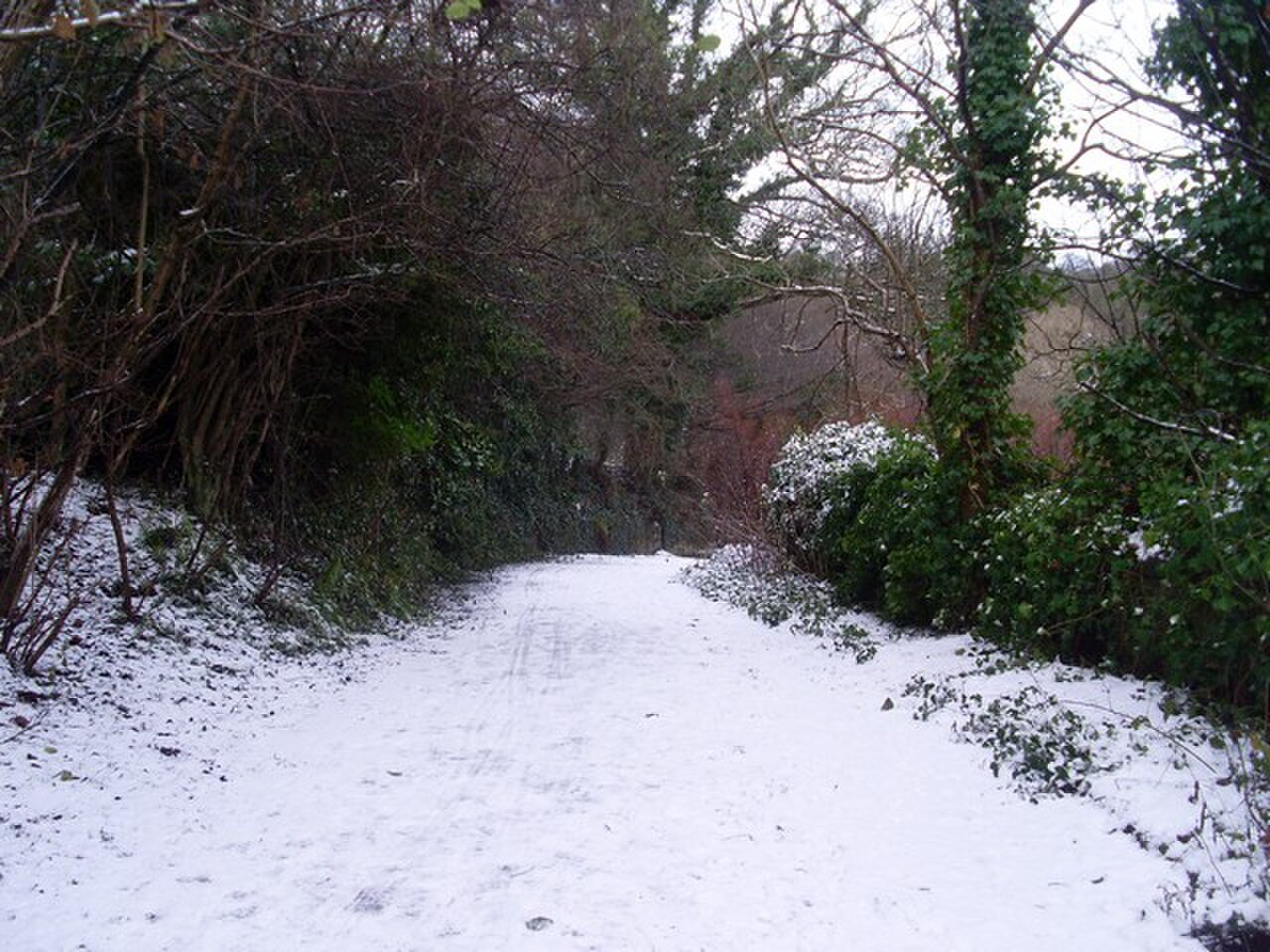
This place is a Nature reserve. It is run by Glasgow City Council.
Dawsholm Park Local Nature Reserve is a public green space in Glasgow, Scotland. It forms part of the city's network of parks and natural areas, providing accessible countryside experience within an urban setting. The park occupies a position in the northwest of Glasgow and contributes to the city's reputation for substantial parkland. As a Local Nature Reserve, it carries designation indicating recognition of its wildlife and habitat value. The site represents typical Victorian-era municipal park development that characterises much of Glasgow's public realm.
Checked 2026-08-26
The park contains mixed woodland, open grassland, and water features characteristic of a local nature reserve. Vegetation includes established tree cover and undergrowth supporting urban wildlife populations. Paths traverse the terrain, allowing pedestrian access through varied landscapes. The Kelvin River flows in proximity, contributing to the riparian character of the surrounding area. Natural features dominate the interior, with minimal built structures. The reserve status implies management for biodiversity conservation alongside public recreation. Seasonal changes affect visible flora and fauna. Visitors should expect an environment prioritising natural habitat over formal garden design.
Checked 2026-08-26

Visit duration depends on individual interests and walking pace. Casual walkers exploring main paths might complete a circuit in under one hour. Those seeking wildlife observation or extended walking could reasonably spend two hours or more. The park's scale permits brief visits for local residents exercising or walking dogs. Photography enthusiasts or naturalists may prefer longer stays to observe changing conditions. No fixed itinerary exists. Visitors should assess their own objectives and physical capacity. Weather conditions significantly affect comfortable duration, particularly given exposed areas and potentially muddy paths after rainfall.
Checked 2026-08-26

Seasonal variation affects the park's character, with spring and summer offering fuller vegetation and more active wildlife. Autumn provides changing leaf colours in wooded sections. Winter visits remain possible though daylight hours contract and paths may become challenging. Weather conditions in Glasgow are frequently changeable and wet, requiring appropriate preparation. Visitors should verify current access arrangements through official Glasgow City Council channels before travelling. Dawn and dusk periods may offer enhanced wildlife sighting opportunities for patient observers, though personal safety considerations apply in low-light conditions. Check the operator's own site for the travel date before relying on a schedule or fare.
Checked 2026-08-26
Dawsholm Park appears to function as free public access space, consistent with Glasgow's municipal park provision. No admission charges are indicated in available information. Visitors should not assume payment requirements without verification. Any future changes to access arrangements would require public notification through Glasgow City Council. Commercial activities within the park, should any exist, might operate independently. Visitors engaging organised events should confirm any associated costs directly with organisers. Standard public park regulations regarding behaviour and dog control likely apply and may incur penalties for non-compliance. Check the operator's own site for the travel date before relying on a schedule or fare.
Checked 2026-08-26
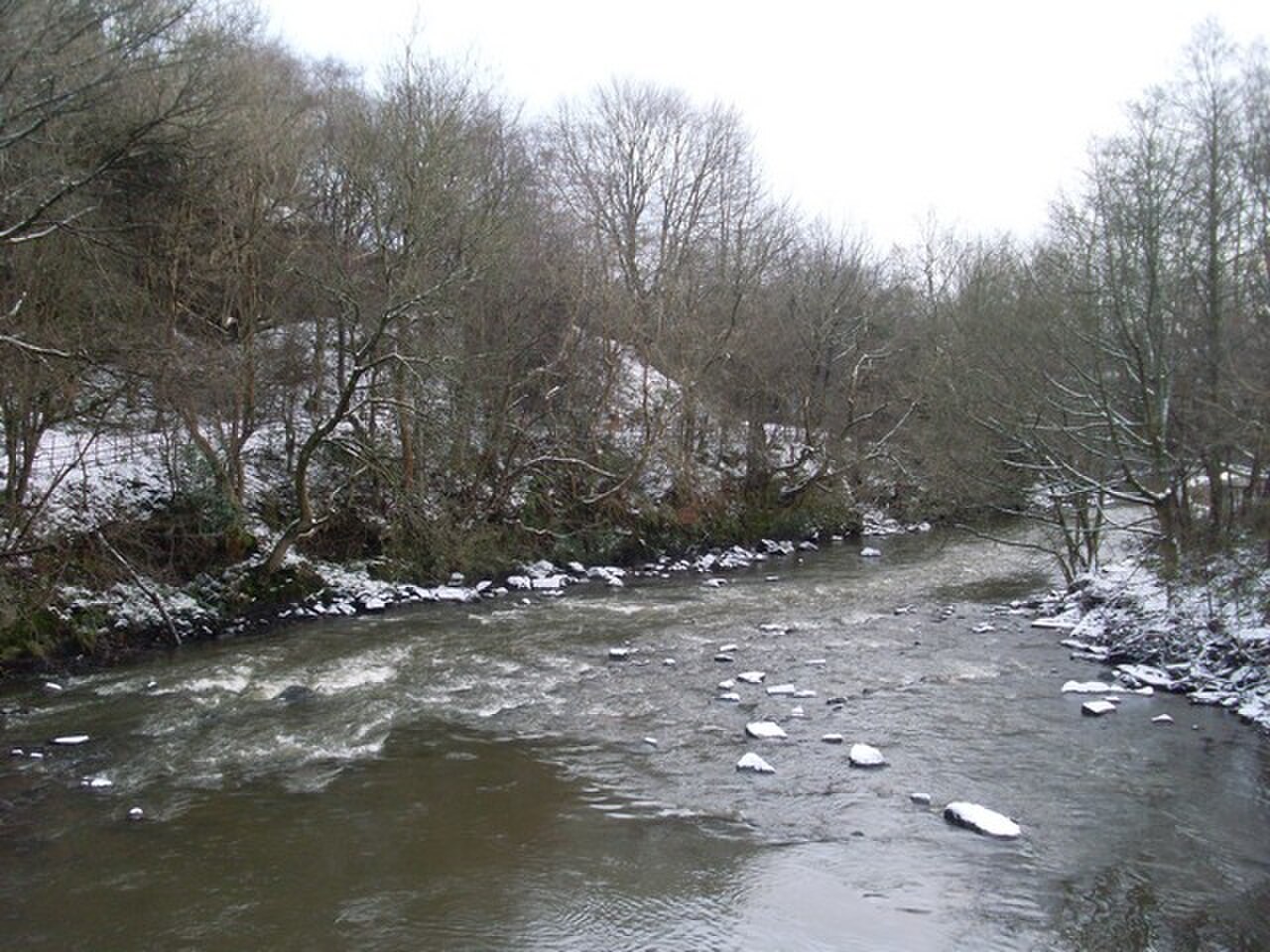
Dawsholm Park occupies northwest Glasgow, accessible by road and public transport. The surrounding area includes residential streets where parking may be available, though restrictions should be observed. Bus services operate in the general area with stops requiring onward walking. The nearest railway stations are not immediately adjacent, necessitating connection by other means. Cycling routes may serve the park periphery. Glasgow's urban transport network provides multiple approach options from the city centre and suburbs. Visitors should consult current transport timetables and mapping services for precise routing, as services undergo periodic modification. Walking from nearby neighbourhoods represents the most common access method for local users.
Checked 2026-08-26

Natural hazards include uneven ground, tree roots, and potentially slippery surfaces especially after rain. Water features present drowning risks, particularly for unsupervised children. Isolated areas may reduce visibility and personal security; visitors should consider companionship and time of visit. Dog waste requires responsible disposal. Wildlife should be observed without disturbance or feeding. Seasonal tick presence in vegetation poses potential health concerns in Scottish countryside. Weather can deteriorate rapidly; appropriate clothing and footwear are essential. Path lighting is unlikely, making navigation challenging after dark. Mobile telephone coverage may be variable in wooded or low-lying sections of the park.
Checked 2026-08-26

The park offers natural landscape photography opportunities including woodland scenes, water features, and seasonal botanical changes. Wildlife photography requires patience and appropriate equipment given shy animal behaviour. Overcast conditions common in Glasgow provide diffused lighting favourable for certain subjects without harsh shadows. Early morning may yield atmospheric conditions and active wildlife. Tripod use on uneven terrain requires stability awareness. No commercial photography restrictions are documented, though professional activity may require council permission. Drone operation falls under separate regulatory frameworks and local authority controls. Visitors should respect other park users' privacy and avoid obstructing paths while photographing. Weather protection for equipment is advisable.
Checked 2026-08-26
Not recorded. Path surfaces and gradients vary across natural terrain. Visitors requiring level access should inspect current conditions personally or seek updated accessibility information from Glasgow City Council before visiting.
Not recorded. Public conveniences in municipal parks are subject to maintenance schedules and budget decisions. Visitors should plan accordingly and verify current provision through official channels.
Not recorded. Open flame restrictions commonly apply in public parks during dry periods. Visitors should observe any posted regulations and exercise caution with fire risks in wooded areas.
Not recorded. Natural parks typically lack lighting and present increased personal security considerations after nightfall. Visitors should exercise individual judgement regarding timing and companionship.
Not recorded. Standard Glasgow park regulations likely apply with designated control requirements. Visitors should observe local signage and maintain responsible animal management at all times.
Not recorded. Local nature reserves occasionally accommodate guided walks or conservation activities. Visitors should consult Glasgow City Council communications for any scheduled programming.
Loading the interactive map…
The interactive map could not be loaded.
Last updated:
Source: OpenStreetMap contributors, Wikidata ·