
11 min walk
Makapuu Beach Park
- Must see
- Nature site
Language · 11 published
Viewpoint · Honolulu
Makapuʻu Point
Reviewed by Elena Voss · Roavina Travel Editor
| Monday | 07:00 – 19:45 |
|---|---|
| Tuesday | 07:00 – 19:45 |
| Wednesday | 07:00 – 19:45 |
| Thursday | 07:00 – 19:45 |
| Friday | 07:00 – 19:45 |
| Saturday | 07:00 – 19:45 |
| Sunday | 07:00 – 19:45 |
Checked 2026-08-31 · Source
Read from the OpenStreetMap access tags; anything not listed has no tag recorded.
Set the group type to family in the planner and the day window contracts to about three quarters of a solo day.
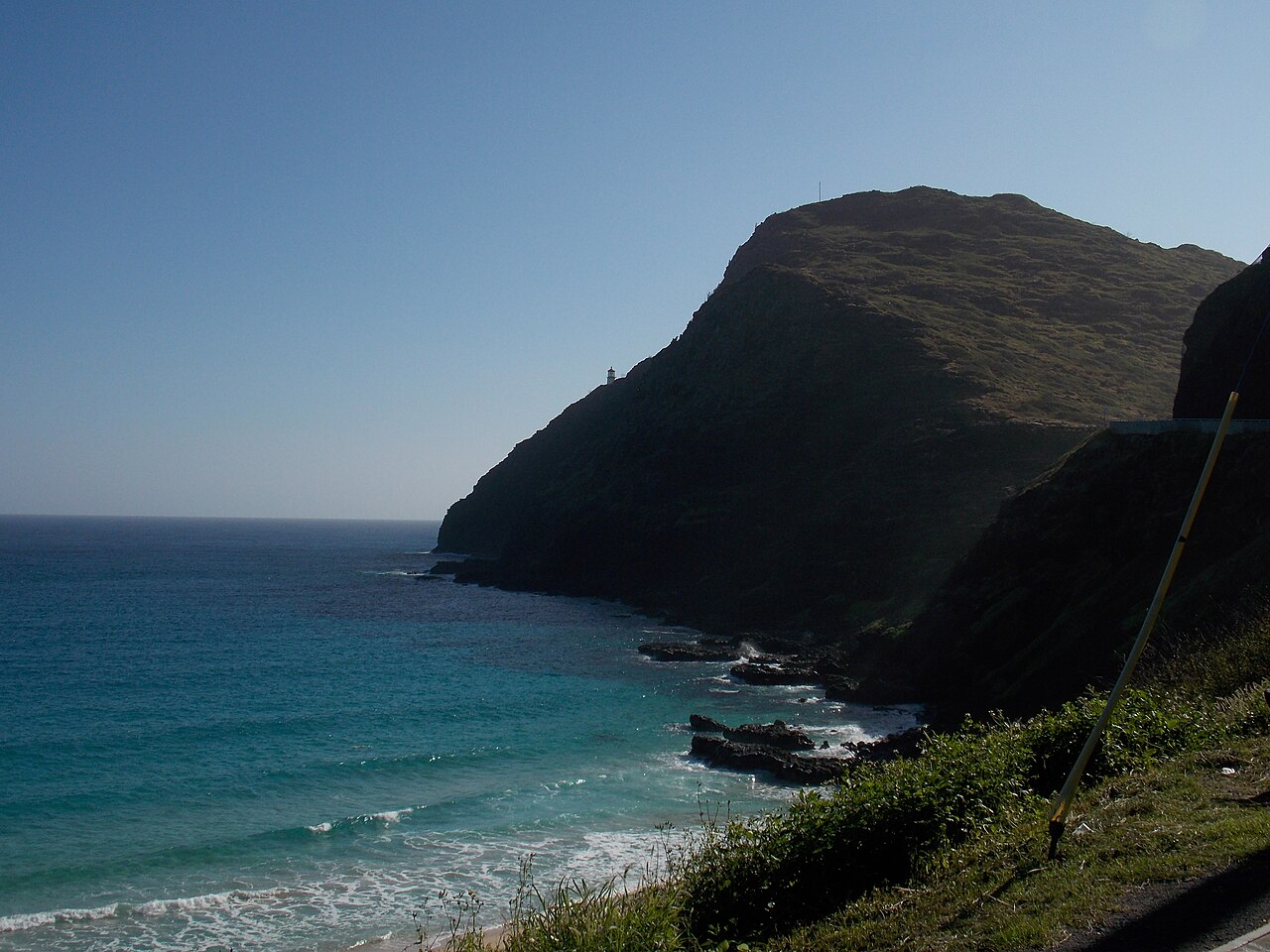
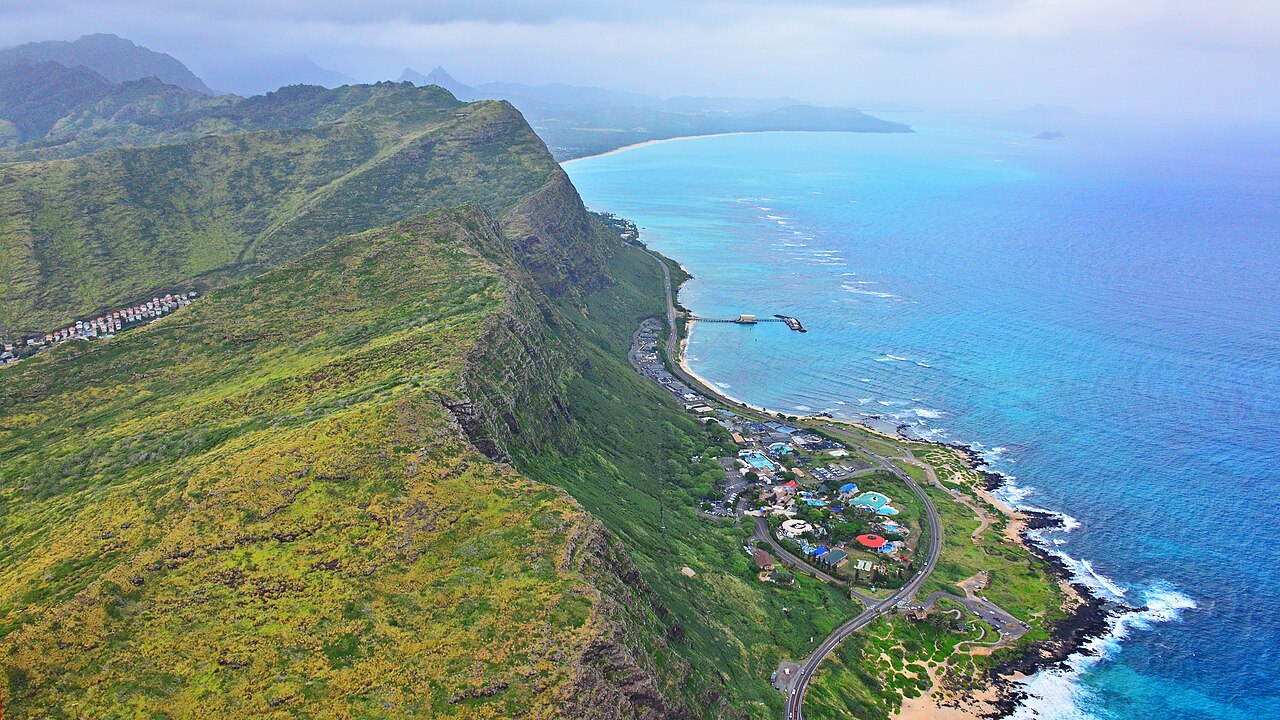
Makapuʻu Point is the easternmost point of the island of Oʻahu in the Hawaiian Islands. The Makapuʻu Point Lighthouse Trail is a paved coastal hiking route leading to the vicinity of the Makapuʻu Point Light, an active United States Coast Guard lighthouse established in 1909. The trail offers elevated ocean views across the Kaiwi Channel toward Molokaʻi and Lānaʻi. The location is known as a seasonal whale-watching vantage point, particularly for humpback whales during winter months. Daily. April 1 through Labor Day: 7:00 AM–7:45 PM. Day after Labor Day through March 31: 7:00 AM–6:45 PM.
Checked 2026-08-31 · Source
The trail surface is paved asphalt, ascending gradually along the southeastern Oʻahu coastline. Hikers pass coastal scrub vegetation and rocky cliff formations. The Makapuʻu Point Light stands at the summit area, a white cylindrical tower with a black lantern. Interpretive signage may be present along the route. The surrounding waters include the Makapuʻu tide pools area below the cliffs, though direct access is hazardous and not recommended. Summer hours of 7:00 AM–7:45 PM applied on 2026-08-31. There is no regular closure day. Kaiwi State Scenic Shoreline reopened on August 18 after the August 2026 storms, and subsequent notices through August 28 did not close it again.
Checked 2026-08-31 · Source
Visitor accounts typically describe the hike as requiring approximately one to two hours of walking time each way, depending on pace and stops for viewing. The elevation gain is moderate due to the paved, switchbacking design. Individual fitness levels and weather conditions significantly affect completion time. Photographers and wildlife observers often extend their visit duration. The return descent follows the identical paved route. Free general admission; the Hawaiʻi Division of State Parks lists no entrance fee.
Checked 2026-08-31 · Source
The trail is commonly described as open during daylight hours, though no authoritative opening or closing times, seasonal restrictions, or holiday schedules are confirmed in the provided source. Weather conditions along the exposed coastal ridge can include strong sun, wind, and occasional rain. Early morning visits may offer cooler temperatures and reduced crowding. Daily. April 1 through Labor Day: 7:00 AM–7:45 PM. Day after Labor Day through March 31: 7:00 AM–6:45 PM. The route follows a paved former lighthouse access road from the trailhead parking area to guard-railed lookouts.
Checked 2026-08-31 · Source
The trail is situated within a state-managed area. Visitors should verify current conditions independently before travel, as management policies may change without update to secondary sources. No advance reservation system is mentioned. Free general admission; the Hawaiʻi Division of State Parks lists no entrance fee. The route follows a paved former lighthouse access road from the trailhead parking area to guard-railed lookouts. The official difficulty rating is moderate, with a sustained climb and 500 feet of elevation gain over the two-mile round trip.
Checked 2026-08-31 · Source
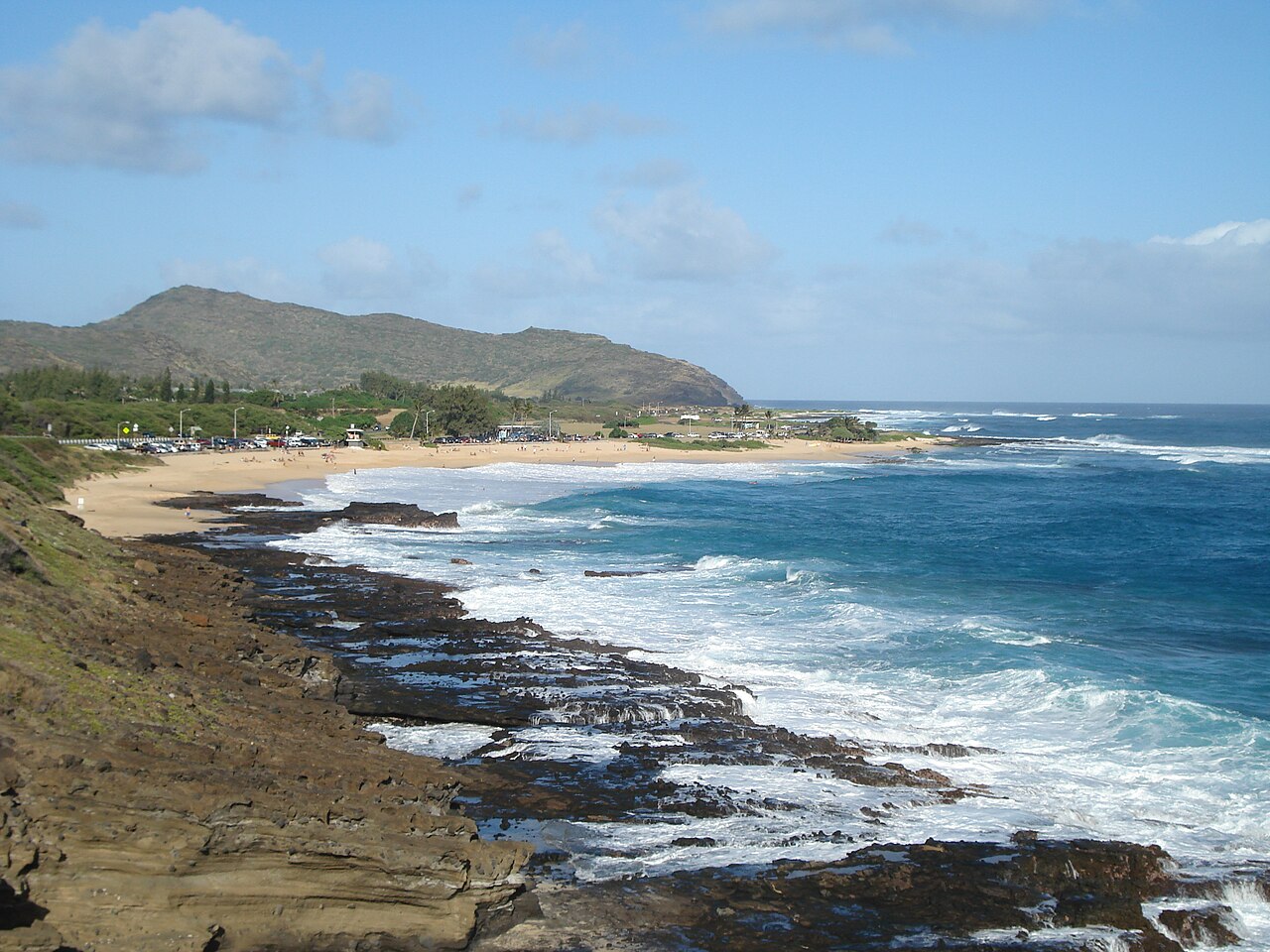
Makapuʻu Point is located on the southeastern coast of Oʻahu, near the residential community of Waimānalo and east of the Kalanianaʻole Highway. The route from Waikīkī or Honolulu involves traveling east on Kalanianaʻole Highway. The trailhead parking area is beside Kalanianaʻole Highway (Hwy 72). From Honolulu, follow H-1 east as it becomes Hwy 72, continuing beyond Hawaiʻi Kai, Hanauma Bay and Sandy Beach Park. TheBus Route 23 operates daily between Kahala Mall and Sea Life Park (Stop 186), but its official timetable does not list a stop at the trailhead; direct arrival is therefore via the Hwy 72 trailhead parking area.
Checked 2026-08-31 · Source
The paved trail lacks shade over much of its length, creating exposure risks including sunburn and heat-related concerns. No drinking water sources are confirmed; self-sufficient hydration is essential. Cliff edges adjacent to the trail present fall hazards; barriers may be incomplete. Mobile phone service may be limited. Trail conditions and safety infrastructure should be verified through current local advisories. The route follows a paved former lighthouse access road from the trailhead parking area to guard-railed lookouts. The exposed route is typically hot, sunny and windy, especially near the summit. There are no restrooms or drinking-water facilities.
Checked 2026-08-31 · Source
The elevated trail position provides panoramic coastal and ocean vistas suitable for landscape photography. The Makapuʻu Point Light offers a distinctive architectural subject, though close-up access to the structure itself is restricted. Sunrise photography may be productive given the eastern orientation. Whale photography requires appropriate telephoto equipment and favorable conditions. The harsh tropical sun creates challenging exposure conditions during midday. Wind stability affects tripod use. There are no restrooms or drinking-water facilities. The paved out-and-back route is two miles round trip. Hawaiʻi State Parks recommends allowing about two hours.
Checked 2026-08-31 · Source
The paved out-and-back route is two miles round trip. Hawaiʻi State Parks recommends allowing about two hours.
Hawaiʻi State Parks rates it moderate. The trail gains 500 feet and crosses exposed hot, dry slopes that can be windy at the summit.
No. The historic lighthouse is off-limits, although it can be viewed and photographed from the trail.
No. Kaiwi State Scenic Shoreline has neither restrooms nor drinking water, so visitors need to carry their own water.
Humpback whales may be seen from November through May, with January through March identified as the peak period.
No. The tide pools are in a closed area. Hawaiʻi State Parks warns of unpredictable wave surges and a steep, loose access route and directs visitors not to enter.
Loading the interactive map…
The interactive map could not be loaded.
Last updated:
Source: OpenStreetMap contributors, Wikidata ·