
26
1 hour
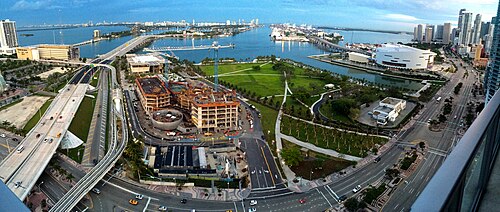
Maurice A. Ferré Park
Maurice A. Ferré Park is a bayfront public green space in downtown Miami, Florida.
- High
- Nature site
City guide · United States
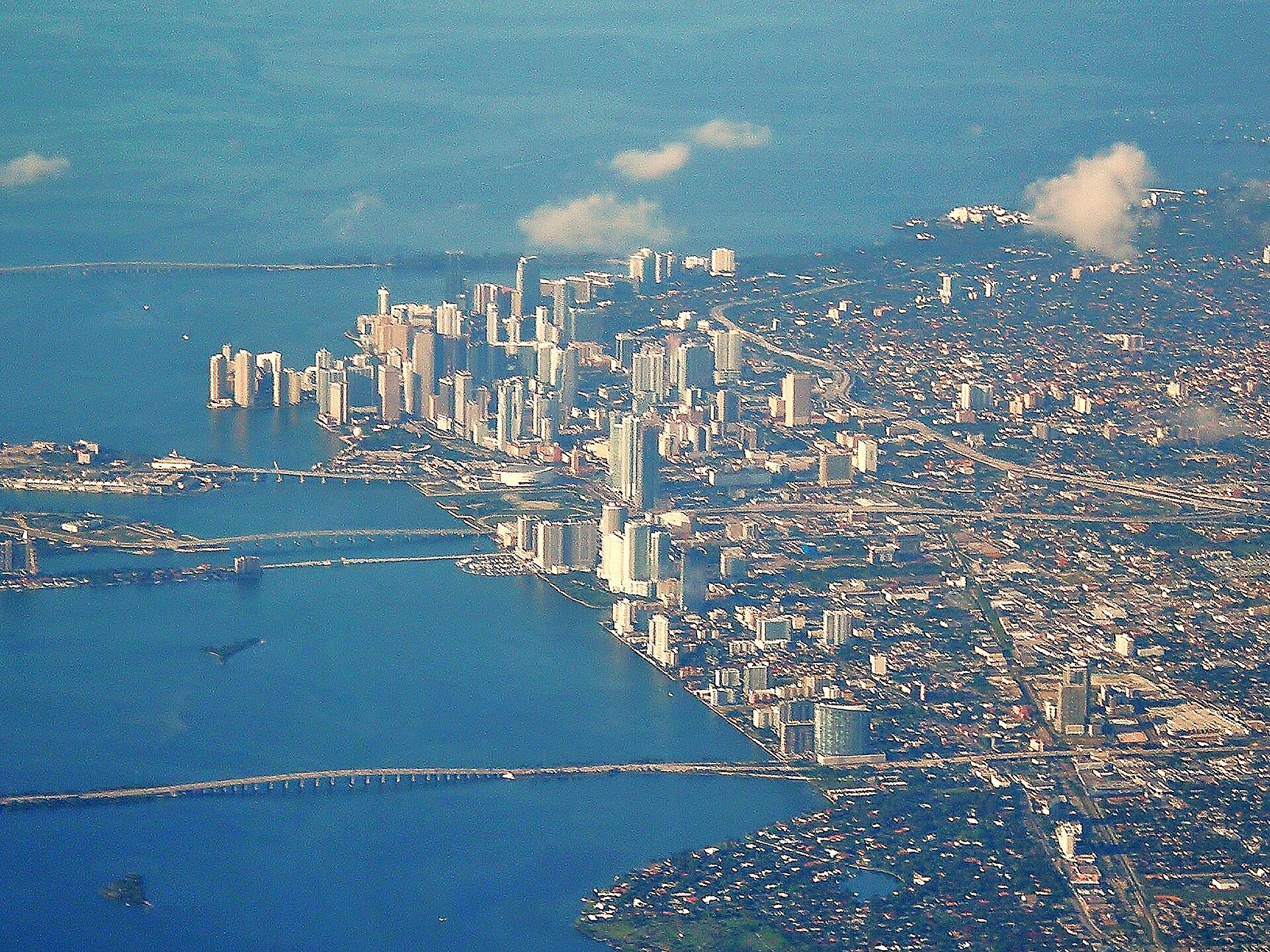
Miami is a dispersed waterfront destination rather than one compact centre. Downtown and Brickell form the urban core on Biscayne Bay; Miami Beach lies across t...
Photograph · Marc Averette · CC BY-SA 3.0
Set your days, your pace and the hours you actually want to be out. The planner works around closing days and travel time, and leaves room to eat.
Editorial responsibility: Elena Voss · Roavina Travel Editor
Miami is a dispersed waterfront destination rather than one compact centre. Downtown and Brickell form the urban core on Biscayne Bay; Miami Beach lies across the causeways, while Wynwood, the Design District, Coconut Grove, Coral Gables and Little Havana are separate districts with distinct identities. Plan by area and avoid assuming that places sharing a Miami address are within an easy walk of one another.
Checked 2026-08-26
November · November stays within the official Atlantic hurricane season through November 30, though it is beyond the main activity peak.
Ranked by importance — sitelinks, pageviews and heritage status, not editor preference.
64 places match
Category
Typical visit duration
Good for
Interests
Maurice A. Ferré Park is a bayfront public green space in downtown Miami, Florida.
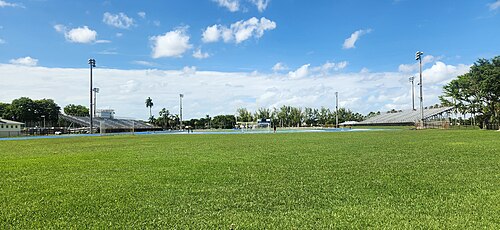
Tropical Park is a large Miami-Dade County recreation park in Miami, Florida. It is best understood as a broad outdoor destination rather than a single monument or enclosed attraction.
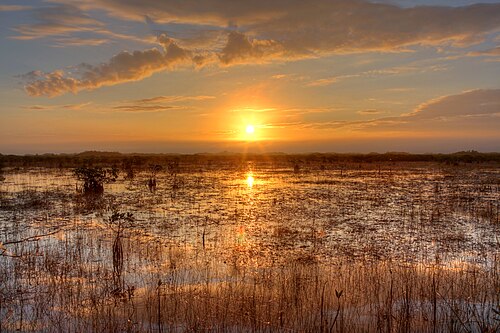
Everglades National Park is a vast subtropical wilderness at the southern end of Florida. Sawgrass marshes, mangrove forests, pine flatwoods, hardwood hammocks, and shallow waterways form a landscape shaped by seasonal water movement.
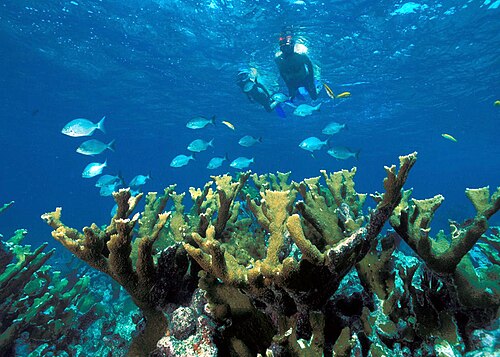
Biscayne National Park protects a predominantly marine landscape south of Miami, where aquamarine water, mangrove shoreline, coral reefs, and offshore islands meet. It includes Biscayne Bay, the coral keys, and part of the Florida Reef.
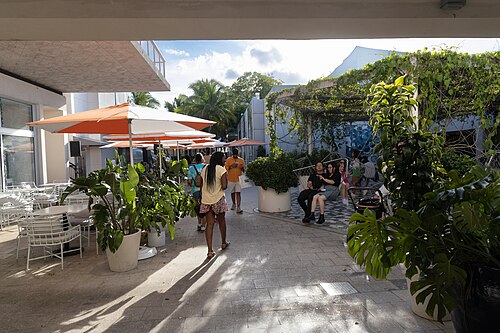
Miami Design District is a purpose-built cultural and commercial quarter north of downtown Miami, where streets, buildings, art, fashion and dining are planned as one visitor experience.
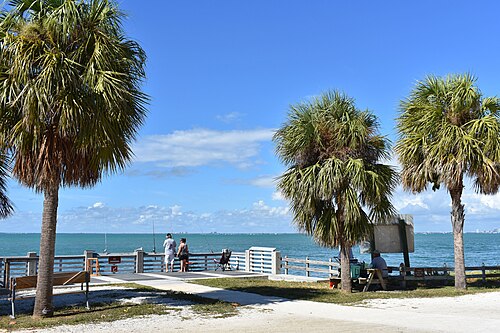
Bill Baggs Cape Florida State Park occupies the southern tip of Key Biscayne, a barrier island east of downtown Miami. The park protects approximately 400 acres of coastal landscape including beach, dunes, and mangrove shoreline.
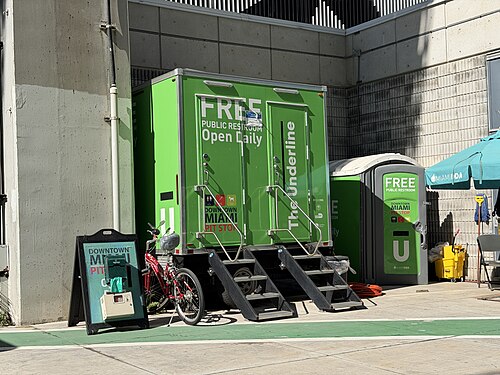
The Underline is a linear public park and trail situated beneath the Metrorail corridor in Miami. This repurposed transit corridor transforms underutilized space beneath the elevated rail line into a continuous greenway for pedestrians and cyclists.
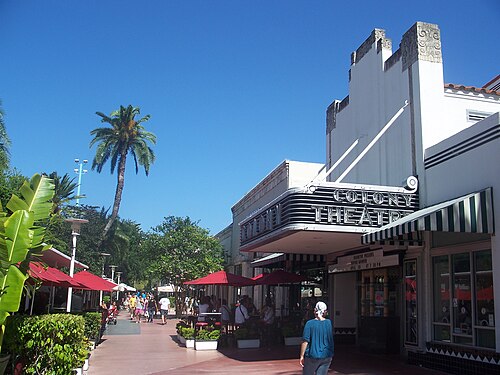
Colony Theatre / Miami New Drama
The Colony Theatre is a historic Art Deco performance venue located on Lincoln Road in Miami Beach. Established in 1935, it stands as one of South Florida's notable theatrical landmarks.
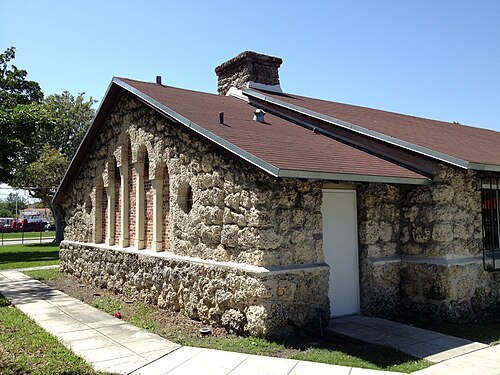
Lummus Park is a beachfront public park along Ocean Drive in Miami Beach. Its sandy shore, palm-lined promenade and open green areas form a long outdoor corridor beside the Atlantic Ocean.
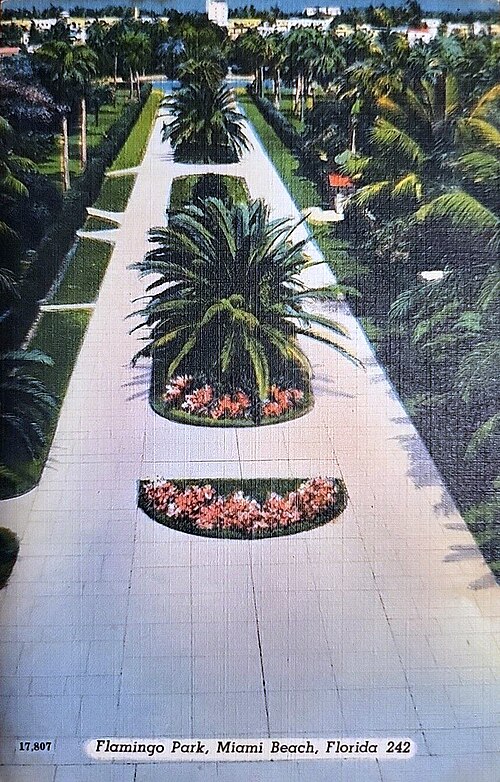
Flamingo Park is a municipal neighbourhood park in Miami Beach’s South Beach area. It provides a substantial open recreational space within one of Miami’s most built-up coastal districts.
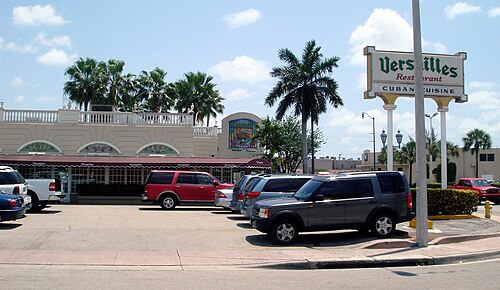
Versailles Restaurant
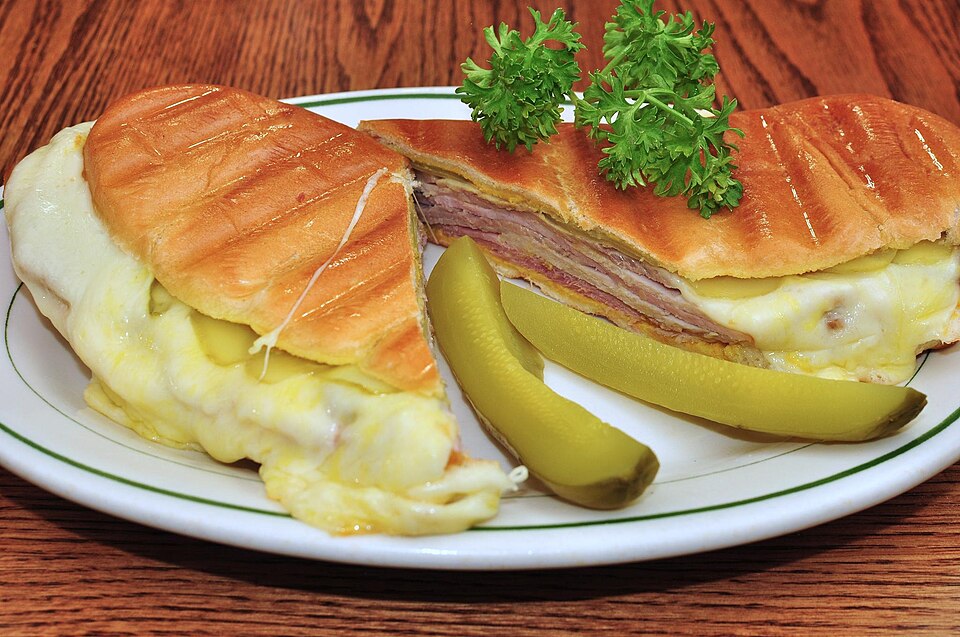
Versailles Restaurant is a celebrated Cuban restaurant on Calle Ocho in Miami’s Little Havana. It is both a dining destination and a gathering place connected with the Cuban-American community.
Hobie Island Beach is a natural coastal site in Miami, distinct from the separately named Hobie Island Beach Park. Its identity is tied to the beach itself and its shoreline setting rather than to a developed visitor complex.
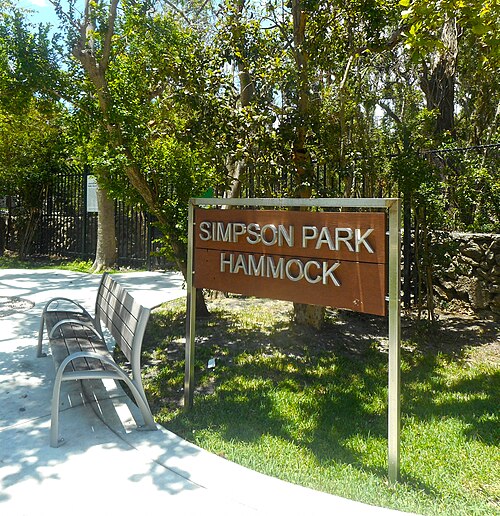
Simpson Park
Simpson Park Hammock is a rare tropical hardwood hammock preserve located in the Brickell neighborhood of Miami, Florida.
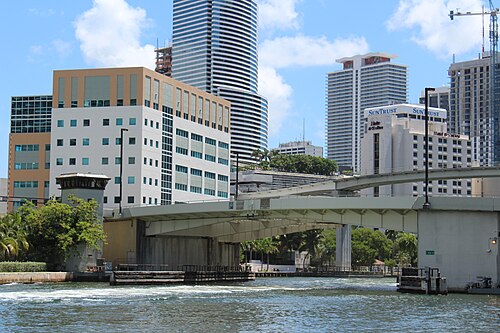
Miami Riverwalk is a pedestrian pathway along the Miami River in downtown Miami, Florida. The walkway runs through the central business district, connecting various waterfront developments and providing public access to the river's edge.
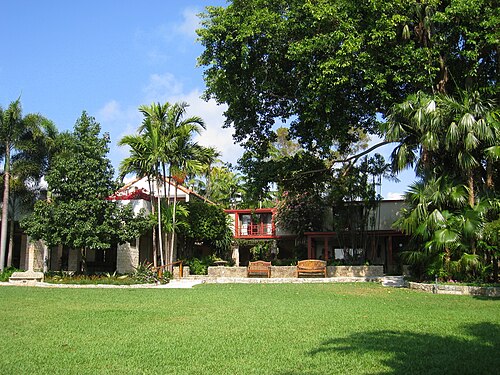
The Kampong is a National Tropical Botanical Garden site located in Coconut Grove, Miami. It serves as a living repository of tropical plant species, with collections developed through decades of botanical research and cultivation.
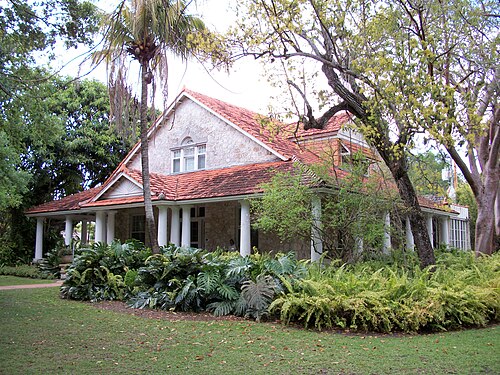
Coral Gables Merrick House is a historic residence in Coral Gables, Florida. It was the home of George Merrick, the founder of the City of Coral Gables.

Shops at Merrick Park is a major open-air shopping destination located in Coral Gables, Florida. The center features an upscale retail environment with Mediterranean-inspired architecture, reflecting the distinctive character of the surrounding Coral Gables area.
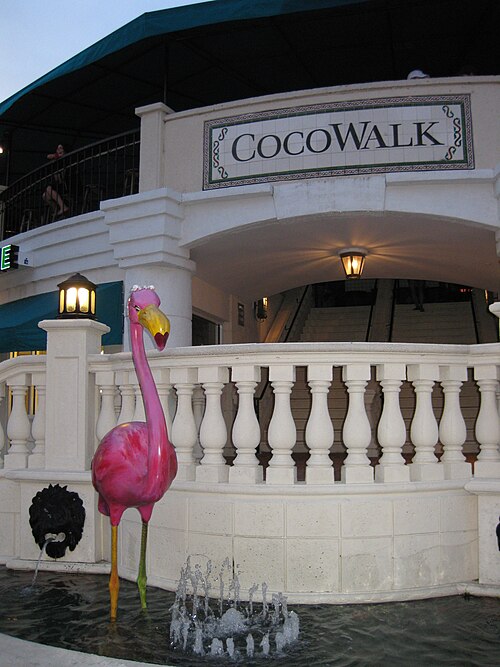
CocoWalk is an outdoor shopping, dining, and entertainment complex located in Coconut Grove, Miami. It serves as a central gathering point for the neighborhood, combining retail stores, restaurants, and a cinema in a pedestrian-oriented setting.
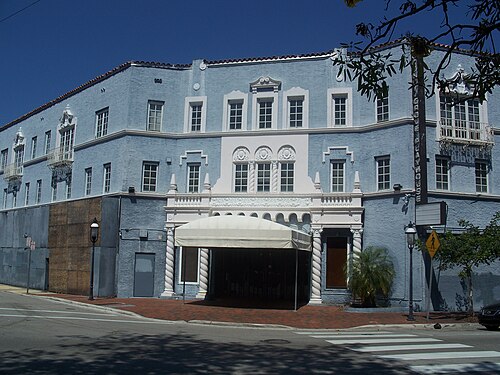
Coconut Grove Playhouse is a historic theatre landmark in Miami’s Coconut Grove neighborhood. Its identity is tied to live performance, theatrical architecture, and the cultural life of one of Miami’s oldest communities.

Regatta Park is a bayfront public park beside Dinner Key Marina in Miami’s Coconut Grove neighborhood. Its setting combines open green space with Biscayne Bay views and a working marina atmosphere.
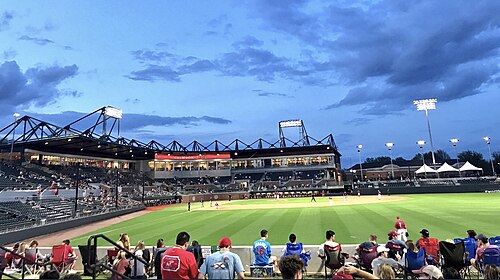
Sewell Park is a historic public park on the Miami River in Miami, Florida. Its defining feature is riverfront access for paddling, giving the site a more active relationship with the water than a purely ornamental city green space.
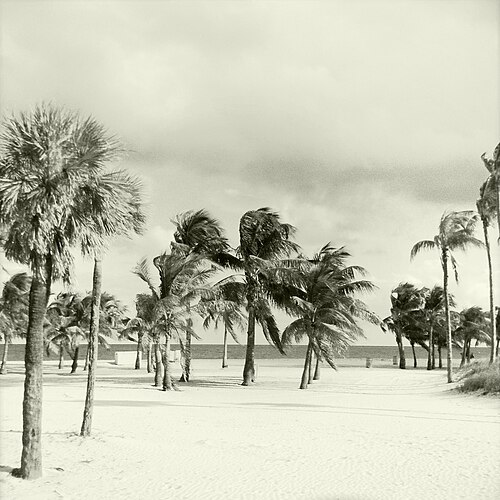
Crandon Beach is a public beach located within Crandon Park on Key Biscayne, an island south of mainland Miami. It forms part of a larger county park managed by Miami-Dade County.

Hialeah Park Race Track is a historic thoroughbred horse-racing venue in Hialeah, within the Greater Miami area. Its identity rests on three connected features: racing history, Mediterranean Revival architecture, and the flamingo flock associated with the infield lake.
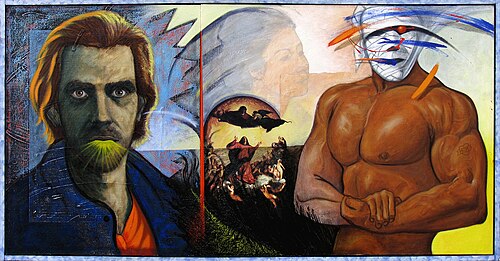
de la Cruz Collection
The de la Cruz Collection is a contemporary art space in Miami's Design District. It was established by Rosa and Carlos de la Cruz to present their private collection to the public.
THE HAITIAN HERITAGE MUSEUM
The Haitian Heritage Museum is a cultural institution in Miami’s Little Haiti neighborhood. It focuses on Haitian culture, history, and art, offering travelers a way to encounter the heritage of one of Miami’s most important communities.
Biscayne Bay separates mainland Miami from Miami Beach. Downtown and Brickell sit on the mainland waterfront; Wynwood and the Design District are north, Little Havana is west, and Coconut Grove and Coral Gables are southwest. South Beach occupies the southern end of Miami Beach and is a destination in its own right. Causeways and waterways shape every cross-city journey, so combine attractions on the same side of the bay.
Checked 2026-08-26
Use Metrorail for selected mainland corridors, Metrobus for broader coverage and the free Metromover within Downtown, Omni and Brickell. Miami Beach, the City of Miami and Coral Gables also operate local trolley services. Walking is practical inside individual districts but not between most of them. Check Miami-Dade Transit and municipal service notices before travelling, especially when moving between the mainland and the beach.
Checked 2026-08-26
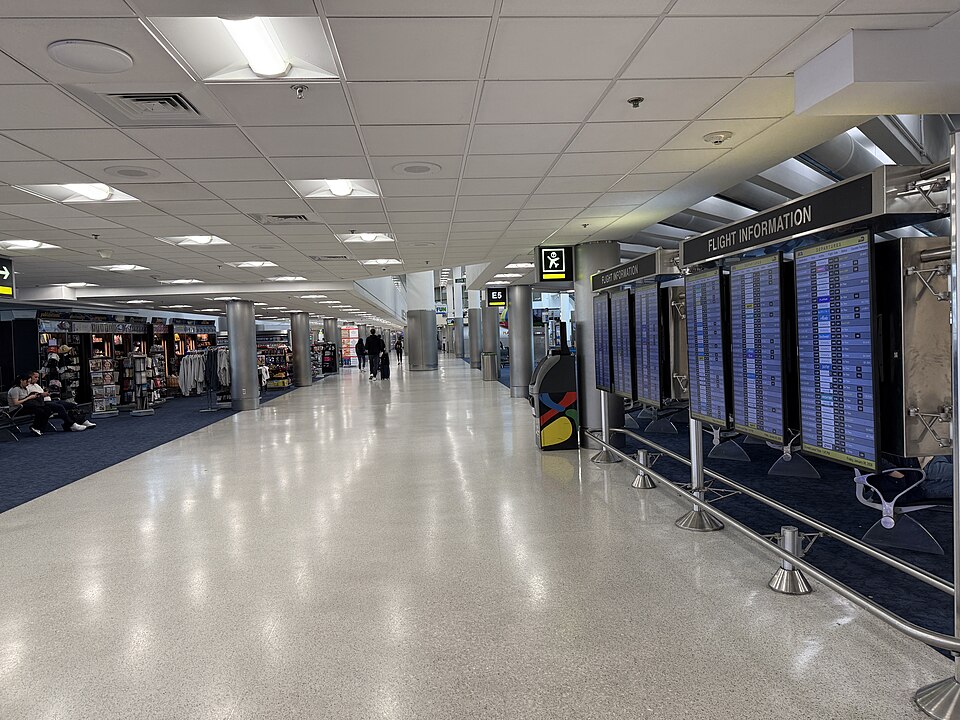
Suggested stay for a first visit: 3–4 days. Build the visit around separate district days for Downtown and Brickell, Miami Beach, and the mainland neighbourhoods that interest you.
No. Miami is on the mainland and Miami Beach is a separate city across Biscayne Bay. Causeways connect them, but they should be planned as separate areas.
Yes. Miami-Dade operates Metromover as a free elevated service linking stations in Downtown, Omni and Brickell, with connections to other transit services.
No. Individual districts can be walkable, but the destination is spread across the mainland, islands and causeways. Use transit or another connection between districts.
Combine Downtown with Brickell, pair Wynwood with the Design District, and treat Little Havana, Coconut Grove and Coral Gables as separate mainland clusters.

