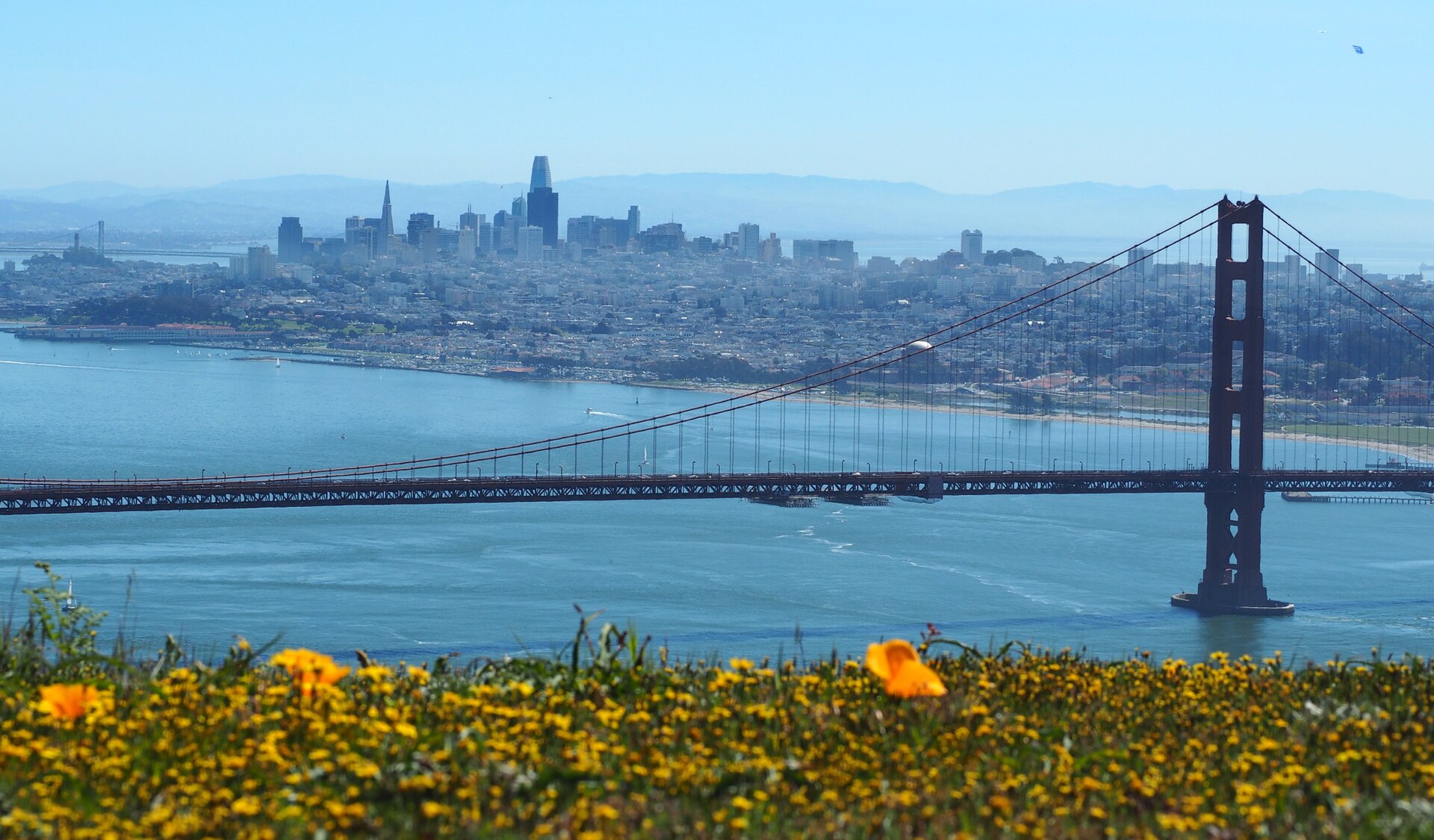
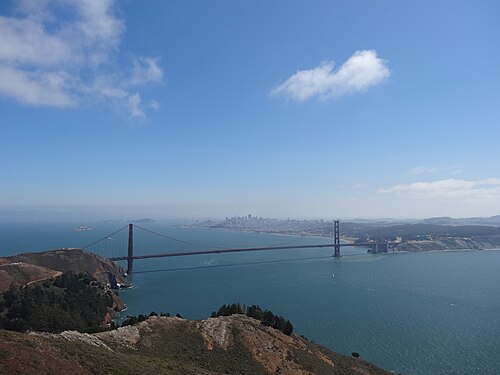
A photograph of San Francisco

City guide · United States

Up to 1 hour in San Francisco, United States

San Francisco is geographically compact but physically demanding, with steep hills separating waterfront, downtown and residential neighbourhoods. Union Square,...

Photograph · Lightandtruth · CC BY-SA 4.0

3,542 Places
Suggested stay
3-4 days
Getting around
Muni bus, light rail, streetcar, cable car and walking

Turn this list into a plan

Set your days, your pace and the hours you actually want to be out. The planner works around closing days and travel time, and leaves room to eat.

Plan San Francisco

Reviewed by Elena Voss · Roavina Travel Editor

San Francisco is geographically compact but physically demanding, with steep hills separating waterfront, downtown and residential neighbourhoods. Union Square, Chinatown, North Beach, the Embarcadero and Fisherman’s Wharf can be linked carefully, while Golden Gate Park and the western districts need separate transit. Muni buses, light rail, streetcars and cable cars cover the city; BART mainly handles regional connections. Build routes around elevation as well as distance.

Checked 2026-08-26

Practical information

Language spoken
English is the principal language; no federal official language
National practical orientation; regional and minority languages may also be used
Dialling code
+1
International calling code; local area and mobile prefixes still apply
Currency
United States dollar (USD)
Use the official local currency; card acceptance varies by place
Emergency number
911
Use only for an emergency; tourist assistance may use a separate number
Plug type
Type A and B · 120 V
Check that chargers support the recorded voltage before using an adapter
Tap water
Not recorded
Water quality is regulated locally; check the current notice for the destination

Planning a visit

September · September is San Francisco's warmest normal month at 21.2°C by day, with 5.3 mm of rain.

  1. January: viable with meaningful trade-offs
  2. February: viable with meaningful trade-offs
  3. March: good time to visit
  4. April: good time to visit
  5. May: best time to visit
  6. June: best time to visit
  7. July: best time to visit
  8. August: best time to visit
  9. September: best time to visit — current month
  10. October: best time to visit
  11. November: good time to visit
  12. December: viable with meaningful trade-offs

Sources

Top things to see

Ranked by importance — sitelinks, pageviews and heritage status, not editor preference.

  1. Alcatraz Island Alcatraz Island
    02 1 hour

    Alcatraz Island

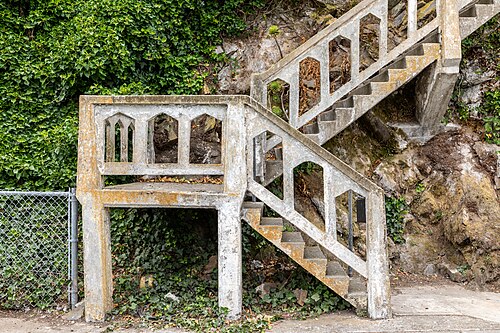
    Alcatraz Island is a National Park Service historic site in San Francisco Bay, best known for the federal penitentiary that operated from 1934 to 1963.

    • Must see
    • Nature site
  2. Golden Gate Park Golden Gate Park
    03 1 hour

    Golden Gate Park

    Golden Gate Park is a long urban landscape running from the central city toward Ocean Beach.

    • Must see
    • Nature site
  3. Fisherman's Wharf Fisherman's Wharf
    04 45 min

    Fisherman's Wharf

    Fisherman's Wharf is San Francisco's best-known northern waterfront visitor district, stretching across working piers, historic vessels, seafood businesses, museums and bay-facing public space. It is a neighbourhood rather than one gated attraction.

    • Must see
    • Historic monument
  4. Palace of Fine Arts Palace of Fine Arts
    05 45 min

    Palace of Fine Arts

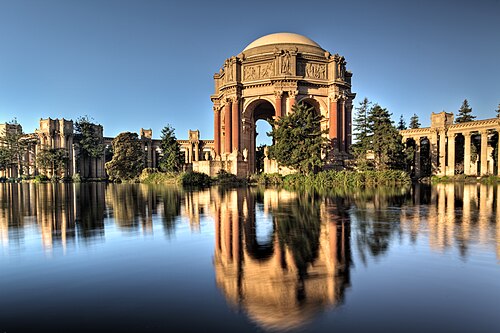
    The Palace of Fine Arts is the monumental surviving architectural ensemble from San Francisco's 1915 Panama-Pacific International Exposition.

    • Must see
    • Historic monument
  5. Coit Tower Coit Tower
    06 20 min

    Coit Tower

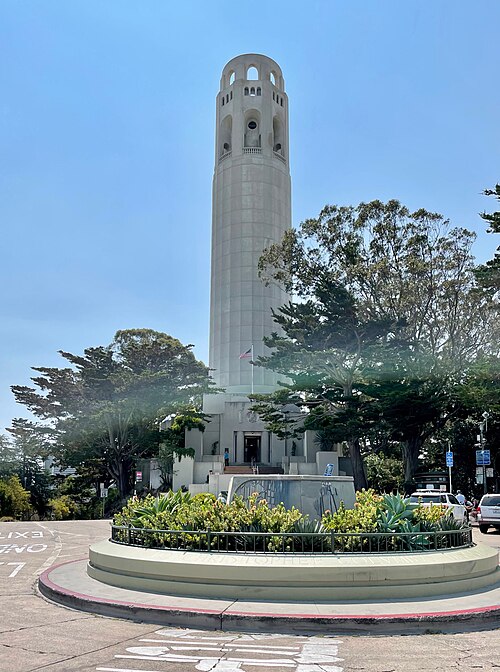
    Coit Tower is a 64-metre reinforced-concrete landmark on Telegraph Hill, completed in 1933 with funds left to San Francisco by Lillie Hitchcock Coit.

    • Must see
    • Viewpoint

Source: OpenStreetMap contributors, Wikidata ·

How the city is laid out

Downtown and Union Square sit east of the central hills. Chinatown and North Beach lie north, leading toward Fisherman’s Wharf and the Marina; the Embarcadero follows the eastern waterfront. The Mission and Castro extend southwest of downtown, while Haight-Ashbury and Golden Gate Park lead toward the Pacific. Presidio and Lands End occupy the northwestern edge. Neighbourhood boundaries matter because two nearby points can be separated by a steep climb or a slow cross-city connection.

Checked 2026-08-26

Getting around

Use Muni buses and light rail for most city journeys, with historic streetcars and cable cars serving selected corridors. BART connects downtown with the airport and East Bay but is not the main network for neighbourhood sightseeing. Walking works within districts, provided the route accounts for hills. The SFMTA journey tools cover transit, walking and cycling; check them before crossing between the waterfront, western parks and southern neighbourhoods.

Checked 2026-08-26

Common questions

How many days does San Francisco need?

Three to four days suit a first visit. Three cover the central neighbourhoods, waterfront and Golden Gate Park; a fourth makes room for Presidio, Lands End or a regional side trip.

When is the best time to visit San Francisco?

September and October are often practical for outdoor sightseeing, with milder conditions and less persistent summer fog. Local weather varies sharply by neighbourhood, so carry an extra layer in every season.

Is San Francisco easy to explore on foot?

Individual neighbourhoods are walkable, but hills can make a short map distance strenuous. Plan routes around elevation and use Muni when moving between the waterfront, central hills and western districts.

What is the difference between Muni and BART?

Muni is the principal city network of buses, light rail, streetcars and cable cars. BART is most useful for airport and regional travel, with fewer stops for neighbourhood sightseeing inside San Francisco.

Should Golden Gate Park be combined with Fisherman’s Wharf?

They sit in different visitor corridors and are better planned separately. Combine Golden Gate Park with western neighbourhoods, and pair Fisherman’s Wharf with North Beach or the Embarcadero.