


17 min walk
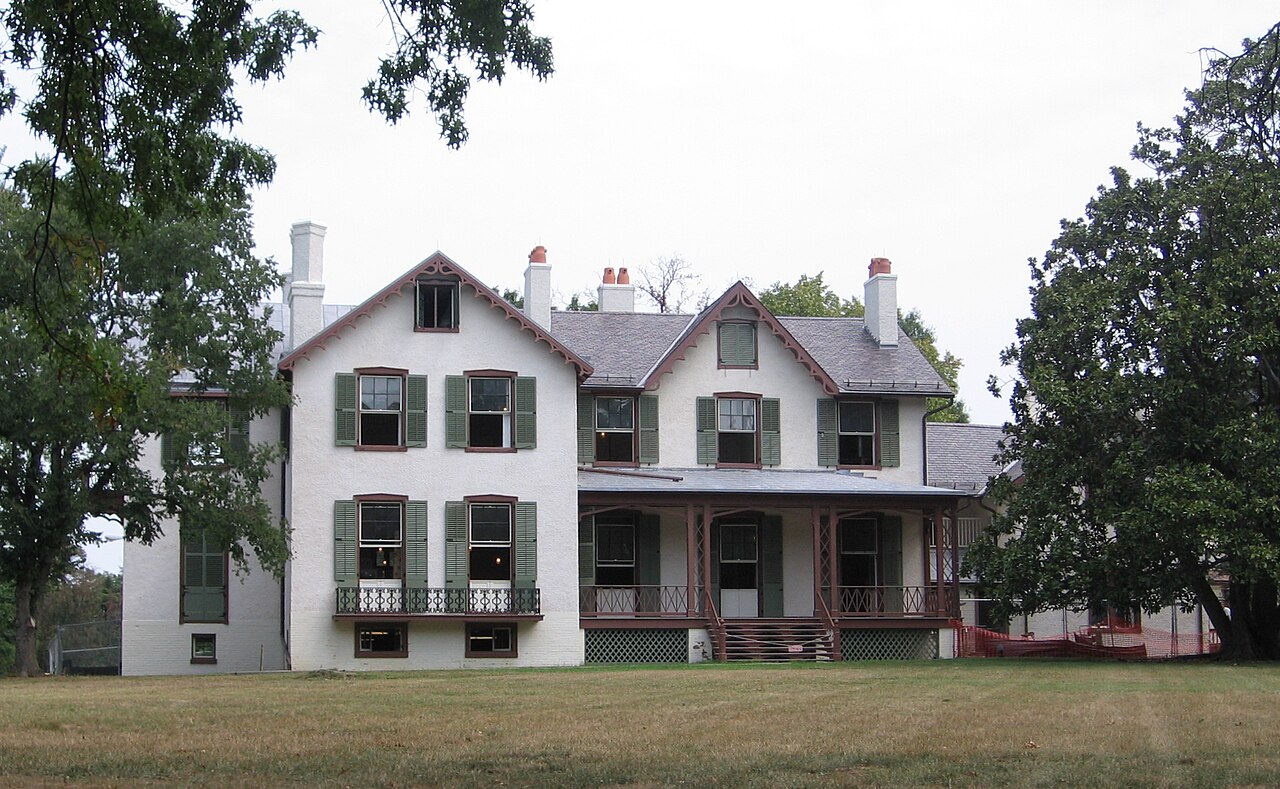
President Lincoln's Cottage at the Soldiers' Home
- High · Heritage site
- Museum
Place of worship · Washington
| Monday | 06:00 – 18:00 |
|---|---|
| Tuesday | 06:00 – 18:00 |
| Wednesday | 06:00 – 18:00 |
| Thursday | 06:00 – 18:00 |
| Friday | 06:00 – 18:00 |
| Saturday | 06:00 – 18:00 |
| Sunday | 06:00 – 18:00 |
Checked 2026-08-31 · Source
| Per person | Free entry |
|---|
Checked 2026-08-31 · Source
Read from the OpenStreetMap access tags; anything not listed has no tag recorded.
Set the group type to family in the planner and the day window contracts to about three quarters of a solo day.
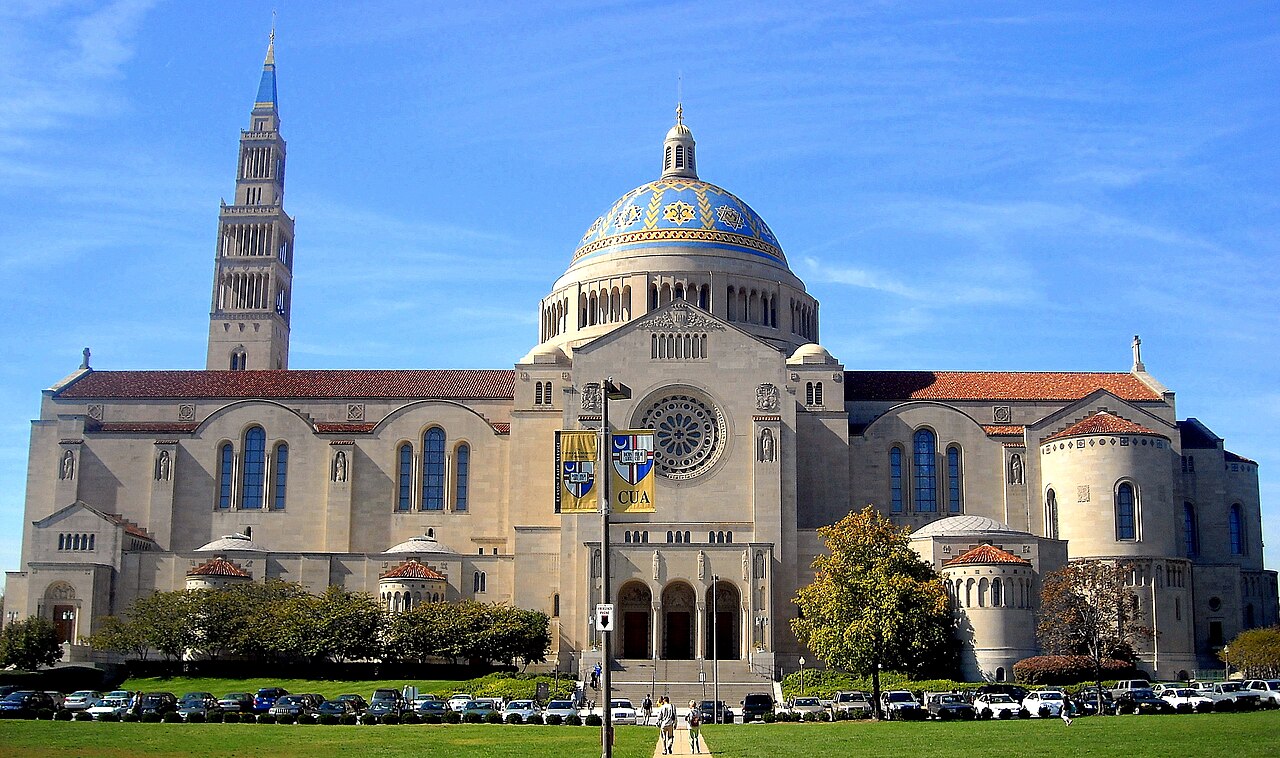
The Basilica of the National Shrine of the Immaculate Conception is a Roman Catholic basilica in Washington, D.C. It serves as the patronal church of the United States and is dedicated to the Blessed Virgin Mary under her title of the Immaculate Conception. The structure stands as one of the largest churches in North America and functions as a significant Catholic pilgrimage destination. The basilica is not a cathedral, as the Archdiocese of Washington's cathedral is the Cathedral of St. Matthew the Apostle. The shrine operates under the jurisdiction of the Catholic Church and welcomes visitors regardless of religious affiliation. No. The Basilica of the National Shrine of the Immaculate Conception is a Roman Catholic church dedicated to Mary. The National Cathedral refers to the Protestant Episcopal Cathedral of St. Peter and St. Paul, a separate institution located in a different part of Washington, D.C.
Checked 2026-08-26 · Source
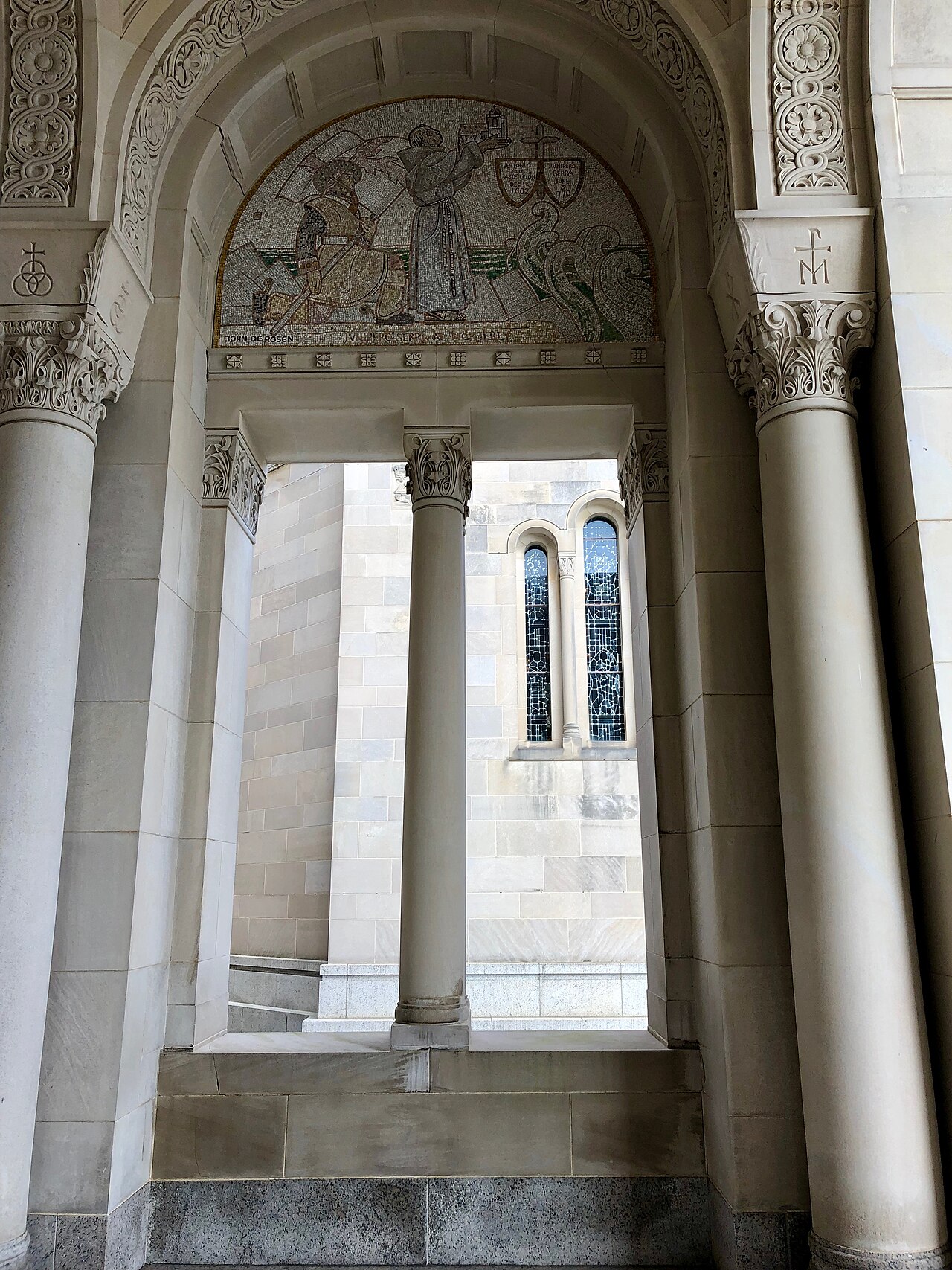
The interior features numerous chapels dedicated to various titles of Mary and reflecting the cultural heritage of American Catholic communities. The upper church and crypt church together contain extensive mosaic artwork, stained glass windows, and sculptural elements. The Trinity Dome mosaic, completed in recent years, represents a major artistic addition. Multiple side chapels offer spaces for prayer and contemplation. The basilica houses one of the largest collections of contemporary ecclesiastical art in the world. Visitors will find devotional candles, religious artwork from different periods, and architectural details spanning Byzantine-Romanesque and modern styles throughout the complex.
Checked 2026-08-26 · Source
A thorough visit to the basilica typically requires between ninety minutes and two hours for those wishing to explore both levels. This duration allows time to walk through the upper church, descend to the crypt church, and pause in individual chapels. Pilgrims or visitors with specific devotional interests may extend their stay considerably. Self-guided exploration proceeds at individual pace. The building's substantial size and the density of artistic and religious material rewards unhurried attention. Visitors should account for potential security screening upon entry, which may add time during busier periods or special events.
Checked 2026-08-26 · Source
The basilica is open to visitors throughout the year, though specific daily operating hours vary by season and liturgical calendar. The shrine hosts numerous religious observances, including regular Masses, which visitors may attend. Major Catholic feast days, particularly those related to Mary, draw larger congregations and may affect accessibility for casual tourism. Weekday mornings generally present quieter conditions for contemplative visits. Visitors should consult the official website or contact shrine staff directly before planning their trip to confirm current accessibility and any scheduled liturgical events that might limit visitor movement.
Checked 2026-08-26 · Source
Admission to the basilica for individual visitors and worshippers is free of charge, consistent with standard practice for Catholic churches. Donations are typically welcomed to support maintenance of the building and its artistic programs. Visitors should verify any costs associated with requested services directly with shrine administration. The institution operates as a religious nonprofit rather than a commercial tourist attraction.
Checked 2026-08-26 · Source

The basilica occupies a position on the campus of The Catholic University of America in Northeast Washington, D.C. The nearest Washington Metro station is Brookland-CUA on the Red Line, located within reasonable walking distance. Multiple bus routes serve the surrounding area. Private vehicle access is possible, though parking availability and any associated regulations should be confirmed in advance. The location sits outside the central tourist corridor of the National Mall, requiring dedicated transit from downtown accommodations. Visitors unfamiliar with Washington's public transportation system should plan routes carefully, as the northeastern quadrant involves different traffic patterns than the city's monumental core.
Checked 2026-08-26 · Source
Visitors should observe that this remains an active place of worship rather than solely a museum or tourist site. Respectful dress and decorum are expected, particularly during liturgical services. Photography restrictions may apply in certain areas or during religious ceremonies. The building's vast scale can disorient; visitors with mobility concerns should note the transition between upper and lower churches involves stairs, though accessibility accommodations may be available. Security screening is standard practice. Large crowds gather for major feasts and papal visits when they occur. Visitors should remain attentive to posted guidelines and staff instructions regarding appropriate conduct.
Checked 2026-08-26 · Source

Photography for personal use is generally permitted within the basilica, though visitors must remain attentive to any posted restrictions or staff guidance. Flash photography may be restricted to protect artwork and maintain atmosphere. During active liturgical celebrations, photography from the congregation is typically discouraged or prohibited to preserve reverence. Commercial or professional photography requires advance permission from shrine administration. Tripods and extensive equipment may face limitations due to space constraints and visitor flow.
Checked 2026-08-26 · Source
No. The Basilica of the National Shrine of the Immaculate Conception is a Roman Catholic church dedicated to Mary. The National Cathedral refers to the Protestant Episcopal Cathedral of St. Peter and St. Paul, a separate institution located in a different part of Washington, D.C.
No. The basilica welcomes visitors of all faiths and those with no religious affiliation. All visitors are expected to maintain respectful behavior appropriate to an active place of worship.
Guided tours are offered, though specific schedules and any associated arrangements should be confirmed directly with the shrine. Self-guided exploration is always possible during open hours.
No admission fee is charged for entry. The basilica operates as a religious institution rather than a commercial attraction. Donations to support maintenance are welcomed.
Take the Washington Metro Red Line to Brookland-CUA station and walk. Alternatively, consult current bus routes or rideshare options. The location is northeast of the central National Mall area.
Yes, both levels are generally accessible to visitors, though specific areas may be restricted during liturgical services or special events.
Loading the interactive map…
The interactive map could not be loaded.
Last updated:
Source: OpenStreetMap contributors, Wikidata ·