


19 min walk
Basilica of the National Shrine of the Immaculate Conception
- High
- Place of worship
Place of worship · Washington
Franciscan Monastery and Memorial
| Monday | 09:00 – 16:00 |
|---|---|
| Tuesday | 09:00 – 16:00 |
| Wednesday | 09:00 – 16:00 |
| Thursday | 09:00 – 16:00 |
| Friday | 09:00 – 16:00 |
| Saturday | 09:00 – 16:00 |
| Sunday | 09:00 – 16:45 |
Checked 2026-08-31 · Source
| Per person | Free entry |
|---|
Checked 2026-08-31 · Source
Read from the OpenStreetMap access tags; anything not listed has no tag recorded.
Set the group type to family in the planner and the day window contracts to about three quarters of a solo day.
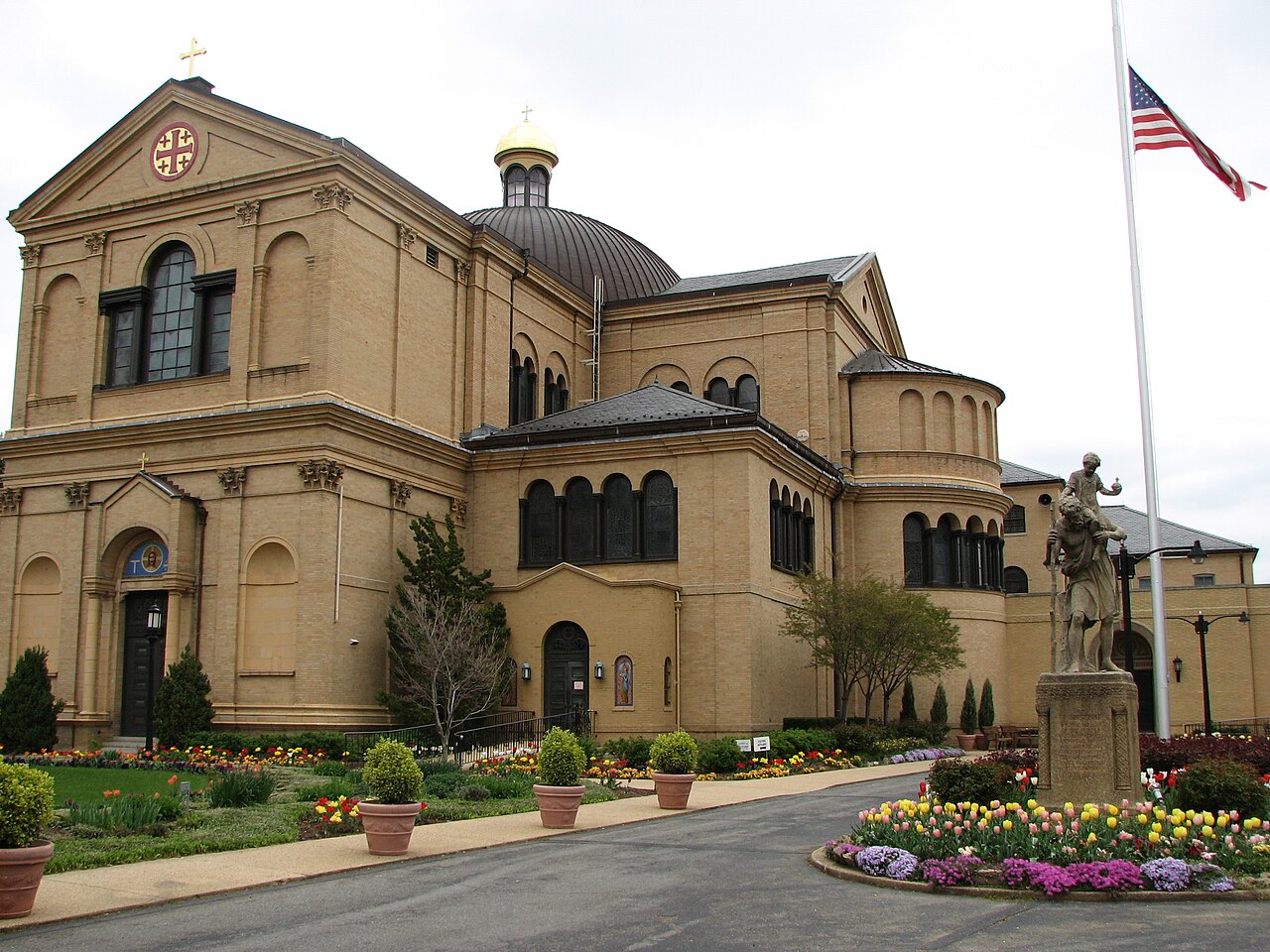
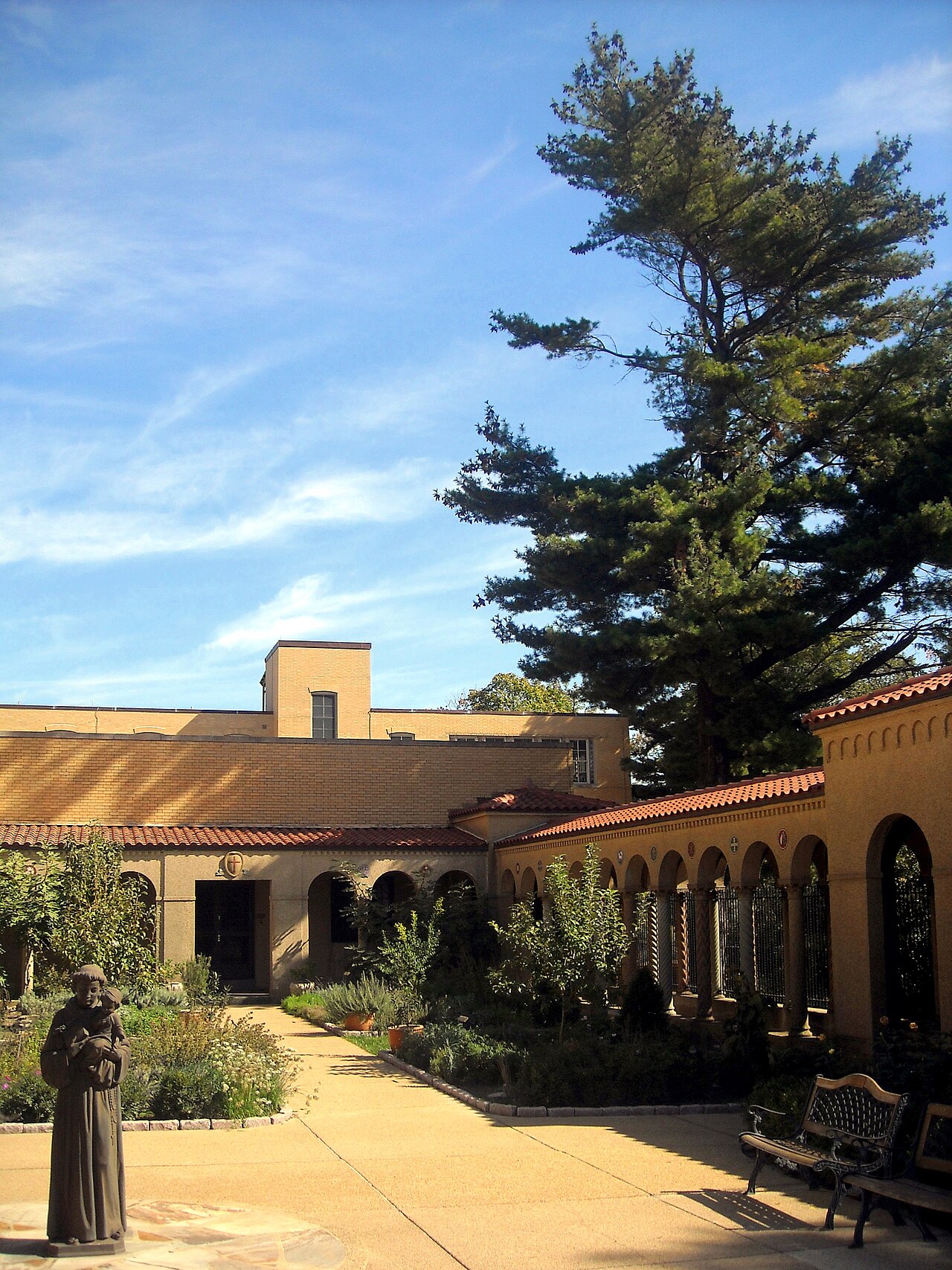
Mount St. Sepulchre Franciscan Monastery, commonly called the Franciscan Monastery, is a Romanesque religious complex in Washington, D.C. Founded by Franciscan Friars of the Holy Land, it serves as an American center for the order and remains an active place of worship, pilgrimage, and quiet reflection. Travelers come for the architecture, the landscaped grounds, and the religious setting. Its Holy Land shrine replicas give the visit a distinctive purpose within the capital, offering an experience centered on sacred history rather than civic monuments or conventional museum displays. Sepulchre Franciscan Monastery, also known as the Franciscan Monastery and Memorial, is a Romanesque monastery in Washington, D.C. Established by the Franciscan Friars of the Holy Land, it serves as the American headquarters for this Catholic religious order. Direct contact with the monastery is recommended before visiting.
Checked 2026-08-26 · Source
The principal attractions are the Romanesque monastery, its Holy Land shrine replicas, and the surrounding gardens. The replicas connect the Washington site with important places associated with Christian pilgrimage, while the grounds provide space for walking, observation, and contemplation. The complex also contains areas used for worship and for the resident Franciscan community. Approach the visit as a religious and architectural experience: notice the forms, stonework, devotional details, and relationship between the building and gardens, while allowing the atmosphere to remain calm and respectful.
Checked 2026-08-26 · Source
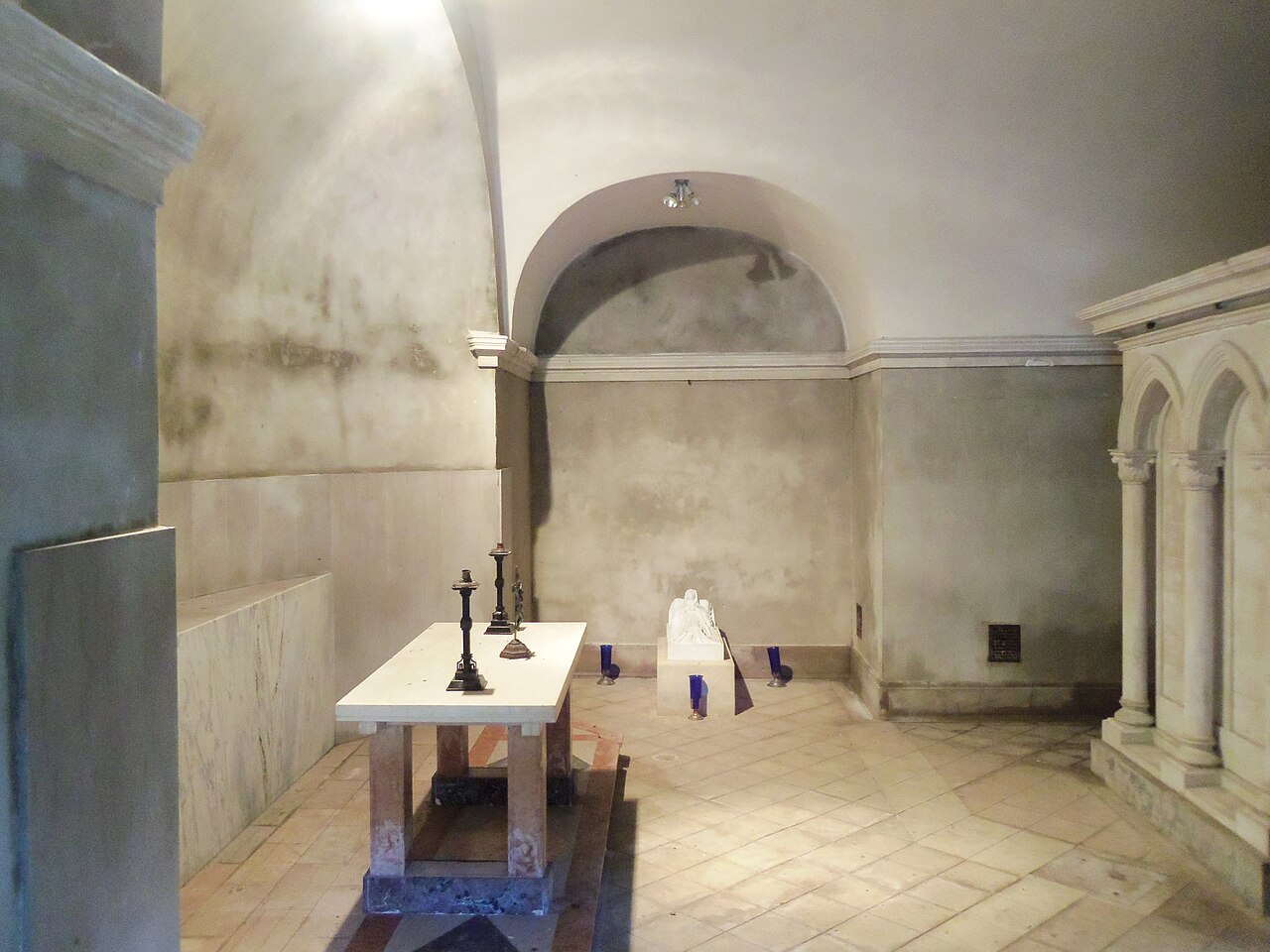
Allow about one hour for a focused visit covering the monastery exterior, gardens, and principal shrine replicas. Travelers with a strong interest in religious architecture or pilgrimage history can spend several hours moving slowly through the grounds and taking time for contemplation. The site rewards an unhurried pace more than a rushed checklist. If it forms part of a wider Washington itinerary, pair it with nearby neighborhood exploration rather than trying to combine it with too many distant monuments in the same time block.
Checked 2026-08-26 · Source
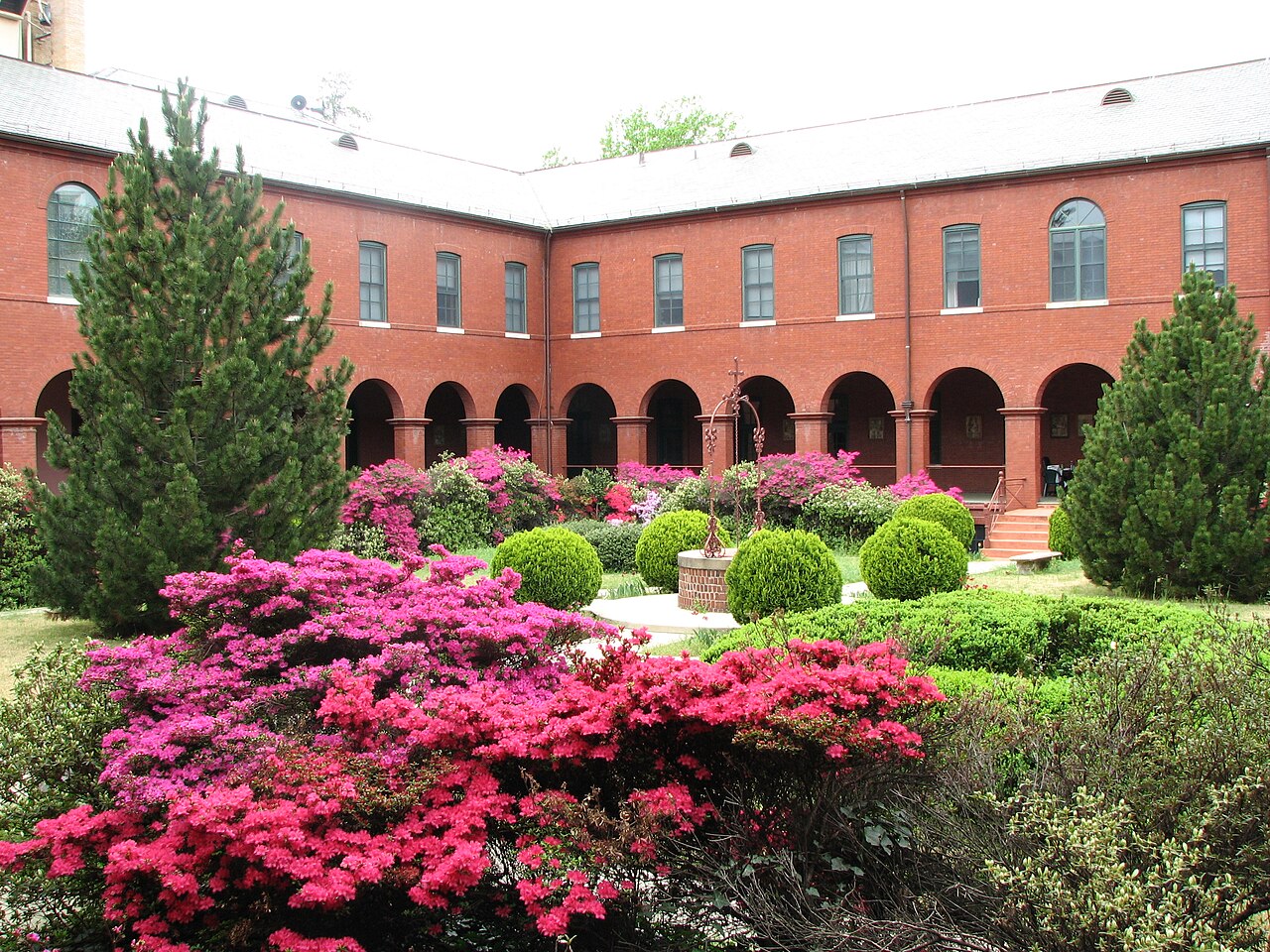
Spring and autumn offer comfortable conditions for spending time in the gardens, while summer can bring Washington's heat and humidity and winter can make outdoor contemplation less comfortable. Morning or a quieter weekday period suits travelers who want a reflective visit with fewer distractions. Religious observances may shape the atmosphere and the use of parts of the complex. Plan enough flexibility to move quietly and respectfully around worship and community life. The gardens and Romanesque setting provide different visual qualities as the seasons change.
Checked 2026-08-26 · Source
The monastery is a religious destination rather than a commercial attraction, so travelers should approach the visit as a place of worship and pilgrimage. The grounds, shrine replicas, and architecture are the central experience. Donations can be appropriate when offered for the care of a religious complex, but the visit should not be framed around commercial entertainment. Any organized activity belongs within the monastery's religious setting. Bring a modest, respectful attitude and plan to spend time observing rather than rushing from one feature to another.
Checked 2026-08-26 · Source
The monastery is in Washington, D.C., outside the central cluster of National Mall landmarks. Use a current map to plan the final approach from your starting point, and allow more time than you would for attractions grouped around the Mall. Public transportation, walking, cycling, and driving each require neighborhood-level route planning. If you arrive by car, treat parking as a separate planning concern rather than part of the monastery experience. The destination suits a deliberately planned half-day outing that includes time for the grounds.
Checked 2026-08-26 · Source
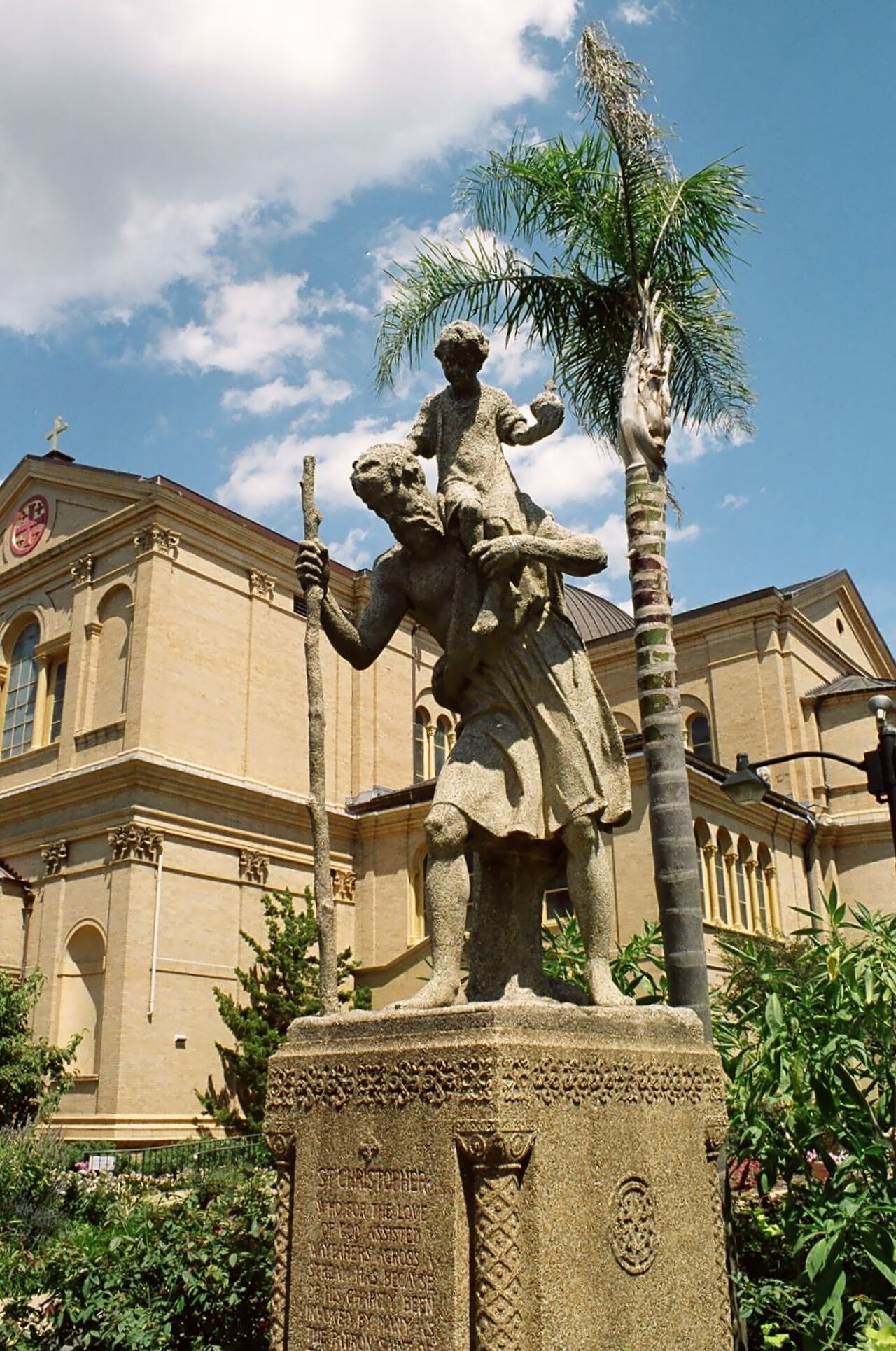
This is an active religious monastery, not simply a historic building open for casual sightseeing. Wear clothing suitable for a sacred setting, keep voices low, and give worshippers and friars room to carry out their daily activities. Treat the shrine replicas as devotional objects and do not climb, touch, or handle features casually. Gardens can include uneven outdoor surfaces, and weather changes affect comfort. Keep phones discreet and follow any signs or directions that separate visitor areas from spaces used by the community.
Checked 2026-08-26 · Source
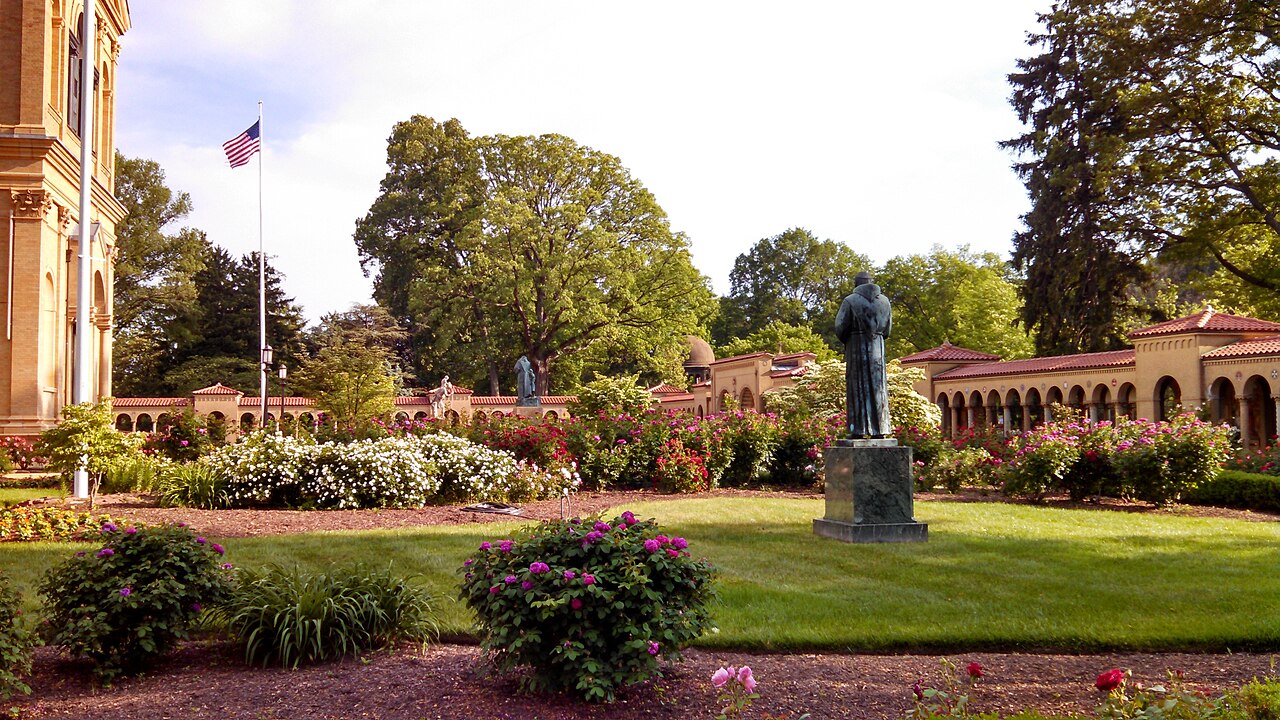
The Romanesque architecture, gardens, and shrine replicas offer thoughtful subjects for photography. Work quietly, avoid blocking paths, and give priority to worshippers and other visitors. Do not photograph people engaged in prayer without permission. Interior devotional spaces deserve particular sensitivity, especially during services or other religious activity. Exterior views and garden compositions benefit from soft morning or late-afternoon light, while close architectural details reward a slower walk around the complex. Keep equipment compact so the visit remains unobtrusive and contemplative.
Checked 2026-08-26 · Source
It combines Romanesque architecture, landscaped gardens, and replicas of Holy Land shrines within an active Franciscan religious complex in Washington, D.C.
The visit centers on the monastery building, its Holy Land shrine replicas, the gardens, and the devotional atmosphere of the Franciscan community.
Allow about one hour for a focused visit; travelers interested in architecture, pilgrimage history, and contemplation may spend several hours.
Yes. The monastery serves as a Franciscan religious complex with worship spaces and resident community life, so visitors should behave quietly and respectfully.
They connect the Washington monastery with places associated with Christian pilgrimage and form one of the site's defining visitor experiences.
Choose modest clothing suitable for a sacred setting, and keep your behavior quiet and considerate around worshippers and the Franciscan community.
Loading the interactive map…
The interactive map could not be loaded.
Last updated:
Source: OpenStreetMap contributors, Wikidata ·