

5 min walk
Dumbarton Oaks
- Must see
- Museum
Language · 11 published
Activity · Washington
Reviewed by Elena Voss · Roavina Travel Editor
| Monday | Closed |
|---|---|
| Tuesday | 10:00 – 16:00 |
| Wednesday | 10:00 – 16:00 |
| Thursday | 10:00 – 16:00 |
| Friday | 10:00 – 16:00 |
| Saturday | 10:00 – 16:00 |
| Sunday | 12:00 – 16:00 |
Checked 2026-08-31 · Source
Read from the OpenStreetMap access tags; anything not listed has no tag recorded.
Set the group type to family in the planner and the day window contracts to about three quarters of a solo day.
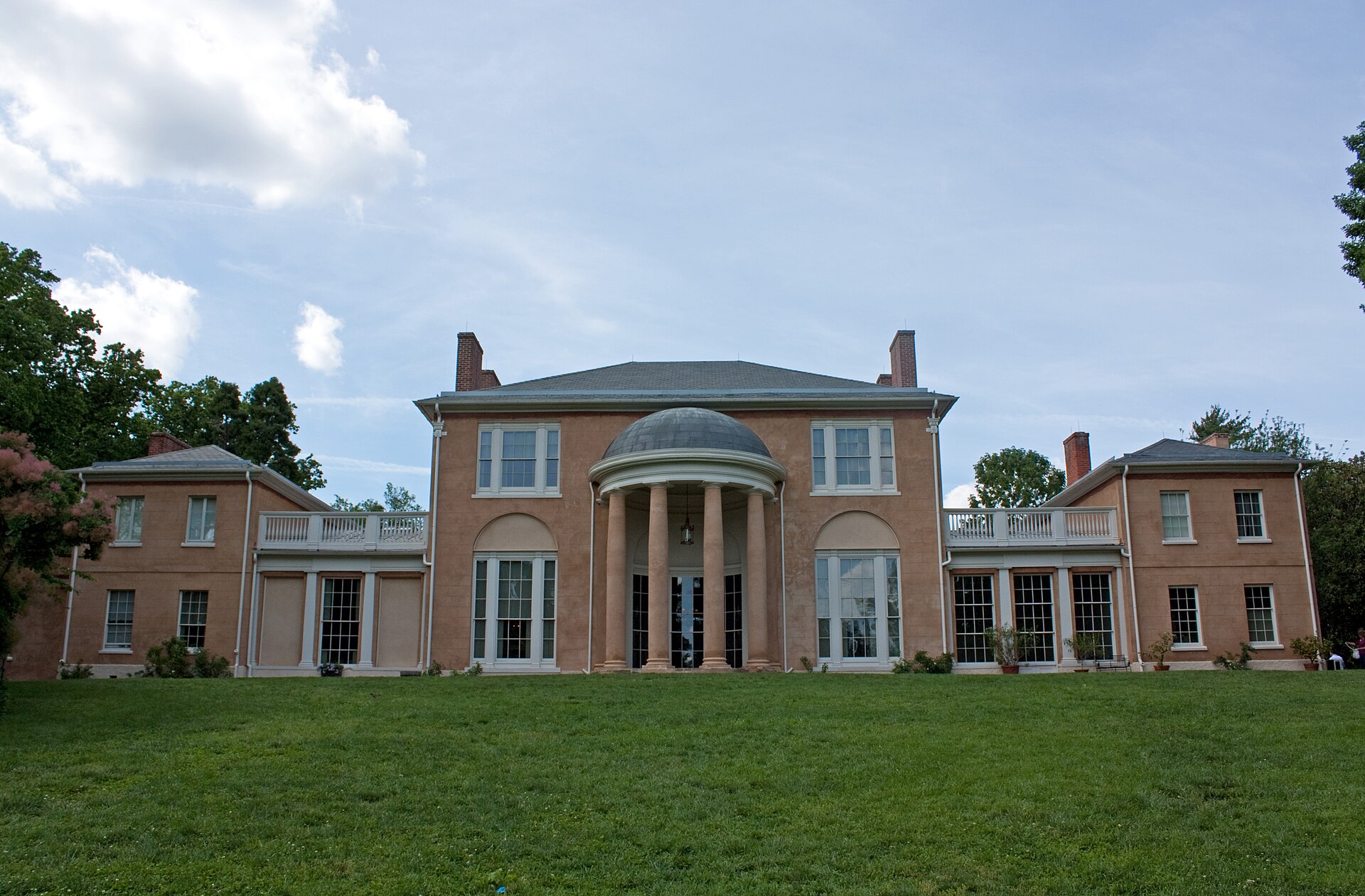
It was built in the Federal architecture style. It was designed by William Thornton. It carries the National Historic Landmark heritage designation.
Tudor Place is a Federal-period historic estate and house museum in Georgetown, Washington, D.C. Martha Washington’s granddaughter built the property, which remained with the same family for six generations from 1805 to 1983. The estate combines a historic house, extensive gardens, and a family archive connected to the early American republic. Its name reflects architectural references to English Tudor design, while its collections and setting present a long, unusually continuous record of family life in Washington. Tudor Place is a Federal-period estate located in Georgetown, Washington, D.C. The property was built by Martha Washington's granddaughter and remained in the same family for six generations, from 1805 to 1983. The estate encompasses a historic house and extensive gardens on a prominent hillside site. It is now operated as a historic house museum and garden, preserving one of the most significant family archives from the early American republic. The name derives from its architectural references to English Tudor design elements. Tudor Place was built by Martha Washington's granddaughter, Martha Parke Custis Peter, and the family maintained connections to Mount Vernon. The collection includes items associated with George and Martha Washington.
Checked 2026-08-26 · Source
The house contains original family furnishings, decorative arts, and personal objects gathered during nearly two centuries of continuous residence. Connections to Mount Vernon bring George and Martha Washington into the story without making Tudor Place a replica of that estate. Outside, formal Federal-period garden design and later plantings create a second part of the visit. The preserved family archive adds letters, diaries, and household records, allowing visitors to connect rooms and gardens with the people who used and maintained them. The house contains original family furnishings, decorative arts, and personal artifacts accumulated over nearly two centuries of continuous family residence.
Checked 2026-08-26 · Source
Allow roughly two hours to combine the historic house with the garden grounds. The house rewards a slower look at period furnishings, decorative arts, and family heirlooms, while the gardens require time to walk through their plantings and architectural features. Visitors focused on American decorative arts, genealogy, or the early republic may want longer. Tudor Place is more satisfying when treated as both an interior collection and a landscape, rather than as a single-room historic attraction.
Checked 2026-08-26 · Source
Choose a mild day if the gardens are an important part of your plan. Spring and early summer bring strong floral interest, while autumn adds changing foliage to the estate’s outdoor setting. The historic house remains the principal indoor experience in colder or wetter weather. Tudor Place’s Georgetown location also pairs naturally with a neighborhood walk, but the hillside setting can make outdoor movement more demanding. Seasonal interest belongs mainly to the gardens; the house supplies the historical focus throughout the year.
Checked 2026-08-26 · Source
Tudor Place’s value comes from the combined house, garden, and archive experience, so plan around seeing both principal parts of the estate rather than treating entry as a quick Georgetown add-on. Group visits and special programmes may follow arrangements different from an individual visit, but no price or booking rule is stated here. The estate’s preservation purpose is visible in the care given to furnishings, documents, architecture, and grounds.
Checked 2026-08-26 · Source
Tudor Place is in Georgetown, a district served by buses, walking routes, cycling, and rideshare rather than by a Metro station within the neighborhood. Build extra time into a walk because Georgetown’s streets and the estate’s hillside setting are part of the approach. Parking is constrained by the neighborhood’s active streets and restrictions. Tudor Place works well after exploring Georgetown’s commercial streets, provided your route allows for the climb toward the residential estate and time for both house and garden.
Checked 2026-08-26 · Source
Expect slopes and potentially uneven historic paths around the garden areas. Inside the house, original furnishings and fragile objects require visitors to remain on designated routes and avoid touching displays. Weather affects footing and comfort outdoors, especially on the Georgetown hillside. Tudor Place is also a residentially scaled historic property, not an open public park; keep voices and movement considerate. The combination of house tour and garden walk means visitors should plan for changing surfaces and a measured pace.
Checked 2026-08-26 · Source
The gardens offer outdoor views of formal plantings, architectural garden elements, and the estate’s hillside setting. Indoors, the strongest subjects are the Federal-period rooms, original furnishings, decorative arts, and family objects. Photography around delicate interiors should remain unobtrusive and follow the property’s directions. Keep equipment compact on historic routes and leave clear space for other visitors.
Checked 2026-08-26 · Source
Tudor Place was built by Martha Washington’s granddaughter, Martha Parke Custis Peter.
The estate remained with the same family for six generations, from 1805 to 1983.
The visit includes the historic house, original furnishings, decorative arts, family objects, extensive gardens, and a preserved family archive.
Tudor Place is in Georgetown, Washington, D.C., in a residential hillside setting near the neighborhood’s commercial streets.
Yes. The house contains original family furnishings, decorative arts, and personal artifacts accumulated over nearly two centuries.
The family archive preserves correspondence, diaries, and household records documenting American social and political history across generations.
Loading the interactive map…
The interactive map could not be loaded.

Last updated:
Source: OpenStreetMap contributors, Wikidata ·