28 min walk
Chùa Trầm
- High
- Place of worship
Language · 11 published
Place of worship · Hanoi
Reviewed by Elena Voss · Roavina Travel Editor
This place is a Place of worship.
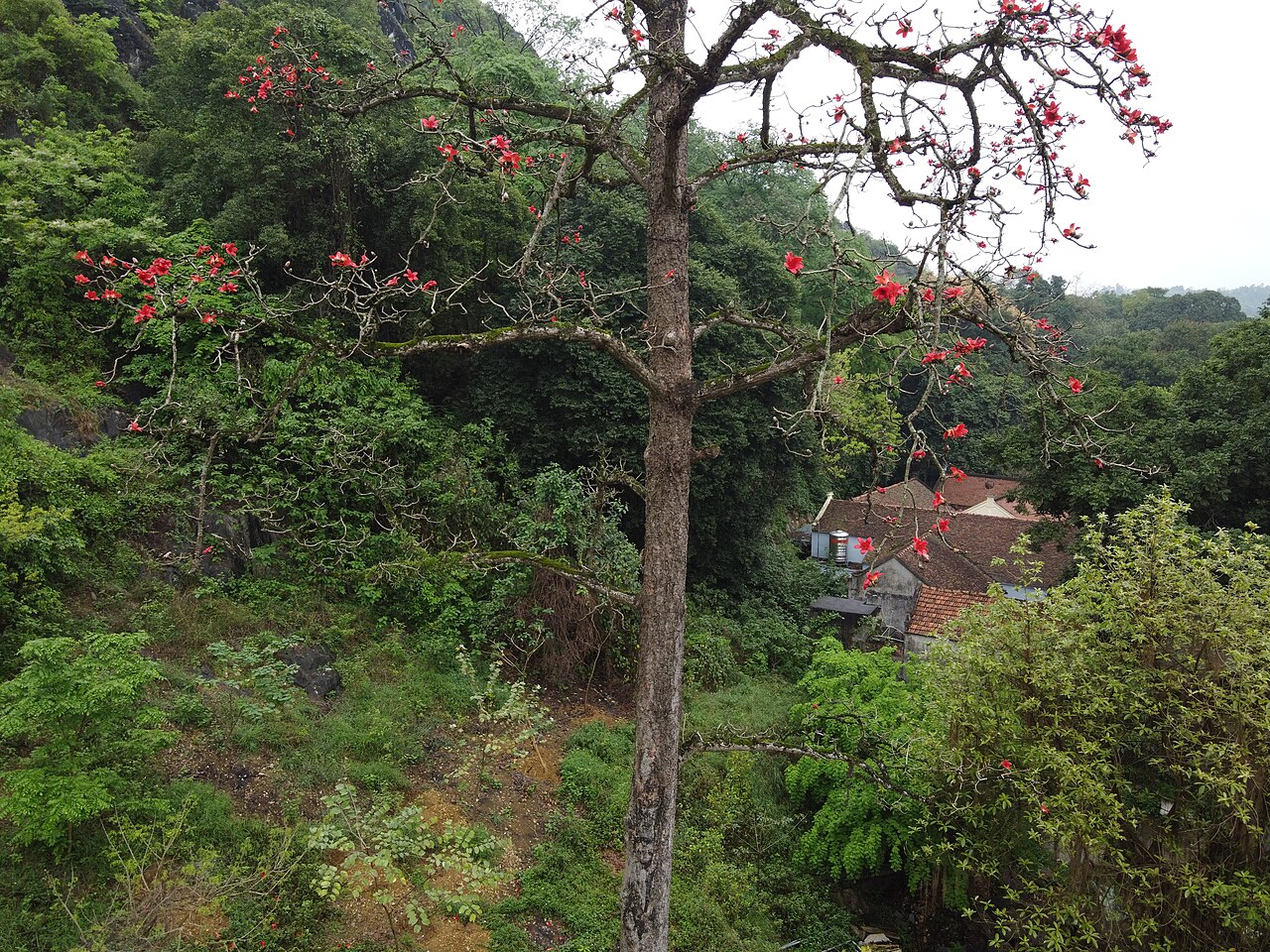
Tram Gian Pagoda, also known as Chùa Trăm Gian, is a Buddhist temple associated with Hanoi’s religious and cultural landscape. Its name translates as “One Hundred Room Pagoda,” linking the site with the idea of a once-extensive monastic complex. Travellers come for a quieter heritage experience centred on worship, traditional architecture, and the atmosphere of an active Vietnamese temple. Tram Gian Pagoda, locally known as Chùa Trăm Gian, is a historic Buddhist temple in Hanoi, northern Vietnam. The name translates to One Hundred Room Pagoda, suggesting a once-extensive monastic complex. It represents an important site in Vietnamese religious architecture and Buddhist heritage. The pagoda belongs to Hanoi's cultural landscape, which Vietnam's national tourism portal promotes as a destination blending ancient traditions with contemporary urban life. Buddhist temples typically maintain regular schedules, but visitors should verify current accessibility before traveling.
Checked 2026-08-26 · Source
The pagoda should be approached as a living Buddhist religious space rather than a museum arranged for sightseeing. Visitors may encounter worship halls, Buddha images, incense, devotional decoration, and areas used for prayer. These elements are part of religious practice, so observe them with care and give worshippers priority. The “hundred rooms” name conveys the historic scale associated with the complex, while the visit focuses on the temple environment itself. Traditional Vietnamese pagodas typically contain worship halls, Buddha statues, incense burners, and decorative woodcarvings. Visitors should expect Buddhist ritual spaces rather than museum-style displays. Religious artifacts, if present, remain active objects of devotion. The Vietnam Travel source does not inventory this pagoda's contents specifically, directing visitors to explore Hanoi's broader temple heritage without itemizing individual site holdings.
Checked 2026-08-26 · Source
Set aside roughly thirty minutes to one hour for a calm visit, including time to view the grounds and worship spaces respectfully. Visitors interested in prayer, meditation, or careful architectural observation may stay longer. The site works best when approached without a rushed checklist: pause, watch how the space is used, and leave room for ceremonies or devotional activity to shape the pace of your visit. This estimate derives from typical durations at comparable neighborhood Buddhist temples in Hanoi, which lack extensive interpretive infrastructure. Devotees may stay longer for prayer or meditation. Casual visitors combining this site with other nearby attractions should allocate flexible timing.
Checked 2026-08-26 · Source
Daylight is the most practical time for viewing the grounds and architecture. Early morning and evening can bring stronger devotional activity at Buddhist temples, so visitors should move quietly and give practitioners space. Lunar-calendar observances, especially the first and fifteenth days of a lunar month, may make the atmosphere busier and more ceremonial. May to October can be rainy in Hanoi, so allow for humid conditions and wet paths. Buddhist temples in Vietnam generally permit access during daylight hours, though active worship times—early mornings and evenings—may affect visitor movement through interior spaces.
Checked 2026-08-26 · Source
Many Buddhist temples in Hanoi welcome visitors without a formal admission charge and may provide donation boxes for maintenance or religious activity. Carrying small Vietnamese banknotes is useful for voluntary offerings. Treat any payment as part of the site’s devotional context rather than as a museum-style ticket transaction. The pagoda is best experienced for its religious and architectural character, not as a commercial attraction.
Checked 2026-08-26 · Source
Tram Gian Pagoda is associated with Hanoi’s wider temple heritage, but the journey may require more wayfinding than a central Old Quarter sight. Hanoi buses, taxis, ride-hailing services, and motorcycle taxis are useful options for reaching temple areas. Dense traffic makes travel times variable, especially by road. A driver or local contact can make the final approach easier when signage is limited or Vietnamese place names are unfamiliar.
Checked 2026-08-26 · Source
Dress modestly, covering shoulders and knees, and remove shoes when entering a worship hall if the site’s practice requires it. Speak softly, do not interrupt prayers, and give monks, devotees, and ceremonies priority. Historic temple grounds may include uneven paving, steps, incense smoke, and hot surfaces. Hanoi’s heat and humidity call for water and sun protection, while traffic requires care when arriving and departing.
Checked 2026-08-26 · Source
Exterior photography can record the pagoda’s setting and architectural details, but worship spaces deserve restraint. Avoid flash near statues, paintings, incense, and active prayer. Ask before photographing monks, nuns, or worshippers, and keep a respectful distance from ceremonies. Do not let a camera interrupt the devotional atmosphere. Morning or late-afternoon light can be gentle for exterior images when the grounds are open to visitors.
Checked 2026-08-26 · Source
Chùa Trăm Gian means “One Hundred Room Pagoda,” a name associated with the idea of a formerly extensive monastic complex.
It is an active Buddhist temple and religious heritage site, not a museum-style attraction arranged solely for tourists.
Allow roughly thirty minutes to one hour for respectful observation of the grounds and worship spaces.
Wear modest clothing covering shoulders and knees, and remove shoes when entering a worship hall if required by the site’s practice.
Speak softly, give practitioners priority, avoid interrupting ceremonies, and treat Buddha images and devotional objects with respect.
Focus on exterior architecture, avoid flash near worship objects, and ask permission before photographing monks, nuns, worshippers, or ceremonies.
Loading the interactive map…
The interactive map could not be loaded.

Last updated:
Source: OpenStreetMap contributors ·