Hỏa Lò Prison
Nhà tù Hỏa Lò
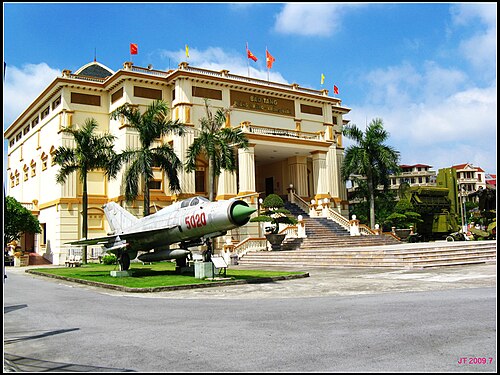
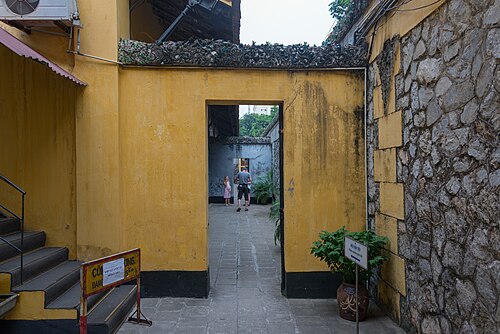
Hoa Lo Prison Relic, locally known as Di tích Nhà tù Hỏa Lò, is a historical museum in Hanoi. The site preserves a former colonial-era prison complex.
- Must see
- Museum
- Hanoi
Language · 11 published
Country guide
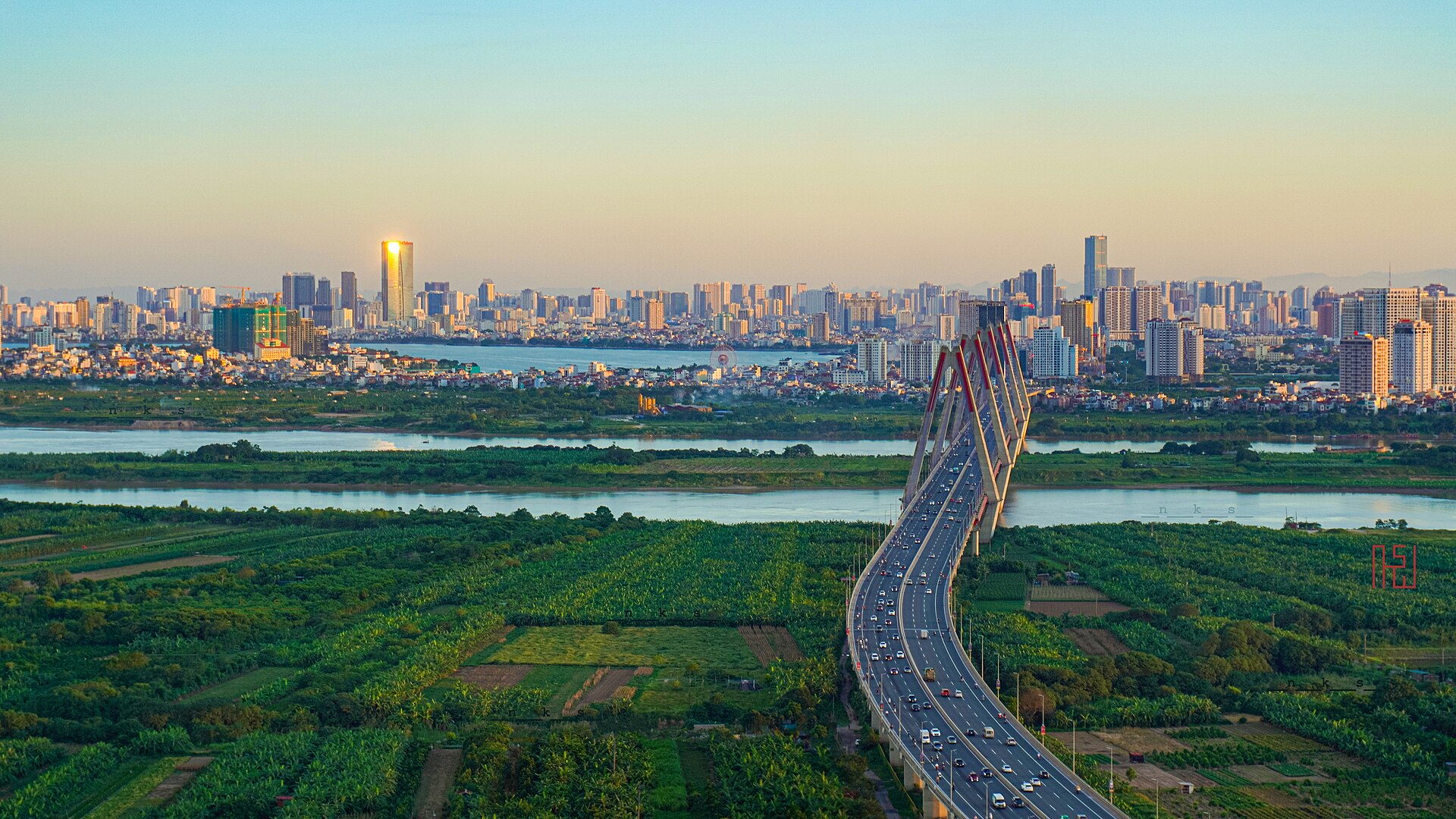
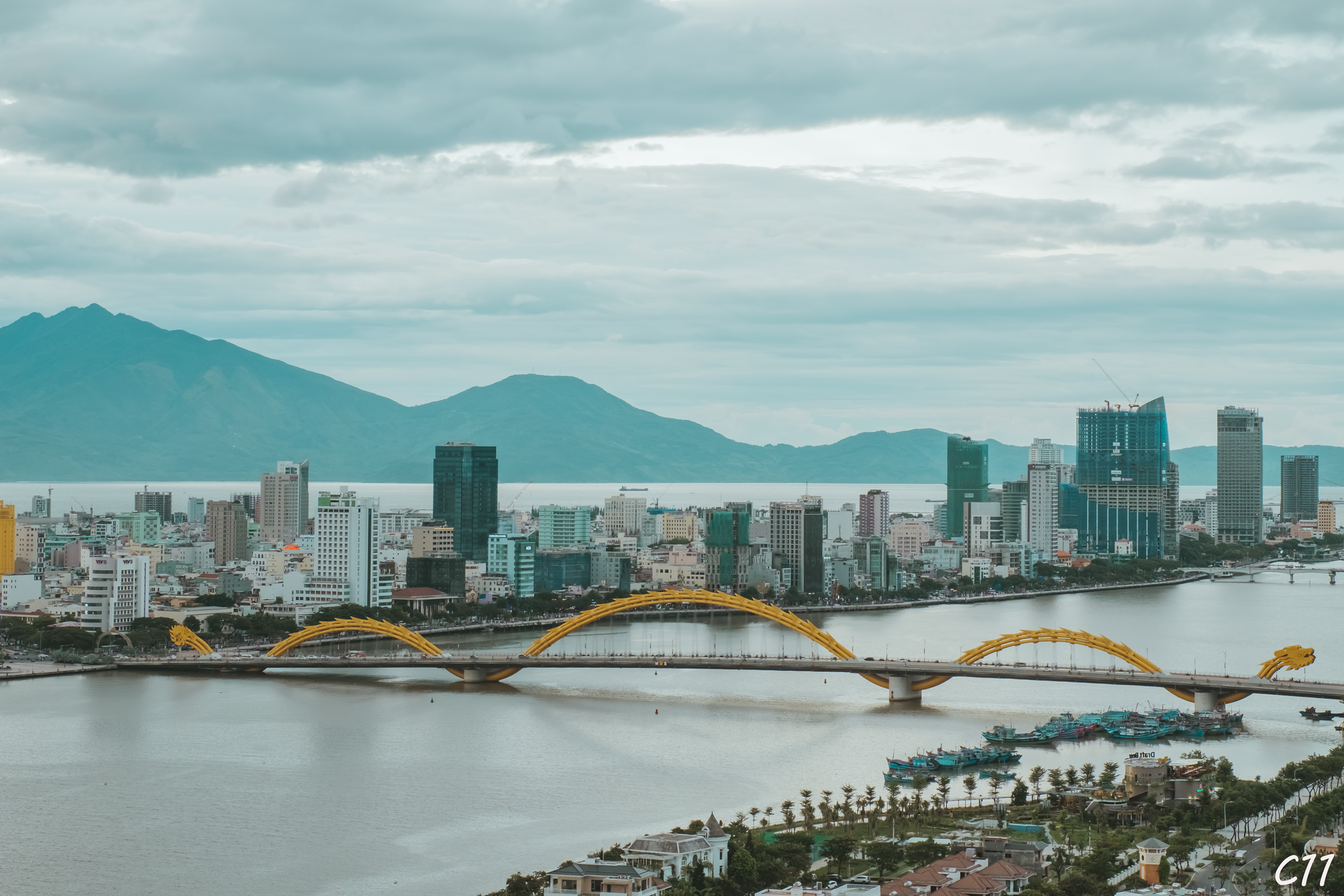
Vietnam covers 331,344.82 km² and its 2025 population estimate is 102,300,000, held mostly in two river deltas at opposite ends of a long, narrow country: the Red River in the north around Hanoi, the Mekong in the south below Ho Chi Minh City. Hanoi is the capital and Ho Chi Minh City the largest city, and the ground between the two is the trip — a coast measured in days rather than hours, usually broken into three or four stops instead of run in one go. Which end a traveller starts from decides the order of everything after it.
Reviewed by Elena Voss · Roavina Travel Editor
Every city catalogued in this country so far, ranked by how much there is to see.
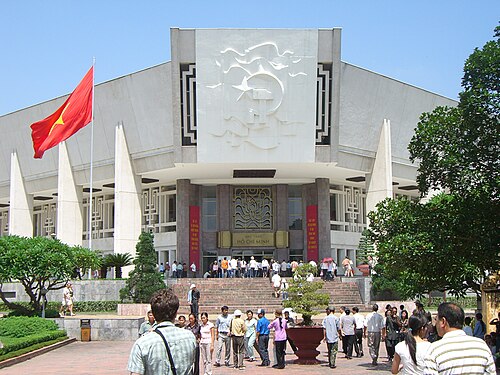
Photograph · Clay Gilliland · CC BY-SA 2.0
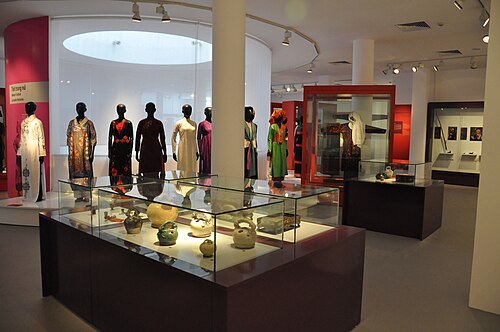
Photograph · NKSTTSSHNVN · CC BY-SA 4.0
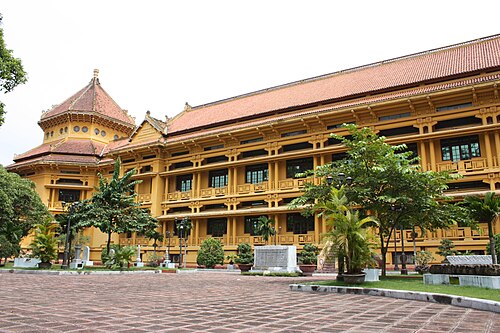
Photograph · Cuong Tran · Public domain
Ranked by importance — sitelinks, pageviews and heritage status, not editor preference.
18 places match
Category
Typical visit duration
Interests
Nhà tù Hỏa Lò
Hoa Lo Prison Relic, locally known as Di tích Nhà tù Hỏa Lò, is a historical museum in Hanoi. The site preserves a former colonial-era prison complex.
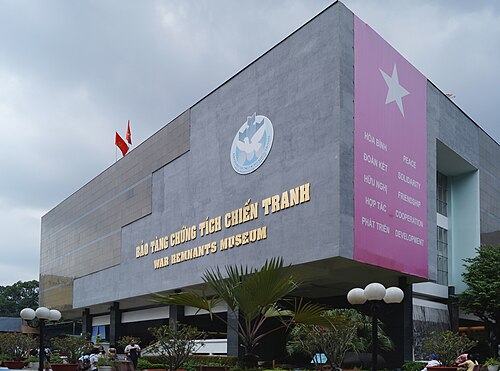
Bảo tàng Chứng tích Chiến tranh
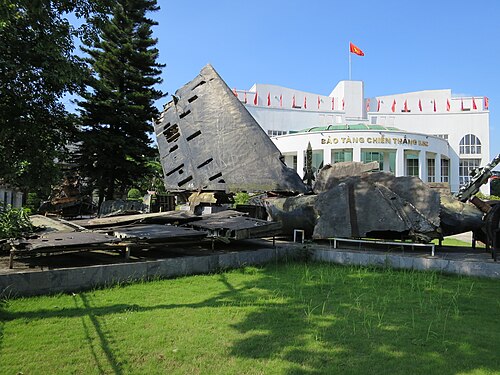
The War Remnants Museum, known locally as Bảo tàng Chứng tích Chiến tranh, stands as a significant institution in Ho Chi Minh City dedicated to documenting the Vietnam War and its enduring consequences.
Bảo tàng Mỹ thuật Việt Nam
The Vietnam National Museum of Fine Arts is a state-run institution in Hanoi dedicated to preserving and exhibiting Vietnamese visual art. Housed in a colonial-era building, it serves as the country's principal repository for fine arts.
Bảo tàng Hồ Chí Minh
The Ho Chi Minh Museum is a major state museum in Hanoi dedicated to the life and legacy of Ho Chi Minh, the founding father of modern Vietnam.
Bảo tàng Phụ nữ Việt Nam
The Vietnamese Women's Museum is a cultural institution in Hanoi dedicated to documenting and celebrating the roles of women in Vietnamese society throughout history.
Bảo tàng Lịch sử Quốc gia Việt Nam
The National Museum of Vietnamese History occupies a distinctive building in central Hanoi, constructed during the French colonial period. Originally built as the École Française d'Extrême-Orient, the structure blends French architectural elements with Asian influences.
Bảo tàng Dân tộc học Việt Nam
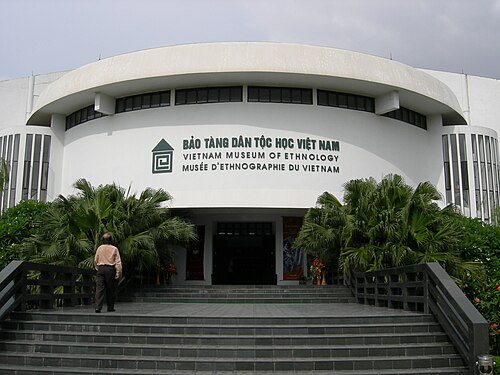
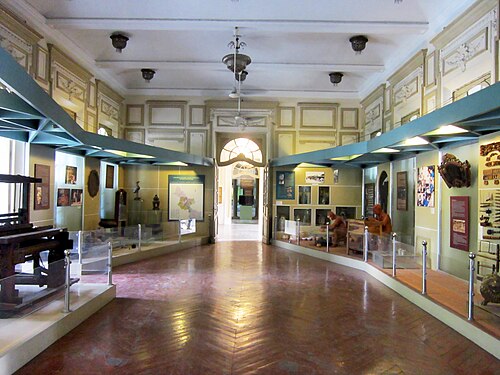
The Vietnam Museum of Ethnology is a museum in Hanoi dedicated to the 54 officially recognized ethnic groups of Vietnam. Its full local name is Bảo tàng Dân tộc học Việt Nam.
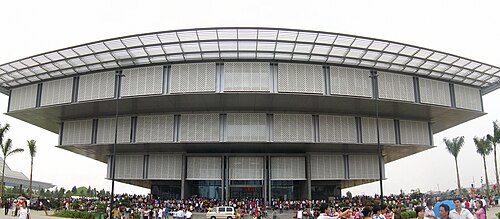
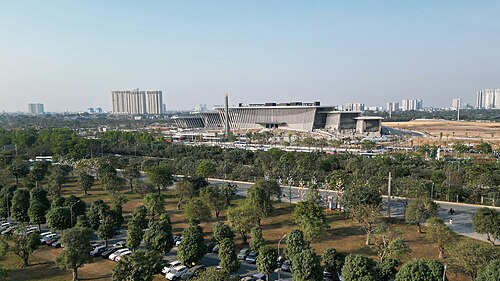
Bảo tàng Hà Nội
Hanoi Museum is a municipal museum dedicated to the history and culture of Vietnam's capital city. The building features a distinctive inverted pyramid architectural design that sets it apart from other cultural institutions in the region.
Bảo tàng Lịch sử Thành phố Hồ Chí Minh
The Museum of Vietnamese History in Ho Chi Minh City opened in 1929 as the Blanchard de la Brosse Museum, the first museum in southern Vietnam.
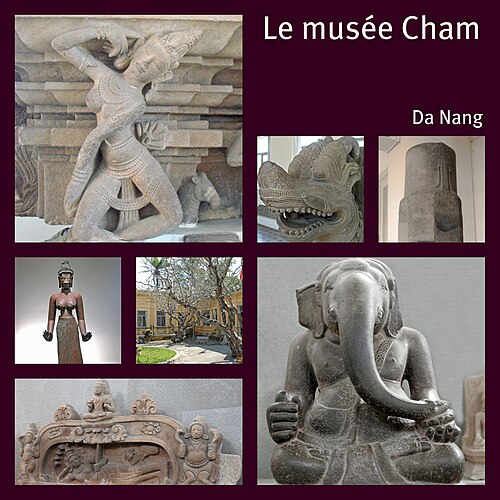
Bảo tàng Nghệ thuật Điêu khắc Chăm Đà Nẵng
The Museum of Cham Sculpture is a museum in Da Nang, Vietnam, dedicated to the art and heritage of the Champa civilization. The Champa kingdom flourished in central and southern Vietnam for many centuries, leaving behind remarkable sculptural works.
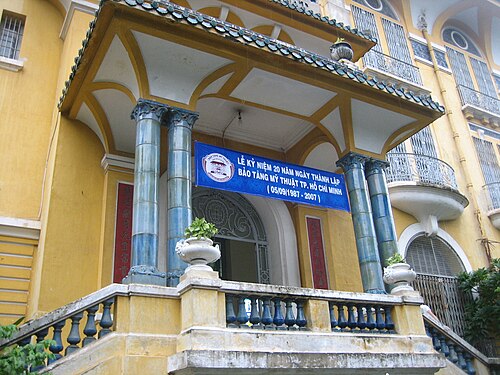
Bảo tàng Mỹ thuật Thành phố Hồ Chí Minh
Ho Chi Minh City Museum of Fine Arts is a major cultural institution in Vietnam's largest city. Housed in a distinctive colonial-era building, the museum serves as a repository for Vietnamese artistic heritage spanning multiple periods.
Bảo tàng Lịch sử Quân sự Việt Nam
The Vietnam Military History Museum in Hanoi is a state-run institution dedicated to documenting Vietnam's military struggles and victories across centuries. Its local name, Bảo tàng Lịch sử Quân sự Việt Nam, reflects its national significance.
Bảo tàng Phòng không - Không quân
The Vietnam People's Air Force Museum is a military aviation museum in Hanoi dedicated to the history of the Vietnam People's Air Force. It displays aircraft, weaponry, and artifacts related to Vietnamese aerial warfare.
Bảo tàng Chiến thắng B52
The B-52 Victory Museum is a military history museum in Hanoi commemorating the 1972 aerial campaign known in Vietnam as Dien Bien Phu in the Air.
Bảo tàng Đà Nẵng
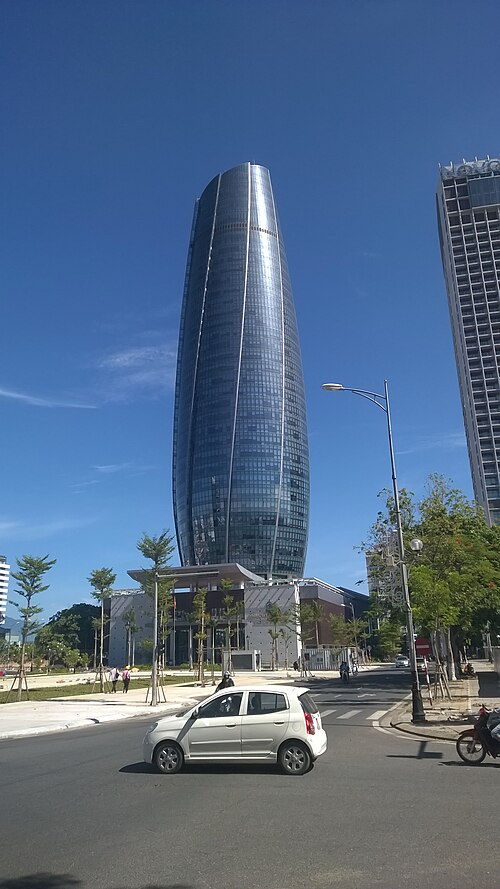
Da Nang Museum is the city's principal civic-history museum, now situated in a new waterfront location. It serves as the main institution dedicated to preserving and presenting the history, culture, and development of Da Nang and its surrounding region.
Dong Dinh Museum is a private museum located on Son Tra Peninsula in Da Nang. The institution occupies a forested setting and presents itself as a distinctive cultural venue combining regional memory, architectural elements, and natural surroundings.
Bảo tàng Thành phố Hồ Chí Minh
The Ho Chi Minh City Museum occupies a prominent French colonial-era palace in central Ho Chi Minh City. Built in the late 19th century, the structure served as the residence of the Governor of Cochinchina before becoming a museum.
Bảo tàng Thiên nhiên Việt Nam
The Vietnam National Museum of Nature is a scientific institution in Hanoi dedicated to the country's natural heritage. Its local name is Bảo tàng Thiên nhiên Việt Nam.
Source: OpenStreetMap contributors, Wikidata ·
A north-to-south first trip needs about two weeks; with ten days, choose two regions such as Hanoi and the centre or Da Nang and Ho Chi Minh City. Overnight trains and domestic flights shorten distance but still consume transfer time.
Apply through Vietnam’s official electronic-visa portal if the passport and trip qualify. Confirm the approved entry point, validity dates and permitted stay before finalising the route, because an authorisation tied to one crossing should not be assumed valid for another.
Hanoi, Ho Chi Minh City and Da Nang are the key gateways for common itineraries. Domestic flights, the north-south railway and coaches connect regions; local systems vary, so use licensed taxis or recognised booking channels and verify the correct station or terminal.
Vietnam’s north, central coast and south have different wet and dry periods. Choose travel dates around the most weather-sensitive region: central beach conditions, northern mountain visibility and southern rainfall cannot be summarised by one nationwide “best month.”
The Vietnamese đồng is the recorded currency, and the high denomination numbers deserve a deliberate check before payment. Cash remains useful for small vendors and local transport; use reputable ATMs or banks and verify each zero on quoted VND prices.
Police, fire and ambulance are recorded as 113, 114 and 115; common power is Type A and C at 220 V. Tap-water advice is Not recorded here, so ask locally and keep transport-provider details available for long rail or coach journeys.