Dien Hai Citadel
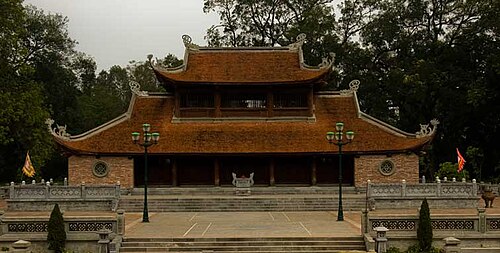
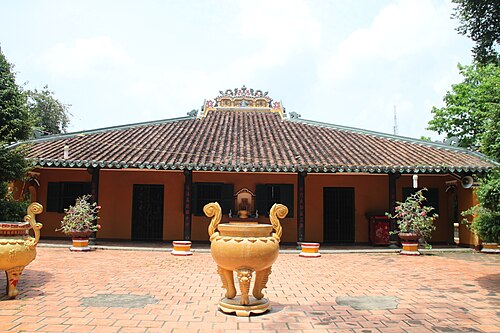
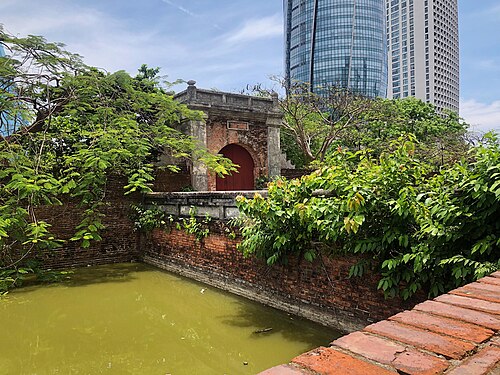
Dien Hai Citadel is a historic military fortification in Da Nang, Vietnam. Constructed in 1813 during the Nguyen Dynasty, it was originally named Dien Hai Fort.
- Must see
- Historic monument
- Da Nang
Language · 11 published
Country guide
Vietnam covers 331,344.82 km² and its 2025 population estimate is 102,300,000, held mostly in two river deltas at opposite ends of a long, narrow country: the Red River in the north around Hanoi, the Mekong in the south below Ho Chi Minh City. Hanoi is the capital and Ho Chi Minh City the largest city, and the ground between the two is the trip — a coast measured in days rather than hours, usually broken into three or four stops instead of run in one go. Which end a traveller starts from decides the order of everything after it.
Reviewed by Elena Voss · Roavina Travel Editor
Every city catalogued in this country so far, ranked by how much there is to see.
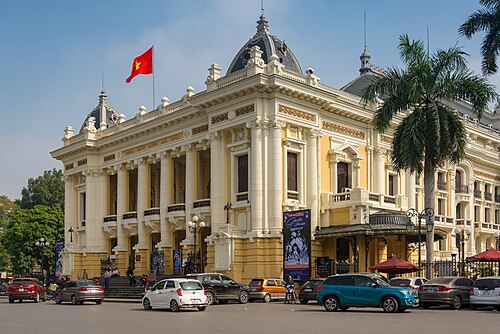
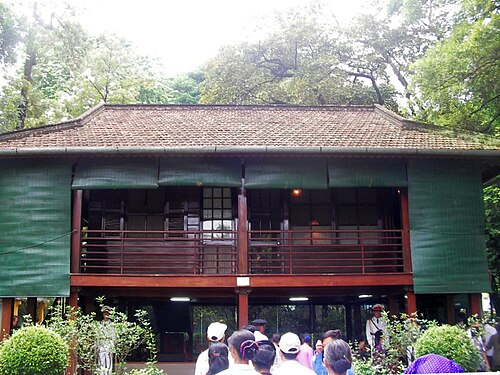
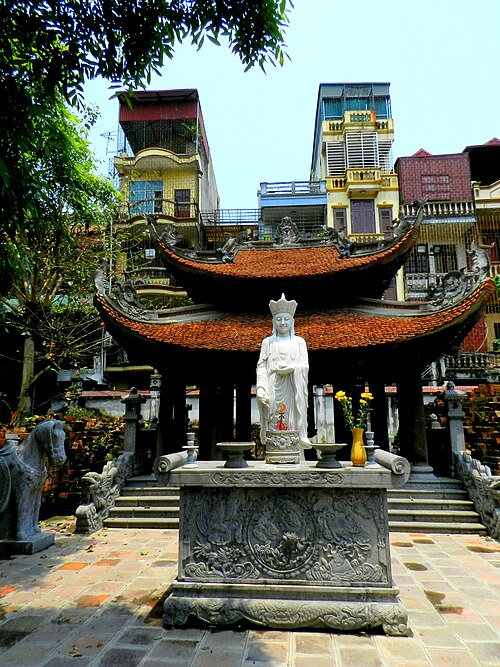
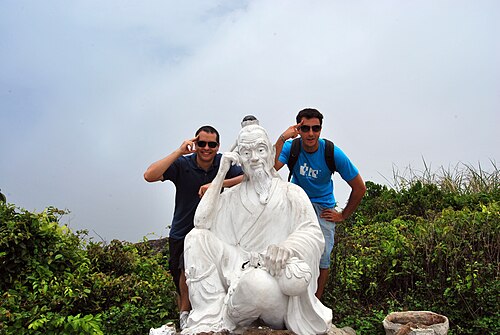
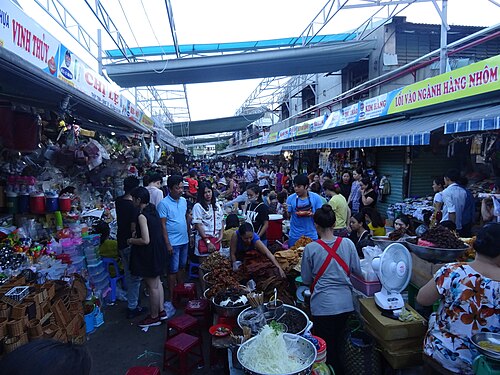
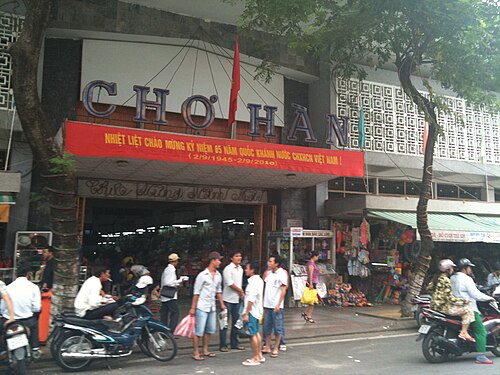
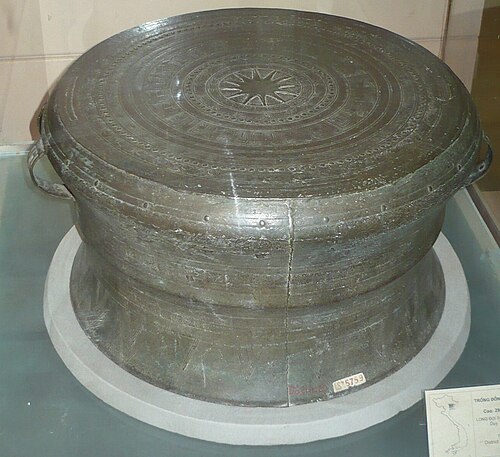
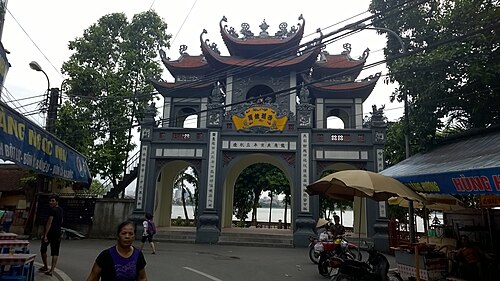
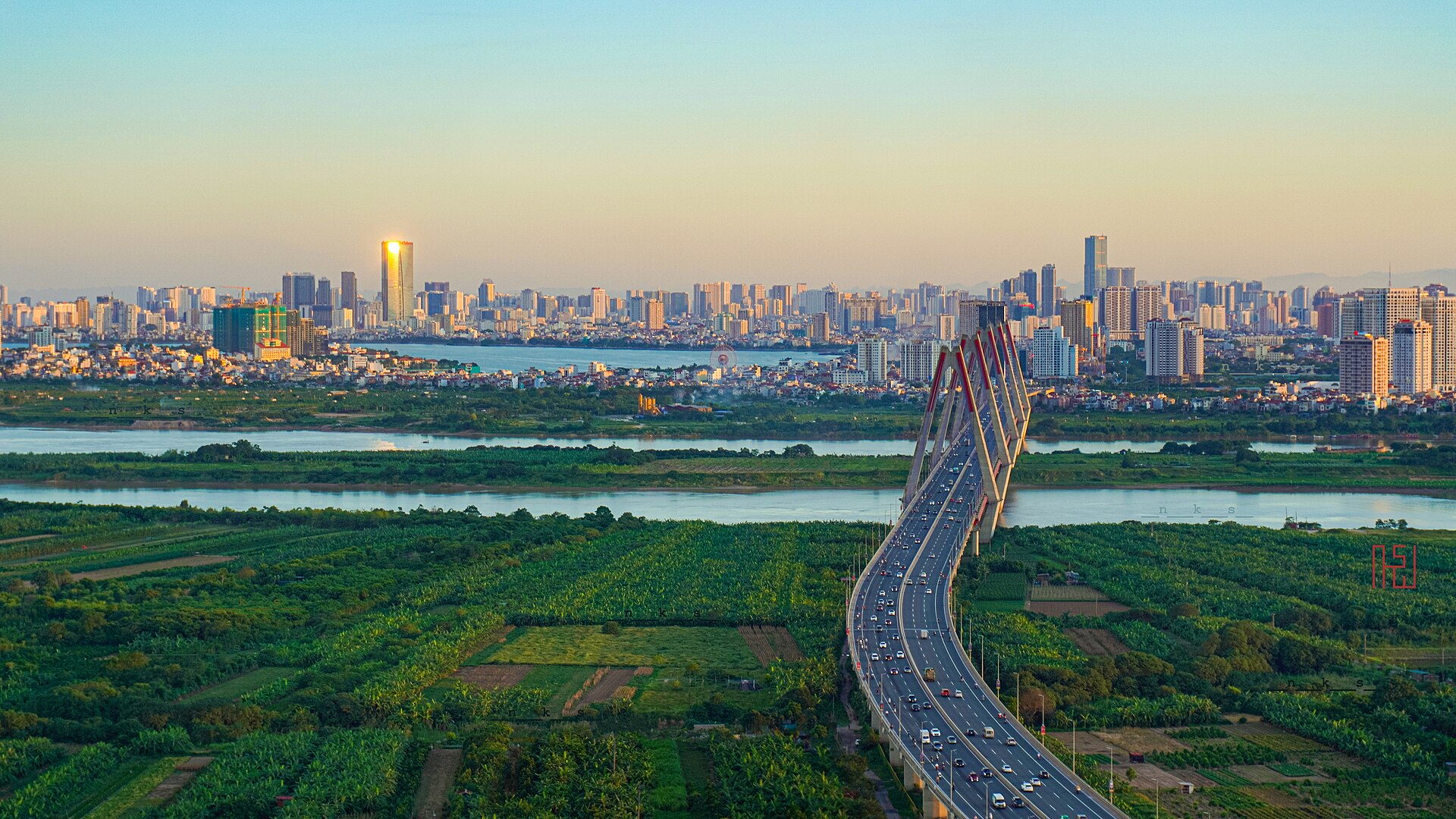
Photograph · Clay Gilliland · CC BY-SA 2.0
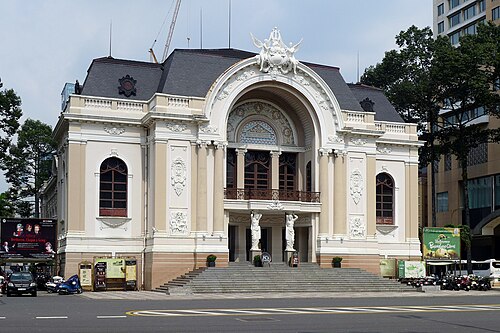
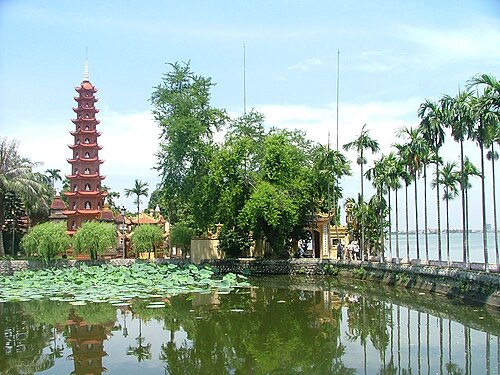
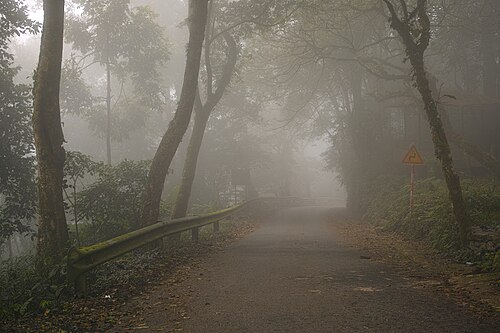
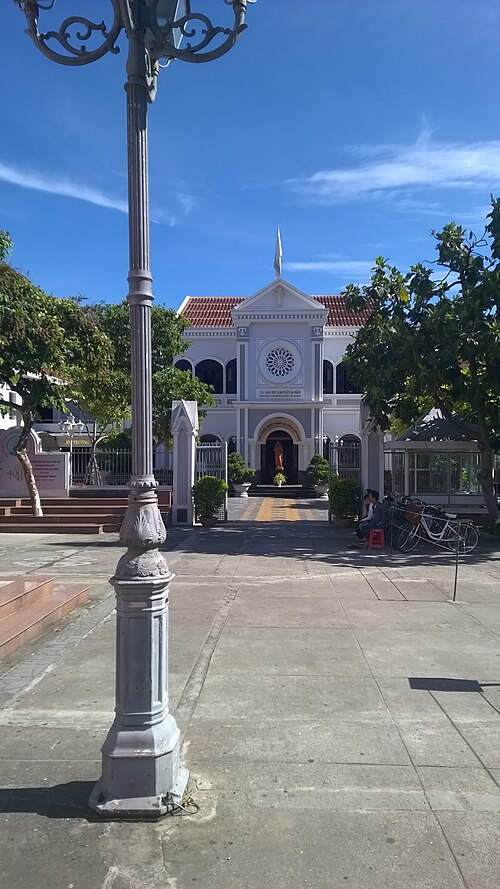
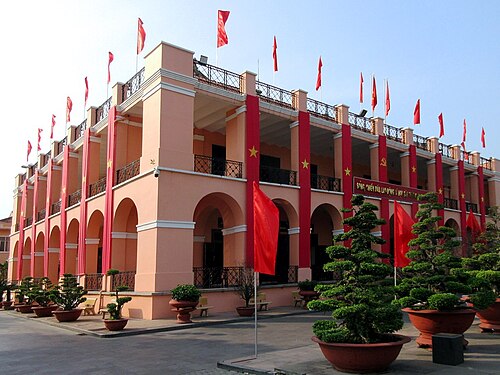
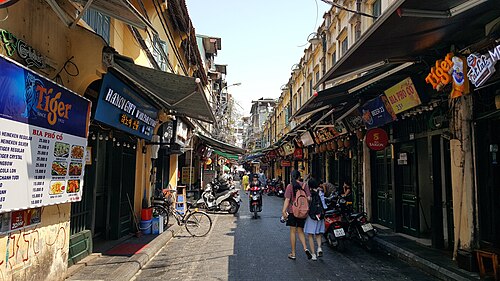
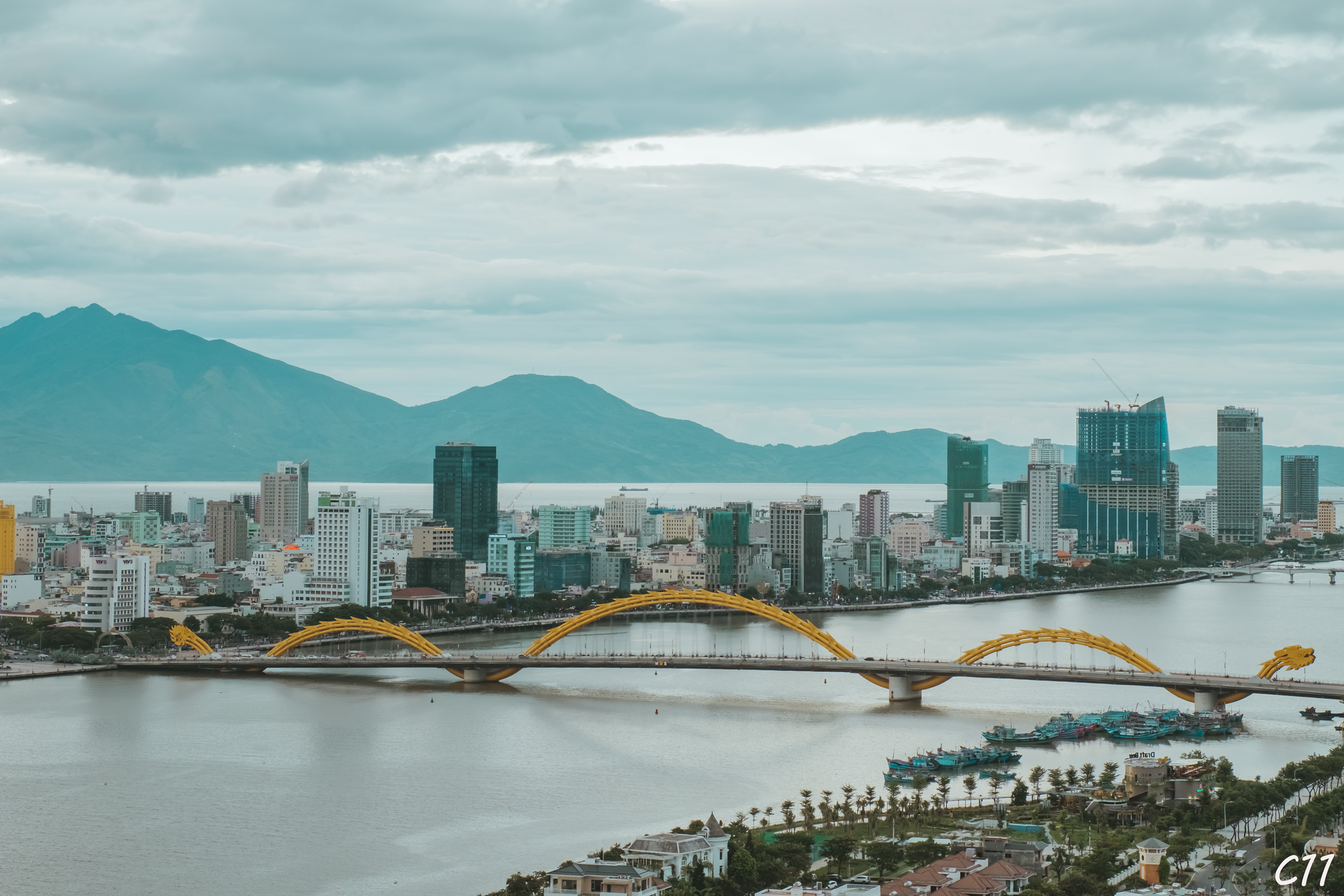
Photograph · NKSTTSSHNVN · CC BY-SA 4.0
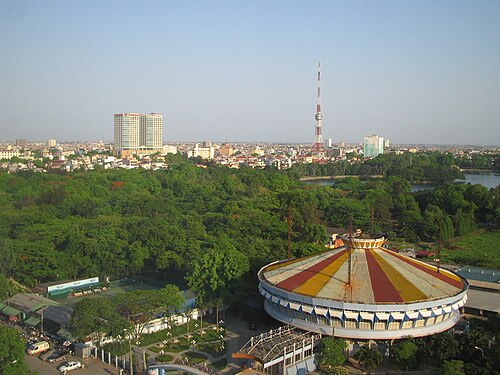
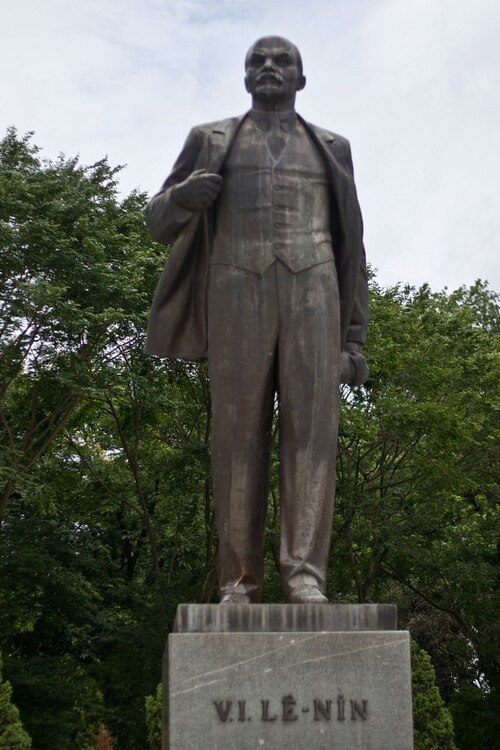
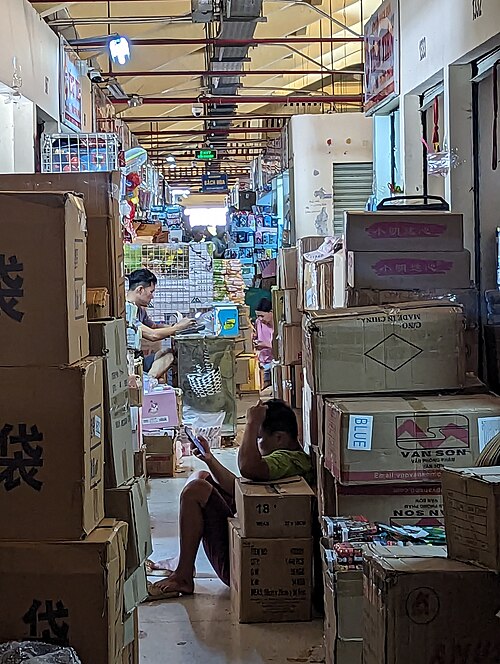
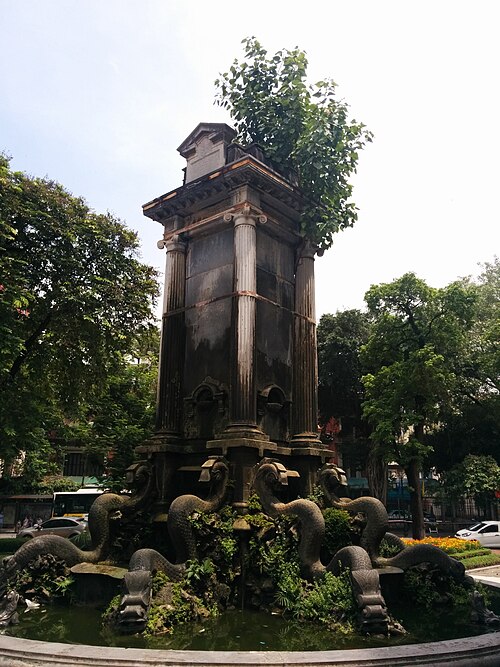
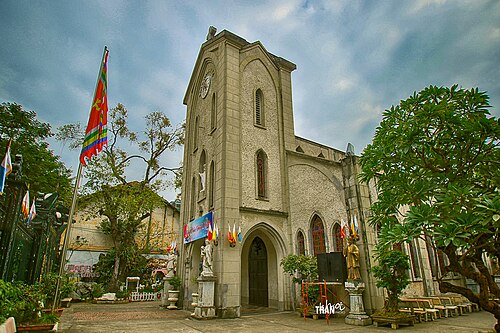
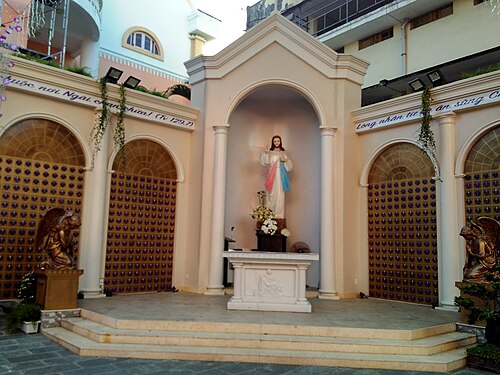
Photograph · Cuong Tran · Public domain
Ranked by importance — sitelinks, pageviews and heritage status, not editor preference.
94 places match
Category
Typical visit duration
Interests
Dien Hai Citadel is a historic military fortification in Da Nang, Vietnam. Constructed in 1813 during the Nguyen Dynasty, it was originally named Dien Hai Fort.
Long Bien Bridge is a historic cantilever bridge across the Red River in Hanoi, Vietnam. Constructed during the French colonial period, it was designed by Gustave Eiffel's company and completed in the early twentieth century.
Nguyen Van Binh Book Street is a pedestrian thoroughfare in Ho Chi Minh City dedicated to books and reading culture. It stretches beside Notre-Dame Cathedral Basilica of Saigon in District 1.
Phung Hung Mural Street is a public art installation along Phung Hung Street in Hanoi's Old Quarter.
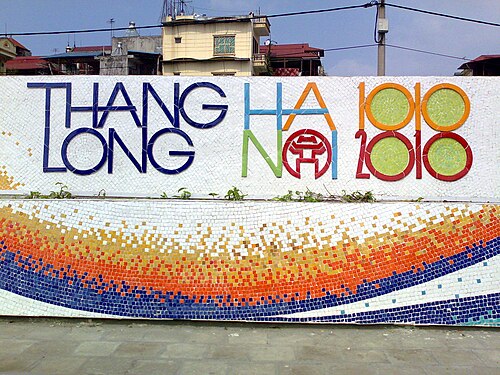
The Hanoi Ceramic Mosaic Mural is a monumental public artwork in Vietnam's capital. Commissioned in 2007 for the Millennial Anniversary of Hanoi, it holds recognition as one of the world's largest ceramic mosaics.
Thac Gian Communal House is a Vietnamese đình, or traditional village communal house, located in central Da Nang. It stands as an independent national architectural heritage site, recognized for its historical and cultural significance to the region.
Hoàng thành Thăng Long
The Imperial Citadel of Thang Long is a UNESCO World Heritage Site in central Hanoi, Vietnam.
Lăng Chủ tịch Hồ Chí Minh
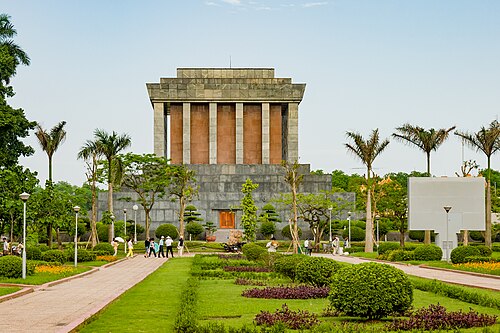
The Ho Chi Minh Mausoleum, known locally as Lăng Chủ tịch Hồ Chí Minh, stands as a monumental memorial in central Hanoi.
Địa Đạo Bến Đình Củ Chi
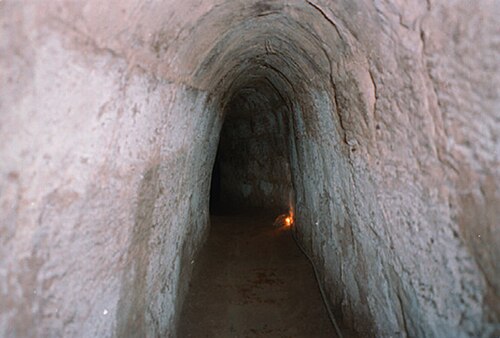
The Cu Chi Tunnels comprise an extensive underground network located northwest of Ho Chi Minh City, formerly Saigon. Constructed during the mid-20th century conflict period, these passages served as hiding spots, supply routes, hospitals, and living quarters.
Cầu Rồng
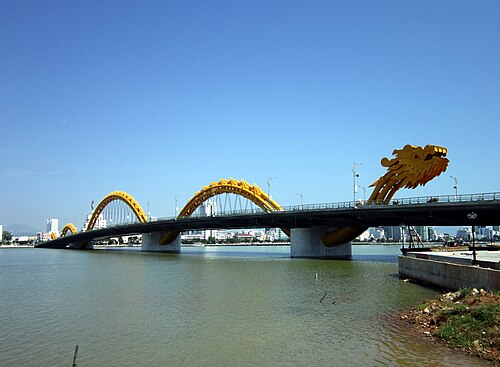
Dragon Bridge, known locally as Cầu Rồng, is a steel bridge spanning the Hàn River in Da Nang, Vietnam.
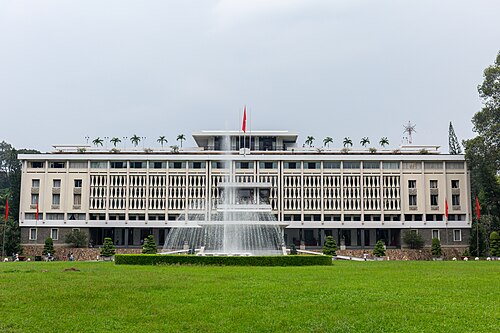
Dinh Độc Lập
Independence Palace, known locally as Dinh Độc Lập, stands as one of Ho Chi Minh City's most historically significant landmarks. The structure served as the residence and workplace of the President of South Vietnam during the Vietnam War era.
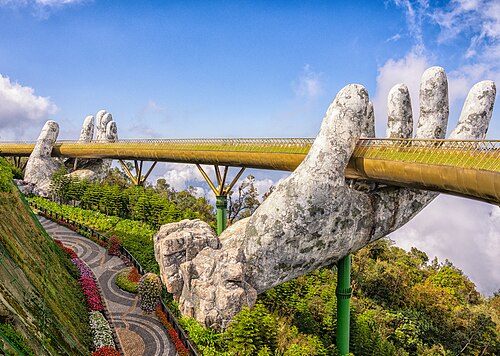
Cầu Vàng
Golden Bridge is a mountain pedestrian landmark within Sun World Ba Na Hills, distinguished by a curved walkway held visually by two enormous stone-like hands.
Nhà thờ Đức Bà Sài Gòn
The Notre-Dame Cathedral Basilica of Saigon is a prominent Catholic cathedral in Ho Chi Minh City, Vietnam. Constructed by French colonists in the late nineteenth century, it stands as one of the city's most recognizable architectural landmarks.
Văn Miếu - Quốc Tử Giám
The Temple of Literature, known locally as Văn Miếu - Quốc Tử Giám, stands as Vietnam's first national university. Founded in 1070 during the Lý dynasty, it originally served as a Confucian temple before expanding into an imperial academy.
Quảng trường Ba Đình
Ba Dinh Square is a large open square in central Hanoi, widely recognised as the political and historical heart of Vietnam.
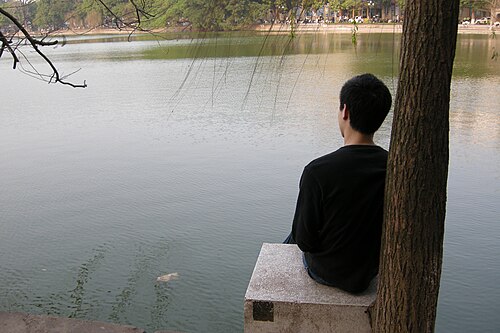
Hồ Hoàn Kiếm
Hoan Kiem Lake, locally Hồ Hoàn Kiếm, sits at Hanoi's historic core. The name translates to Lake of the Returned Sword, referencing a legend about Emperor Le Loi receiving a divine blade from a turtle deity.
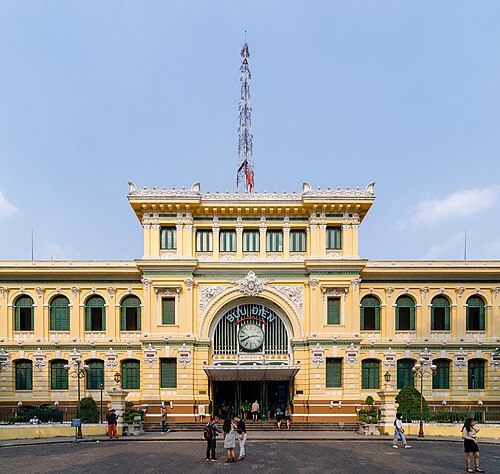
Bưu điện Trung tâm Sài Gòn
The Saigon Central Post Office is a prominent colonial-era landmark in Ho Chi Minh City, Vietnam.
Đèo Hải Vân
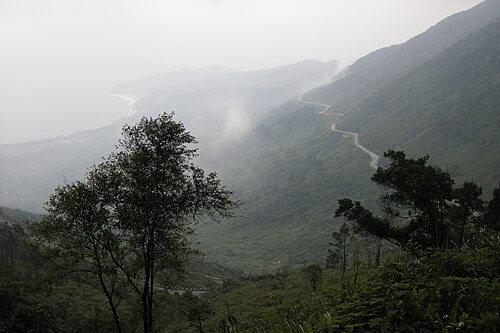
Hai Van Pass is a dramatic mountain pass on the border of Da Nang and Thua Thien-Hue provinces. The name translates to Ocean Cloud Pass, reflecting its mist-shrouded peaks and coastal vistas.
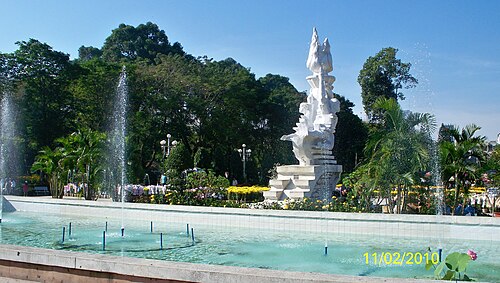
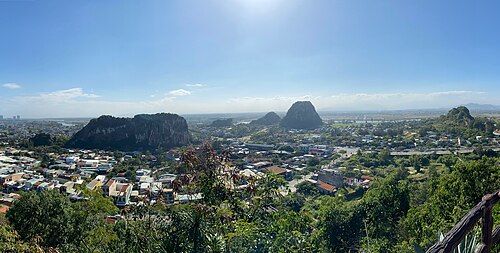
Marble Mountains, known locally as Ngũ Hành Sơn, is a cluster of five limestone and marble hills located south of Da Nang in central Vietnam.
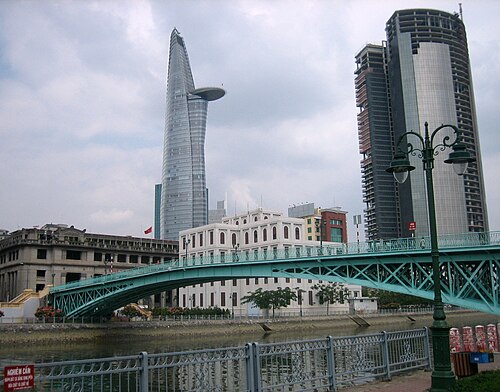
Thảo Cầm Viên Sài Gòn
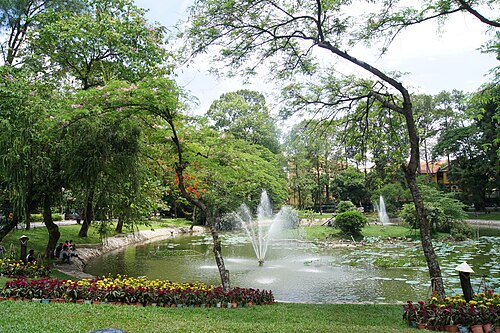
Saigon Zoo and Botanical Gardens is a historic green space in Ho Chi Minh City, combining zoological exhibits with botanical collections. Established during the French colonial period, it represents one of the oldest continuously operating zoos in the region.
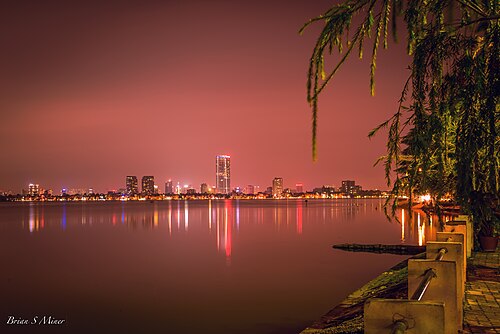
Hồ Tây
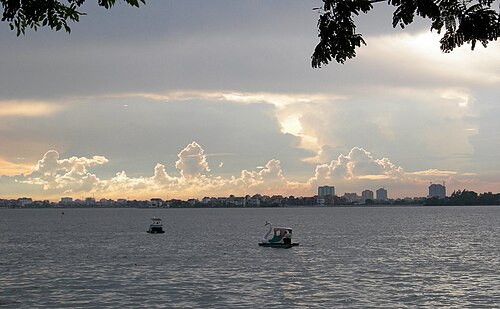
West Lake, known locally as Hồ Tây, is the largest freshwater lake in Hanoi, Vietnam's capital. This expansive urban water body occupies a significant portion of the city's northwestern district and has historically shaped settlement patterns around its perimeter.
Nhà hát Lớn
The Hanoi Opera House is a performing arts venue in central Hanoi, constructed during the French colonial period. The building exemplifies French neoclassical architecture with Italianate influences, featuring a grand facade, columns, and ornate interior details.
Nhà hát Thành phố
The Saigon Opera House, known locally as Nhà hát Thành phố Hồ Chí Minh, stands as a prominent performing arts venue in central Ho Chi Minh City.
Công viên 23 tháng 9
September 23 Park is a central Ho Chi Minh City green space in District 1, close to the Pham Ngu Lao area. Its position makes it useful for travellers who want a short outdoor pause while exploring the downtown core.
Công viên Thống Nhất
Thong Nhat Park, known locally as Công viên Thống Nhất, stands as one of Hanoi's significant urban green spaces.
Hồ Trúc Bạch
Truc Bach Lake is a freshwater lake situated in the Ba Dinh district of Hanoi, Vietnam. It lies immediately northwest of the larger and more celebrated West Lake, separated by Thanh Nien Road.
Bãi biển Mỹ Khê
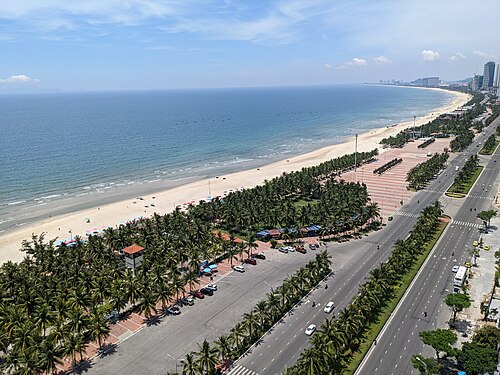
My Khe Beach, known locally as Bãi biển Mỹ Khê, is a prominent coastal stretch in Da Nang, Vietnam. It extends along the eastern edge of the city, facing the South China Sea.
Khu Di tích Phủ Chủ tịch
The Presidential Palace Historical Site is a significant heritage complex in Hanoi, serving as the official residence and workplace of the President of Vietnam. The site encompasses French colonial architecture alongside Vietnamese elements, reflecting the nation's layered political history.
Chùa Một Cột
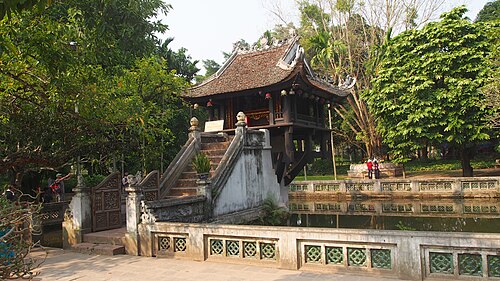
The One Pillar Pagoda, known locally as Chùa Một Cột, is a historic Buddhist temple in Hanoi.
Công viên Tao Đàn
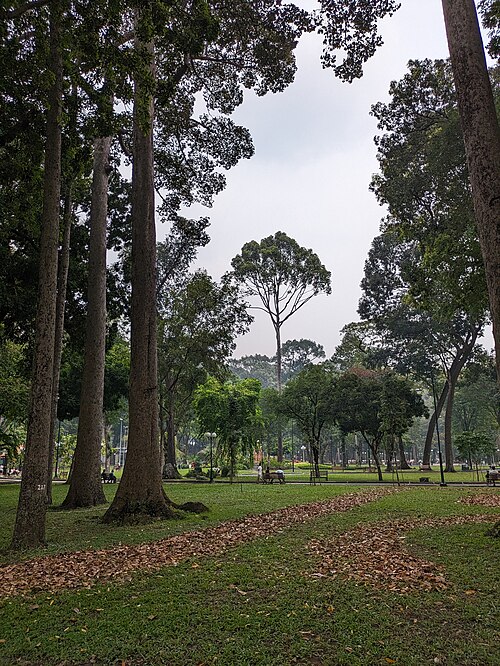
Tao Dan Park is a substantial public green space in central Ho Chi Minh City. It gives residents and travellers room to walk, sit, exercise, and watch everyday city life within a dense metropolitan setting.
Thành cổ Sơn Tây
Son Tay Ancient Citadel, or Thành cổ Sơn Tây, is a historic military fortress west of central Hanoi in the Son Tay area.
Nhà thờ Lớn
St Joseph's Cathedral is a Roman Catholic cathedral in Hanoi's Old Quarter. Constructed in the late nineteenth century during the French colonial period, it serves as the seat of the Roman Catholic Archdiocese of Hanoi.
Chùa Trấn Quốc
Tran Quoc Pagoda, known locally as Chùa Trấn Quốc, is a Buddhist temple situated on a small island near the southeastern shore of West Lake in Hanoi, Vietnam.
Công viên Lê-nin
Lenin Park, locally known as Công viên Lê Nin, is a public green space in Hanoi named after the Russian revolutionary leader Vladimir Lenin.
Công viên Lê Văn Tám
Le Van Tam Park is a public green space in Ho Chi Minh City, named after Le Van Tam, a Vietnamese historical figure. Its main appeal is the contrast between shaded parkland and the dense metropolitan streets around it.
Cầu Mống
Mong Bridge is a historic bridge structure in Ho Chi Minh City, Vietnam, crossing a waterway within the dense urban landscape. The bridge forms part of the city’s colonial-era infrastructure and remains a practical crossing for pedestrians and traffic.
Chùa Thiên Trù
The Perfume Pagoda, known locally as Chùa Hương, is a vast complex of Buddhist temples and shrines built into the limestone Huong Tich mountains southwest of Hanoi.
Đền Ngọc Sơn
Ngoc Son Temple, locally Đền Ngọc Sơn, stands on Jade Island in Hoan Kiem Lake, central Hanoi. The temple honors national heroes including Tran Hung Dao, scholar Van Xuong, and La To, patron of physicians.
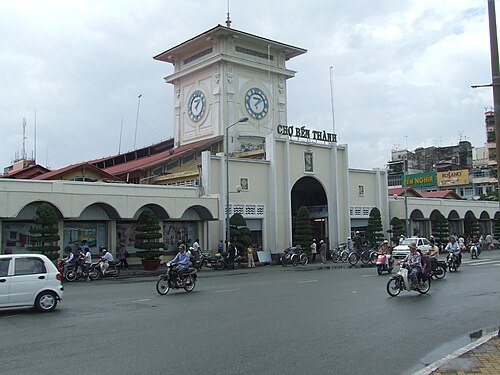
Chợ Bến Thành
Ben Thanh Market, known locally as Chợ Bến Thành, stands as one of Ho Chi Minh City's most recognised commercial landmarks. The market occupies a central position in District 1, with its distinctive clock tower visible from surrounding streets.
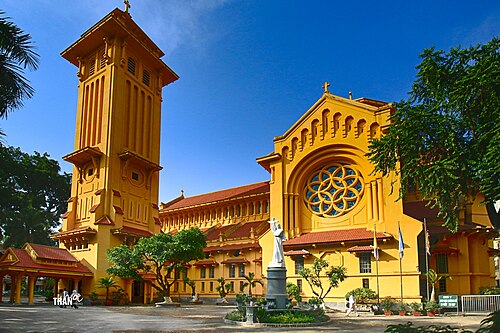
Nhà thờ Cửa Bắc
Cua Bac Church, known locally as Nhà thờ Cửa Bắc, stands as a Catholic church in Hanoi, Vietnam. The structure reflects colonial-era religious architecture and serves as a functioning place of worship.
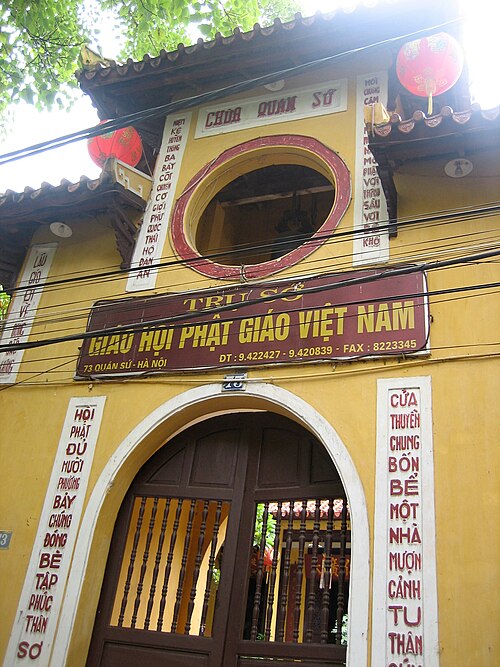
Chùa Quán Sứ
Quan Su Pagoda, known locally as Chùa Quán Sứ, is a Buddhist temple in Hanoi. It serves as the headquarters of the Vietnam Buddhist Sangha, the national Buddhist organization.
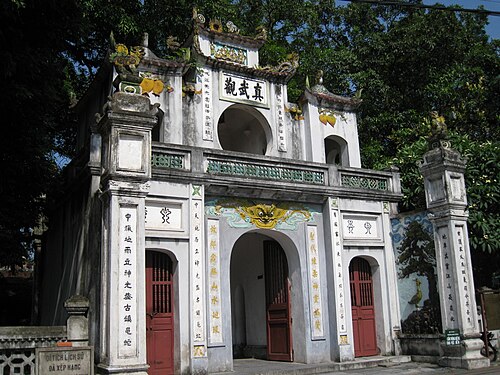
Đền Quán Thánh
Quan Thanh Temple is a Taoist temple in Hanoi, Vietnam, dedicated to Tran Vu, a principal deity in Taoist mythology associated with the north.
Vườn hoa Lý Thái Tổ
Ly Thai To Park, locally known as Vườn hoa Lý Thái Tổ, is a public park in central Hanoi situated near Hoan Kiem Lake.
Chùa Giác Lâm
Giac Lam Pagoda is the oldest major Buddhist pagoda in Ho Chi Minh City and ranks among the most significant temple complexes in southern Vietnam.
Chợ Đồng Xuân
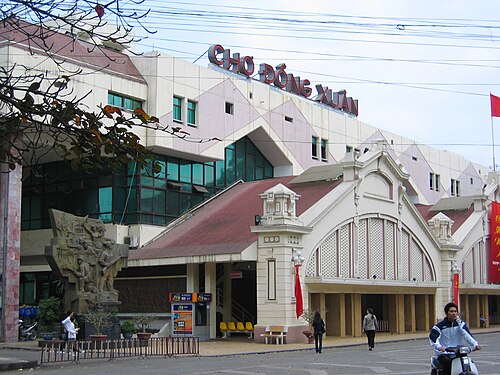
Dong Xuan Market is a historic covered market in Hanoi's Old Quarter, operating as one of the city's principal wholesale and retail trading hubs.
Chùa Vĩnh Nghiêm
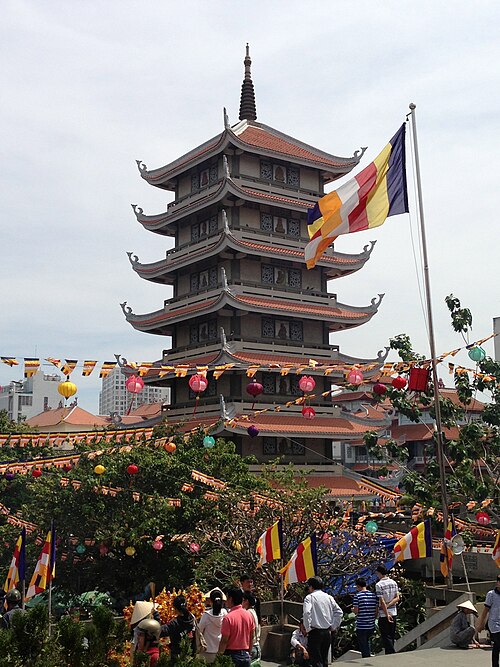
Vinh Nghiem Pagoda is a Buddhist temple in Ho Chi Minh City, Vietnam. It stands as a notable religious and architectural landmark within the urban landscape.
Đền Bạch Mã
Bach Ma Temple, known locally as Đền Bạch Mã, stands as one of Hanoi's most ancient spiritual sites.
Đền Hai Bà Trưng
Hai Ba Trung Temple, known locally as Đền Hai Bà Trưng, is a historic religious site in Hanoi dedicated to the Trung sisters, national heroines who led a rebellion against Chinese domination in the first century CE.
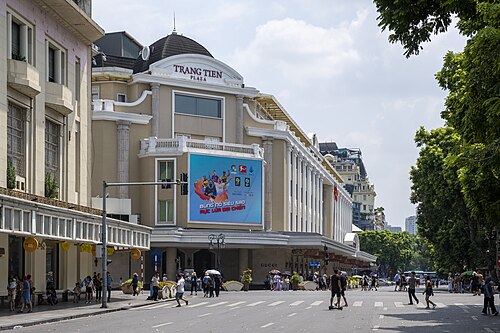
Tràng Tiền Plaza
Trang Tien Plaza is a prominent shopping complex situated on Trang Tien Street in central Hanoi, occupying a strategic position near Hoan Kiem Lake.
Aeon Mall Long Bien is a large-scale modern shopping complex situated on the eastern bank of the Red River in Hanoi.
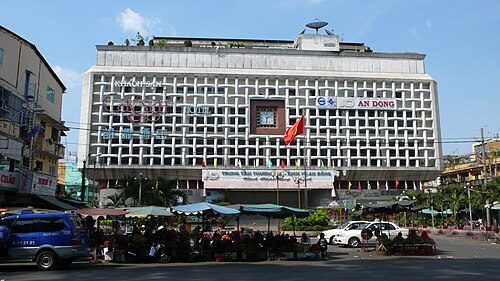
An Dong Market is a commercial marketplace located in Ho Chi Minh City, Vietnam. It operates as a retail and wholesale trading venue serving local residents and visitors seeking goods in a traditional market setting.
Ban Co Peak is a prominent elevated viewpoint located in Da Nang, a major coastal city in central Vietnam. The peak offers panoramic vistas over the surrounding landscape, including urban areas, coastline, and mountainous terrain.
Vườn quốc gia Ba Vì
Ba Vi National Park is a mountainous protected landscape west of Hanoi, rising above the Red River Delta. It is a strong choice when you want forest, cooler mountain air, and open countryside instead of another urban attraction.
Chợ Bình Tây
Binh Tay Market is the principal wholesale market of Cholon in Ho Chi Minh City’s District 6.
Phố Sách Hà Nội
Hanoi Book Street, known locally as Phố Sách Hà Nội, is a pedestrian-oriented cultural space dedicated to literature and reading. Located in the heart of Vietnam's capital, this street transforms a section of urban thoroughfare into a book-focused destination.
Khu dự trữ sinh quyển rừng ngập mặn Cần Giờ
Can Gio Mangrove Biosphere Reserve is Ho Chi Minh City's UNESCO-designated biosphere reserve, recognized for its protected mangrove forest ecosystem. The reserve represents the municipality's most significant nature-based excursion destination.
Công viên Cầu Giấy
Cau Giay Park, known locally as Công viên Cầu Giấy, is a public green space located in the Cau Giay District of Hanoi, Vietnam. The park serves as a recreational area for residents and visitors to the city.
Dau Pagoda, known locally as Chùa Đậu, is a Vietnamese Buddhist pagoda in Hanoi identified by OSM way 1461501278. The Vietnamese name is the most useful place-specific reference when asking for directions or confirming a destination.
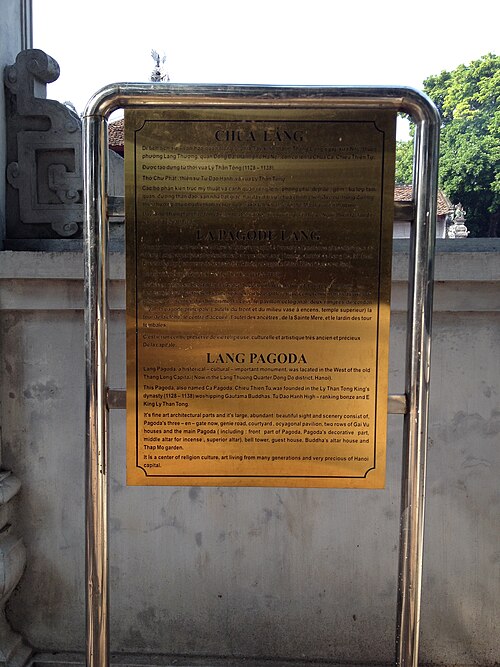
Lang Pagoda, known locally as Chùa Láng, is a Buddhist temple in Hanoi, Vietnam. The pagoda holds historical significance as a place of worship and cultural heritage within the capital.
Linh Ung Pagoda at Bai But is a prominent Buddhist temple complex situated on the Son Tra Peninsula coastline in Da Nang.
Chùa Trầm, or Tram Pagoda, stands as a Buddhist religious site in the greater Hanoi region of northern Vietnam. The pagoda occupies a hillside setting characteristic of Vietnamese temple architecture integrated with natural topography.
Tram Gian Pagoda, also known as Chùa Trăm Gian, is a Buddhist temple associated with Hanoi’s religious and cultural landscape. Its name translates as “One Hundred Room Pagoda,” linking the site with the idea of a once-extensive monastic complex.
Van Nien Pagoda, known locally as Chùa Vạn Niên, is a Buddhist temple site in Hanoi, Vietnam.
Co Loa Citadel is an ancient fortified settlement located north of central Hanoi. The site represents one of Vietnam's oldest defensive structures, with origins tracing to legendary and early historical periods of Vietnamese state formation.
APEC Sculpture Park is Da Nang's leading contemporary public-art park and a major landmark along the Han River. The park displays sculptures created by artists from APEC member economies, commemorating the APEC summit hosted in Vietnam.
Chợ Cồn
Con Market is Da Nang's other primary traditional market and the city's strongest street-food market.
Cu Chi Wildlife Rescue Station is a wildlife rescue facility located in the Cu Chi district near Ho Chi Minh City. The station serves as a rehabilitation centre for animals rescued from illegal wildlife trade, captivity, and habitat destruction.
Nhà thờ Chính tòa Đà Nẵng
Da Nang Cathedral, known locally as Nhà thờ Chính tòa Đà Nẵng, stands as a notable religious structure in central Vietnam's coastal city.
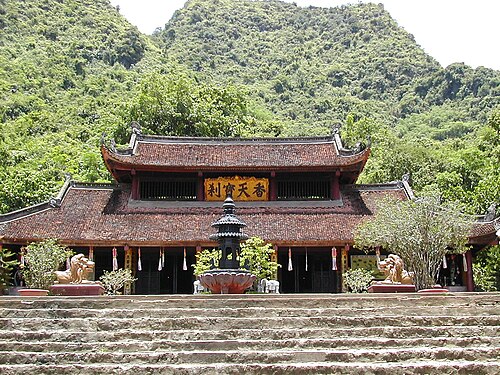
Và Temple, known locally as Đền Và, is a Vietnamese religious site within Hanoi’s wider cultural landscape. It is a place for worship and contemplation rather than a conventional attraction arranged around exhibits.
Vườn hoa Diên Hồng
Dien Hong Park, known locally as Vườn hoa Diên Hồng, is a green space in Hanoi, Vietnam. The park contributes to the city's network of public recreational areas, offering residents and visitors an outdoor environment within the urban fabric.
Thong Tay Hoi Communal House, known locally as Đình Thông Tây Hội, is one of Ho Chi Minh City’s oldest surviving communal houses. The site preserves southern Vietnamese timber architecture while continuing as an active place of village worship.
Hải Vân Quan
Hai Van Quan is a historic military gate situated at the summit of Hai Van Pass, which forms the natural boundary between Da Nang and Thua Thien-Hue provinces in central Vietnam.
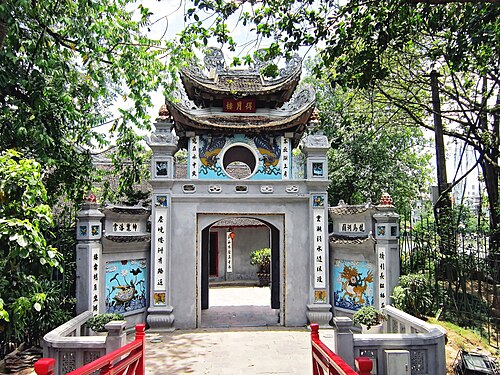
Chợ Hàn
Han Market is Da Nang's principal traditional market, serving as the city's everyday commercial hub for food culture and general goods. Located centrally near the Han River, it functions as a covered bazaar where residents conduct daily shopping.
Hanoi Creative City is a mixed-use creative complex in Hanoi, Vietnam. The development functions as a cultural and commercial hub that brings together creative industries, retail spaces, and community-oriented facilities.
Cầu Sông Hàn
The Han River Bridge, known locally as Cầu Sông Hàn, is a swing bridge spanning the Han River in Da Nang, central Vietnam. It holds distinction as Vietnam's first swing bridge designed and constructed by Vietnamese engineers.
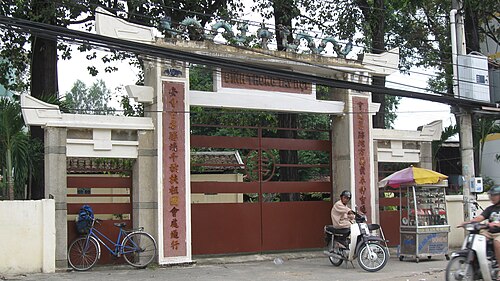
Nghia An Assembly Hall is a historic Teochew Chinese assembly hall and Guan Yu shrine located in Chợ Lớn, Ho Chi Minh City's Chinatown district.
Nhi Phu Assembly Hall, locally called Hội quán Nhị Phủ, stands as one of Chợ Lớn's historic Fujian assembly halls.
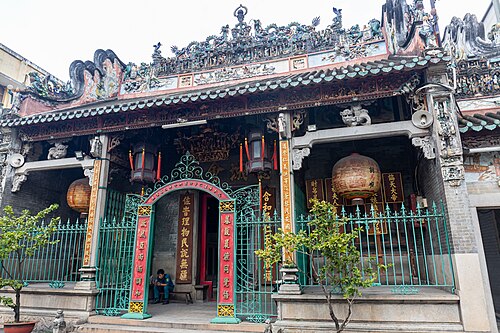
Ba Thien Hau Temple is a Chinese temple in Cholon, Ho Chi Minh City's Chinatown district.
Công viên Indira Gandhi
Indira Gandhi Park, known locally as Công viên Indira Gandhi, is a public green space in Hanoi named after the former Prime Minister of India.
Non Nuoc Stone Carving Village is a traditional craft settlement at the foot of the Marble Mountains in Da Nang.
Nam O Fishing Village is a historic coastal settlement on the northwestern edge of Da Nang, Vietnam.
Love Lock Bridge is a heavily visited riverfront landmark in Da Nang, Vietnam. It stands beside the famous Dragon Bridge and has developed a distinct identity as a romantic destination.
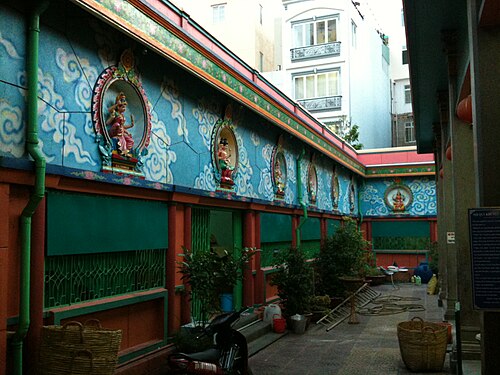
The Mariamman Hindu Temple is a Hindu place of worship in Ho Chi Minh City, Vietnam. It serves the city's small Hindu community, originally established by Tamil immigrants during the colonial period.
Nam Son Pagoda is an active Buddhist temple in Da Nang, Vietnam, serving as a place of worship and spiritual practice for the local Buddhist community.
Khu Di tích Bến Nhà Rồng
The Ho Chi Minh Museum at Dragon Wharf occupies the historic Nha Rong Wharf, a major site in Ho Chi Minh's biography.
Ham Long Church, known locally as Nhà thờ Hàm Long, is a Catholic church in Hanoi, Vietnam.
Non Nuoc Beach is a coastal stretch in Da Nang, Vietnam, located on the eastern edge of the city along the South China Sea.
Hanoi's Old Quarter is the historic commercial core north of Hoàn Kiếm Lake, commonly associated with 36 guild streets. Vietnam Tourism describes it as a walkable neighbourhood of Vietnamese architecture, old shops, green spaces and street food.
Phủ Tây Hồ is a prominent temple complex situated on the northern shore of West Lake in Hanoi, Vietnam.
Phố Tạ Hiện
Ta Hien Street, known locally as Phố Tạ Hiện, is a narrow thoroughfare in Hanoi's Old Quarter. The street has gained recognition among visitors for its concentration of casual drinking establishments and street food vendors.
Nhà hát Múa rối nước Thăng Long
The Thang Long Water Puppet Theatre, known locally as Nhà hát Múa rối Thăng Long, is a performing arts venue in Hanoi dedicated to the traditional Vietnamese art of water puppetry.
Than Tai Mountain Hot Spring Park, Da Nang
Nui Than Tai Hot Springs Park is Da Nang's principal hot-spring attraction and a major non-coastal family destination. The park centers on natural thermal waters drawn from underground sources in the Ba Na Hills foothills.
Nhà thờ Tân Định
Tan Dinh Church is a Roman Catholic church in Ho Chi Minh City, Vietnam. Locally known as Tan Dinh Church, it stands as one of central Saigon's most recognisable religious landmarks.
Royal City Vincom Mega Mall is a large-scale commercial complex in Hanoi, developed by Vingroup as part of its Vincom retail portfolio.
Source: OpenStreetMap contributors, Wikidata ·
A north-to-south first trip needs about two weeks; with ten days, choose two regions such as Hanoi and the centre or Da Nang and Ho Chi Minh City. Overnight trains and domestic flights shorten distance but still consume transfer time.
Apply through Vietnam’s official electronic-visa portal if the passport and trip qualify. Confirm the approved entry point, validity dates and permitted stay before finalising the route, because an authorisation tied to one crossing should not be assumed valid for another.
Hanoi, Ho Chi Minh City and Da Nang are the key gateways for common itineraries. Domestic flights, the north-south railway and coaches connect regions; local systems vary, so use licensed taxis or recognised booking channels and verify the correct station or terminal.
Vietnam’s north, central coast and south have different wet and dry periods. Choose travel dates around the most weather-sensitive region: central beach conditions, northern mountain visibility and southern rainfall cannot be summarised by one nationwide “best month.”
The Vietnamese đồng is the recorded currency, and the high denomination numbers deserve a deliberate check before payment. Cash remains useful for small vendors and local transport; use reputable ATMs or banks and verify each zero on quoted VND prices.
Police, fire and ambulance are recorded as 113, 114 and 115; common power is Type A and C at 220 V. Tap-water advice is Not recorded here, so ask locally and keep transport-provider details available for long rail or coach journeys.