
1 min walk · Innere Stadt
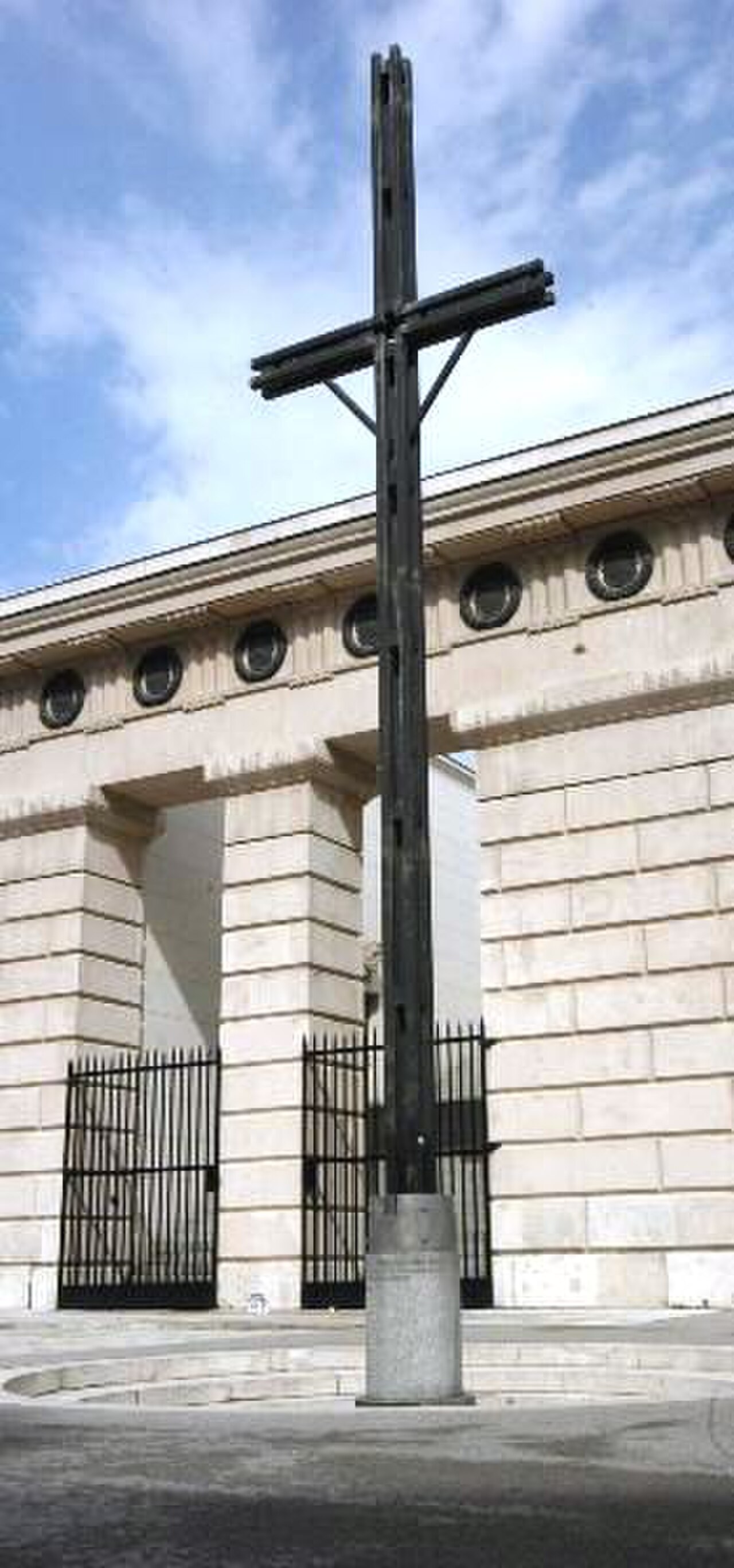
Papstkreuz
- High · Heritage site
- Historic monument
Language · 11 published
Historic monument · Innere Stadt, Vienna
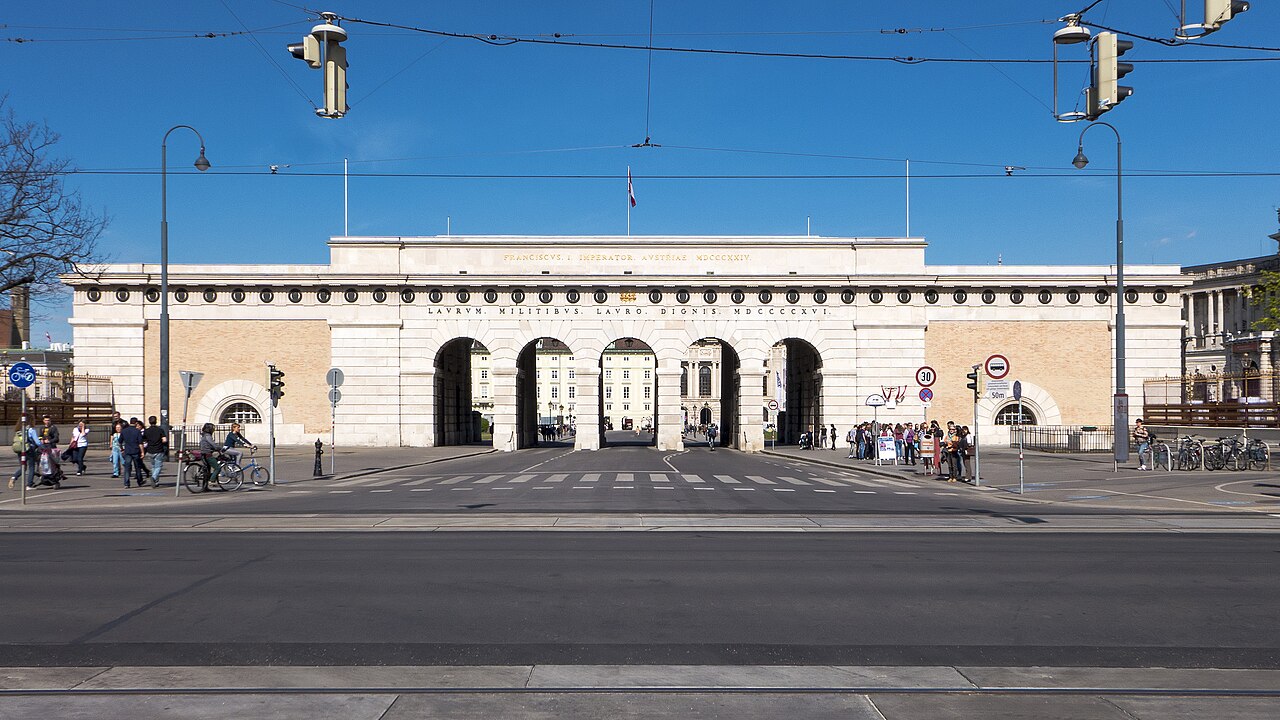
Burgtor
Reviewed by Elena Voss · Roavina Travel Editor
Read from the OpenStreetMap access tags; anything not listed has no tag recorded.
Set the group type to family in the planner and the day window contracts to about three quarters of a solo day.
This place is a Attraction. It carries the Listed objects in Austria heritage designation.
Äußeres Burgtor, also known locally as Burgtor, is a historic neoclassical gate in central Vienna. The gate belongs to the city’s imperial architectural landscape and marks an important threshold near the Hofburg complex. Unlike a museum or palace interior, Äußeres Burgtor is primarily experienced as an exterior monument within the active city streetscape. Travellers interested in Vienna’s historic centre can use the gate as a short architectural stop while walking between the Hofburg, Ringstrasse and other central landmarks. Äußeres Burgtor, locally known as Burgtor, is a historic gate structure in Vienna. It stands as a significant architectural monument in the city, forming part of Vienna's urban heritage. The gate represents a neoclassical design element within the broader historical landscape of the Austrian capital.
Checked 2026-08-26 · Source
The main experience at Äußeres Burgtor is outside: the gate’s neoclassical form, its position within Vienna’s central urban fabric and its role as a passage near the former imperial palace area. The supplied guide describes the structure as an exterior monument and passage gateway, not as an enclosed attraction with exhibitions. Plan to inspect the visible architecture from public approaches and to place the gate in context with the surrounding streets, rather than expecting galleries, displays or a conventional interior tour.
Checked 2026-08-26 · Source
Allow a short stop for Äußeres Burgtor, usually enough time to pass through the area, study the neoclassical form and take photographs from a safe public position. The gate can also occupy more time for travellers who enjoy architectural details and the relationship between the monument, the Hofburg setting and Vienna’s traffic routes. There is no museum circuit or recorded tour duration to follow. The monument works best as part of a central walking route rather than as a stand-alone half-day destination.
Checked 2026-08-26 · Source
Daylight is the most useful time to see Äußeres Burgtor because the gate is an outdoor architectural monument. The structure can be encountered during a walk through Vienna’s central public spaces, without planning around a museum timetable. Weather affects comfort because the visit takes place outside, and active traffic continues around the gate. Combine the stop with the Hofburg or nearby Ringstrasse sights when the route already passes this part of the city. Morning and afternoon visits provide the clearest view of the façade and surrounding urban context.
Checked 2026-08-26 · Source
Viewing Äußeres Burgtor from public areas is free. The gate is an exterior monument integrated into Vienna’s streetscape, so travellers do not need a ticket for the ordinary outdoor view. The Hofburg and other nearby attractions may have their own admission arrangements, but those are separate from seeing the gate. Treat Äußeres Burgtor as a no-cost architectural stop within a day of central Vienna sightseeing, especially when the route already connects the imperial complex with the surrounding public streets.
Checked 2026-08-26 · Source
Äußeres Burgtor stands in Vienna’s central urban area and can be reached through the city’s tram, bus and underground network serving the inner districts. Walking from nearby major attractions and transport hubs is practical because the gate forms part of the normal central-city route. The supplied guide does not give a more specific station or line for this monument, so plan the approach around the central area and the landmarks you are visiting nearby. Expect ordinary traffic and pedestrian movement around the gate as you arrive.
Checked 2026-08-26 · Source
Äußeres Burgtor is surrounded by functioning urban infrastructure, including active road traffic, so stand on public pedestrian areas and do not step into traffic for a better view. The outdoor setting gives little shelter from weather. The supplied guide identifies no visitor facilities such as restrooms, seating or shelter at the monument. Historic street surfaces can also be awkward for some visitors. Keep the stop short and flexible, allow room for normal pedestrian flow and take extra care with visibility after dark.
Checked 2026-08-26 · Source
Photograph Äußeres Burgtor from public vantage points that keep you clear of traffic and leave the pedestrian route open. A daylight view can show the gate’s neoclassical architecture in relation to Vienna’s central streets. A wider composition records the monument as an urban gateway, while a closer frame can focus on architectural details. The supplied guide gives no interior visitor route, so exterior views are the practical photographic subject. Use a tripod only where it does not obstruct movement, and respect private boundaries around the surrounding buildings.
Checked 2026-08-26 · Source
Äußeres Burgtor, also called Burgtor, is a historic neoclassical gate in central Vienna near the Hofburg complex.
No. Viewing the exterior from public areas is free.
No. The supplied guide presents it as an exterior monument and passage gateway within Vienna’s public streetscape.
Use it as a short architectural stop while walking between the Hofburg, the Ringstrasse and nearby central landmarks.
Active traffic, weather exposure and ordinary pedestrian movement are the main practical considerations around this outdoor monument.
Exterior photography from public vantage points is the practical way to photograph the gate; keep clear of traffic and pedestrian routes.
Loading the interactive map…
The interactive map could not be loaded.
Last updated:
Source: OpenStreetMap contributors, Wikidata ·