
1 min walk · Innere Stadt
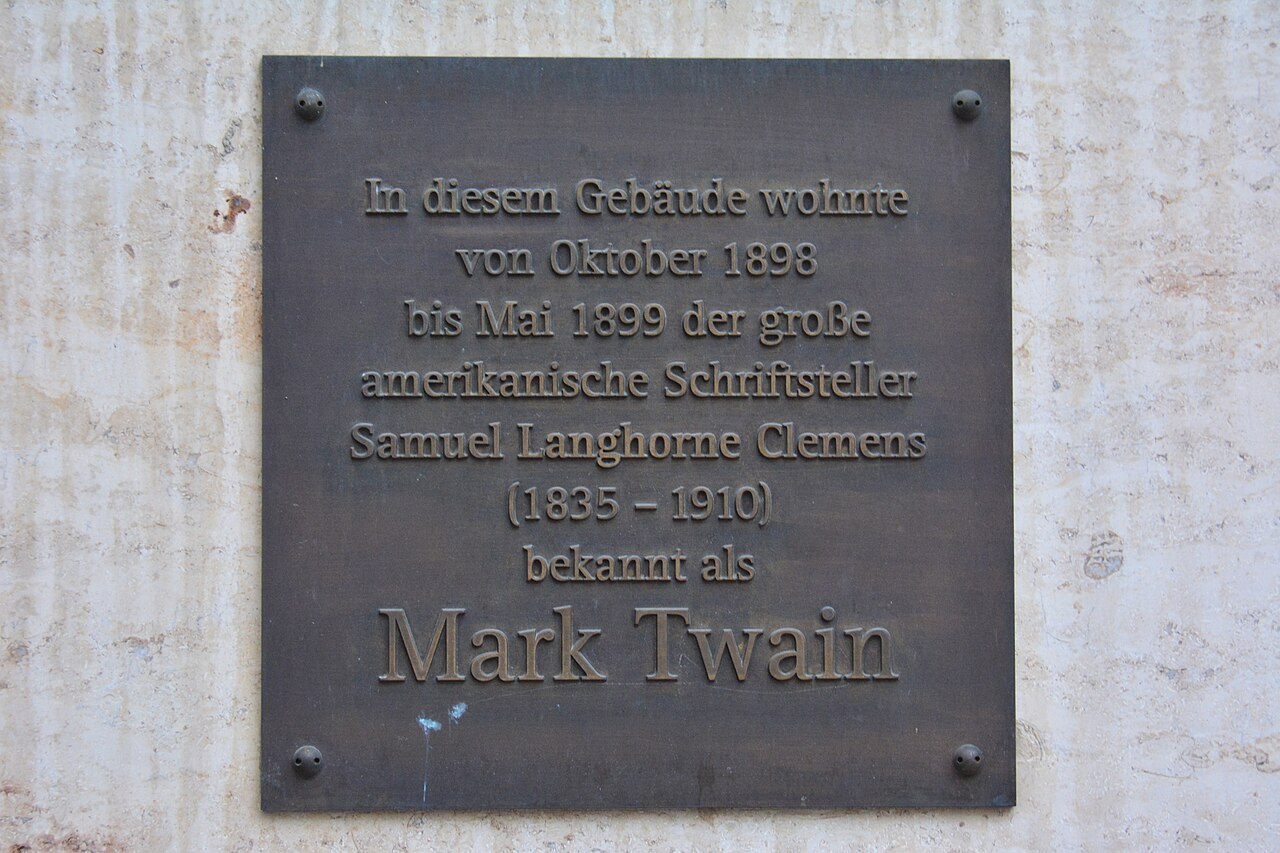
Gedenktafel für Mark Twain
- High
- Historic monument
Language · 11 published
Historic monument · Innere Stadt, Vienna
Reviewed by Elena Voss · Roavina Travel Editor
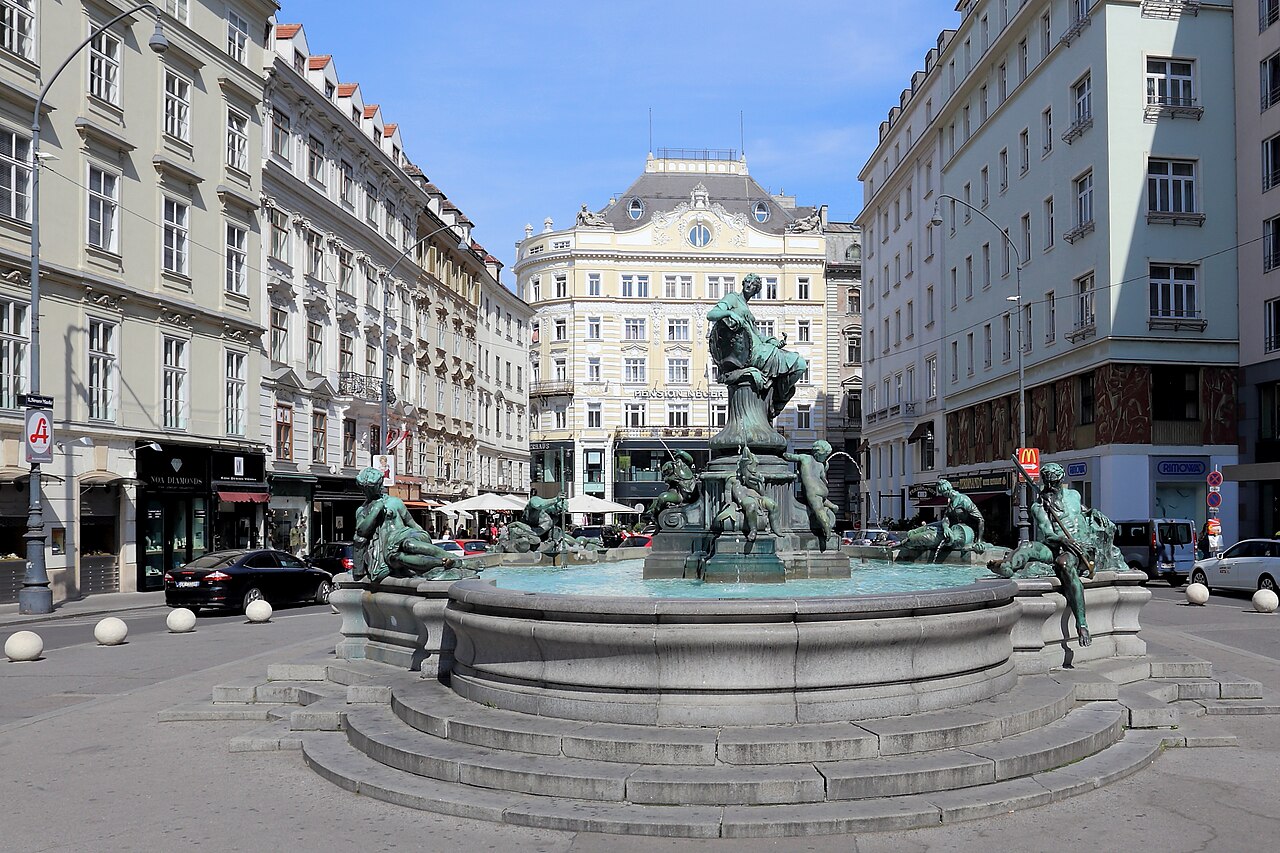
It opened in 1739. It was built in the Mannerism style. It was designed by Georg Rafael Donner. It carries the Listed objects in Austria heritage designation.
Donnerbrunnen, also called the Providentia Fountain, is a Baroque monument in Neuer Markt. Georg Raphael Donner created the fountain between 1737 and 1739, making it one of Vienna’s important eighteenth-century sculptural works. Its central figure is Providentia, the Roman goddess associated with foresight, while four river figures occupy the lower part of the composition. The fountain belongs to the public life of the square rather than to an enclosed museum. It is a rewarding stop for travellers who want to see major sculpture in its original urban setting, surrounded by the streets and façades of Vienna’s historic centre.
Checked 2026-08-26 · Source
The fountain’s composition is entirely open to view from Neuer Markt. Providentia stands above the basin on the central vertical axis, while four reclining river figures form the lower sculptural group. The figures represent the Danube, Enns, March and Ybbs rivers, linking the monument to the waterways associated with the Habsburg lands. What makes the work worth close attention is the contrast between the upright central figure and the energetic, horizontal river forms below. Walk around the square to see how the relationships between the figures, basin and surrounding architecture change from different angles.
Checked 2026-08-26 · Source
A normal visit takes about fifteen to thirty minutes. Use the first few minutes to see the full monument from a distance, then move around the basin to examine the river figures and their attributes. Travellers with an interest in Baroque sculpture may want longer for the anatomy, movement and theatrical arrangement of the group. The fountain is easy to fold into a wider walk through Innere Stadt, so it rarely needs a dedicated journey. A short stop works well between St. Stephen’s Cathedral, Kärntner Straße and other central landmarks, while a slower visit rewards deliberate observation.
Checked 2026-08-26 · Source
Because Donnerbrunnen stands outdoors in Neuer Markt, it can be viewed throughout the year without entering an enclosed attraction. Daylight is the easiest time to study the sculpture’s details and colours. Morning and afternoon offer different shadows across the bronze copies and basin, while seasonal weather affects comfort and the condition of the surrounding pavement. Summer may bring more activity in the square; winter can make the area cold or slippery. Choose a time that fits your walking route and gives you enough space to move around the monument without interrupting other pedestrians.
Checked 2026-08-26 · Source
Viewing Donnerbrunnen is free. The fountain stands in an open public square, with no ticket desk, turnstile or timed-entry procedure for ordinary observation. You can include it spontaneously in a central Vienna walk without reserving an attraction slot or setting aside an admission budget. Nearby cafés, shops and other attractions may involve their own costs, but those expenses are separate from the fountain. The lack of an entry procedure also makes the monument suitable for a flexible itinerary: stop for a few minutes, walk around the basin, photograph the details and continue through Neuer Markt.
Checked 2026-08-26 · Source
Donnerbrunnen stands in Neuer Markt in Vienna’s first district, Innere Stadt. Stephansplatz and Karlsplatz are useful underground transport references, with the central network providing connections to the surrounding area. From St. Stephen’s Cathedral, the fountain is roughly a ten-minute walk through the historic centre. Kärntner Straße and the Ringstraße provide nearby tram and surface-transport corridors, while central buses serve the wider district. The final approach is easiest on foot. The square sits naturally on routes between major landmarks, so many visitors encounter the fountain while exploring rather than making a separate trip.
Checked 2026-08-26 · Source
Neuer Markt is active urban space, so watch for pedestrians, service vehicles and changing movement around the square. Do not climb onto the basin or touch the bronze figures; the monument is a work of public art and the edges can also create a tripping risk. Wet, icy or uneven pavement requires extra care, especially in winter or poor weather. Keep bags secure in this busy central area and leave room for other people to circulate. The fountain has no dedicated visitor staff, meaning ordinary urban awareness and respectful behaviour are the main practical safeguards.
Checked 2026-08-26 · Source
Personal photography is possible from public viewpoints around Neuer Markt. Begin with a wide view that includes the basin and surrounding square, then move closer for details of Providentia and the four river figures. Different positions reveal the vertical and horizontal structure of the composition, while changing daylight creates varied shadows across the bronze surfaces. A tripod may obstruct pedestrian movement, so hand-held photography is more considerate when the square is busy. Night views can include surrounding urban light, but daylight remains the clearest choice for studying the sculptural details.
Checked 2026-08-26 · Source
No. The visible figures are bronze copies installed in 1873; Georg Raphael Donner’s original lead sculptures are preserved at the Österreichische Galerie Belvedere.
No. The fountain stands in Neuer Markt, an open public square, and ordinary viewing has no admission procedure.
The four reclining figures represent the Danube, Enns, March and Ybbs rivers associated with the Habsburg lands.
Most visitors need fifteen to thirty minutes to view the full composition, walk around the basin and take photographs.
It is in Neuer Markt in Vienna’s Innere Stadt, about a ten-minute walk from St. Stephen’s Cathedral.
Yes. Photograph the fountain from public viewpoints, avoid climbing or touching the sculpture and keep equipment clear of pedestrian movement.
Loading the interactive map…
The interactive map could not be loaded.
Last updated:
Source: OpenStreetMap contributors, Wikidata ·