
1 min walk · Innere Stadt
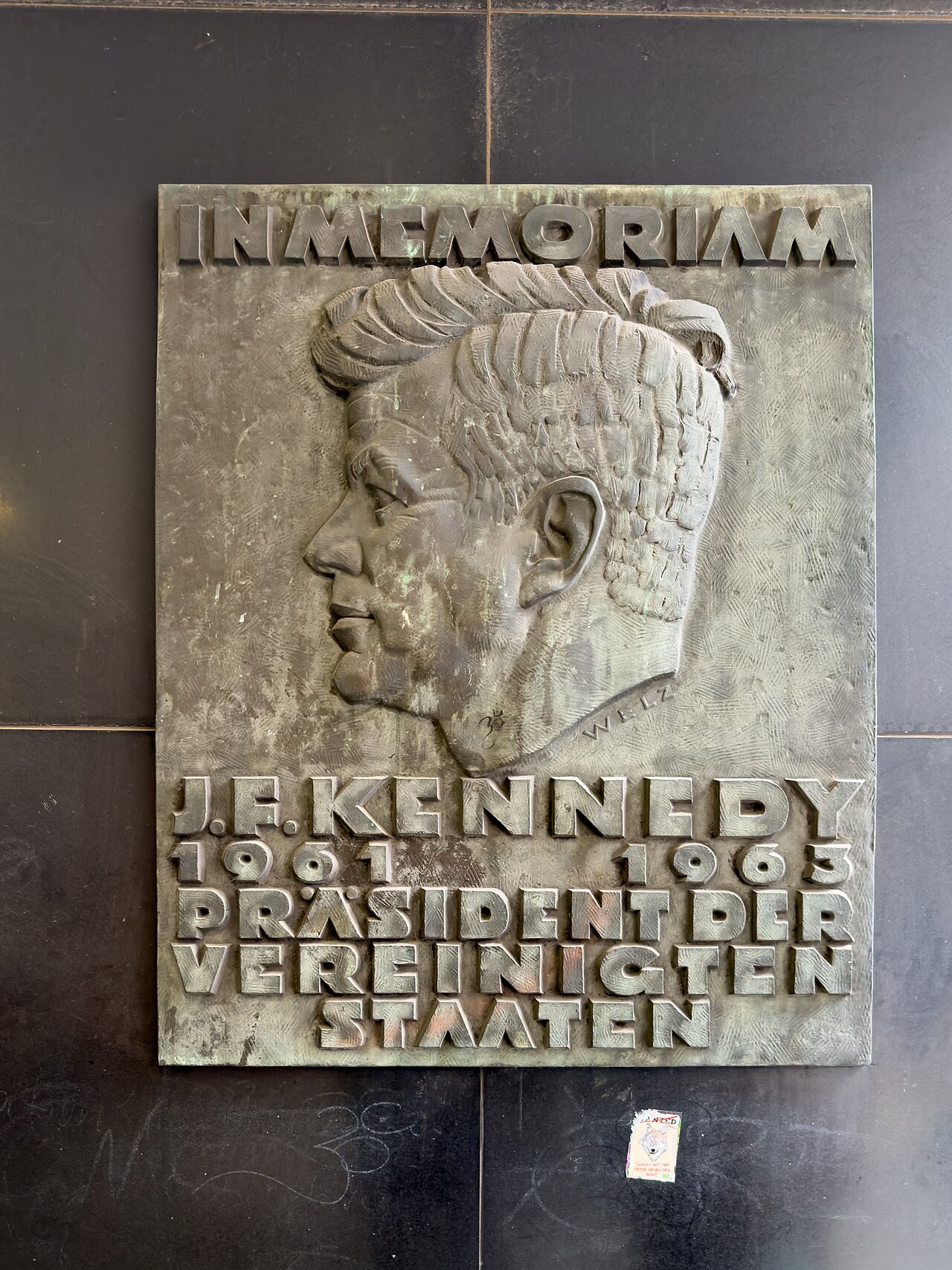
Gedenktafel für John F. Kennedy
- High
- Historic monument
Language · 11 published
Historic monument · Innere Stadt, Vienna
Erzbischöfliches Palais
Reviewed by Elena Voss · Roavina Travel Editor
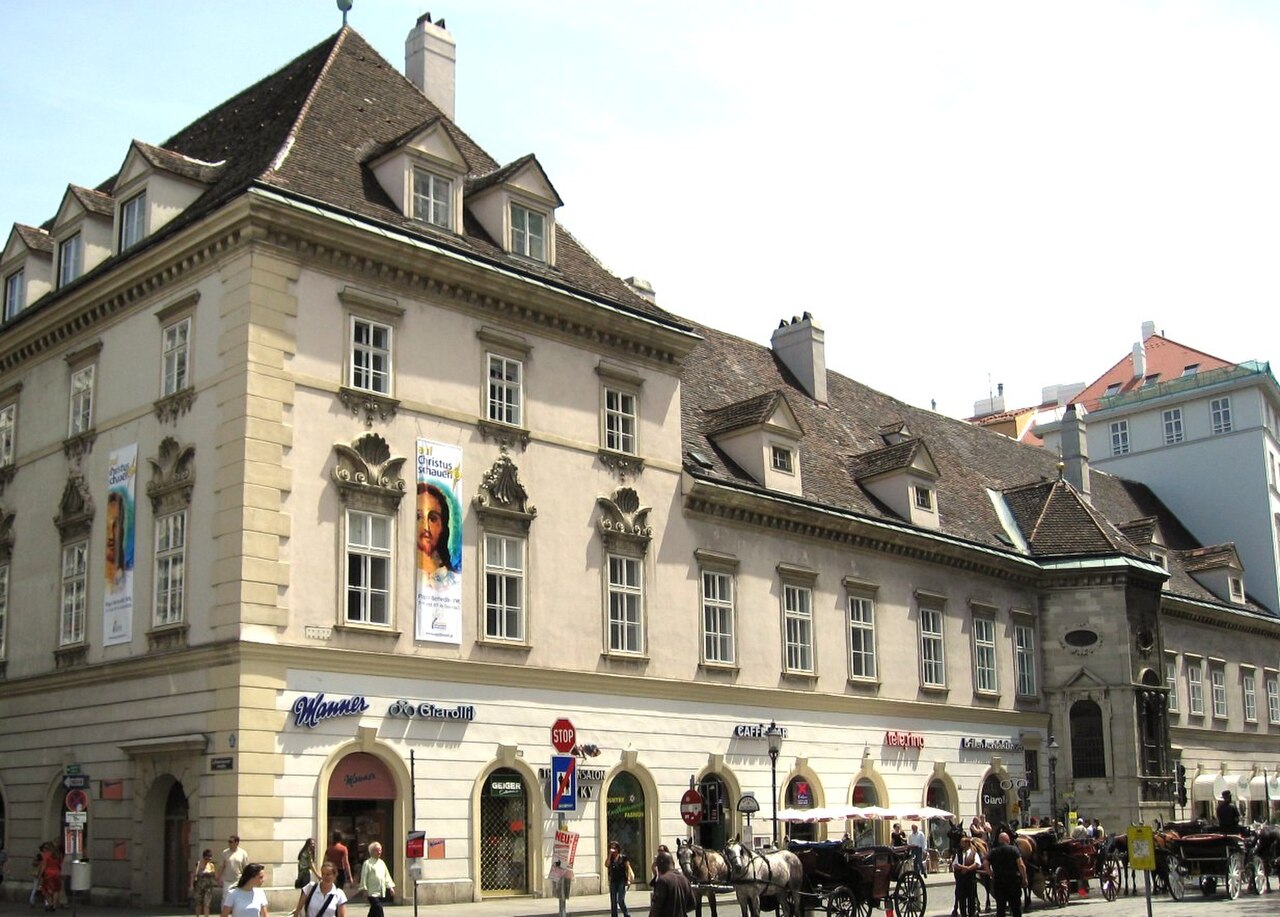
It was built in the baroque architecture style. It carries the Listed objects in Austria heritage designation.
Episcopal Palace, locally called Erzbischöfliches Palais, is the residence of the Archbishop of Vienna in the historic centre. It is a working ecclesiastical building rather than a conventional museum or sightseeing venue. The palace represents the continuing administrative and residential presence of the Catholic Church in Austria’s capital. Its setting places it within Vienna’s dense historic core, where religious institutions, grand civic buildings, shops, cafés and major landmarks stand close together. For travellers, the palace is best understood as an exterior point of interest that adds institutional and architectural context to a walk through the centre. It is especially useful for visitors interested in the way historic buildings continue to serve their original civic or religious functions.
Checked 2026-08-26 · Source
The palace contains spaces used for ecclesiastical administration, residence and official hospitality. Its character is therefore different from that of a public collection with galleries, labels and a visitor route. Travellers should plan to appreciate the building from public space unless they have a specific invitation or arranged ecclesiastical appointment. The most meaningful experience comes from noticing how an active institutional building fits into Vienna’s historic centre, rather than expecting exhibitions or a self-guided interior tour. Exterior details can be considered alongside nearby churches and streets, giving the palace a clear place in the religious landscape of the city. Keep the stop observational and brief, with attention to the building’s continuing function.
Checked 2026-08-26 · Source
Allow about fifteen to thirty minutes for an exterior-focused visit. That time gives you room to identify the building, observe its relationship with the surrounding historic streets and take a few photographs without turning the stop into a separate half-day activity. An arranged interior appointment would create a different schedule, but the palace is not a regular public museum. It works naturally as one stop during a walk around Vienna’s Innere Stadt. Combine it with nearby religious and architectural landmarks, then continue on foot through the compact centre. Travellers who enjoy institutional history may linger longer to reflect on the palace’s role as a living ecclesiastical headquarters.
Checked 2026-08-26 · Source
The palace is most practical to view during a daytime walk, when the surrounding streets are easier to navigate and exterior architectural details are visible. It is a functioning residence and administrative centre, so the experience is primarily an outside observation rather than a scheduled attraction visit. Plan the stop as part of your central Vienna route, leaving flexibility around the building rather than building a day around interior access. The historic centre remains a useful setting in different seasons, although cold, rain or busy pedestrian conditions can shorten an outdoor pause. A daytime visit also makes it easier to continue directly to nearby churches, squares and cafés.
Checked 2026-08-26 · Source
There is no conventional museum admission procedure for the palace. Travellers should not arrive expecting a ticket desk, timed entry or a standard visitor circuit. The practical way to experience the site is an exterior view from public thoroughfares, while any exceptional interior access would depend on a separate ecclesiastical arrangement. This makes the palace easy to include in a walking itinerary without reserving a paid attraction slot. If you want a structured indoor heritage experience in the same central area, pair the stop with a nearby church or museum that has an established visitor route. Treat the palace itself as an architectural and institutional landmark.
Checked 2026-08-26 · Source
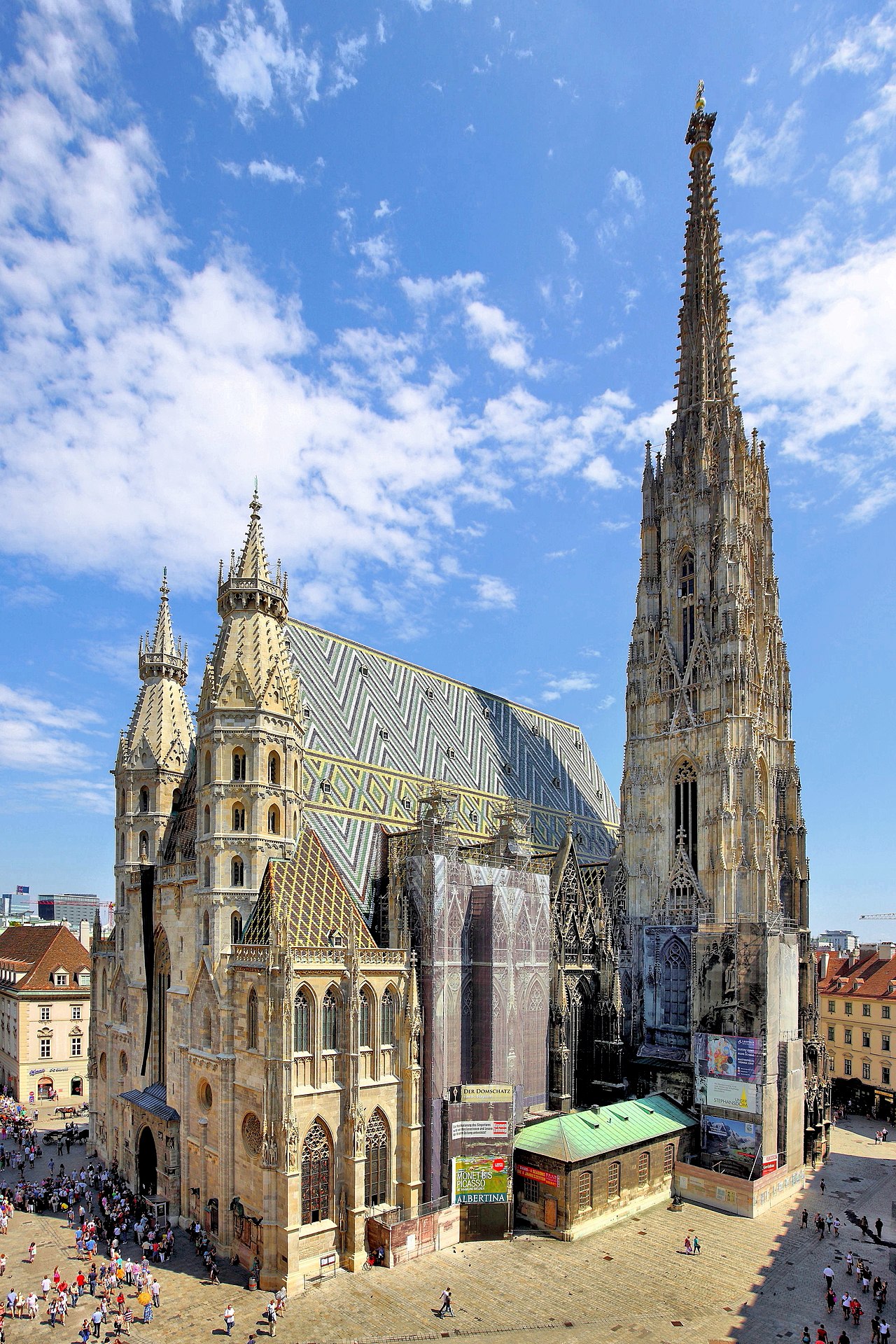
The palace is in Vienna’s central Innere Stadt, within the pedestrian-friendly historic core. Stephansplatz is the most useful nearby transport reference, served by the U1 and U3 underground lines. From St. Stephen’s Cathedral, the walk is straightforward through the centre’s closely spaced historic streets. Several tram and bus routes serve the wider inner-city area, although the final approach is best handled on foot. Driving is inconvenient because central streets have limited parking and pedestrian-priority areas. If cycling, leave the bicycle outside restricted pedestrian sections and continue on foot. Use the palace as a walking stop between major central landmarks.
Checked 2026-08-26 · Source
Respect the palace as an active religious residence and administrative workplace. Do not enter through private or service entrances, pause in a way that obstructs doorways or interfere with staff and residents. The surrounding historic centre can be crowded, particularly near major landmarks, so keep personal belongings secure and remain attentive to pedestrians, cyclists and vehicles at crossings. Religious ceremonies, official activity or local crowd movement can change how long you can comfortably remain outside. A quiet, discreet visit is the appropriate approach. If the building is not clearly visible from your position, continue along the public street rather than seeking a closer private viewpoint.
Checked 2026-08-26 · Source
Use public viewpoints for exterior photography and keep a respectful distance from entrances, windows and people connected with the palace. The narrow historic streets may limit wide compositions, so a short pause from more than one public angle can produce a clearer record of the building. Avoid blocking pedestrian movement with a tripod or large equipment. Photograph the architecture rather than private activity, and do not treat the residence like an open museum interior. Daylight is the most useful time for readable exterior details. Keep the camera ready for a quick, unobtrusive stop, especially when the surrounding streets are busy.
Checked 2026-08-26 · Source
The palace is a working residence and ecclesiastical administrative centre, so a regular tourist visit is best planned as an exterior viewing stop in Vienna’s historic centre.
Expect an exterior view of a functioning ecclesiastical building rather than museum galleries, exhibitions or a standard self-guided interior route.
Allow approximately fifteen to thirty minutes for an exterior-focused stop, with extra time only if you are combining it with a broader walk through Innere Stadt.
It is in Vienna’s central Innere Stadt, near the Stephansplatz area and within walking distance of St. Stephen’s Cathedral.
Exterior photography from public space fits the nature of the visit; keep away from private entrances, avoid obstructing pedestrians and photograph discreetly.
Visit it during a walking route through Innere Stadt, pairing the exterior stop with St. Stephen’s Cathedral and other central religious or architectural landmarks.
Loading the interactive map…
The interactive map could not be loaded.
Last updated:
Source: OpenStreetMap contributors, Wikidata ·