
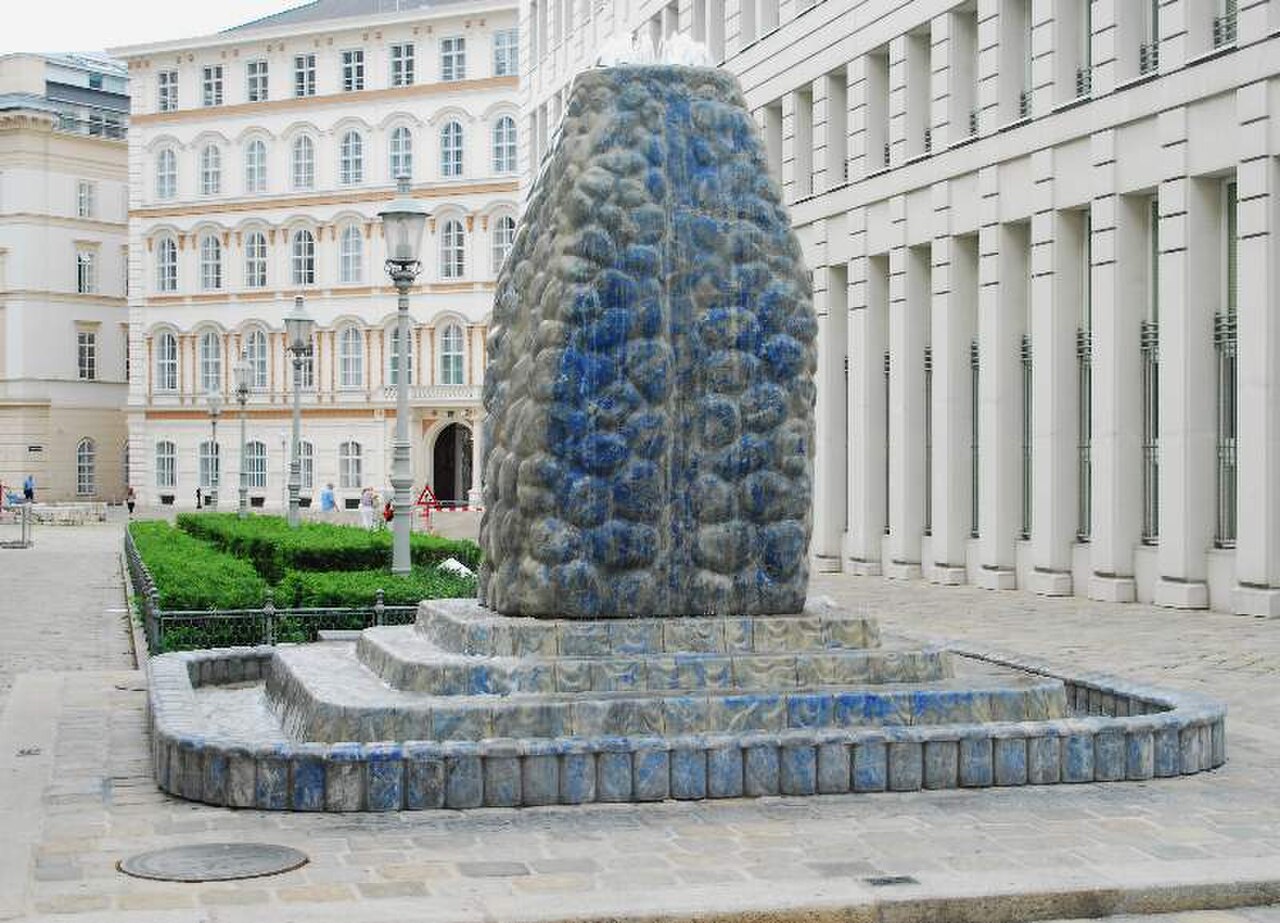
1 min walk · Innere Stadt
Wasserwellen-Lebens-Brunnen
- High
- Art and culture venue
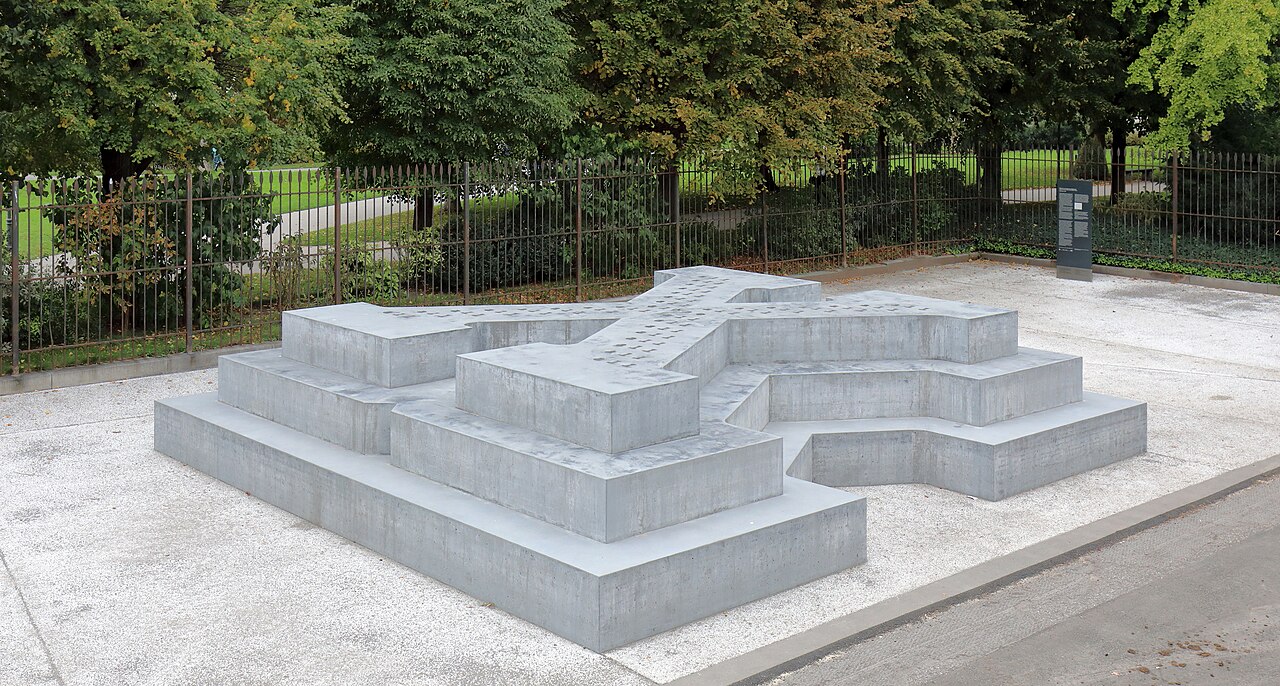
Historic monument · Innere Stadt, Vienna
Deserteursdenkmal
| Monday | 00:00 – 23:59 |
|---|---|
| Tuesday | 00:00 – 23:59 |
| Wednesday | 00:00 – 23:59 |
| Thursday | 00:00 – 23:59 |
| Friday | 00:00 – 23:59 |
| Saturday | 00:00 – 23:59 |
| Sunday | 00:00 – 23:59 |
Parsed from OpenStreetMap opening hours on 2026-09-09.
Read from the OpenStreetMap access tags; anything not listed has no tag recorded.
Set the group type to family in the planner and the day window contracts to about three quarters of a solo day.
The Memorial for the Victims of Nazi Military Justice, known locally as Deserteursdenkmal, is an outdoor memorial in Vienna. It honours people persecuted by Nazi military courts, including deserters and others punished for refusing service or being judged insubordinate. The memorial addresses a subject that received limited recognition in post-war Austria for many years. Its presence in the capital represents a public acknowledgement of victims whose experiences were contested or neglected. Travellers should approach it as a place of remembrance and reflection, with attention to both the historical subject and the memorial’s position within the everyday city streets.
Checked 2026-08-26 · Source
Deserteursdenkmal is a sculptural outdoor installation, not an enclosed building. Its experience comes from the physical artwork, its spatial arrangement and its commemorative subject rather than from galleries, interior rooms or a scheduled exhibition. Give yourself time to read and consider the memorial in relation to the surrounding streetscape. The open setting means that ordinary urban life continues around a solemn work of remembrance. That contrast is part of the encounter: the memorial invites attention without separating itself from the city. Visitors interested in Vienna’s difficult twentieth-century history can place it alongside other monuments and historical sites in a broader walking route.
Checked 2026-08-26 · Source
Allow approximately five to fifteen minutes for a focused visit. That is enough time for a first look, reading the visible textual elements and considering the memorial’s subject. Travellers who want a slower response to the artwork may stay longer, especially if they are visiting several sites connected with Nazi persecution or Austria’s wartime history. The memorial does not require a long programmed visit, so it fits easily into a walking itinerary. Plan a little quiet space around the stop rather than treating it as a rapid photograph-only waypoint. The subject deserves a measured pace and respectful attention.
Checked 2026-08-26 · Source
Visit during daylight if you want to read inscriptions and see the installation’s material details clearly. As an outdoor memorial integrated into the streetscape, it can be incorporated into a walk through central Vienna rather than planned as an indoor attraction appointment. Weather affects comfort and visibility: rain, cold and wet pavement may encourage a shorter stay. A quieter moment of the day can support reflection, while normal city movement continues around the memorial. Choose clothing and footwear suitable for an outdoor urban stop, and allow enough time to pause without rushing to the next landmark.
Checked 2026-08-26 · Source
The memorial is a public street-level installation with no admission ticket or timed-entry procedure for ordinary viewing. You can include it in a Vienna walk without reserving a visit or paying a dedicated entrance fee. The open format allows a short, spontaneous stop, although the seriousness of the subject makes a quiet approach appropriate. Costs for transport, food or other museums visited on the same route are separate. If you are planning a history-focused day, the memorial can provide a free place of remembrance between larger institutions and paid attractions.
Checked 2026-08-26 · Source
The memorial is situated in Vienna’s inner city and is most naturally reached as part of a central walking route. The U-Bahn network serves the surrounding districts, while trams and buses provide additional approaches before the final walk through the city. Walking from the Hofburg or Kunsthistorisches Museum is feasible for visitors already exploring central Vienna. Use the memorial’s mapped position with current transport information to choose the best route from your starting point. Because it stands within the streetscape, remain attentive during the final approach to pedestrians, bicycles and nearby traffic.
Checked 2026-08-26 · Source
The memorial’s subject is emotionally serious: it concerns persecution by Nazi military justice, including the punishment of people treated as deserters or insubordinate. Allow children and other companions to engage at a level suitable for them. The installation is exposed to ordinary street movement, so watch for bicycles, pedestrians and changes in pavement conditions. Wet surfaces can be slippery. Give others space for quiet remembrance and avoid treating the memorial as a playful backdrop. A calm visit, modest volume and careful movement are especially appropriate at this site.
Checked 2026-08-26 · Source
Personal photography can document the memorial’s form, spatial arrangement and relationship with the surrounding city. Start with a wider image that preserves the streetscape, then move closer to capture readable textual and sculptural details. Keep equipment compact and avoid blocking pedestrians or visitors who are spending time in remembrance. Do not climb on or handle the installation. The memorial’s subject calls for restraint in composition and behaviour, especially when other people are present. Daylight offers the clearest conditions for recording the work and reading its elements without turning the visit into a disruptive production.
Checked 2026-08-26 · Source
It is an outdoor sculptural installation integrated into Vienna’s streetscape, with no enclosed visitor building.
It honours people persecuted by Nazi military courts, including deserters and others punished for refusing service or being judged insubordinate.
Allow approximately five to fifteen minutes for viewing the installation, reading its elements and reflecting on its historical subject.
No dedicated admission ticket is required for this public street-level memorial, so it can be included freely in a central Vienna walk.
The subject concerns wartime persecution and military justice; adults should decide how to introduce it according to each child’s age and sensitivity.
Personal photography can record the outdoor installation; keep clear of other visitors, avoid climbing or touching it and behave respectfully.
Loading the interactive map…
The interactive map could not be loaded.
Last updated:
Source: OpenStreetMap contributors, Wikidata ·