
2 min walk · Innere Stadt
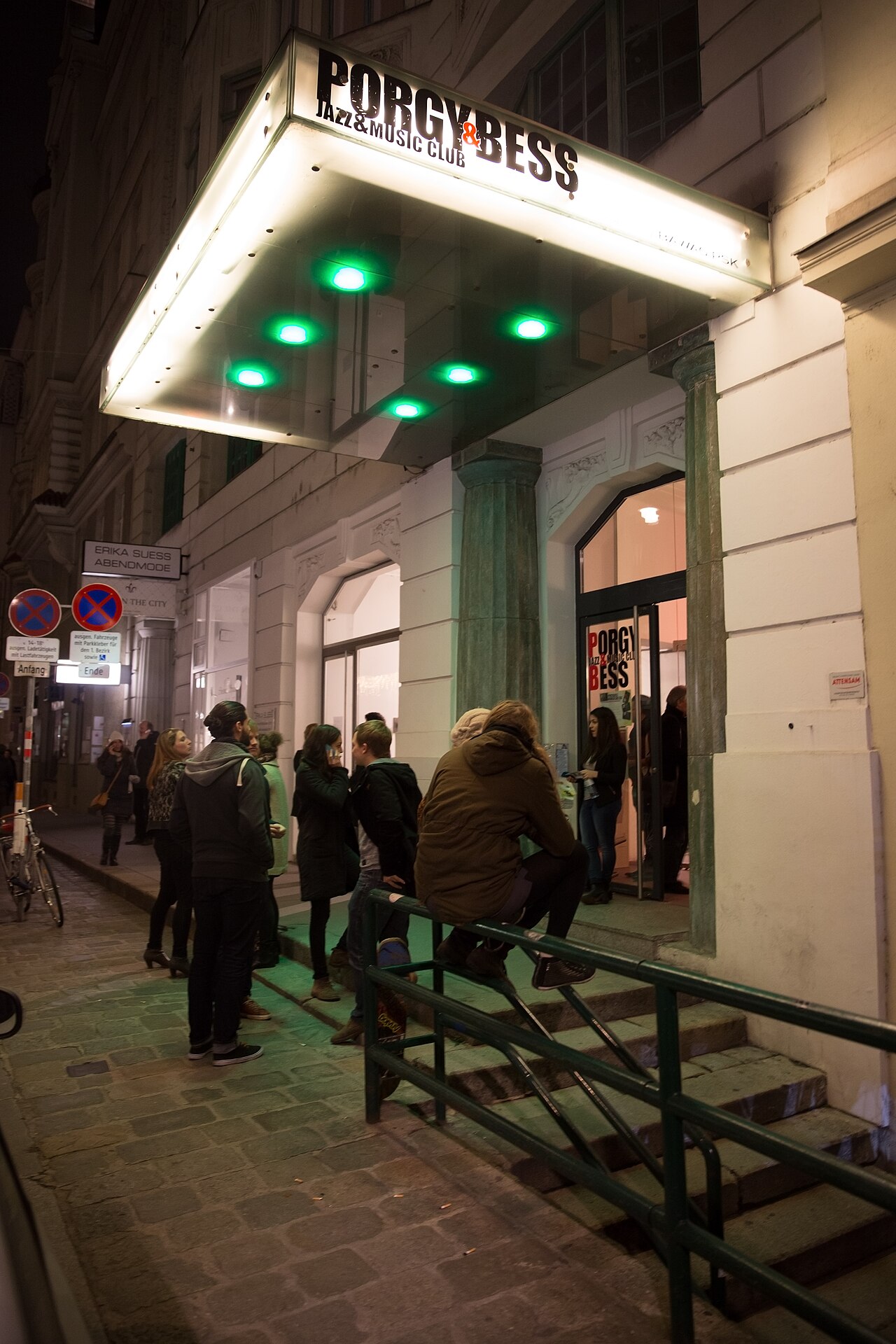
Jazz- & Music-Club Porgy & Bess
- High
- Art and culture venue
Language · 11 published
Historic monument · Innere Stadt, Vienna
Reviewed by Elena Voss · Roavina Travel Editor
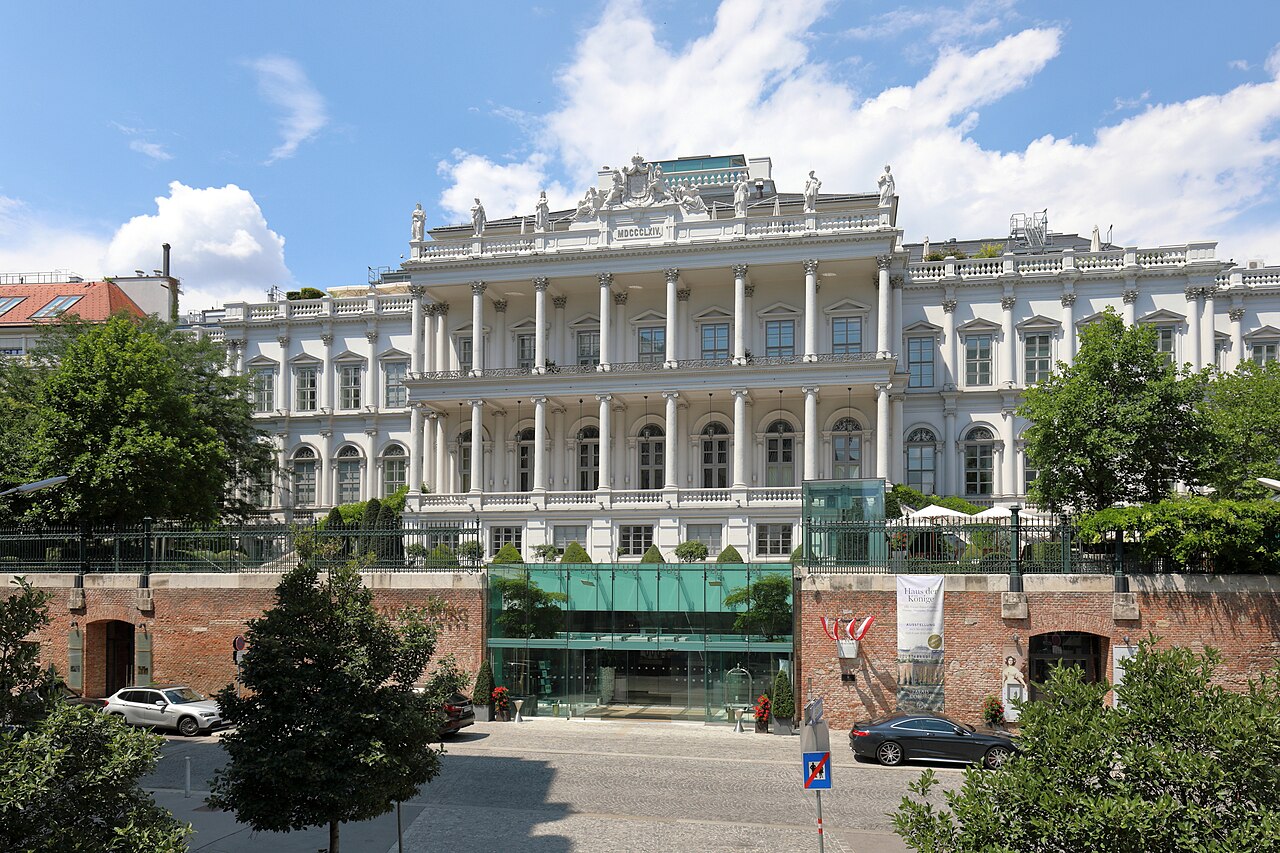
It was established in 1845. It was built in the Neoclassical architecture style. It was designed by Karl Schleps. It carries the Listed objects in Austria heritage designation.
Palais Coburg is a Neoclassical palace at Coburgbastei 4 in Vienna's first district, built between 1840 and 1845 for Ferdinand Georg August, Prince of Saxe-Coburg-Saalfeld-Koháry, on top of a surviving bastion of the old city fortifications.
The architects Karl Etzel and Johann Romano von Ringe raised the palace directly onto the Coburg Bastei, so the building's vaulted lower level — the old bastion casemates — was structural fortification before it was ever a cellar; that dual history is unusual even among Vienna's Ringstrasse-era palaces, most of which were built after the walls came down rather than on top of what was left of them.
The Saxe-Coburg family retained the palace until the 20th century; after wartime damage and decades of institutional use it was restored between 1998 and 2003 and reopened as a five-star hotel, which is its current and sole function.
Checked 2026-08-24 · Source
Palais Coburg today operates as the Hotel Palais Coburg, with 35 suites set inside the restored palace rooms and a modern glass-and-steel extension added during the 1998–2003 renovation; the historic staterooms are used for private dining and events rather than displayed as a museum route.
The building's best-known feature to a non-guest is its wine cellar, built into the vaulted casemates of the old Coburg Bastei beneath the hotel — one of the largest private wine collections in Europe, reported at well over 60,000 bottles, reached by a stone stairway that follows the original bastion masonry rather than a purpose-built basement.
There is no gallery or exhibition space open to casual visitors; access to the interior is through the hotel's restaurant, bar or wine-cellar tastings, not a ticketed sightseeing route.
The 1998–2003 restoration deliberately left the join between the historic masonry and the new construction visible rather than disguised, so a guest moving between the old palace rooms and the glass extension can read where the 19th-century building stops and the 21st-century addition begins — a contrast the hotel treats as a feature of the design rather than something to hide.
Checked 2026-08-24 · Source
A meal or drink in the hotel's restaurant or bar runs the usual one to two hours of any fine-dining visit. A booked wine-cellar tasting typically runs 60 to 90 minutes and is the only way to see the bastion casemates; there is no shorter walk-through option.
Checked 2026-08-24 · Source
As a working hotel and restaurant, Palais Coburg has no seasonal opening pattern — it operates year-round. Evenings are the busiest time for the restaurant and bar, and the wine cellar is reached only through pre-booked tastings, so timing is set by the reservation rather than by season or crowd avoidance.
Checked 2026-08-24 · Source
There is no admission ticket to Palais Coburg in the sense of a sightseeing fee: the building is a private hotel, and entry to its restaurant, bar and wine cellar is by reservation and consumption rather than an entry price. Wine-cellar tasting packages are sold directly through the hotel; the current tasting menus and prices are not recorded here — check the hotel's own site, palais-coburg.com, before booking, since a five-star hotel revises its dining and tasting offer more often than a museum revises a ticket price. A restaurant or bar visit needs no advance ticket, only the usual reservation expected of a fine-dining room in central Vienna.
Checked 2026-08-24 · Source
Coburgbastei 4 sits on the inner Ringstrasse-adjacent side of the first district, a five-minute walk from Stephansplatz. The U3 line stops at Stubentor, roughly 400 metres away, and tram lines 1 and 2 run along the Ring itself at Stubentor/Weiskirchnerstraße. The palace sits directly above street level on the old bastion, so the entrance is reached by a short rise from Coburgbastei rather than at grade.
Checked 2026-08-24 · Source
Because Palais Coburg is a functioning five-star hotel, there is no walk-in sightseeing access to the historic rooms — arriving without a restaurant, bar or tasting reservation means being turned away at the entrance rather than admitted to look around.
Wine-cellar tastings are pre-booked and capacity-limited, so a same-day request often cannot be accommodated. Dress expectations follow those of a fine-dining establishment rather than a museum.
Checked 2026-08-24 · Source
The exterior view from the Ringstrasse side, showing the palace raised on the bastion wall with the modern glass extension beside the historic block, is freely photographed from the public street. Photography inside the restaurant, bar and wine cellar is subject to the hotel's own house rules, which restrict flash and tripod use out of consideration for other guests rather than any heritage restriction on the room itself.
Checked 2026-08-24 · Source
Not recorded. The operational status of Palais Coburg is unconfirmed. Visitors should verify accessibility directly with site management or official Vienna tourism authorities before planning visits.
No. It is a five-star hotel; the historic rooms are guest suites, restaurant and event space, not a ticketed exhibition.
A wine cellar built into the vaulted casemates of the old Coburg Bastei, a surviving section of Vienna's former city fortifications, holding one of Europe's largest private wine collections.
Karl Etzel and Johann Romano von Ringe built it between 1840 and 1845 for Ferdinand Georg August, Prince of Saxe-Coburg-Saalfeld-Koháry.
Yes, through a pre-booked tasting sold by the hotel directly; there is no walk-in cellar tour.
It sits directly on the Coburg Bastei, a surviving bastion of Vienna's old city walls, so the ground floor is elevated above street level by the fortification beneath it.
Loading the interactive map…
The interactive map could not be loaded.
Last updated:
Source: OpenStreetMap contributors, Wikidata ·