Magritte Museum
Musée Magritte Museum
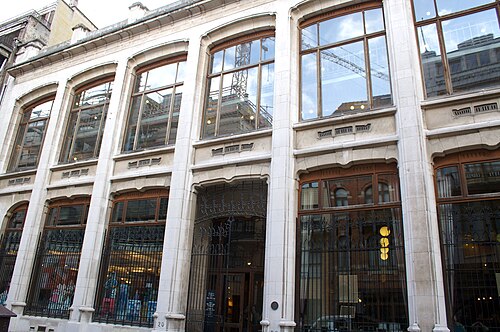
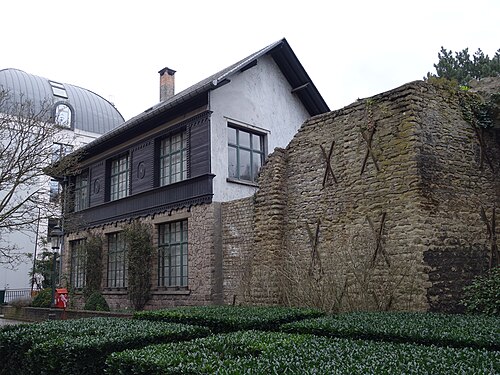
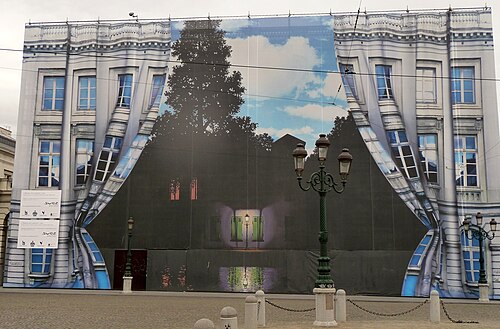
The Musée Magritte Museum is a museum devoted entirely to René Magritte (1898-1967), installed in the Hôtel Altenloh on the Place Royale and run by the Royal Museums of Fine Arts of Belgium.
- Must see
- Museum
City guide · Belgium
Brussels combines a compact historic centre with separate museum, European Quarter and Atomium districts. The lower town around Grand-Place is best explored on...
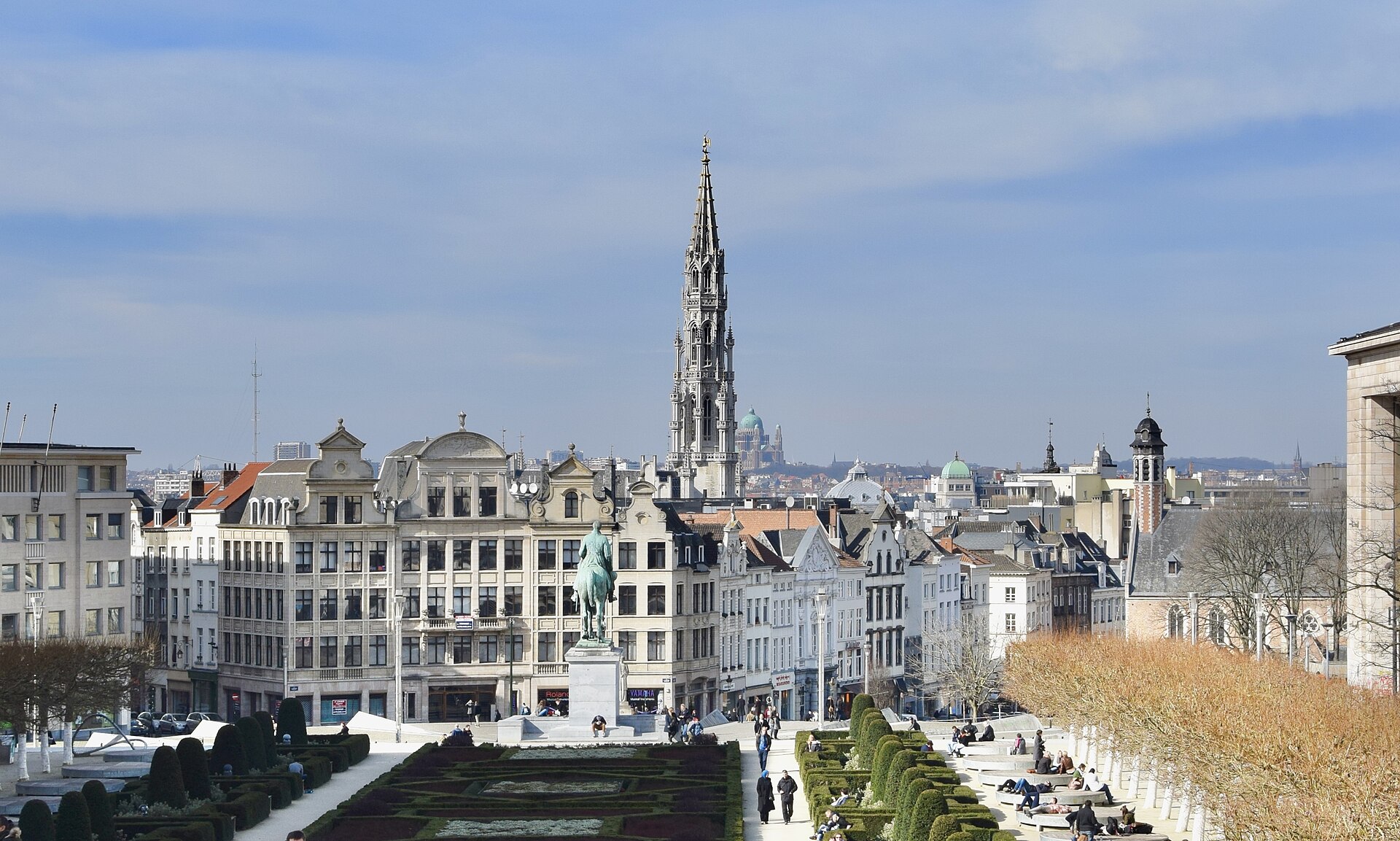
Photograph · Ank Kumar · CC BY-SA 4.0
Set your days, your pace and the hours you actually want to be out. The planner works around closing days and travel time, and leaves room to eat.
Reviewed by Elena Voss · Roavina Travel Editor
Brussels combines a compact historic centre with separate museum, European Quarter and Atomium districts. The lower town around Grand-Place is best explored on foot, while the upper town rises toward the royal and institutional quarters. Metro, tram, bus and urban rail make the dispersed areas manageable. Group each day by elevation and district instead of repeatedly crossing the centre’s steep north-south slope.
Checked 2026-08-26
September · September remains mild in Brussels at 18.7°C by day, with 63.0 mm of precipitation over about ten days.
Ranked by importance — sitelinks, pageviews and heritage status, not editor preference.
100 places match
Category
Typical visit duration
Interests
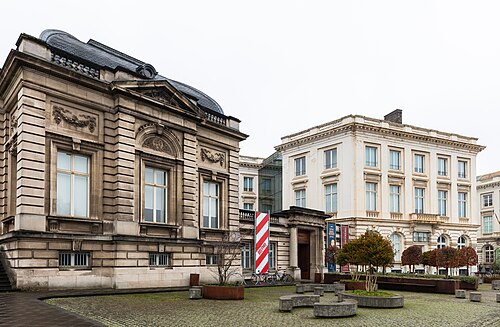
Musée Magritte Museum
The Musée Magritte Museum is a museum devoted entirely to René Magritte (1898-1967), installed in the Hôtel Altenloh on the Place Royale and run by the Royal Museums of Fine Arts of Belgium.
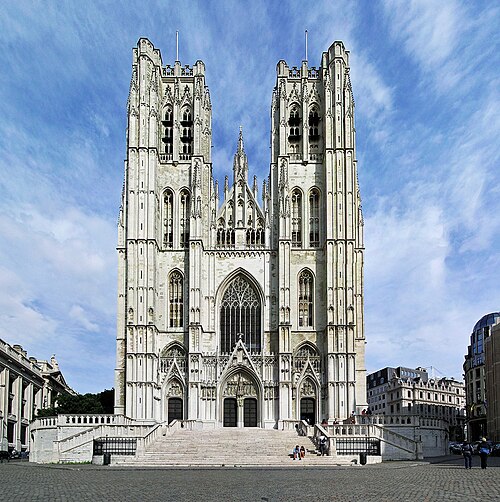
Cathédrale Saints-Michel-et-Gudule - Sint-Michiels-en-Goedelekathedraal
The Cathedral of St. Michael and St. Gudula stands on the Treurenberg slope in central Brussels, dedicated to the two patron saints of the city and built in Brabantine Gothic.
Centre Belge de la Bande Dessinée - Belgisch Stripcentrum
The Comic Art Museum, still widely signposted and registered under its founding name Belgian Comic Strip Center, occupies a department store that was never meant to hold pictures.
Parc du Cinquantenaire - Jubelpark
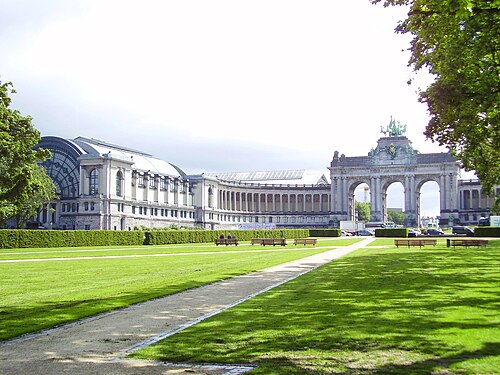
Cinquantenaire Park, also called Jubelpark, is the formal park and monumental complex in Brussels' European Quarter, made for Belgium's fiftieth anniversary in 1880. It began on the former Linthout drill ground and expanded after the 1880 national exhibition.
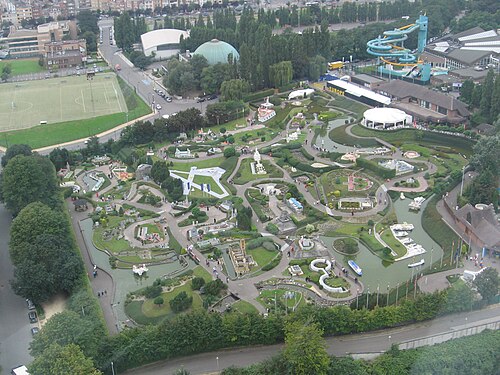
Mini-Europe is a miniature park at the foot of the Atomium in Laeken, in the north of Brussels, where some 350 monuments from across the European Union are rebuilt at a scale of 1/25 and set into roughly 2.5 hectares…
Musée Oldmasters - Oldmasters Museum
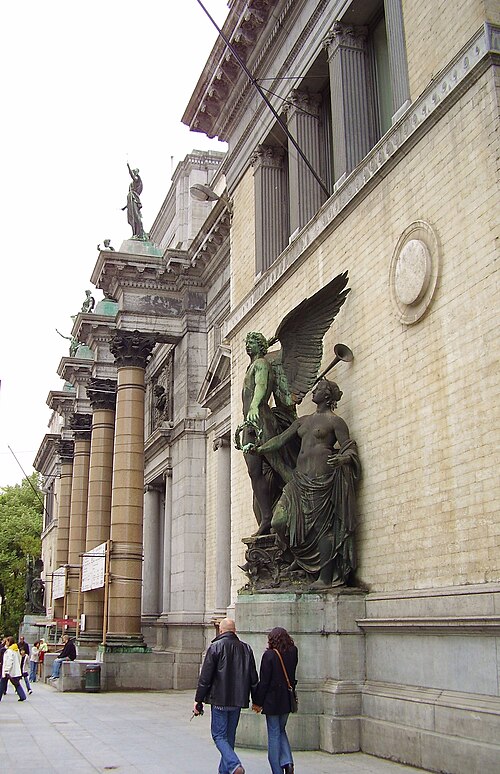
The Old Masters Museum is one of the four sites that make up the Royal Museums of Fine Arts of Belgium, a federal institution whose main entrance is at Rue de la Régence 3, on the slope below the Place…
Musée des instruments de musique - Muziekinstrumentenmuseum
The Musical Instruments Museum, universally called the MIM, is a federal Belgian museum of roughly ten thousand instruments, of which about twelve hundred are on show.
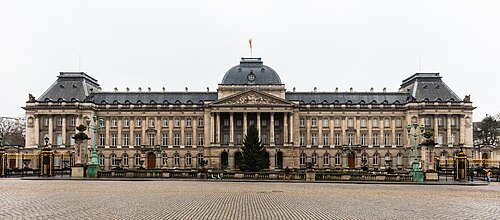
Palais Royal - Koninklijk Paleis
The Royal Palace of Brussels serves as the official palace of the Belgian King and houses the administrative services of the monarchy. Despite its name, it is not the royal residence; the King lives at the Palace of Laeken.
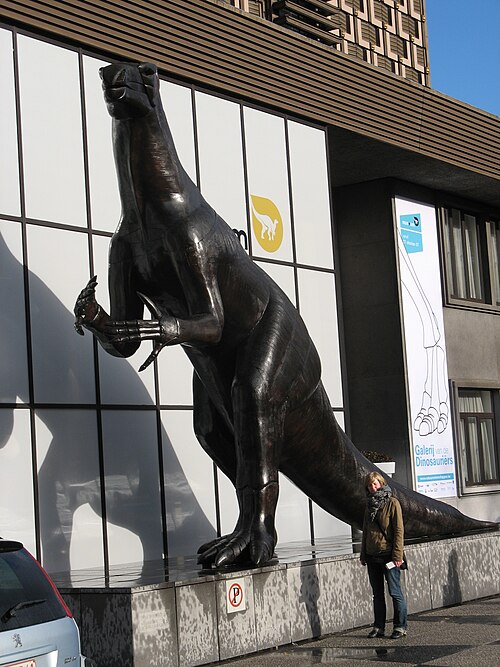
Muséum des sciences naturelles de Belgique - Museum voor Natuurwetenschappen van België
The Museum of Natural Sciences of Belgium is a major natural history museum located in Brussels. Its local names are Muséum des sciences naturelles de Belgique in French and Museum voor Natuurwetenschappen van België in Dutch, reflecting Belgium's bilingual character.
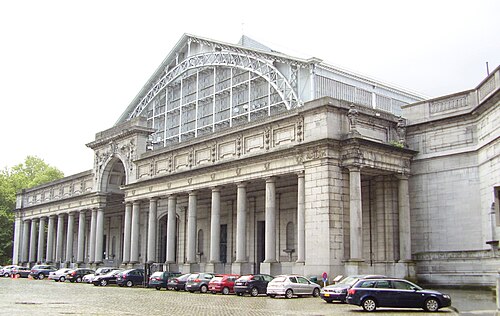
Autoworld is a motor museum located in Brussels, Belgium. The institution occupies a historic building within the Parc du Cinquantenaire complex, a prominent architectural setting in the European capital.
Musée BELvue - BELvue Museum
BELvue is a museum located in Brussels, Belgium. It occupies a historic building and presents exhibitions related to Belgian history, democracy, and society. The museum is situated in the Royal Quarter of Brussels, near the Royal Palace.
Maison de l'Histoire européenne - Huis van de Europese geschiedenis
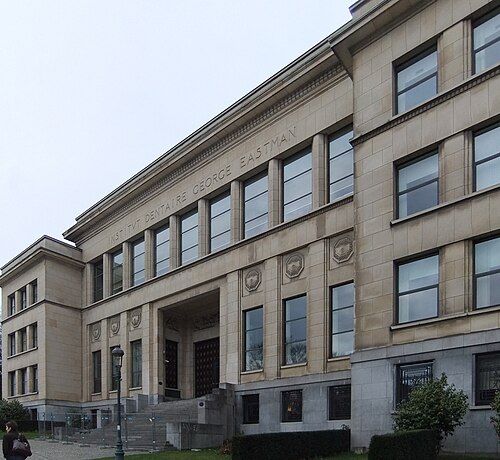
The House of European History is a museum in Brussels dedicated to the history of Europe and European integration. Located in the European Quarter near the European Parliament, it occupies the Eastman Building, a former dental institute.
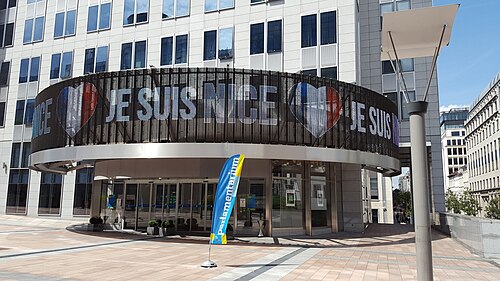
The Parlamentarium is the visitors' centre of the European Parliament, located in Brussels. It serves as an exhibition space designed to inform the public about the European Parliament's role, history, and democratic processes.
Église Notre-Dame des Victoires au Sablon - Onze-Lieve-Vrouw-ter-Zavelkerk
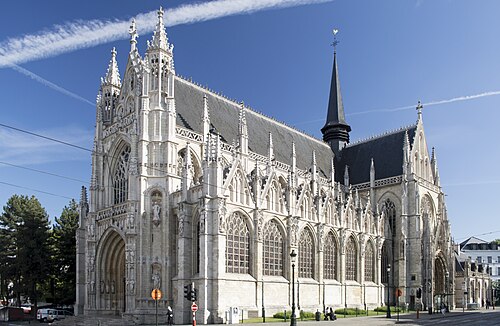
The Church of Our Lady of Victories at the Sablon is a Roman Catholic church in Brussels, Belgium. Its local names are Église Notre-Dame des Victoires au Sablon in French and Onze-Lieve-Vrouw-ter-Zavelkerk in Dutch.
Bourse - Beurs
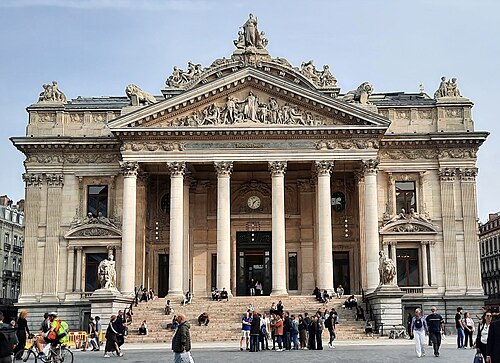
Bourse Palace, known locally as Bourse or Beurs, is a historic landmark on Boulevard Anspach 80 in central Brussels. The building stands in the pedestrian zone beside Grand-Place and combines public halls with visitor attractions, hospitality venues and services.
Palais de justice - Justitiepaleis
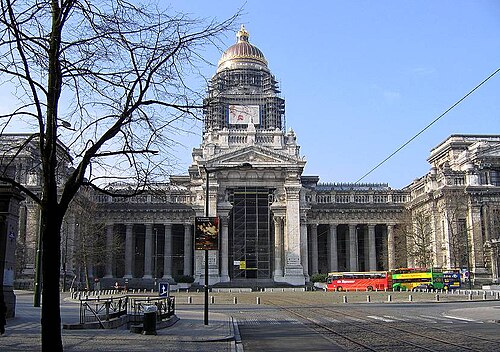
The Palace of Justice of Brussels, known locally as Palais de justice or Justitiepaleis, stands as one of Belgium's most monumental law courts.
Parc de Bruxelles - Warandepark
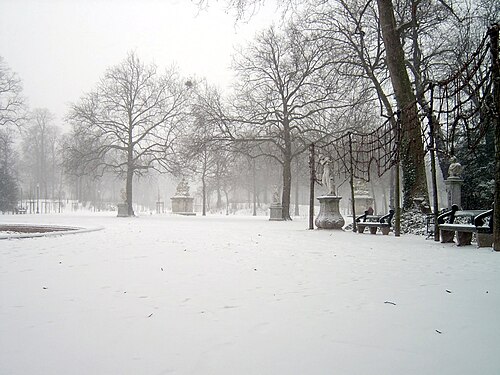
Brussels Park, known locally as Parc de Bruxelles and Warandepark, is a public park situated in the heart of Brussels. It lies adjacent to the Royal Square and the Belgian Parliament building.
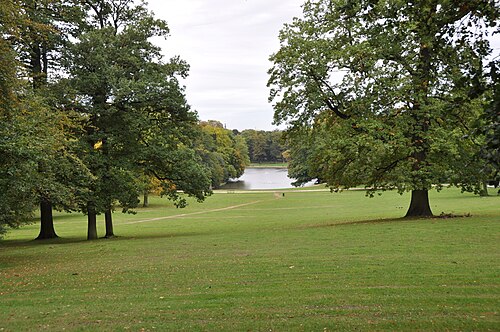
Bois de la Cambre, known in Dutch as Ter Kamerenbos, is a public park situated in Brussels, Belgium. It occupies a significant green space within the urban environment of the Belgian capital.
Coudenberg
The Palace of Coudenberg was a medieval royal and imperial palace located on Coudenberg hill in Brussels. It served as the seat of government for the Dukes of Brabant and later for the Habsburg rulers.
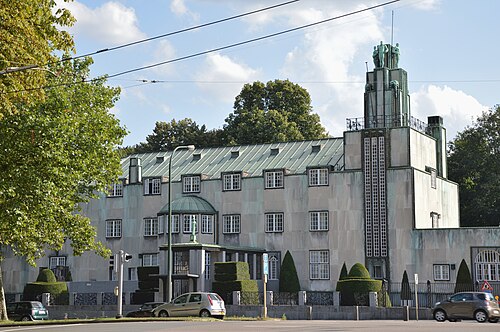
Palais Stoclet - Stocletpaleis
The Stoclet Palace is a private residence in Brussels, Belgium, designed by architect Josef Hoffmann and the Wiener Werkstätte between 1905 and 1911. It stands as one of the most refined achievements of the Vienna Secession movement.
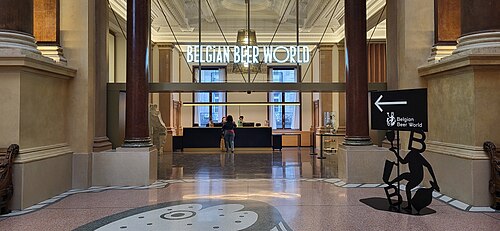
Belgian Beer World is a Brussels attraction devoted to Belgian beer culture and heritage.
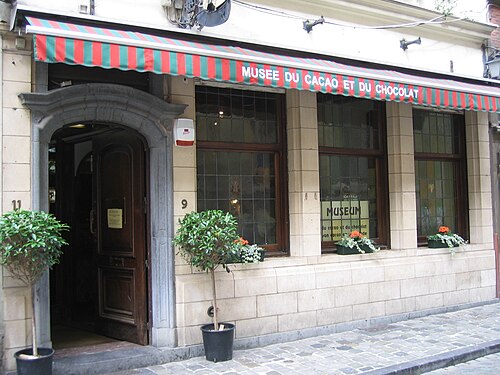
Choco Story Brussels
Choco-Story Brussels is a museum devoted to chocolate in the Belgian capital. The visit connects cocoa’s Mesoamerican origins with the development of European chocolate-making and Brussels’ strong praline tradition.
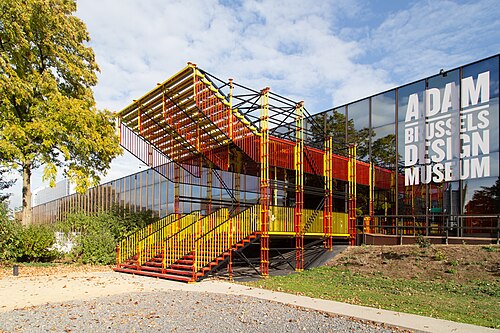
Design Museum Brussels is a Brussels museum devoted to design history and contemporary design practice. It places functional objects, visual ideas, and manufacturing culture within a wider cultural setting.
Musée royal de l'Armée et d'Histoire militaire - Koninklijk Museum van het Leger en de Krijgsgeschiedenis
The Royal Museum of the Armed Forces and Military History occupies the Cinquantenaire complex in Brussels. It presents Belgium’s military heritage across several centuries, combining historical interpretation with large collections of military objects.
Jardin du Mont des Arts - Tuin van de Kunstberg
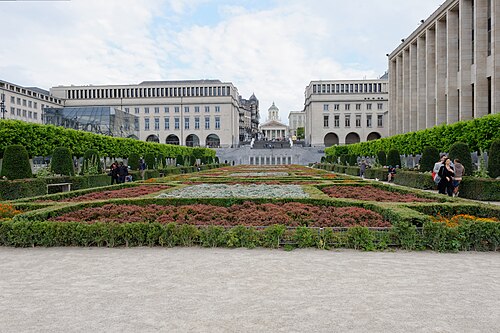
The Garden of the Mont des Arts is a formal garden on an elevated site in central Brussels.
The historic lower town clusters around Grand-Place, the Bourse and Sainte-Catherine. Uphill, the Mont des Arts links the central station to the Royal Quarter, Sablon and major museums. The European Quarter lies east around Schuman and Leopold Park, while the Art Nouveau neighbourhoods extend south through Saint-Gilles and Ixelles. The Atomium and Heysel plateau are a separate northern trip. Brussels is administratively fragmented, but these visitor zones form clearer planning units than municipal boundaries.
Checked 2026-08-26
Walk inside the central lower and upper towns, then use STIB-MIVB metro, tram and bus services between outer districts. Contactless payment is available across the operator’s network, and the official trip tools show real-time connections. Urban trains can also be useful between major stations. The Atomium, European Quarter and southern Art Nouveau districts should each be linked to the centre by transit rather than forced into one long walking route.
Checked 2026-08-26
Two to three days suit a first visit. Use one day for the historic centre and upper town, then divide the remaining time between the Atomium, European Quarter and southern neighbourhoods.
May, June and September usually offer useful daylight and comfortable walking conditions. Rain is possible throughout the year, so keep museums available as flexible indoor blocks.
Yes, but the elevation change between the lower town and Royal Quarter is easy to underestimate. Walk within each zone and use metro or tram when connecting to Heysel, the European Quarter or southern districts.
Yes. STIB-MIVB supports contactless payment on its buses, trams and metro network. Use the same card or device consistently and check the operator’s current conditions before travel.
Treat the Atomium and Heysel as a northern trip, the European Quarter as an eastern block, and Saint-Gilles or Ixelles as a southern route. The historic centre and Royal Quarter combine most naturally.