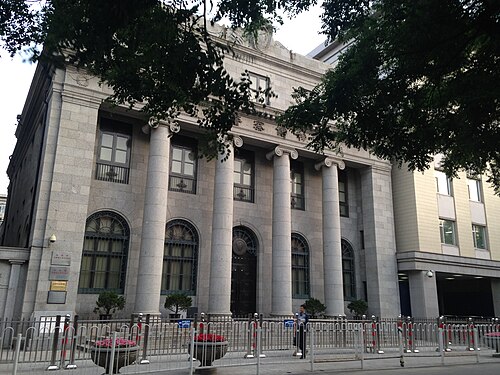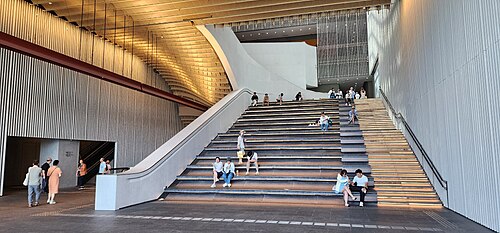
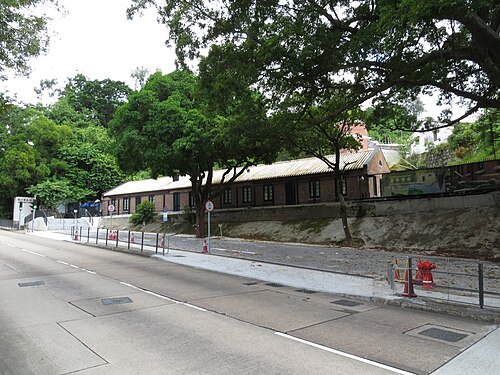
Jao Tsung-I Academy
饒宗頤文化館 Jao Tsung-I Academy
Jao Tsung-I Academy is a cultural institution in Hong Kong dedicated to Professor Jao Tsung-I, a major Chinese scholar in the humanities.
- High
- Museum
- Hong Kong
Country guide
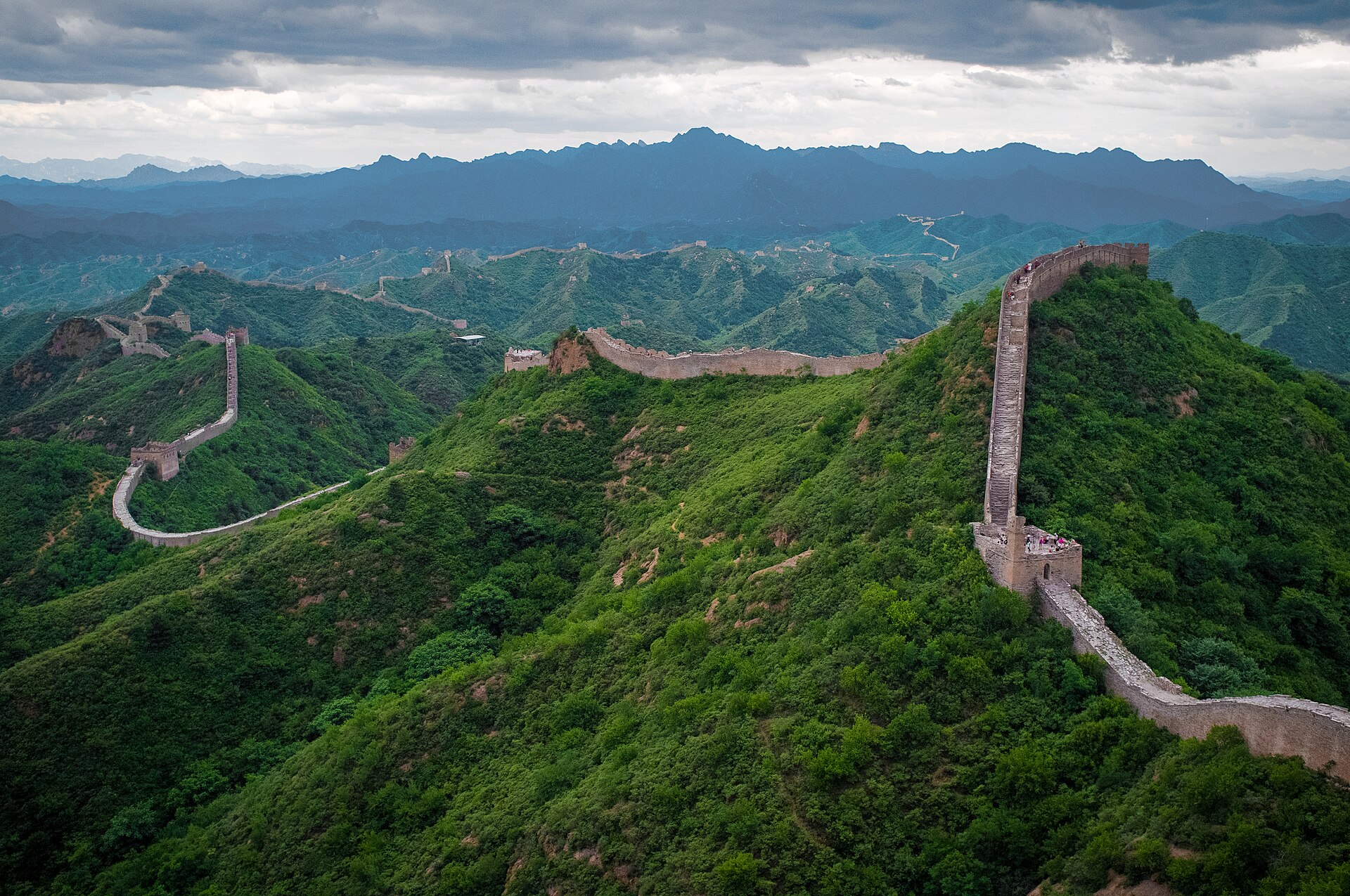
China covers 9.6 million km², third largest of any country, and holds more than 1.4 billion people — about 17 per cent of everyone alive. It is divided into 33...
Photograph · Severin.stalder · CC BY-SA 3.0
Reviewed by Elena Voss · Roavina Travel Editor
China covers 9.6 million km², third largest of any country, and holds more than 1.4 billion people — about 17 per cent of everyone alive. It is divided into 33 province-level divisions, two of them special administrative regions.
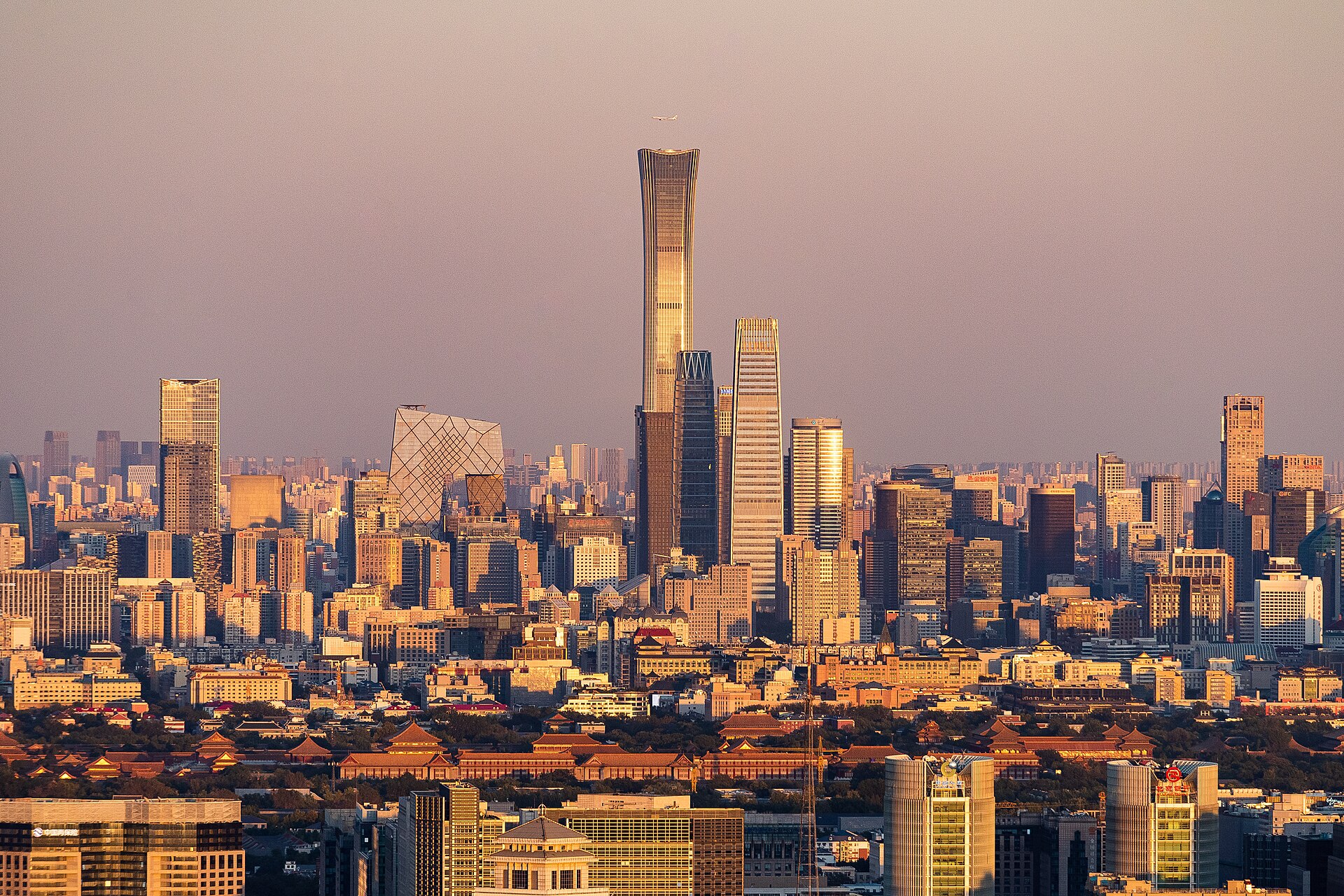
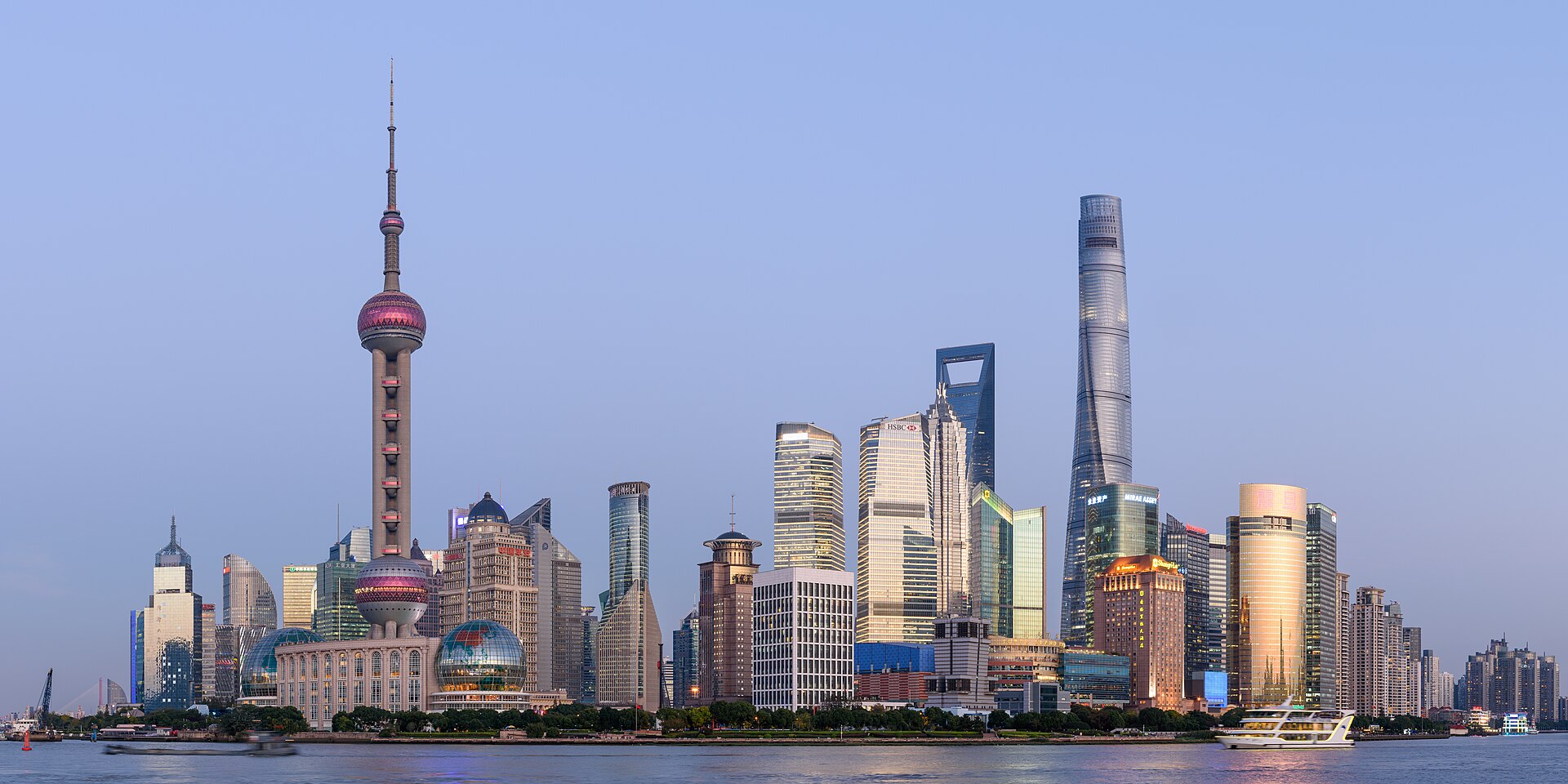
Beijing is the capital; Shanghai is the most populous city by urban area. Between them the land runs from the Central Plain and the Yangtze and Yellow rivers out to desert, plateau, subtropical and temperate forest, and the Himalayas in the southwest. The first decision a visitor makes here is therefore not which sight to see but which climate to travel in.
Checked 2026-08-25
Every city catalogued in this country so far, ranked by how much there is to see.
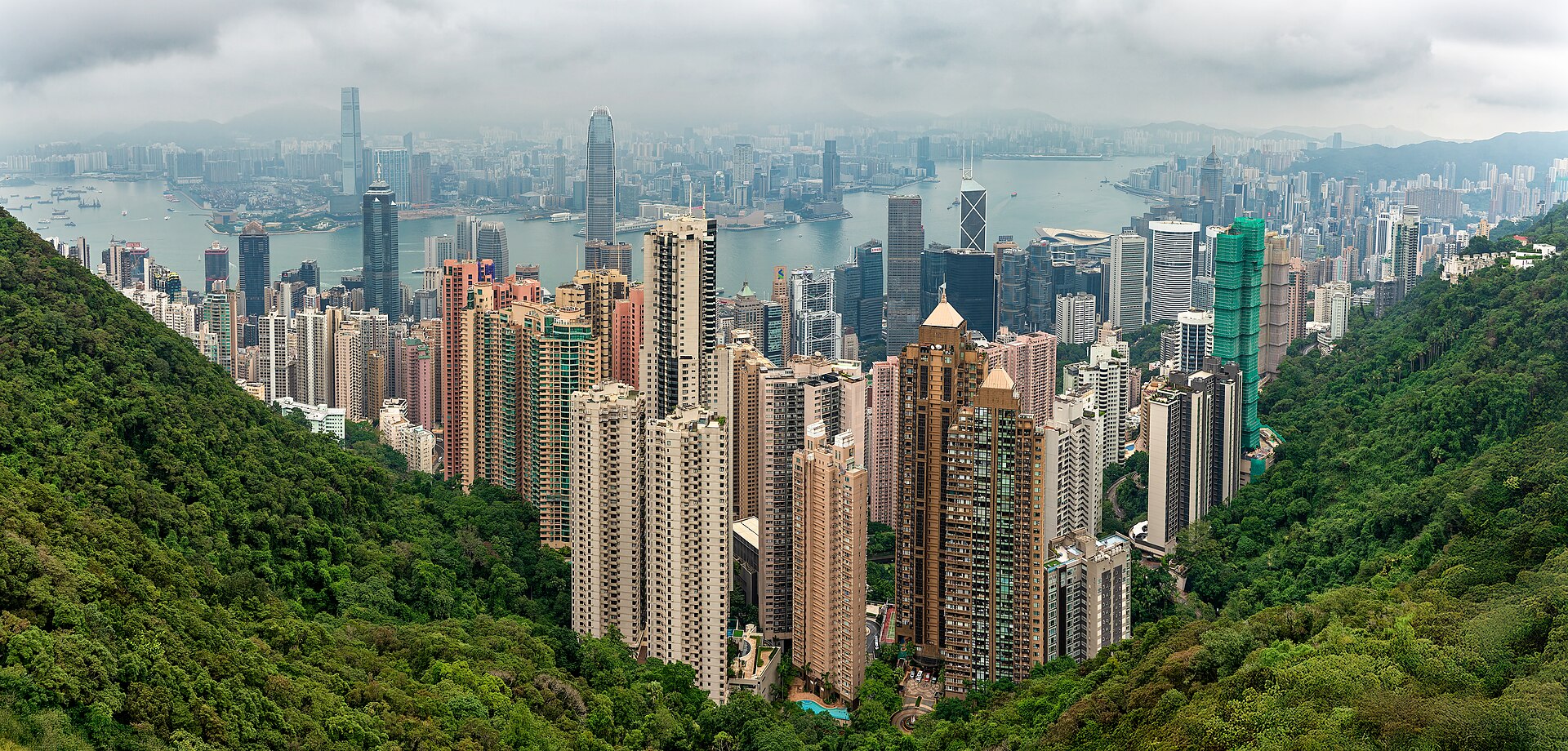
Photograph · N509FZ · CC BY-SA 4.0
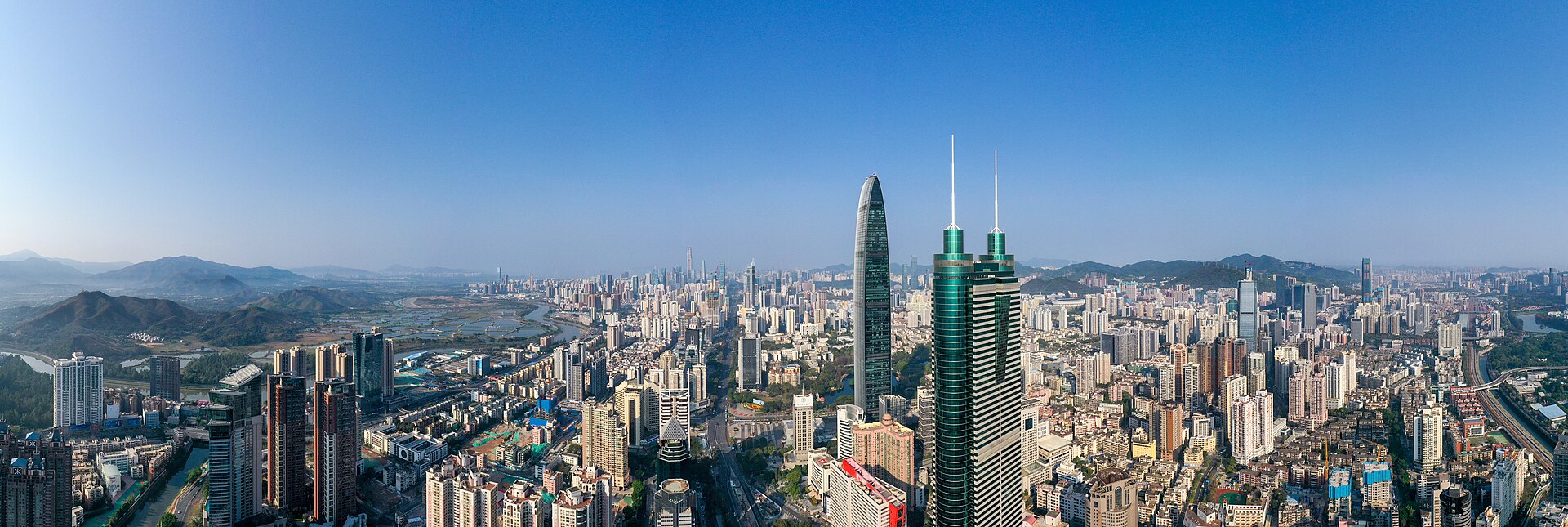
Photograph · King of Hearts · CC BY-SA 4.0
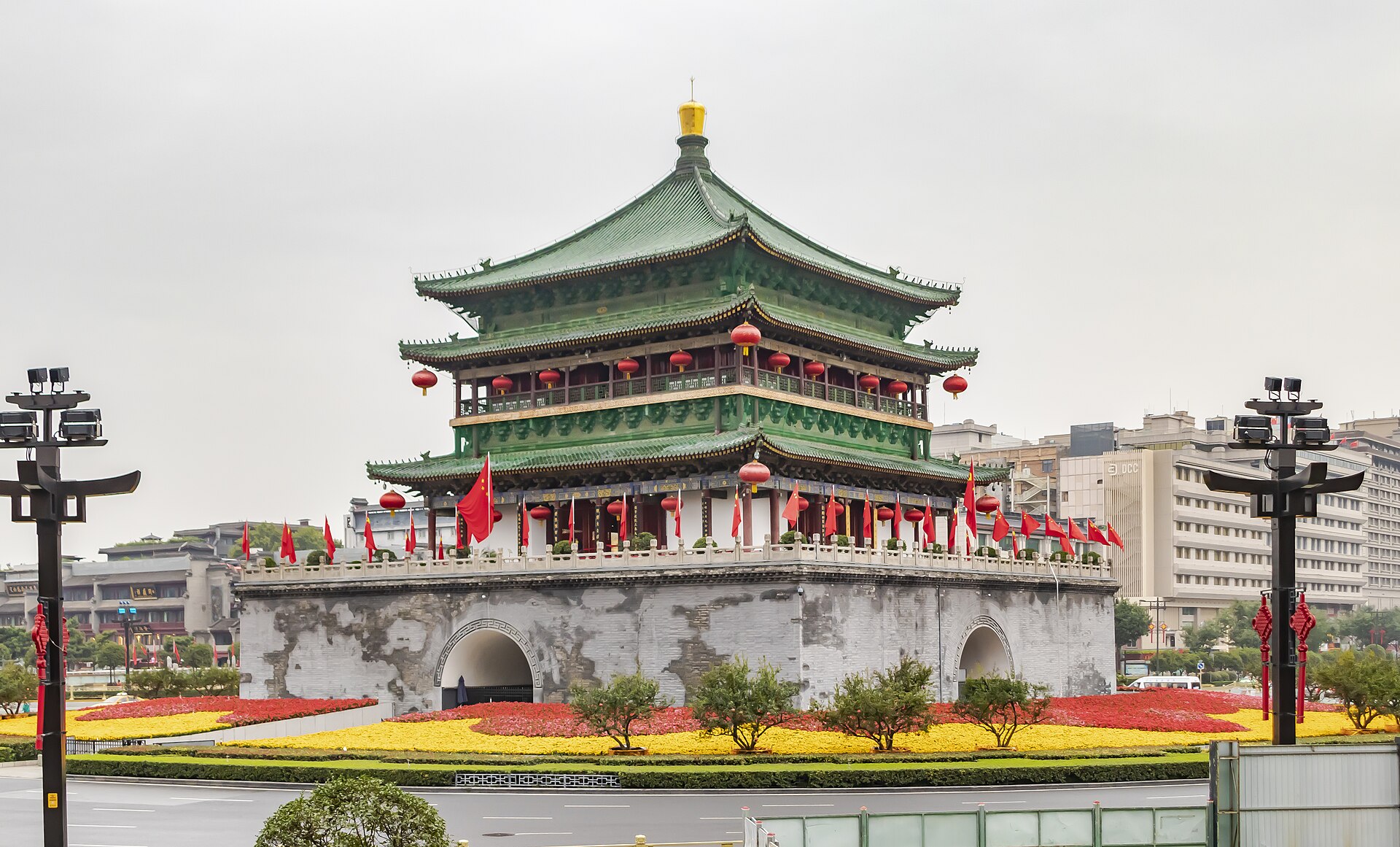
Photograph · Mustang Joe · CC0
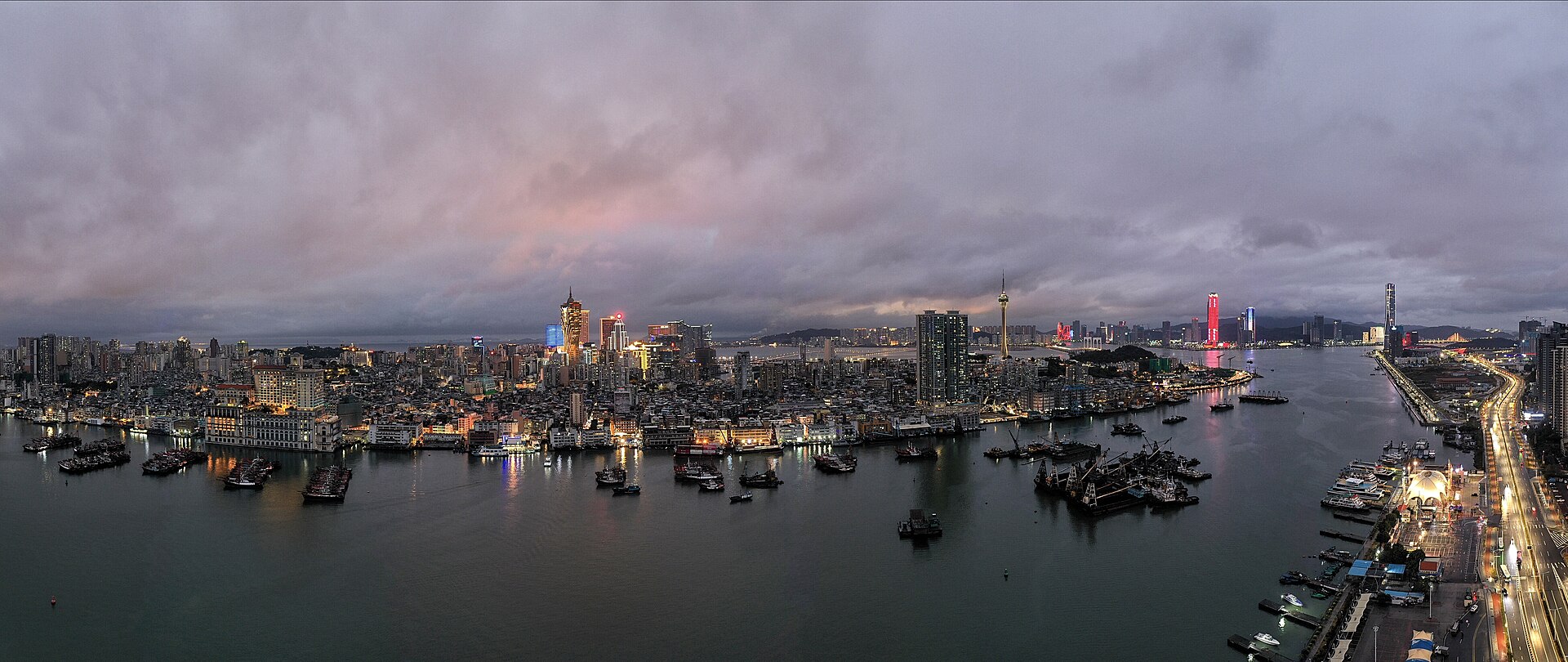
Photograph · Charlie fong · CC BY-SA 4.0
Photograph · ScareCriterion12 · CC BY-SA 4.0
Photograph · Charlie fong · CC BY-SA 4.0
Seasonal closures come from recorded opening hours.
Ranked by importance — sitelinks, pageviews and heritage status, not editor preference.
104 places match
Category
Typical visit duration
Interests
饒宗頤文化館 Jao Tsung-I Academy
Jao Tsung-I Academy is a cultural institution in Hong Kong dedicated to Professor Jao Tsung-I, a major Chinese scholar in the humanities.
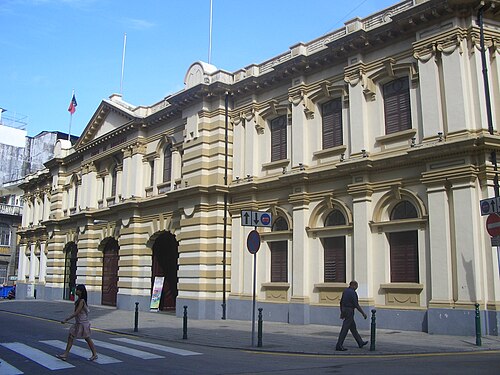
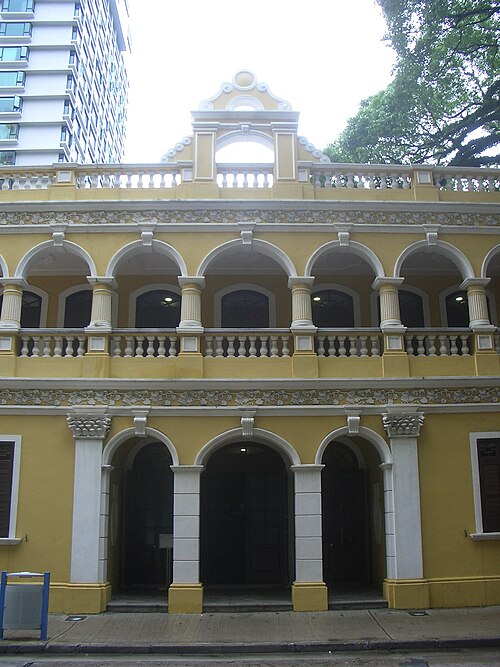
澳門茶文化館
Macao Tea Culture House is a cultural venue devoted to tea heritage in Macao. It stands within the Historic Centre of Macao, the UNESCO-listed urban area inscribed in 2005.
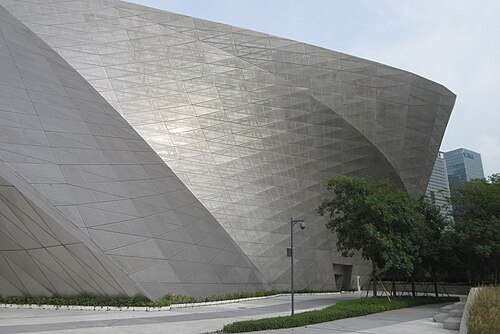
深圳市当代艺术与城市规划馆
The Museum of Contemporary Art and Planning Exhibition occupies a prominent position in Shenzhen’s Civic Center area. Designed by Coop Himmelb(l)au, its metallic exterior and angular volumes make the building a landmark in their own right.
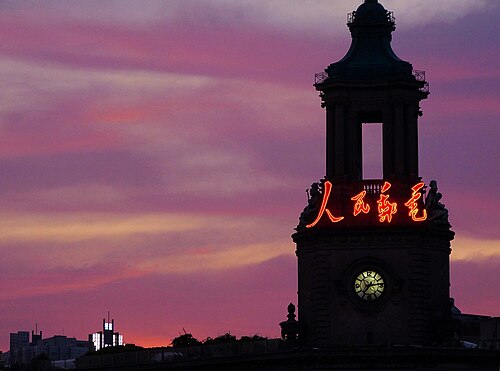
上海邮政博物馆
The Shanghai Postal Museum occupies a historic building in the Hongkou district along the Suzhou Creek.
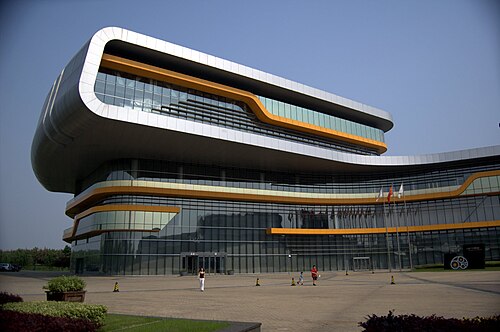
上海汽车博物馆
The Shanghai Auto Museum, known locally as 上海汽车博物馆, is a museum dedicated to automotive history and culture in Shanghai, China. It stands as a recognized visitor destination within the city's broader tourism landscape, noted among Shanghai's places of interest.
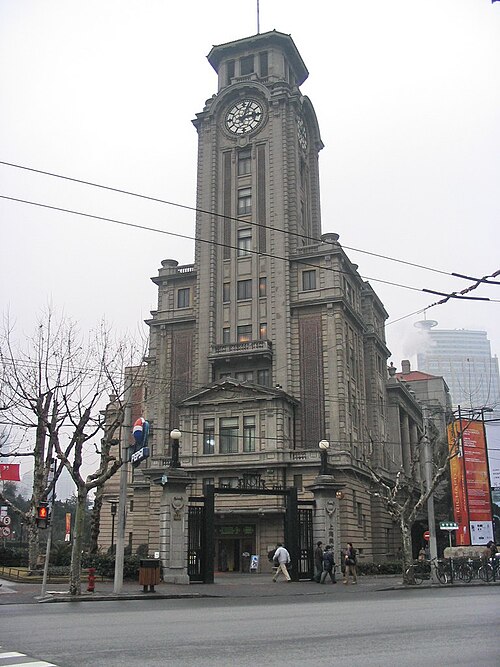
上海市历史博物馆
Shanghai History Museum presents the city’s story through the objects, documents and civic history gathered under the identity 上海市历史博物馆. Its focus is Shanghai itself: how the settlement, port, streets, institutions and communities changed over time.
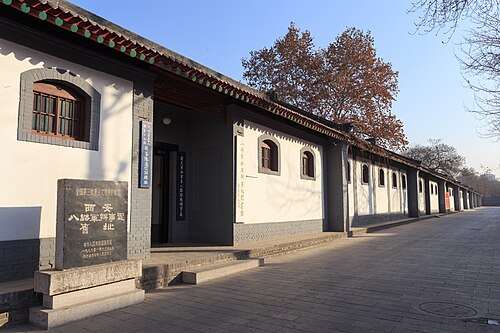
八路军西安办事处纪念馆
The Eighth Route Army Xi'an Office Memorial Hall preserves the wartime office associated with the Eighth Route Army during the Second Sino-Japanese War. It presents Xi'an as an important setting for liaison, organization, and supply work.
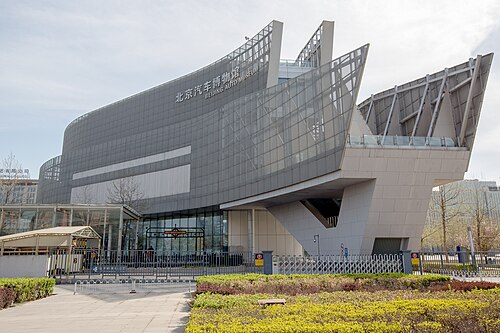
北京汽车博物馆
Beijing Auto Museum is a purpose-built museum in Fengtai devoted to automobile history, engineering, design and the social effects of motor transport.
消防博物館 Museu dos Bombeiros
Fire Services Museum explores the history and development of Macao’s firefighting service.
典當業展示館 Espaço Patrimonial uma Casa de Penhores Tradicional
The Heritage Exhibition of a Traditional Pawnshop Business is a museum dedicated to preserving Macau's historical pawnshop culture. Pawnshops played a significant role in the territory's commercial and social history, serving as vital financial institutions for residents.
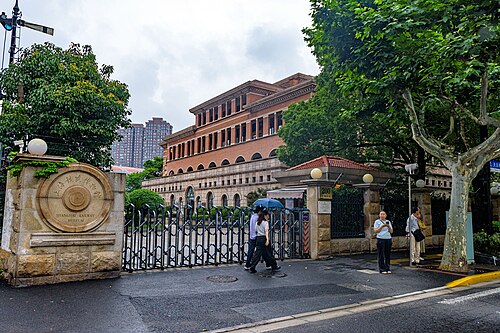
上海铁路博物馆
The Shanghai Railway Museum is a museum dedicated to the history of rail transport in Shanghai and China.
深圳科学技术馆
The Shenzhen Science and Technology Museum is a cultural and educational institution dedicated to science popularisation and technological demonstration. Located in Shenzhen, Guangdong Province, it serves as a venue where visitors can engage with scientific principles and technological developments.
北京警察博物馆
Beijing Police Museum is a municipal museum in central Beijing devoted to the history and development of policing in China’s capital. The museum presents policing as an institution shaped by changing governments, technologies, and urban needs.
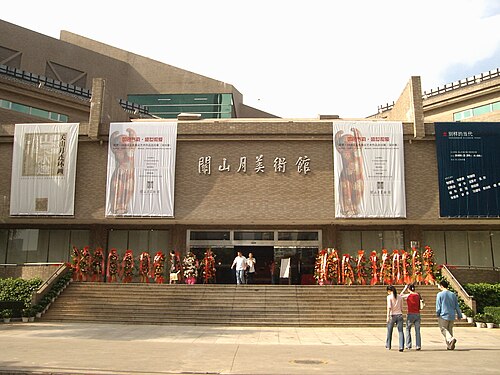
关山月美术馆
Guan Shanyue Art Museum is a public art museum in Shenzhen’s Futian district, devoted to the legacy of Guan Shanyue, a major modern Chinese painter.
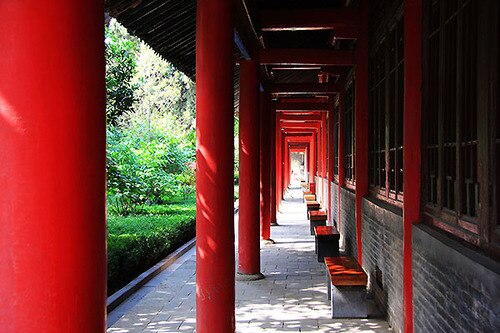
西安碑林博物馆
Xi'an Beilin Museum, known locally as 西安碑林博物馆, houses one of China's most significant collections of stone steles and epigraphic art.
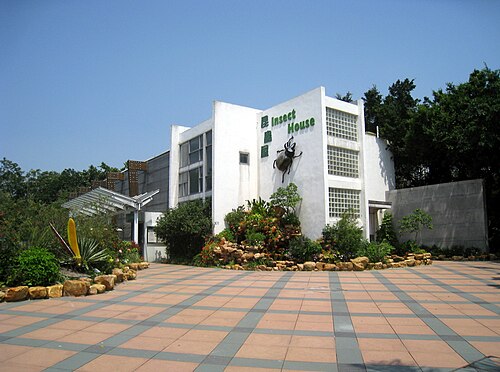
昆蟲屋
Insect House, also known locally as 昆蟲屋, is a Hong Kong attraction centred on insects. The name gives the visit a clear entomological focus, making it a natural choice for travellers who enjoy small creatures, natural history, and close observation.
招商局历史博物馆
China Merchants History Museum is a museum dedicated to the history of China Merchants Group, one of China's oldest and most significant state-owned enterprises.
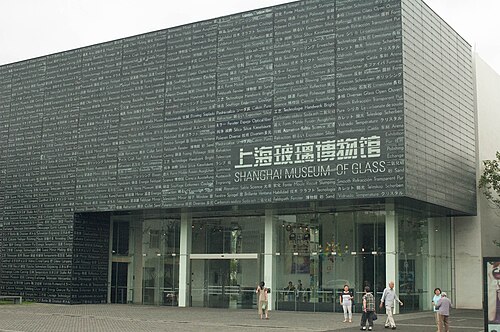
上海玻璃博物馆
The Shanghai Museum of Glass is a museum dedicated to glass art and craft, located in Shanghai, China. It occupies a converted former glass factory site, repurposing industrial heritage into a cultural venue.
火山探知館 Volcano Discovery Centre
The Hong Kong UNESCO Global Geopark Volcano Discovery Centre serves as the primary visitor gateway to Hong Kong UNESCO Global Geopark. Located in Sai Kung, the centre introduces visitors to the territory's remarkable volcanic geology and hexagonal rock columns.
Beijing Planetarium is a public astronomy museum and planetarium facility in Beijing, China. Its local name is 北京天文馆. The institution serves as a venue for astronomical education, public science outreach, and celestial observation experiences.
香港藝術館 Hong Kong Museum of Art
The Hong Kong Museum of Art is a public art museum located in Tsim Sha Tsui, Kowloon, on the waterfront of Victoria Harbour.
香港故宮文化博物館 Hong Kong Palace Museum
The Hong Kong Palace Museum is a museum dedicated to Chinese art and culture, located in the West Kowloon Cultural District. It displays treasures from the Palace Museum in Beijing alongside Hong Kong collections.
香港文化古蹟資源中心 Hong Kong Resource Centre for Heritage
The Hong Kong Resource Centre for Heritage is a cultural institution dedicated to preserving and promoting Hong Kong's historical and architectural legacy.
澳門科學館 Centro de Ciência de Macau
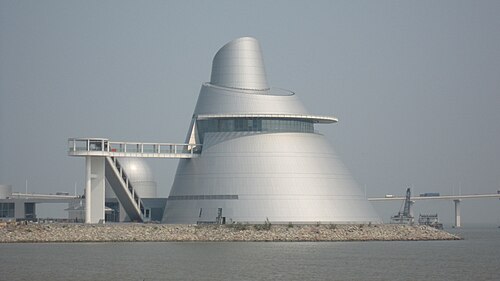
The Macao Science Center is a waterfront science museum on the Macau peninsula dedicated to science education and public engagement.
南山博物馆
Nanshan Museum is a public cultural institution in Shenzhen’s Nanshan District, known locally as 南山博物馆. It is a useful stop for travellers who want context for the district and the wider Shenzhen region beyond the city’s modern skyline.
Twelve to eighteen days can link Beijing, Xi'an, and Shanghai by high-speed rail, with Shenzhen as a southern extension. Hong Kong and Macao need separate border planning and should not be treated as ordinary domestic stops on the same timetable.
Entry rules differ between mainland China, Hong Kong, and Macao, even within one journey. Check the official immigration authority for every border segment and match the permission to the passport, purpose, and exact itinerary.
High-speed rail and domestic flights cover mainland distances, while metros handle most urban journeys. Hong Kong uses Octopus and separate border controls, and Macao has its own formalities, so prepare payment and identity requirements for each jurisdiction.
April to May and September to October are only broad mainland planning windows. Beijing, Shanghai, the south, Hong Kong, and Macao have different heat, rain, and holiday pressures; the least flexible regional leg should set the dates.
Mainland China uses renminbi (CNY), while Hong Kong and Macao use HKD and MOP. Payment systems and card acceptance differ across those jurisdictions, so prepare the appropriate local method before crossing each border.
On the mainland, save 110 for police and 120 for medical help; Hong Kong and Macao use separate emergency systems. Mainland electricity is recorded as 220 V with Type A, C, and I sockets, while tap-water guidance is not recorded.