


01
2 hours
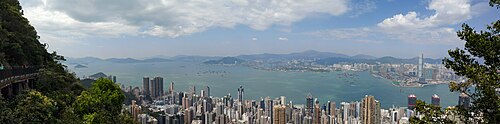
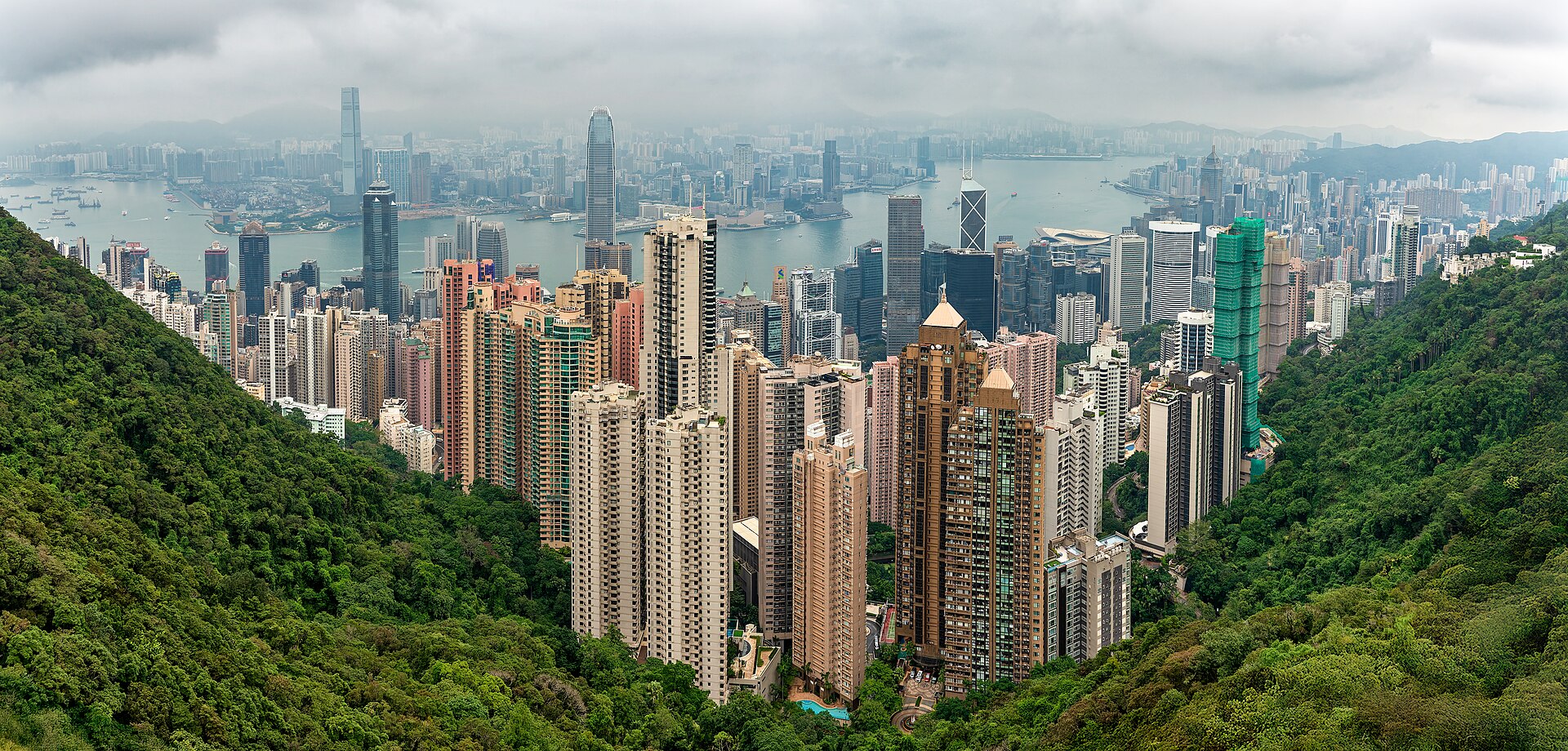
Victoria Harbour
維多利亞港
Victoria Harbour is a natural landform harbour situated between Hong Kong Island and the Kowloon Peninsula.
- Must see
- Activity
- Hong Kong
Country guide
China covers 9.6 million km², third largest of any country, and holds more than 1.4 billion people — about 17 per cent of everyone alive. It is divided into 33...
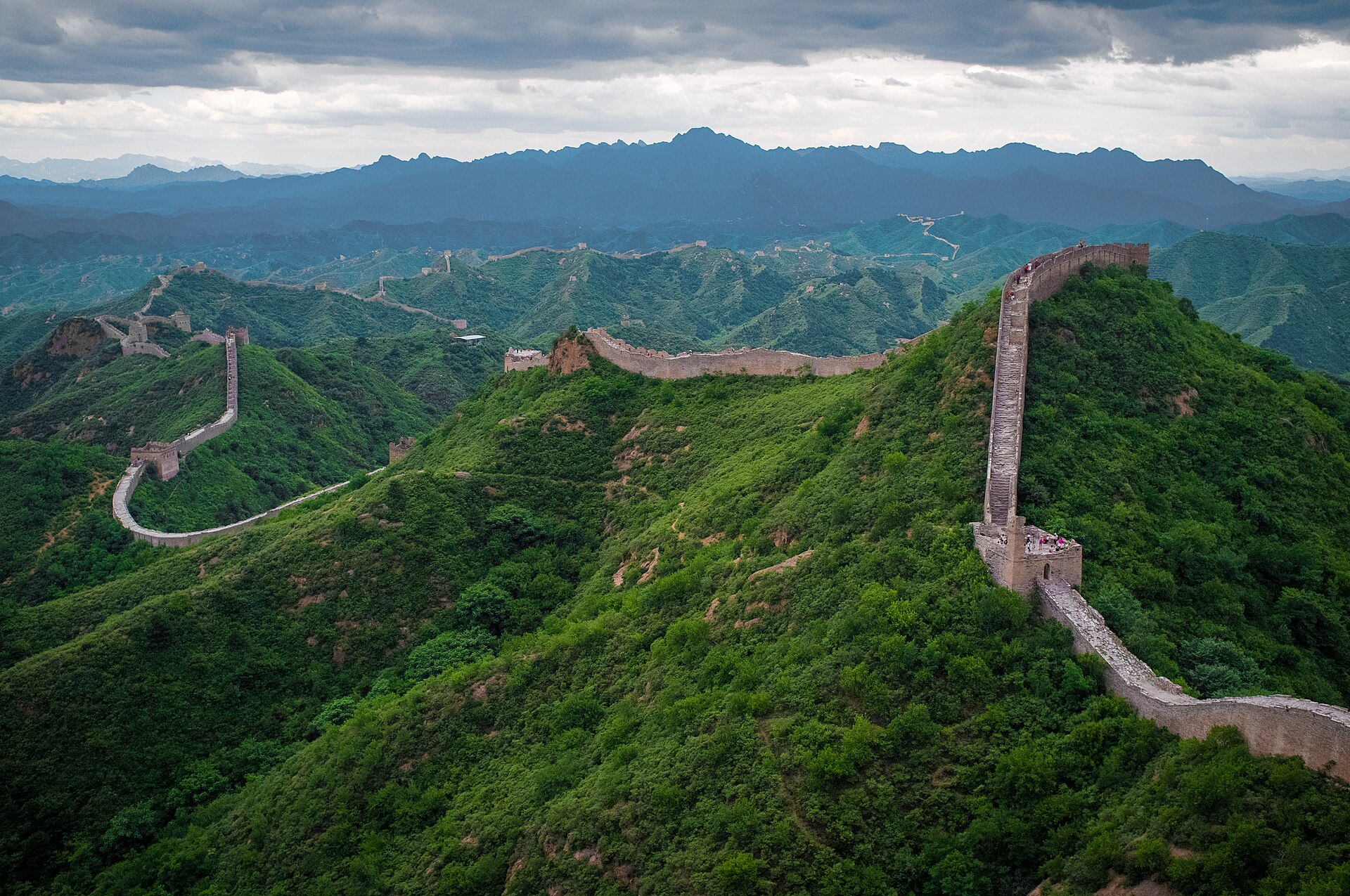
Photograph · Severin.stalder · CC BY-SA 3.0
Reviewed by Elena Voss · Roavina Travel Editor
China covers 9.6 million km², third largest of any country, and holds more than 1.4 billion people — about 17 per cent of everyone alive. It is divided into 33 province-level divisions, two of them special administrative regions.
Beijing is the capital; Shanghai is the most populous city by urban area. Between them the land runs from the Central Plain and the Yangtze and Yellow rivers out to desert, plateau, subtropical and temperate forest, and the Himalayas in the southwest. The first decision a visitor makes here is therefore not which sight to see but which climate to travel in.
Checked 2026-08-25
Every city catalogued in this country so far, ranked by how much there is to see.
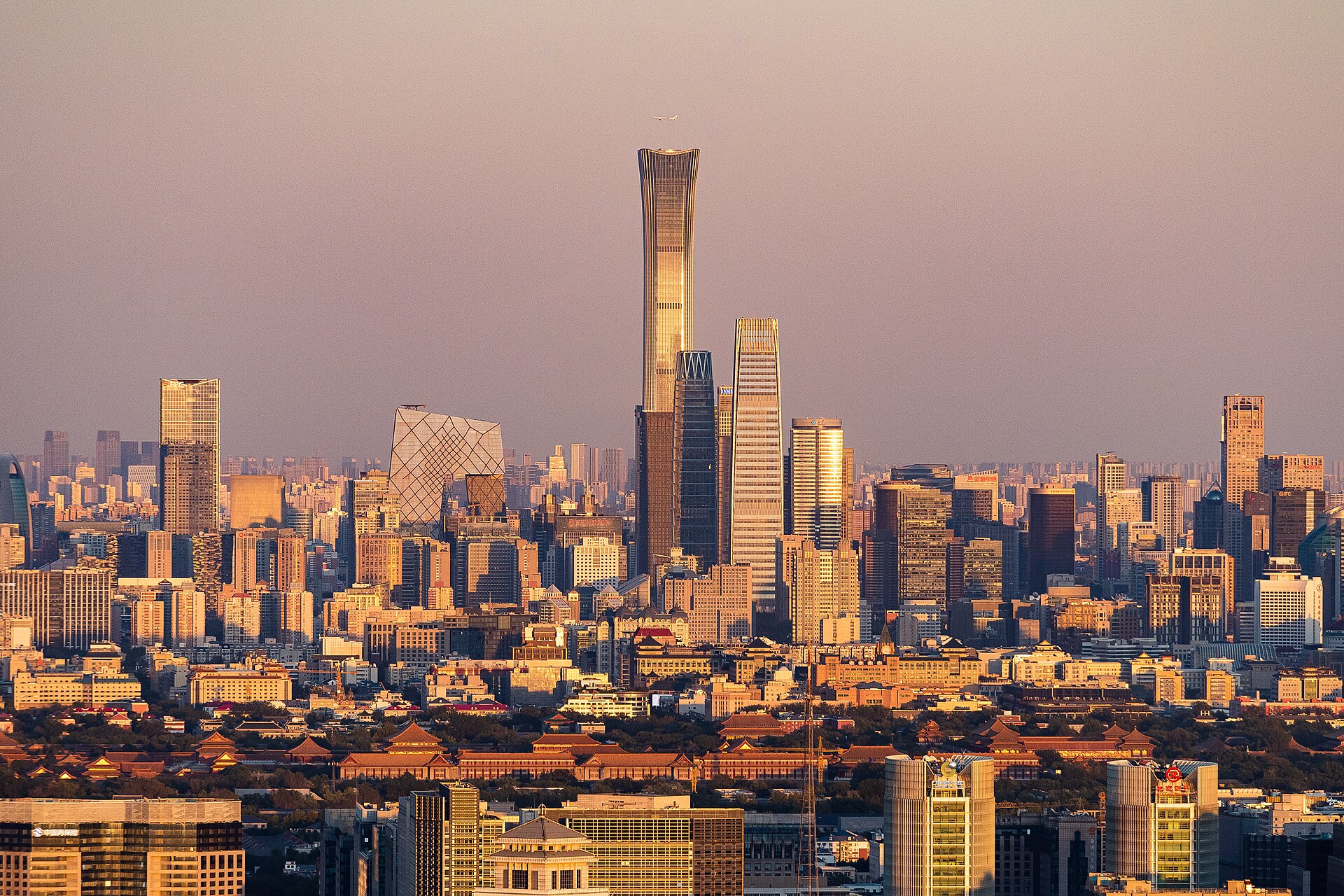
Photograph · N509FZ · CC BY-SA 4.0
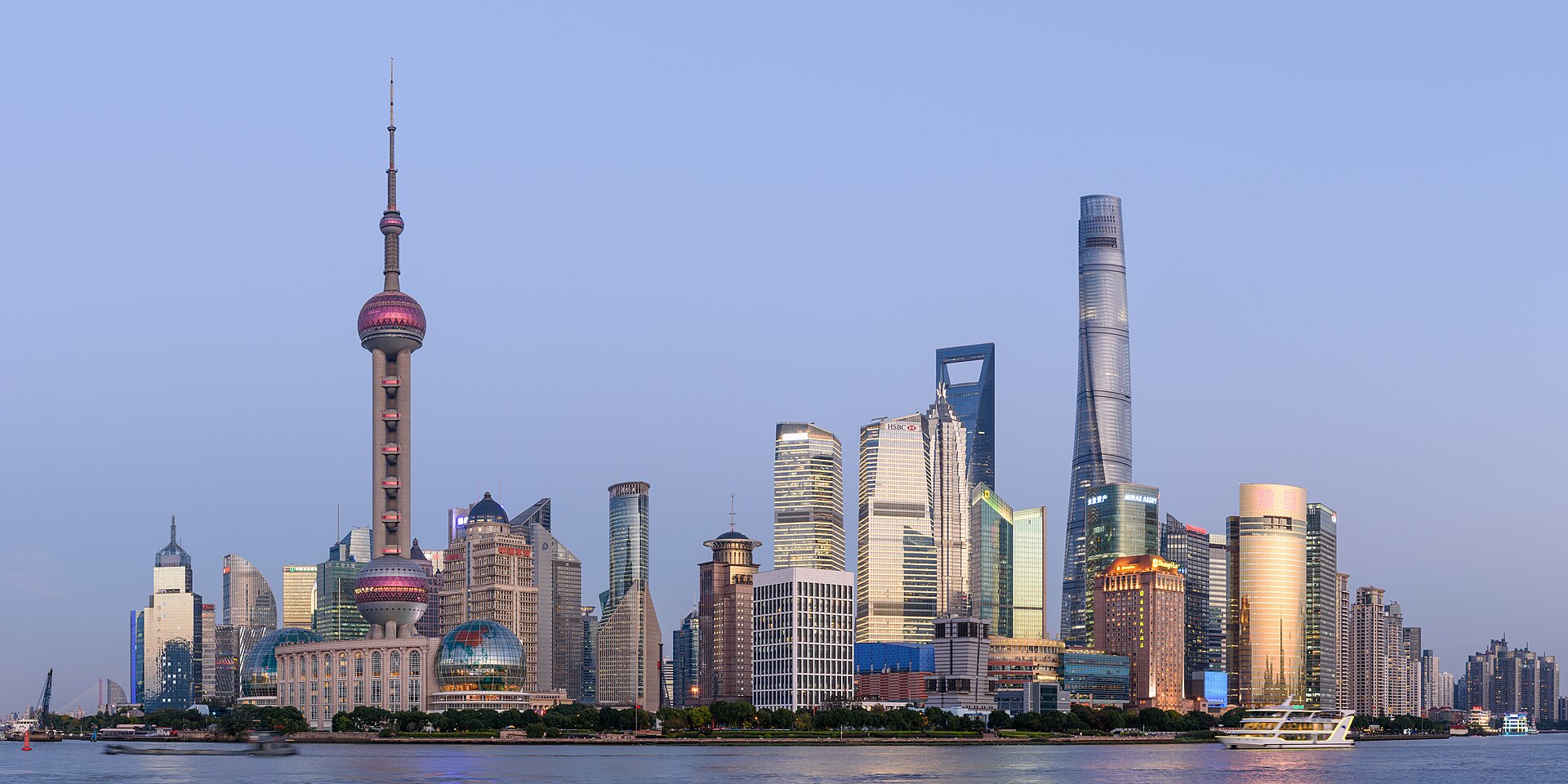
Photograph · King of Hearts · CC BY-SA 4.0
Photograph · Mustang Joe · CC0
Photograph · Charlie fong · CC BY-SA 4.0
Photograph · ScareCriterion12 · CC BY-SA 4.0
Photograph · Charlie fong · CC BY-SA 4.0
Ranked by importance — sitelinks, pageviews and heritage status, not editor preference.
143 places match
Category
Typical visit duration
Interests
維多利亞港
Victoria Harbour is a natural landform harbour situated between Hong Kong Island and the Kowloon Peninsula.
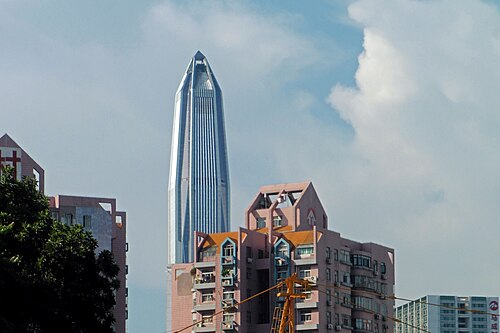
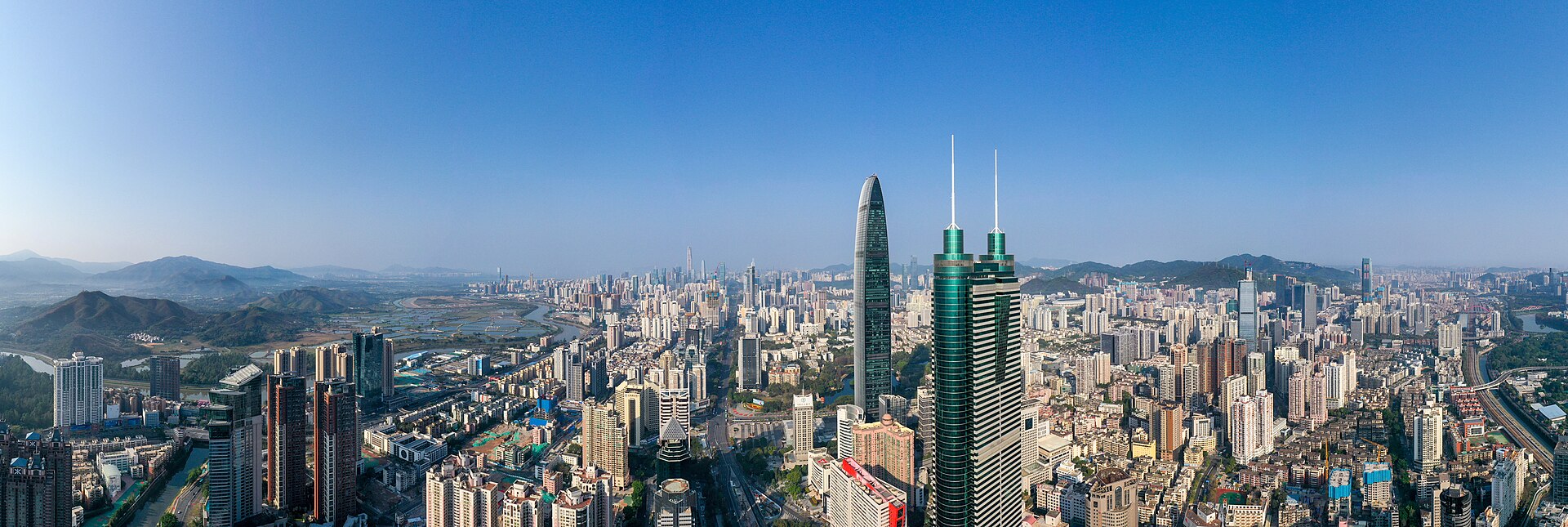
Ping An Finance Centre is a 599.1-metre skyscraper in Shenzhen's Futian District, with the Free Sky observation deck forming its principal public visitor experience.
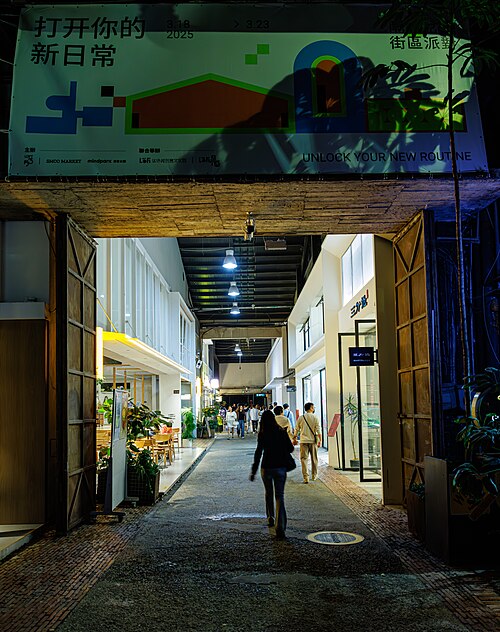
OCT-LOFT Creative Culture Park is a former industrial compound in Shenzhen’s Nanshan District, reshaped into a cultural quarter by Overseas Chinese Town. Factory buildings now hold galleries, studios, creative workspaces, shops, cafés, restaurants, and event venues.
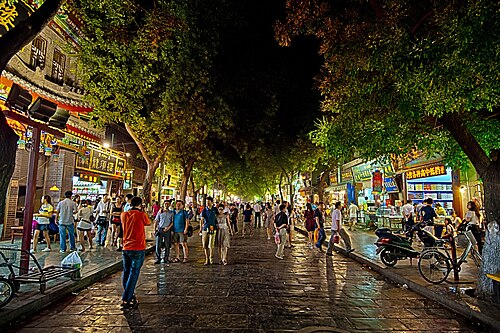
Muslim Quarter
Xi'an Muslim Quarter is a lived commercial and residential district in the city centre, known for Hui culture, mosques and food streets. It is not one market hall or a single ticketed attraction.
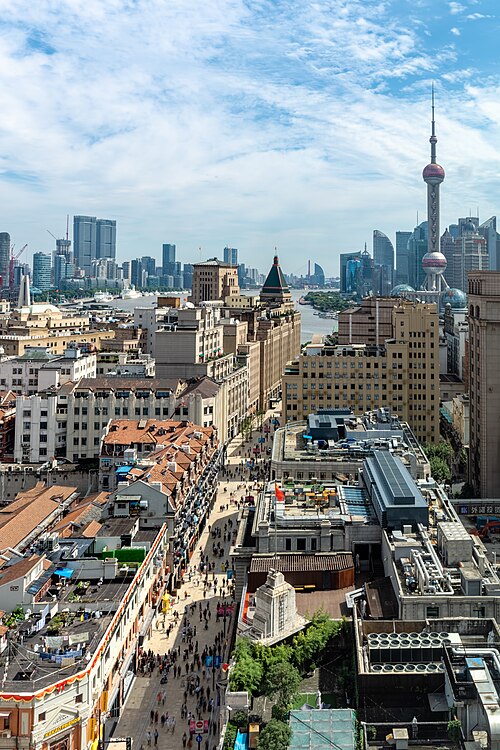
南京路
Nanjing Road is a major commercial thoroughfare in Shanghai, widely recognised as one of China's premier shopping streets. The road stretches west from the Bund and divides into Nanjing Road East and Nanjing Road West.
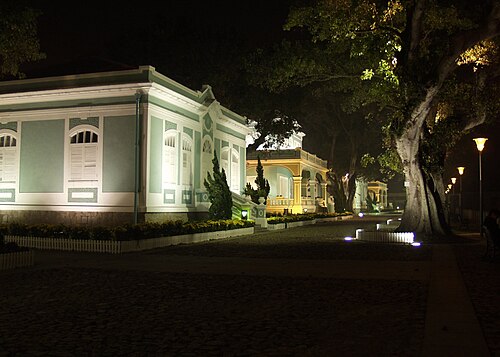
氹仔舊城區
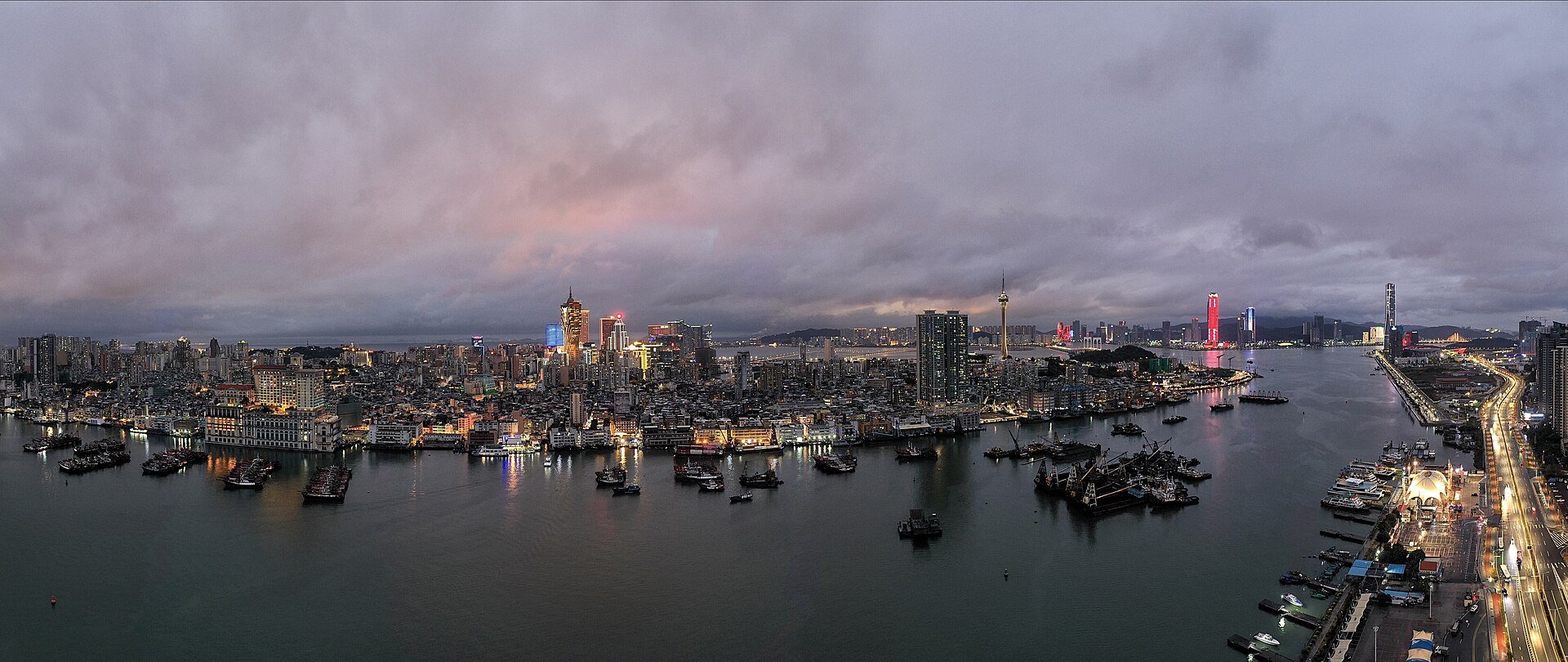
Taipa Village is a historic district on Taipa Island, Macau, preserving Portuguese colonial architecture alongside southern Chinese building styles. The area represents a fusion settlement pattern characteristic of Macau's UNESCO World Heritage status.
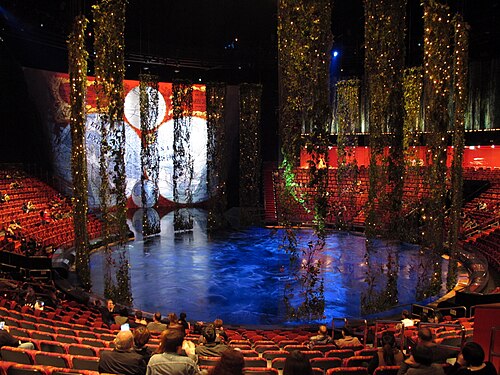
The House of Dancing Water is a large-scale water-based theatrical production at City of Dreams Macau. Created by Franco Dragone, it combines acrobatics, martial arts, diving, and motorcycle stunts in a purpose-built theatre with a transforming pool.
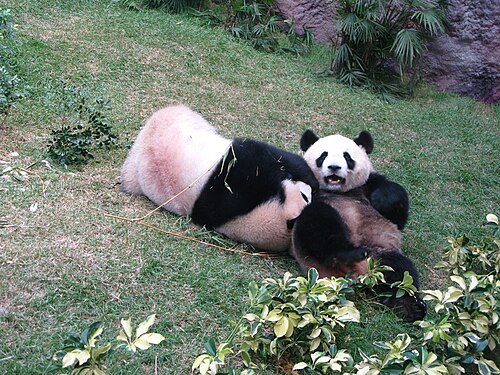
Macao Giant Panda Pavilion is a wildlife attraction dedicated to giant pandas in Macau. It gives visitors a chance to observe these animals in a managed setting while learning about their behaviour and conservation.

昂坪360
Ngong Ping 360 is a cable-car system on Lantau Island, Hong Kong, connecting Tung Chung to the Ngong Ping highland village area.
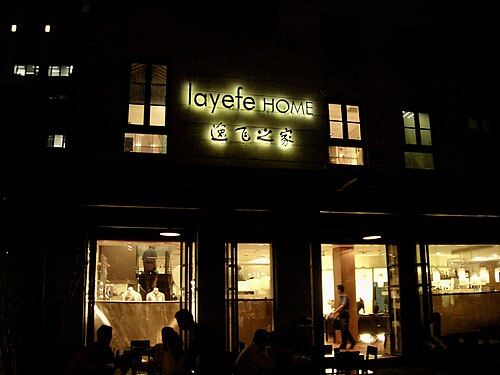
Xintiandi is a pedestrianized entertainment and shopping district in central Shanghai. The area comprises restored traditional shikumen lane houses, a distinctive architectural form combining Western and Chinese elements that was prevalent in the city from the 1860s to the 1930s.
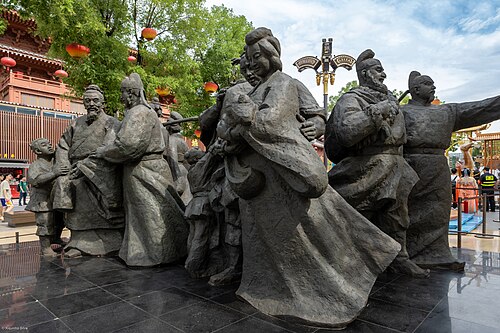
Grand Tang Mall is a large-scale pedestrian cultural and commercial district in Xi'an, developed as a flagship project celebrating Tang dynasty heritage.
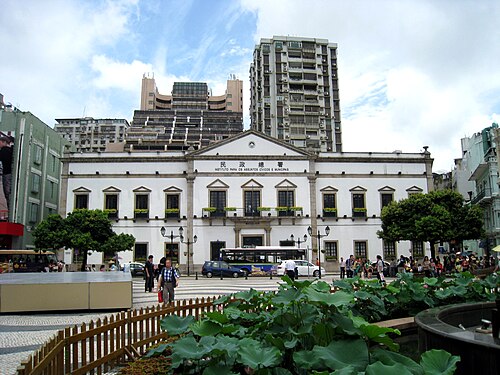
民政總署大樓
The Leal Senado Building stands in Senado Square at the heart of Macau’s historic centre. Its name means Loyal Senate in Portuguese, recalling the building’s role in colonial municipal government.
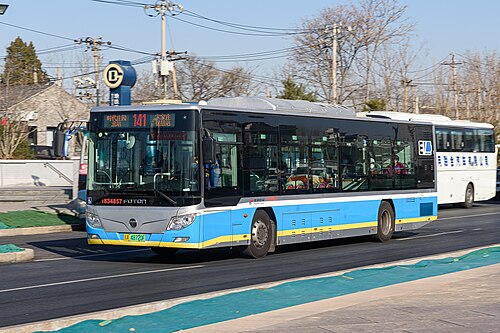
Qianmen Street is the historic ceremonial southern approach to Beijing's old inner city and its leading traditional commercial thoroughfare.
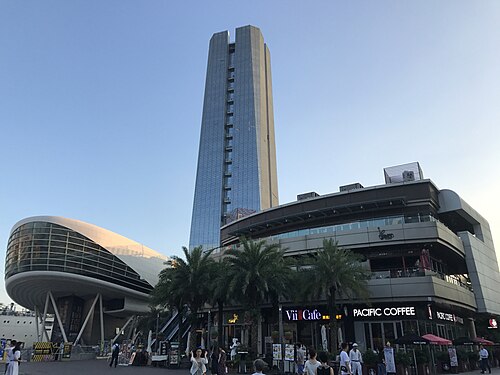
Sea World Shekou is an open waterfront dining, public-space, and evening precinct in Shenzhen's Shekou district. The area centres on a decommissioned Minghua cruise ship, now permanently moored and converted into a hotel and restaurant complex.
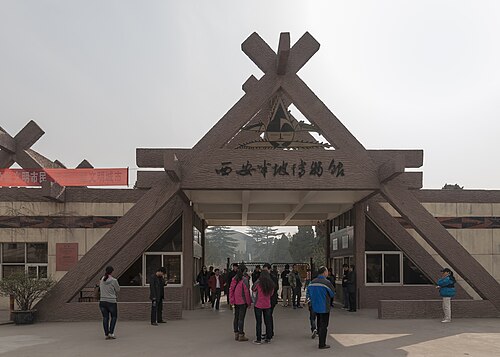
The Banpo Museum is an archaeological site museum in eastern Xi'an preserving the remains of a Neolithic Yangshao culture settlement. The site was excavated beginning in 1953 and opened to the public as one of China's first site museums.
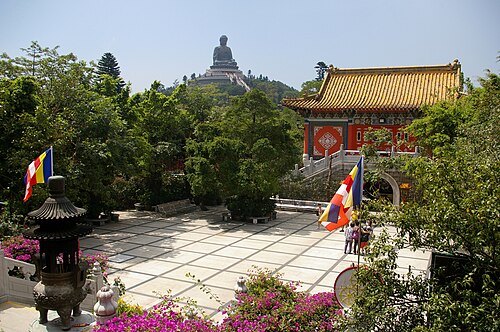
天壇大佛 Tian Tan Buddha Statue
The Tian Tan Buddha sits on the summit of Mount Muk Yue, 482 metres above sea level, at the edge of the Ngong Ping plateau on Lantau Island.

The Sea World Culture and Arts Center is a purpose-built cultural institution in Shenzhen's Shekou precinct. Its local name is 海上世界文化艺术中心. The center operates as a distinct museum and arts venue with its own galleries, exhibitions, and theatre spaces.

Tai Kwun, known locally as 大館, is a revitalised heritage and arts centre in Hong Kong's Central district. The complex occupies the former Central Police Station compound, which served as the headquarters of colonial law enforcement from 1864 to 2006.
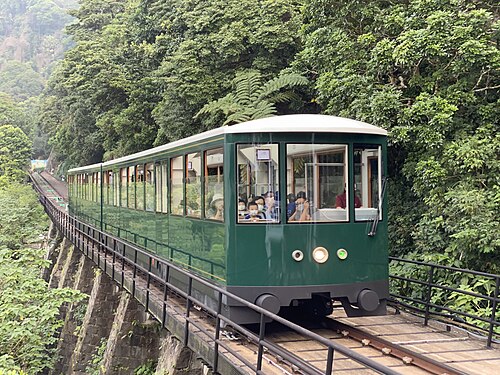
山頂纜車 Peak Tram
The Peak Tram is a double reversible funicular railway that hauls two tramcars up the north face of Hong Kong Island between Garden Road in Central and Victoria Gap, the saddle in the hills where the Peak Tower stands.
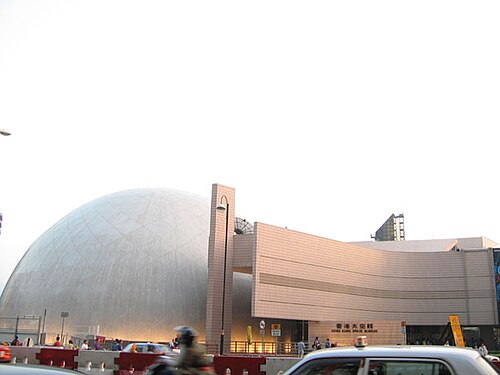
香港太空館 Hong Kong Space Museum
The Hong Kong Space Museum is a public astronomy and space science museum located in Tsim Sha Tsui, Kowloon. Its distinctive dome-shaped building, resembling a planetarium, stands prominently on the Salisbury Garden phase II site near the waterfront.

香港文化博物館 Hong Kong Heritage Museum
The Hong Kong Heritage Museum is a major cultural institution operated by the Leisure and Cultural Services Department.
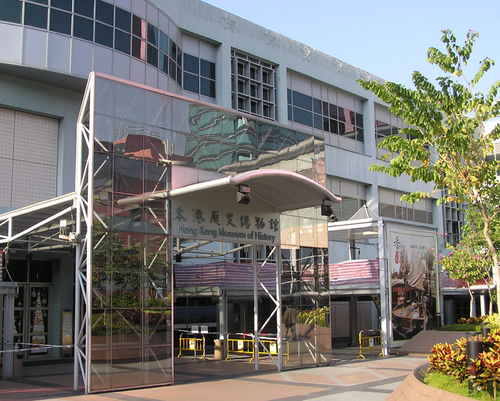
香港歷史博物館 Hong Kong Museum of History
The Hong Kong Museum of History is a major cultural institution dedicated to preserving and presenting the history of Hong Kong and South China. Located in Tsim Sha Tsui, Kowloon, the museum occupies a purpose-built facility.

茶具文物館 Flagstaff House Museum of Tea Ware
Flagstaff House is Hong Kong’s oldest surviving Western-style building and now houses the Museum of Tea Ware. The historic building stands inside Hong Kong Park in Central, placing colonial architectural heritage beside one of the city’s major urban green spaces.
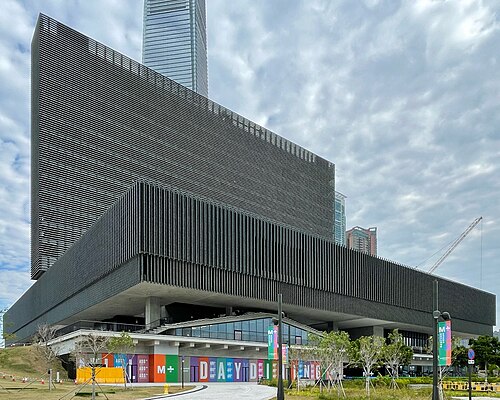
M+ is a museum of visual culture in Hong Kong, located in the West Kowloon Cultural District. It focuses on twentieth- and twenty-first-century art, design, architecture, and moving image from Hong Kong, China, Asia, and beyond.
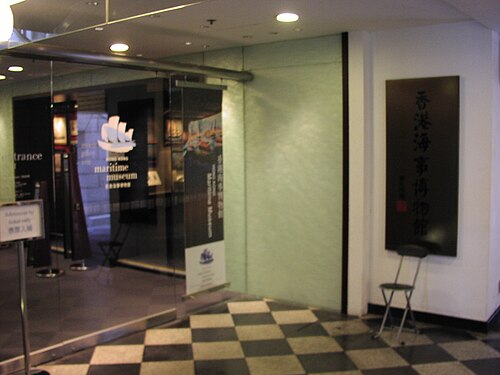
香港海事博物館 Hong Kong Maritime Museum
The Hong Kong Maritime Museum is a museum in Hong Kong dedicated to the maritime history and heritage of the region.
Twelve to eighteen days can link Beijing, Xi'an, and Shanghai by high-speed rail, with Shenzhen as a southern extension. Hong Kong and Macao need separate border planning and should not be treated as ordinary domestic stops on the same timetable.
Entry rules differ between mainland China, Hong Kong, and Macao, even within one journey. Check the official immigration authority for every border segment and match the permission to the passport, purpose, and exact itinerary.
High-speed rail and domestic flights cover mainland distances, while metros handle most urban journeys. Hong Kong uses Octopus and separate border controls, and Macao has its own formalities, so prepare payment and identity requirements for each jurisdiction.
April to May and September to October are only broad mainland planning windows. Beijing, Shanghai, the south, Hong Kong, and Macao have different heat, rain, and holiday pressures; the least flexible regional leg should set the dates.
Mainland China uses renminbi (CNY), while Hong Kong and Macao use HKD and MOP. Payment systems and card acceptance differ across those jurisdictions, so prepare the appropriate local method before crossing each border.
On the mainland, save 110 for police and 120 for medical help; Hong Kong and Macao use separate emergency systems. Mainland electricity is recorded as 220 V with Type A, C, and I sockets, while tap-water guidance is not recorded.