Prague Castle Picture Gallery
Obrazárna Pražského hradu
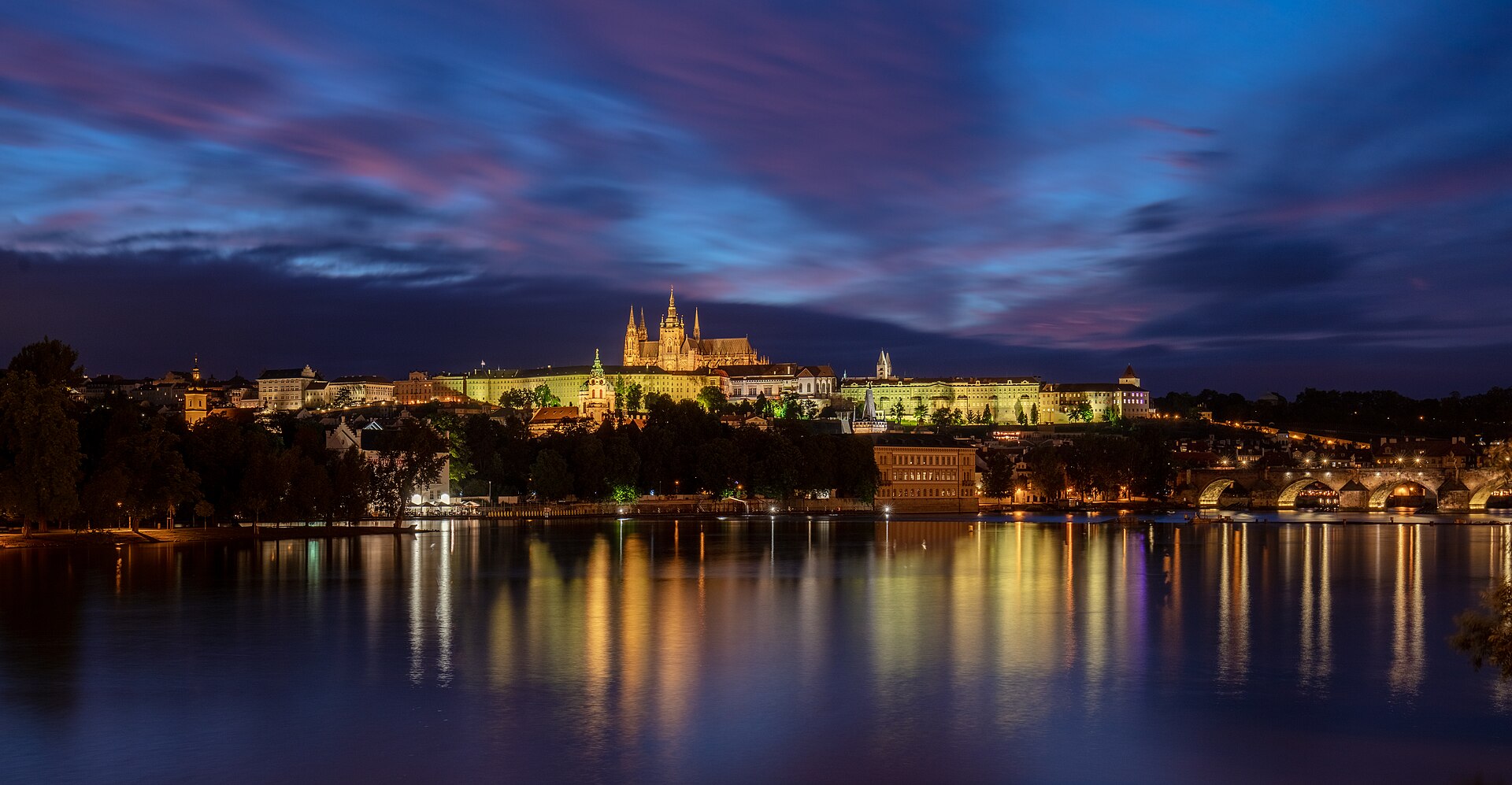
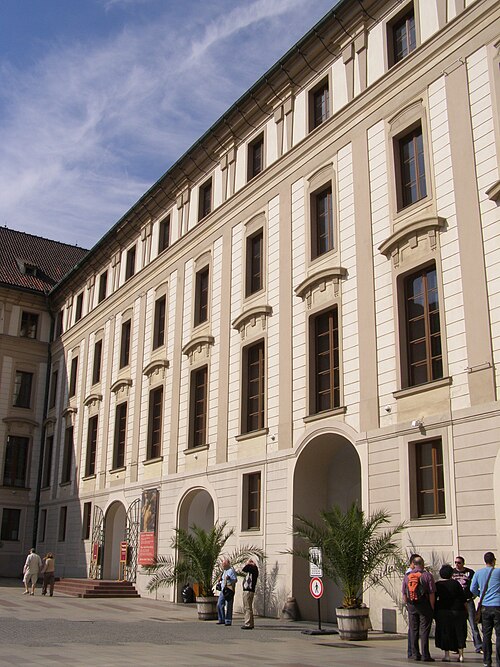
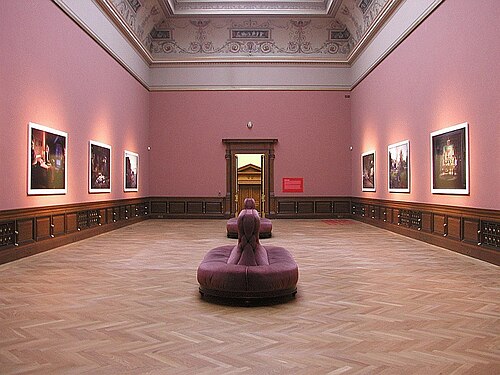
Prague Castle Picture Gallery is an art museum located within the Prague Castle complex, the historic seat of Czech kings, emperors and presidents.
- Must see
- Museum
- Prague
Country guide
Czechia is landlocked and hilly, 78,871 km² bordered by Germany to the west, Poland to the northeast, Slovakia to the southeast and Austria to the south, under...
Photograph · Diego Delso · CC BY-SA 4.0
Reviewed by Elena Voss · Roavina Travel Editor
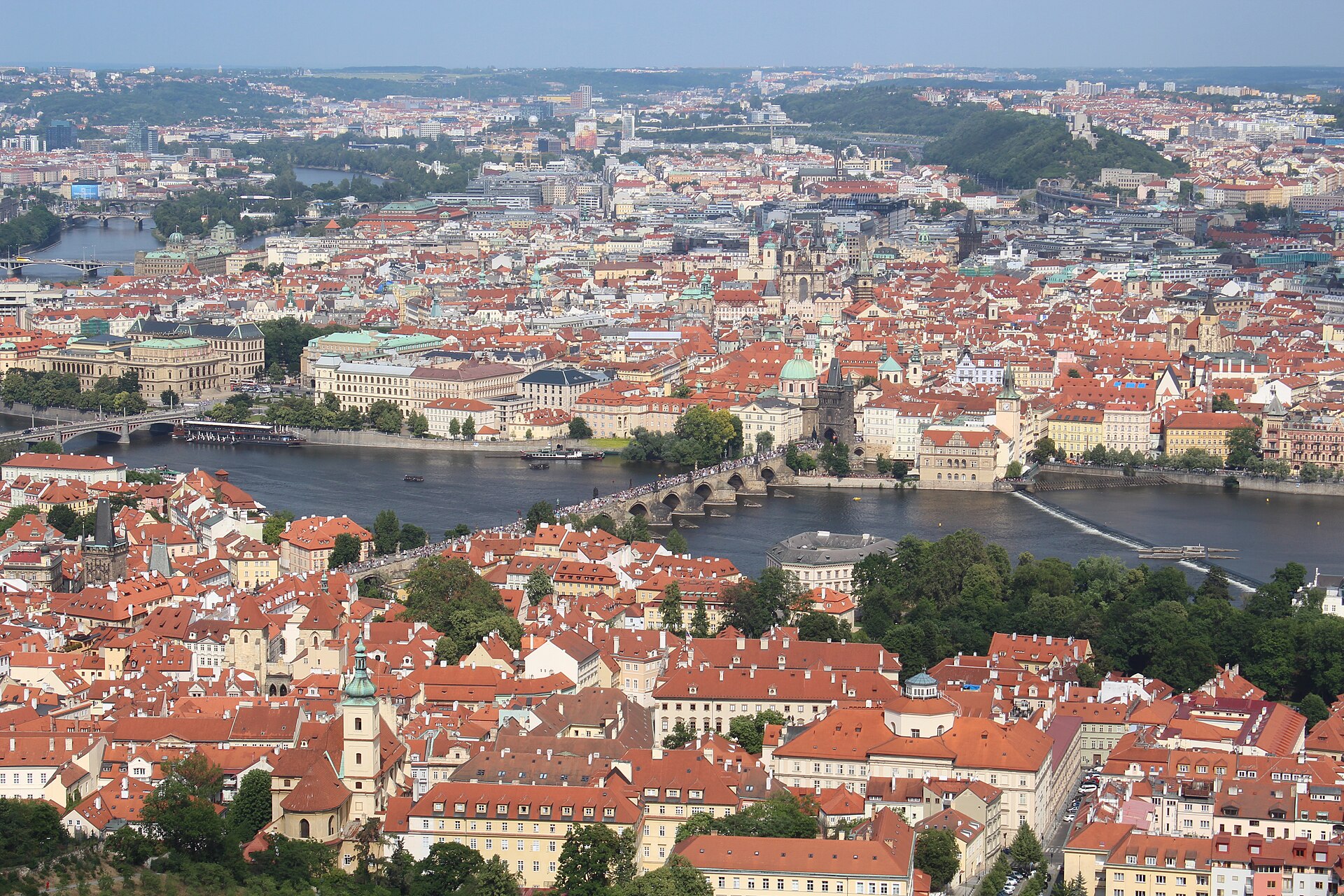
Czechia is landlocked and hilly, 78,871 km² bordered by Germany to the west, Poland to the northeast, Slovakia to the southeast and Austria to the south, under a mostly temperate continental climate.
Prague is the capital and the largest city, and it is the name most readers arrive with; Brno, Ostrava, Plzeň and Liberec are the other urban centres. The country answers to three names — Czechia, the Czech Republic, and historically Bohemia, the duchy founded in the late 9th century that was recognised as an Imperial Estate of the Holy Roman Empire in 1002 and became a kingdom in 1198.
Checked 2026-08-25
Every city catalogued in this country so far, ranked by how much there is to see.
Photograph · Deror_avi · CC BY-SA 4.0
Ranked by importance — sitelinks, pageviews and heritage status, not editor preference.
100 places match
Category
Typical visit duration
Interests
Obrazárna Pražského hradu
Prague Castle Picture Gallery is an art museum located within the Prague Castle complex, the historic seat of Czech kings, emperors and presidents.
Galerie Rudolfinum is a contemporary art gallery inside Prague’s historic Rudolfinum on the Vltava riverside. The neo-Renaissance building is also home to the Dvořák Hall, where the Czech Philharmonic performs.
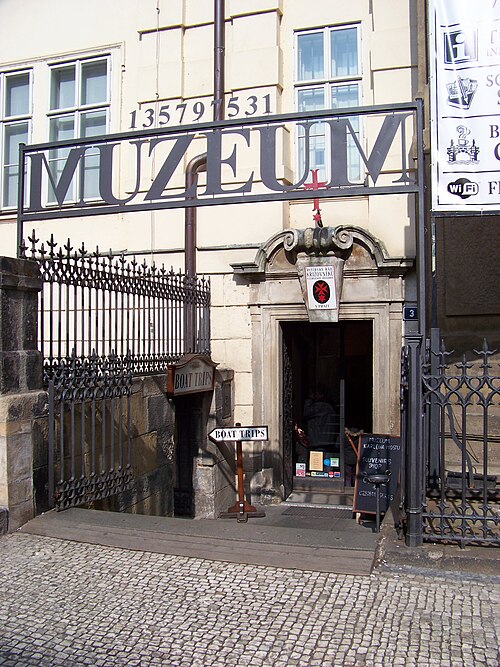
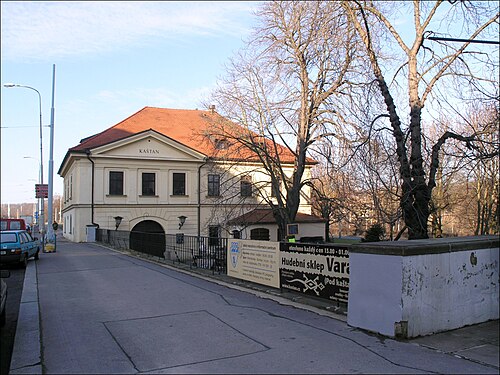
Muzeum Karlova mostu
The Charles Bridge Museum, known locally as Muzeum Karlova mostu, is a specialized museum near Prague’s famous medieval bridge. Its subject is Charles Bridge itself: its construction, historical setting, and continuing importance to the city.
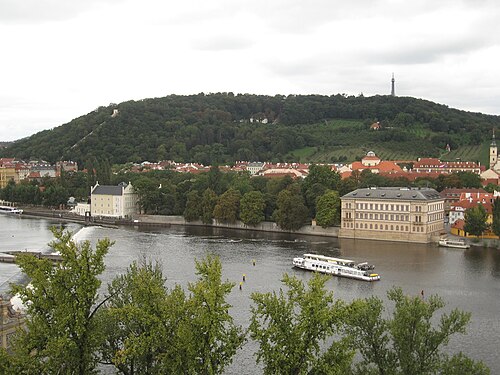
Petřín is a prominent hill in the centre of Prague, rising above the left bank of the Vltava River in the Malá Strana district. It reaches approximately 327 metres above sea level and offers extensive views across the Czech capital.
Armádní muzeum Žižkov
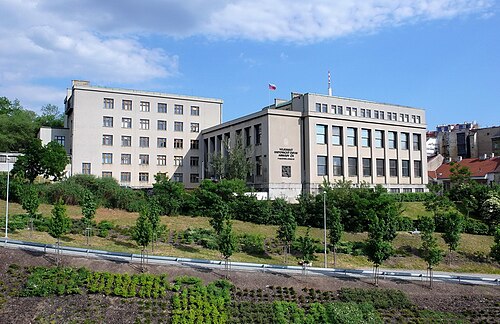
Army Museum Žižkov is the Military History Institute Prague's large chronological museum at U Památníku 2, below Vítkov Hill.
Náprstkovo muzeum
Náprstek Museum is a Prague museum devoted to Asian, African, and American cultures. It occupies a historic building on Bethlehem Square in the Old Town and forms part of the National Museum system.
Národní zemědělské muzeum
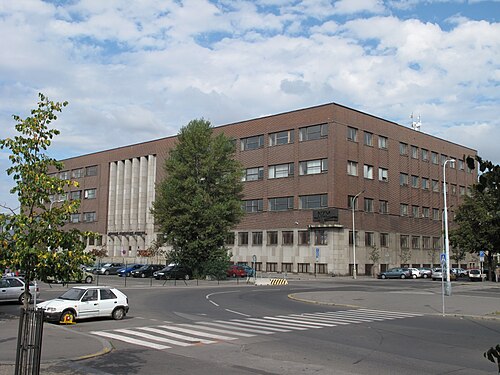
The National Museum of Agriculture in Prague explores farming, forestry, fishing, food production, and rural life in the Czech lands. It presents agriculture as both practical work and a force that shaped landscapes, communities, technology, and the national economy.
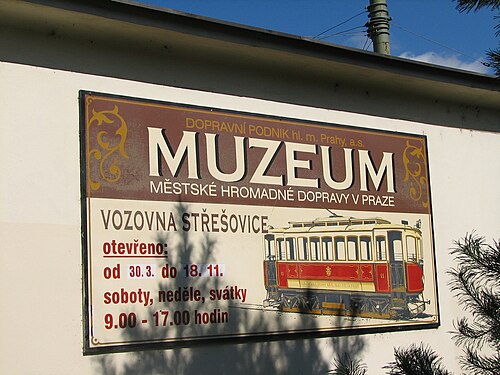
Muzeum městské hromadné dopravy v Praze
The Public Transport Museum in Prague, known locally as Muzeum městské hromadné dopravy v Praze, presents the history of the city’s municipal transport network.
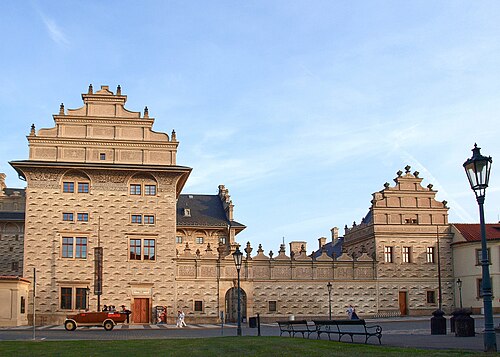
Schwarzenberský palác
Schwarzenberg Palace is a Renaissance palace in Prague, Czech Republic. It stands on Hradčanské náměstí near Prague Castle. The local name is Schwarzenberský palác. The building features distinctive sgraffito decoration on its facade, creating a striking black-and-white geometric pattern.
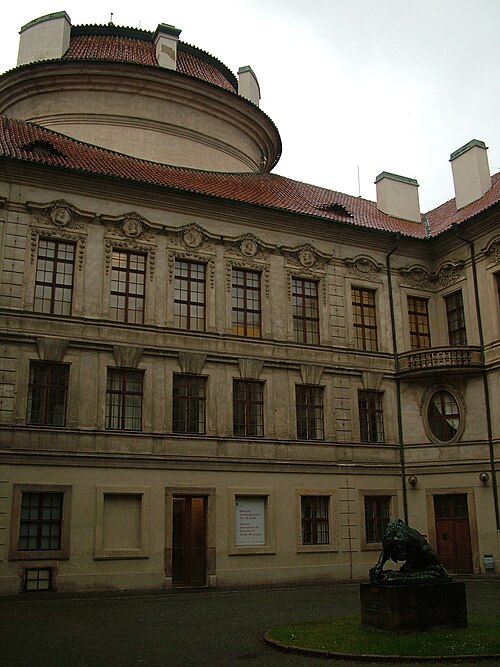
Šternberský palác
Sternberg Palace is a Baroque palace in Prague, Czech Republic. It stands near Prague Castle in the Hradčany district. The building serves as a significant cultural institution within the historic urban fabric of the city.
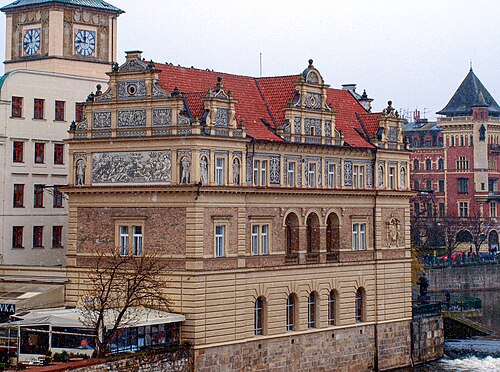
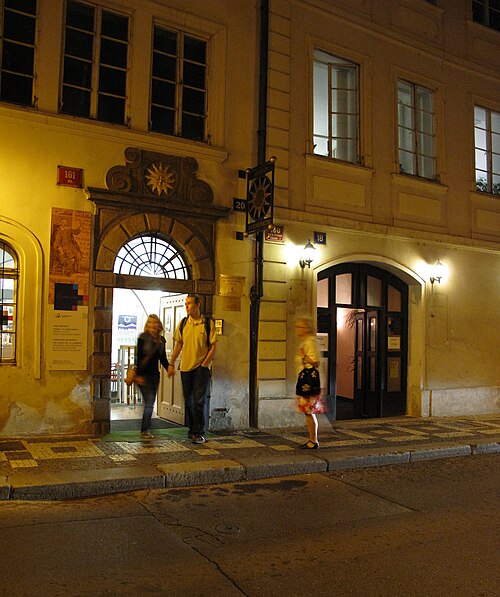
Muzeum Bedřicha Smetany
The Bedřich Smetana Museum is a museum in Prague dedicated to the life and work of Bedřich Smetana, the celebrated Czech composer. It is housed in a distinctive building on the right bank of the Vltava River, near Charles Bridge.
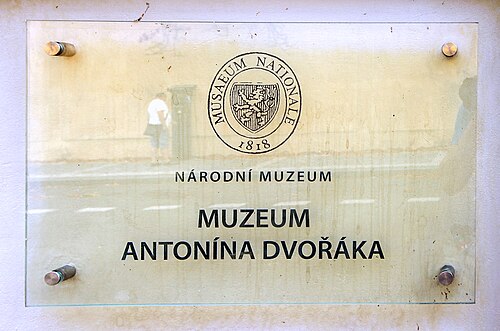
Muzeum Antonína Dvořáka
The Antonín Dvořák Museum is a memorial institution in Prague dedicated to the life and work of the celebrated Czech composer Antonín Dvořák. It operates as a specialized branch of the National Museum.
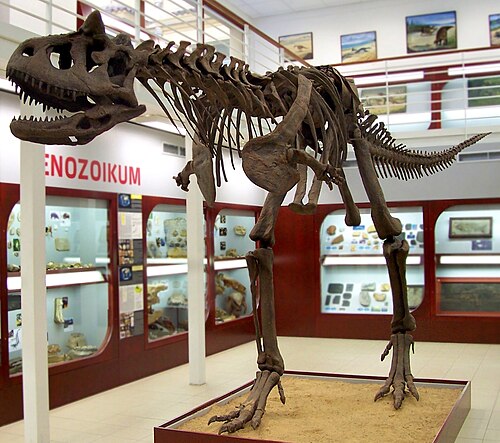
Chlupáčovo muzeum historie Země
Chlupáč Museum, locally called Chlupáčovo muzeum historie Země, is a Prague museum devoted to the history of Earth.
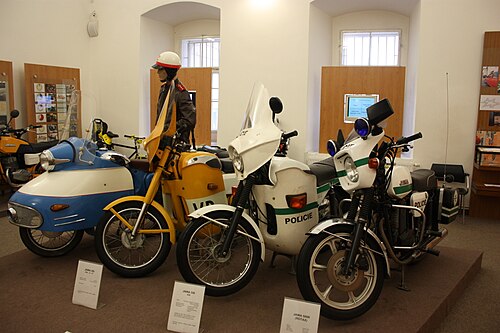
Muzeum Policie ČR
The Czech Police Museum, known locally as Muzeum Policie ČR, is a museum in Prague devoted to the history and development of law enforcement in the Czech Republic.
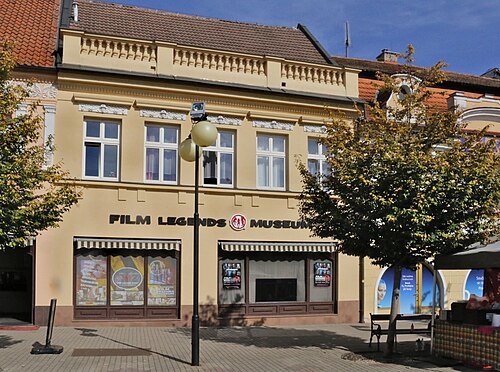
Film Legends Museum Prague
Film Legends Museum Prague is a visitor-relevant point of interest located in Prague, Czech Republic. The museum appears in the production city pool with stored identity and coordinates copied without approximation.
Hrdličkovo muzeum člověka
The Hrdlička Museum of Man is an anthropological museum in Prague, Czech Republic. It bears the name of Aleš Hrdlička, a prominent Czech-American anthropologist. The institution falls under the Charles University Faculty of Science.
Museum of Bricks Praha
Museum of Bricks is a privately run model and brick collection on Národní Street in central Prague. Its Prague branch is the largest of the operator's five locations and is designed around both finished displays and building.
Památník národního písemnictví
The Museum of Czech Literature, known locally as Památník národního písemnictví, preserves and presents the literary heritage of the Czech nation.
Muzeum Legií
The Museum of Czechoslovak Legion is a Prague institution dedicated to the Czechoslovak Legions, military units that fought alongside Allied forces during World War I.
Muzeum miniatur
Museum of Miniatures in Prague, also recorded locally as Muzeum miniatur, is a specialist Prague attraction devoted to miniature art and visual detail at very small scale.
Muzeum smyslů
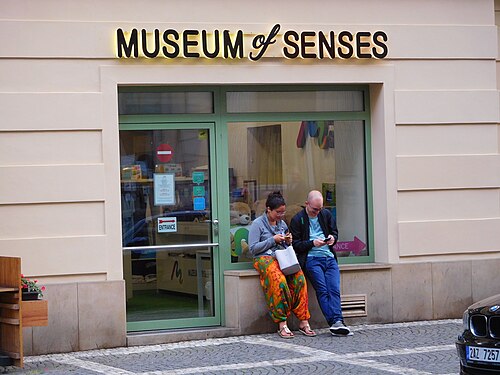
Museum of Senses, locally called Muzeum smyslů, is an interactive Prague attraction built around human perception.
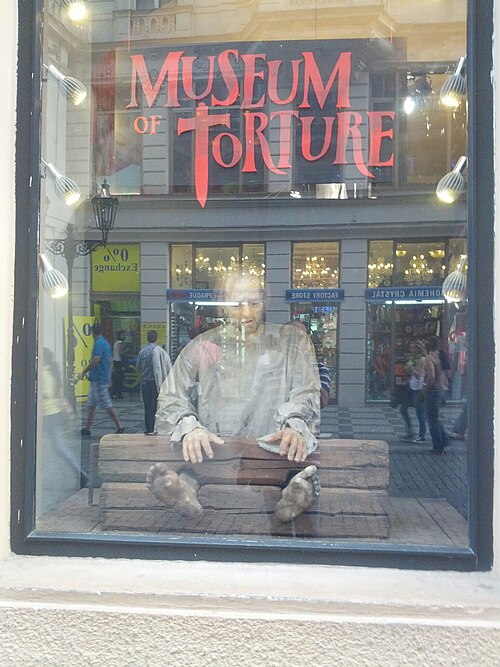
Museum of Torture
Museum of Torture Instruments in Prague is a specialized exhibition space devoted to historical implements associated with punitive practices. The museum also uses the local name Museum of Torture.
Národní pedagogické muzeum a knihovna J. A. Komenského
The Pedagogical Museum of J. A. Comenius in Prague is a cultural institution dedicated to the life and work of John Amos Comenius, a seminal Czech educator and philosopher.
Popmuseum
PopMuseum is a Prague museum focused on popular music history and culture. Its subject broadens the city’s cultural picture beyond classical composers, concert halls and historic architecture.
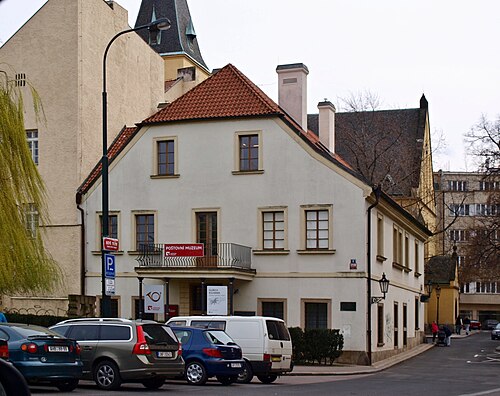
Poštovní muzeum
Postal Museum, also known locally as Poštovní muzeum, is a Prague museum devoted to postal history and philately. Its subject brings together stamps, correspondence, mail services and the material culture of communication.
Six to eight days can divide time between Prague and one extension such as Brno, Olomouc, Český Krumlov, or Kutná Hora. Český Krumlov benefits from an overnight, whereas Kutná Hora is a practical day trip.
Czechia is in the Schengen Area, but the required documents depend on nationality. Check the Ministry of Foreign Affairs or official VisitCzechia entry guidance for the current visa and passport rule.
Václav Havel Airport is the main gateway, and a dense rail network plus intercity buses links the country. Urban tickets may require validation, while long-distance tickets can be service-specific, so treat them as separate products.
April to June and September to October are broad city-and-rail planning windows. Rural castles may follow seasonal schedules, so verify those dates before building a route around them.
Czechia uses the Czech koruna (CZK), not the euro. Keep some koruna for smaller transactions and confirm that card terminals charge CZK rather than offering an unexamined conversion.
In Czechia, 112 reaches the emergency services. The grid delivers 230 V through Type C and E sockets. Water potability has no recorded value in this guide; verify it with the local authority for the place being visited.