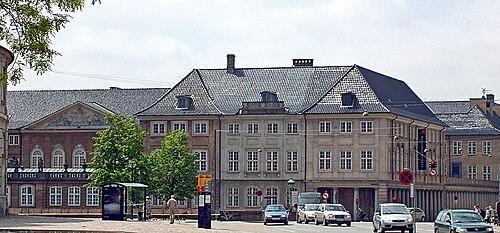
National Museum of Denmark
Nationalmuseet
Nationalmuseet is Denmark's national museum of cultural history, and it occupies a building that was a private house, then a royal residence, then a courthouse, before it was ever a museum.
- Must see
- Museum
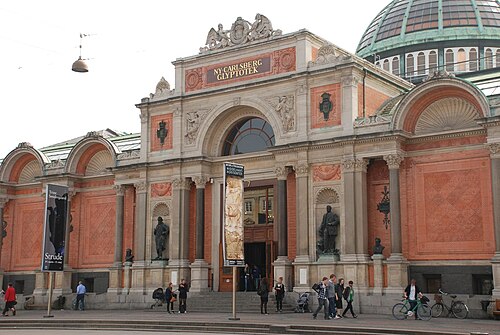
City guide · Denmark
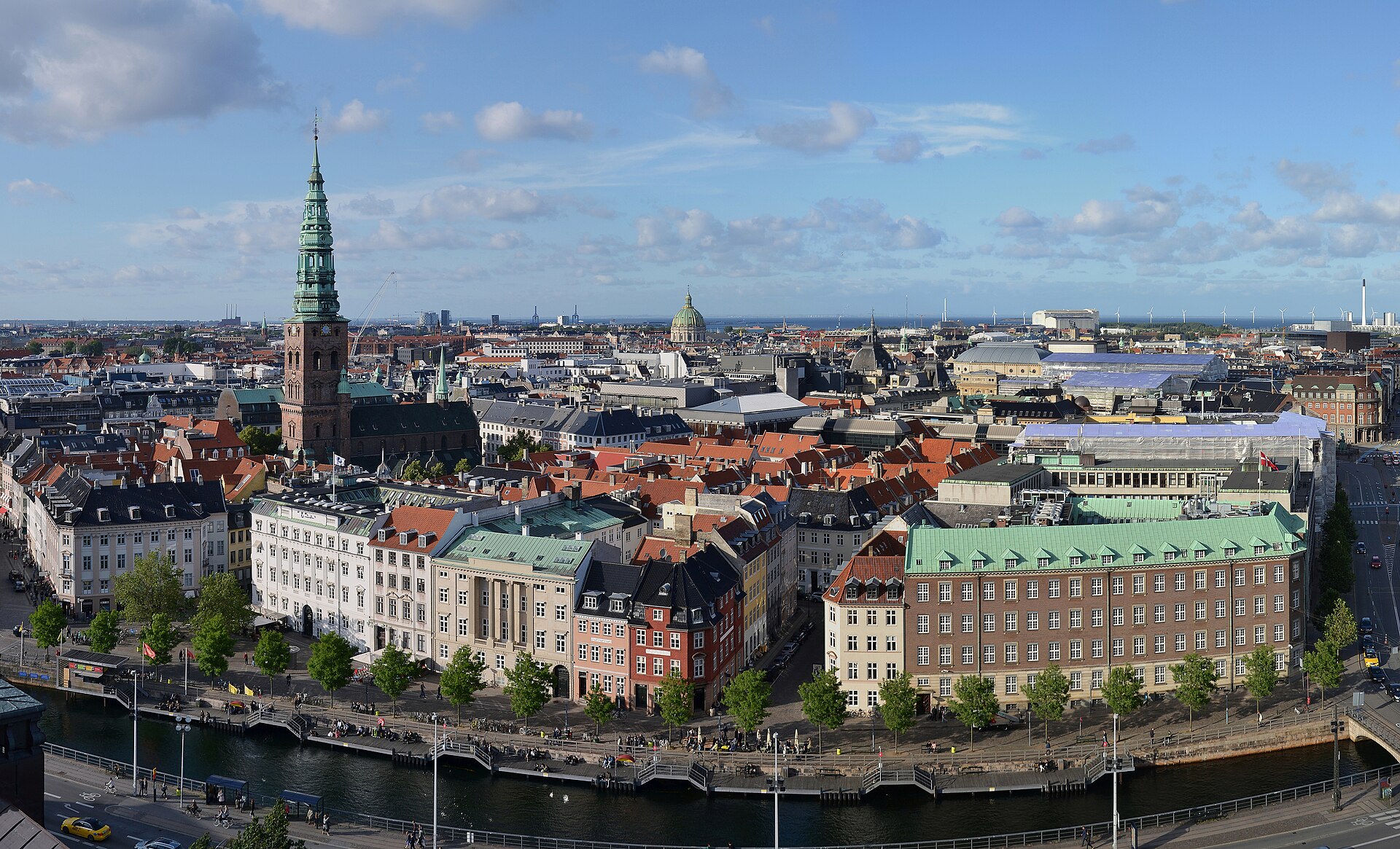
Copenhagen's compact centre sits around Indre By, with the harbour separating it from Christianshavn and Amager. Frederiksberg lies west as a separate municipal...
Photograph · Pudelek · CC BY-SA 4.0
Set your days, your pace and the hours you actually want to be out. The planner works around closing days and travel time, and leaves room to eat.
Reviewed by Elena Voss · Roavina Travel Editor
Copenhagen's compact centre sits around Indre By, with the harbour separating it from Christianshavn and Amager. Frederiksberg lies west as a separate municipality inside the urban fabric, while Norrebro and Osterbro extend north of the centre. Major visitor areas are connected by metro, trains, buses and cycle routes, and most central clusters remain practical to explore on foot.
Checked 2026-08-26
September · September remains mild in Copenhagen at a 17.0°C mean high, though about fourteen rain days require flexible plans.
Ranked by importance — sitelinks, pageviews and heritage status, not editor preference.
100 places match
Category
Typical visit duration
Interests
Nationalmuseet
Nationalmuseet is Denmark's national museum of cultural history, and it occupies a building that was a private house, then a royal residence, then a courthouse, before it was ever a museum.
The Ny Carlsberg Glyptotek stands on Dantes Plads, between Tivoli and the back of the Danish parliament quarter, and it is one museum only in the administrative sense.
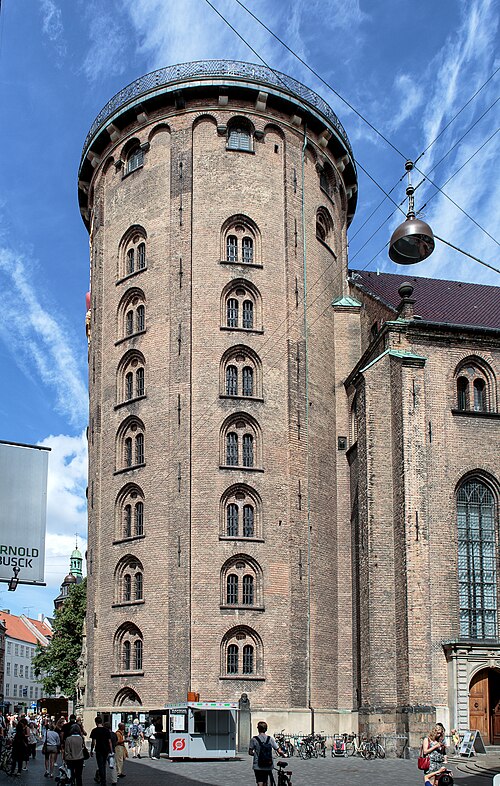
Rundetårn
Rundetaarn, the Round Tower, is a seventeenth-century observatory tower on Købmagergade in the medieval core of Copenhagen, and the thing that makes it unusual is that it has no staircase for most of its height.
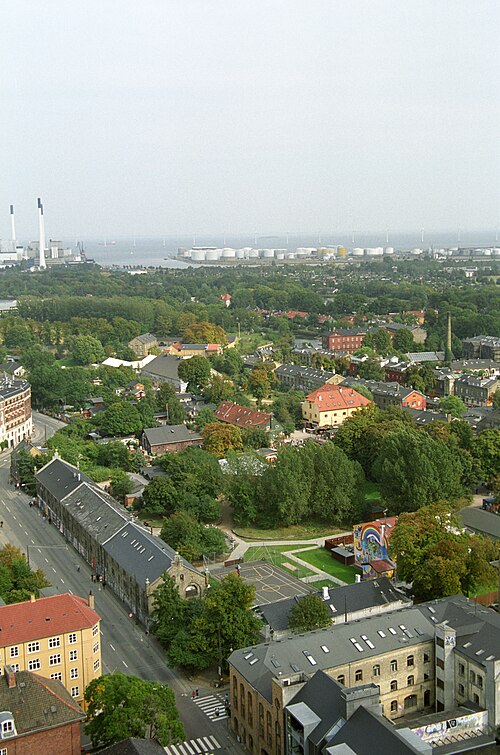
Christiania
Freetown Christiania is an autonomous district in Copenhagen, Denmark, established in 1971 when squatters occupied former military barracks. The area operates under collective self-governance and has developed a distinctive countercultural identity.
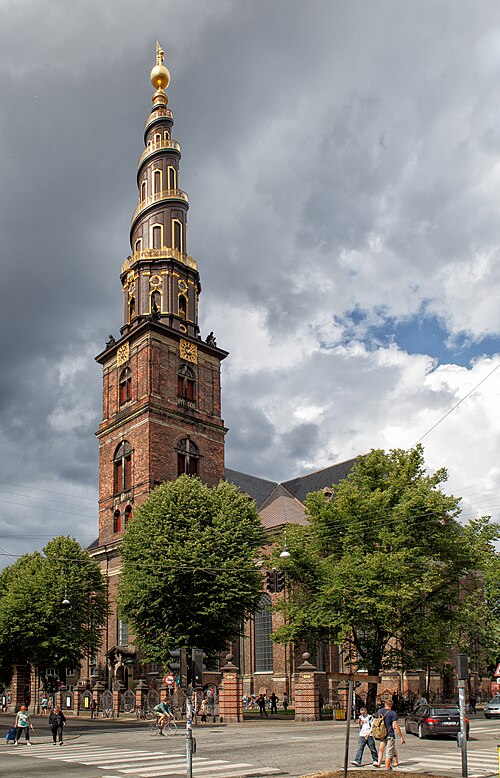
Vor Frelsers Kirke
The Church of Our Saviour, known locally as Vor Frelsers Kirke, stands as a prominent baroque church in Copenhagen. Its most distinctive feature is an external corkscrew spire with an external winding staircase that visitors can climb.
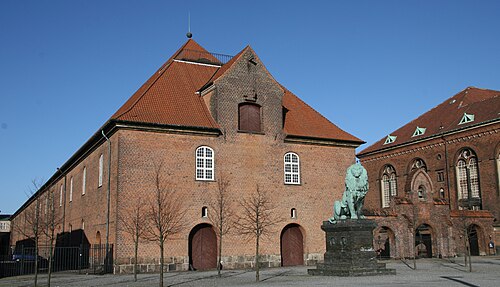
Krigsmuseet
The Danish War Museum, locally named Krigsmuseet, is a military history museum in Copenhagen. It occupies a historic waterfront building at Christianshavn, formerly serving as naval storage facilities.
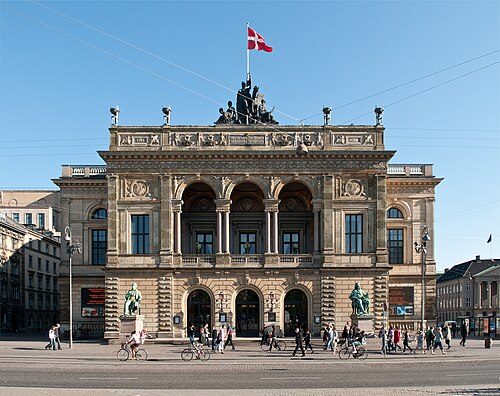
Det Kongelige Teater
The Royal Danish Theatre, known locally as Det Kongelige Teater, stands as Denmark's national theatre and a prominent performing arts institution in Copenhagen. Founded in 1748, it serves as the country's principal venue for opera, ballet, and spoken drama.
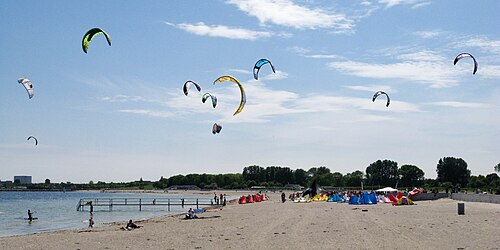
Amager Strandpark is a coastal park and beach area on the island of Amager in Copenhagen, Denmark. The park features an artificial lagoon and sandy beach, created as part of a major land reclamation project.
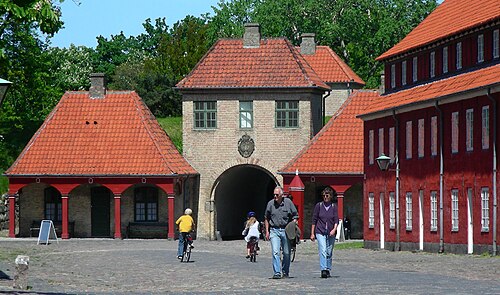
Kastellet is one of the best-preserved star fortresses in Northern Europe, located in Copenhagen near the Langelinie promenade.
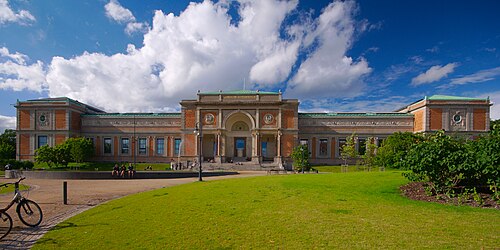
SMK - Statens Museum for Kunst
Statens Museum for Kunst is Denmark's national gallery, standing on the edge of the Østre Anlæg park in central Copenhagen with Rosenborg Castle across the road.
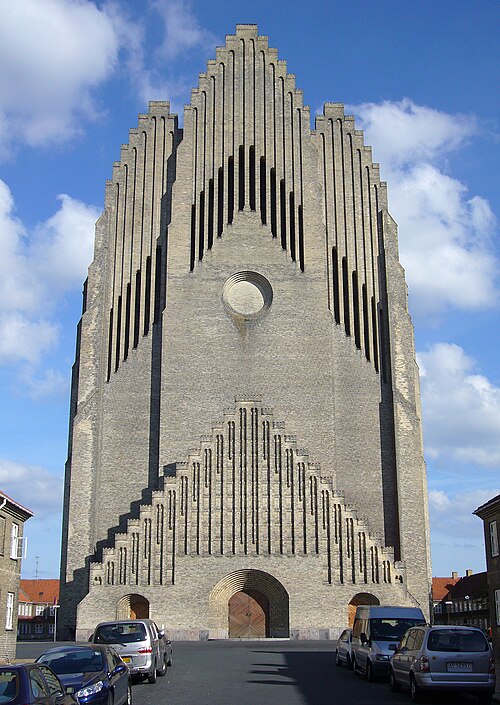
Grundtvigs Kirke
Grundtvig's Church, known locally as Grundtvigs Kirke, stands as a prominent landmark in Copenhagen. This distinctive building is celebrated for its striking architectural design that merges traditional Danish church aesthetics with expressionist elements.
Zoologisk Have København
Copenhagen Zoo, known locally as Zoologisk Have København, is a zoological garden in the Frederiksberg district of Copenhagen. Founded in 1859, it is among the oldest zoos in Europe.
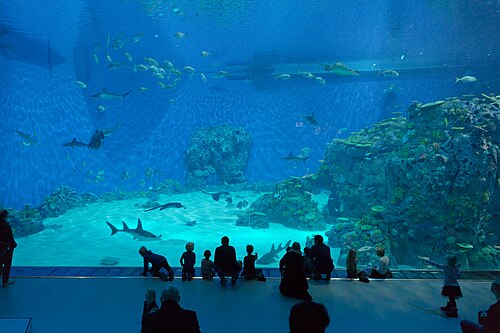
Den Blå Planet
The Blue Planet, known locally as Den Blå Planet, is Denmark's national aquarium and a major attraction in the Copenhagen area. It replaced the previous aquarium in Charlottenlund and opened as a new purpose-built facility.
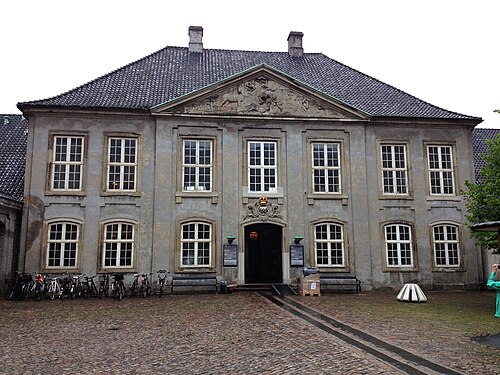
Designmuseum Danmark
Designmuseum Danmark is a museum dedicated to Danish and international design, crafts, and applied arts. Located in central Copenhagen, it occupies a historic rococo building that formerly served as the Royal Danish Hospital.
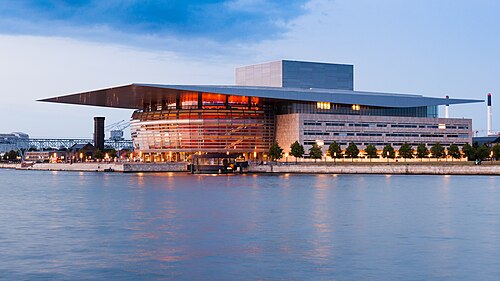
Operaen
The Copenhagen Opera House, known locally as Operaen, is a prominent performing arts venue situated on Holmen island in central Copenhagen. It stands as one of Denmark's most significant cultural institutions, dedicated to opera and ballet performances.
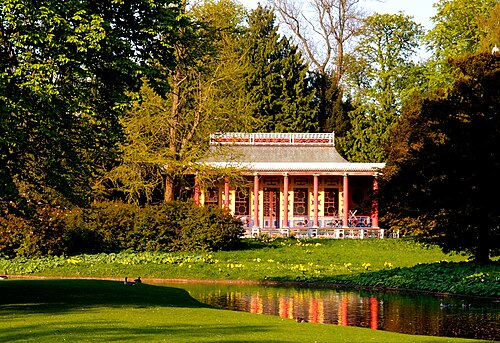
Frederiksberg Have
Frederiksberg Have is a historic landscape garden in Frederiksberg, an independent municipality enclosed by Copenhagen. The park was originally laid out in the early 18th century as a Baroque garden for Frederiksberg Palace.
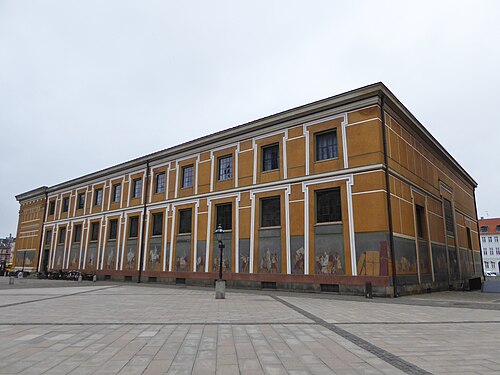
Thorvaldsens Museum
Thorvaldsens Museum is a Copenhagen museum dedicated to the works of Danish sculptor Bertel Thorvaldsen, who spent much of his career in Rome. The building itself is distinctive with its colourful exterior, making it a notable landmark in the city.
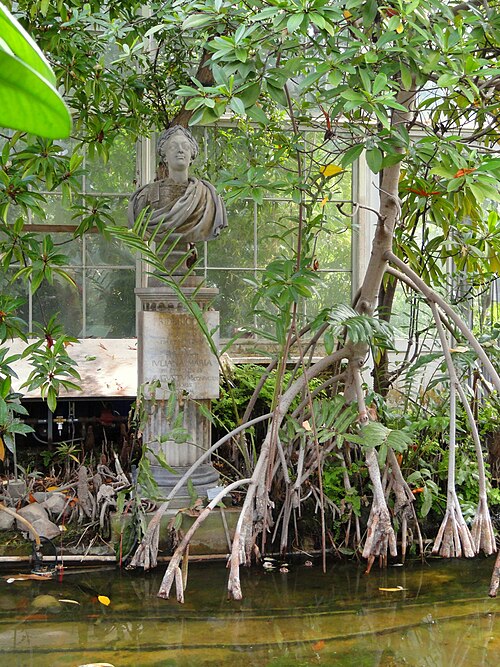
Copenhagen Botanical Garden is the living plant collection of the Natural History Museum Denmark in the centre of Copenhagen.
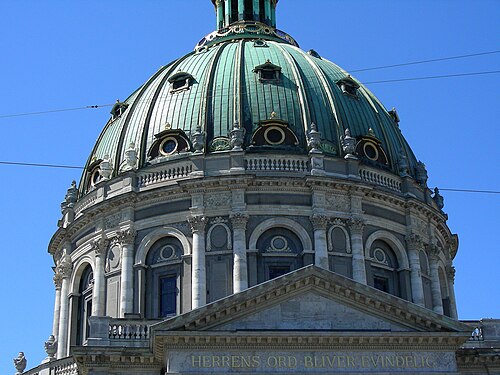
Frederik's Church, known locally as Marmorkirken, stands as a prominent Rococo church in Copenhagen. Its distinctive marble dome dominates the skyline of the Frederiksstaden district.
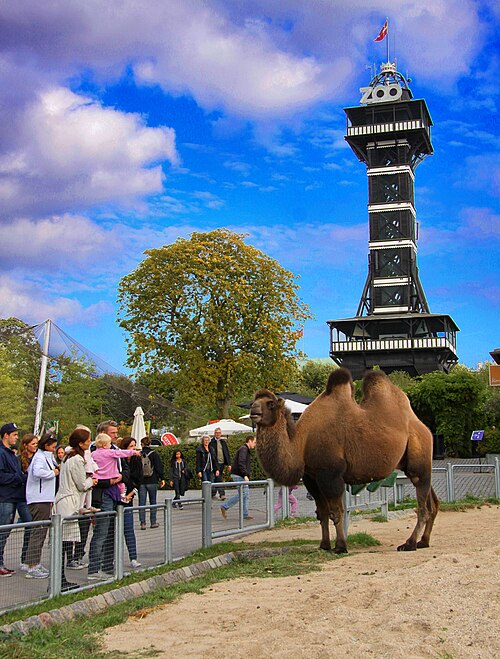
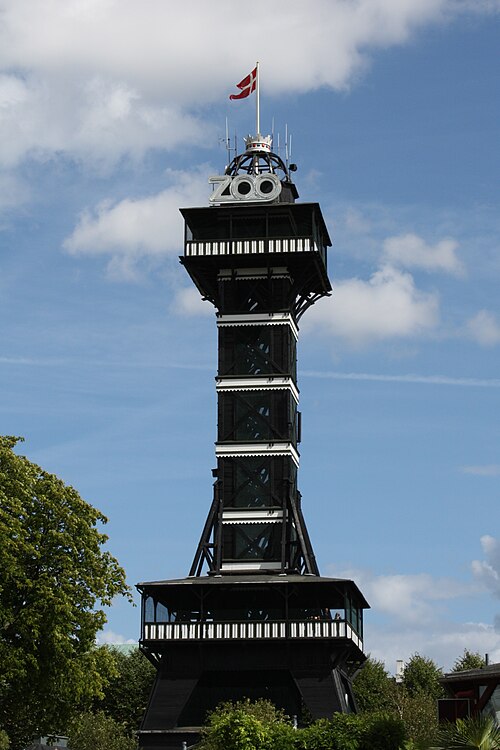
Zootårnet
Copenhagen Zoo Tower, or Zootårnet, is a wooden observation tower inside Copenhagen Zoo in Frederiksberg.
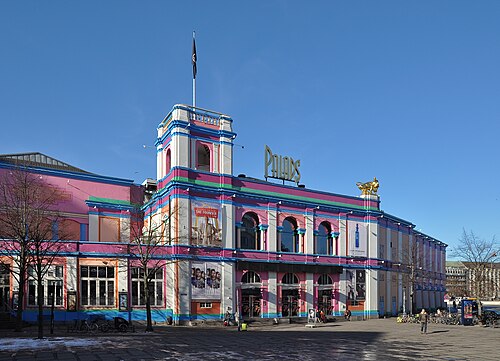
Palads Biograferne
Palads Teatret, also known as Palads Biograferne, is a multi-screen cinema in Copenhagen. It is a practical choice when you want a mainstream film in a central city setting, whether as an evening activity or a break from sightseeing.
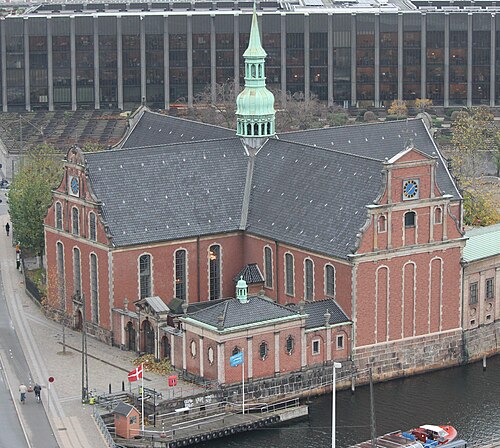
Holmens Kirke
Holmen Church, or Holmens Kirke, is a historic church in central Copenhagen’s Holmen district. The building began as an anchor forge in the 1560s before being converted into a church for the Danish navy.
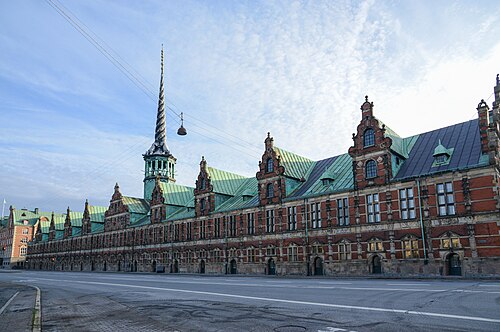
Børsen is a historic former stock exchange building on Slotsholmen in central Copenhagen. Built in the Dutch Renaissance style during the seventeenth century, it served the city’s commercial life for centuries.
Statens Naturhistoriske Museum
The Natural History Museum of Denmark, locally known as Statens Naturhistoriske Museum, is a major scientific institution in Copenhagen. It serves as the national museum for natural history and operates as part of the University of Copenhagen.
Kastelskirken
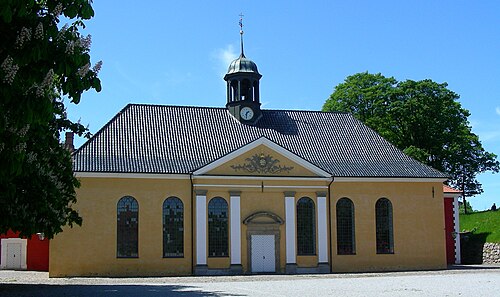
Kastelskirken, known in English as Citadel Church, stands within Kastellet, one of Europe's best-preserved star fortresses. This octagonal church serves the military garrison and the public.
Indre By contains the historic centre, main shopping streets, palace district and inner harbour. Christianshavn sits across the water, Vesterbro lies west of Central Station, and Norrebro and Osterbro extend north. Frederiksberg forms a green western district with its own centre. The harbour is both a boundary and a transport corridor, so combine waterfront sights by side before crossing repeatedly.
Checked 2026-08-26
Walk or cycle for short central journeys and use metro, trains and buses for longer trips. Visit Copenhagen states that the metro operates throughout the day and night and connects the centre with major neighbourhoods and the airport. Harbour buses are part of public transport and serve waterfront journeys. Buy the correct ticket before boarding and use the journey planner for zone-dependent trips.
Checked 2026-08-26
A fixed duration is not recorded. Plan by cluster: Indre By, Christianshavn and the harbour, then Vesterbro, Norrebro, Osterbro or Frederiksberg according to interest.
Yes. Indre By and the inner harbour are compact enough for walking. Cycling and public transport are useful when moving between outer neighbourhoods or across the wider city.
Yes. Visit Copenhagen states that the metro operates throughout the day and night, connecting the centre with major neighbourhoods and Copenhagen Airport.
Yes. Harbour buses use the public transport system and provide a practical waterfront connection as well as a view of the city from the water.
Metro and regional trains both connect the airport with the city. The better choice depends on the destination neighbourhood, so check the official journey planner before departure.