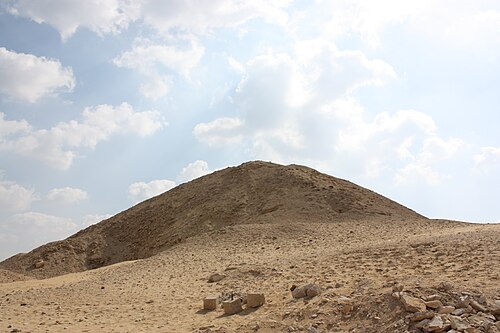
Pyramid of Teti
هرم تتى
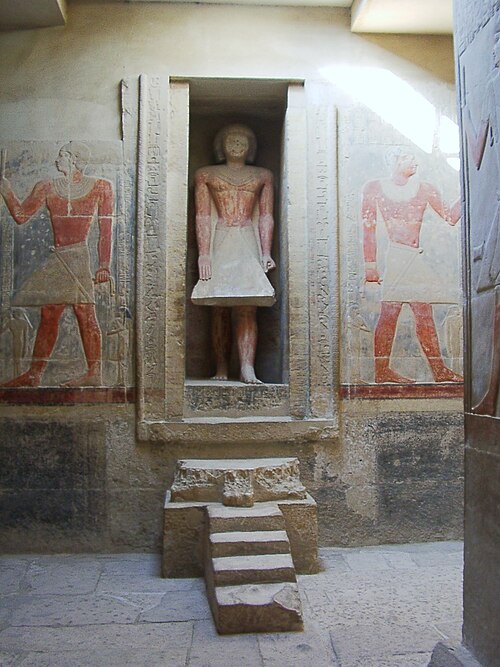
The Pyramid of Teti is a Sixth Dynasty royal pyramid at Saqqara, Egypt. It belongs to Pharaoh Teti, first ruler of that dynasty, who reigned during the Old Kingdom period.
- Must see
- Historic monument
City guide · Egypt
Cairo is a vast Nile metropolis whose visitor geography includes Downtown, Historic Cairo, Coptic Cairo, Zamalek and the Giza plateau. Downtown holds modern civ...
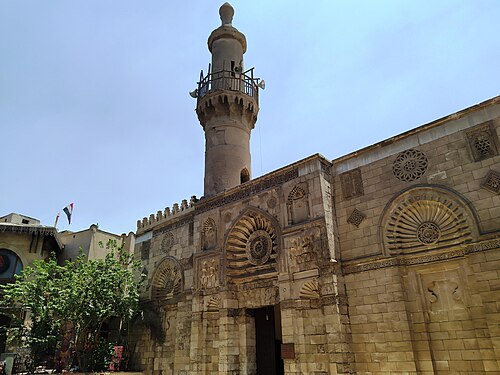
Photograph · Faris El-Gwely · CC BY 4.0
Set your days, your pace and the hours you actually want to be out. The planner works around closing days and travel time, and leaves room to eat.
Reviewed by Elena Voss · Roavina Travel Editor
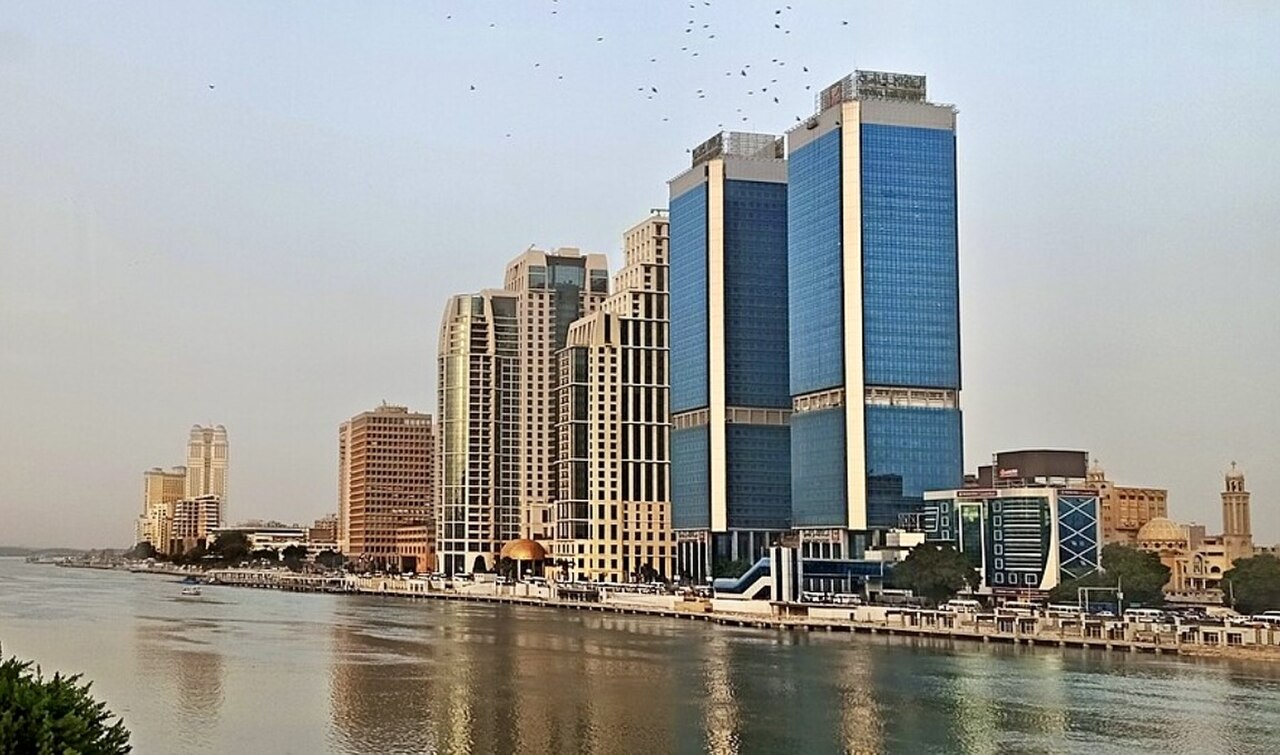
Cairo is a vast Nile metropolis whose visitor geography includes Downtown, Historic Cairo, Coptic Cairo, Zamalek and the Giza plateau. Downtown holds modern civic and cultural landmarks; medieval Islamic streets extend east and south; Coptic sites cluster around Old Cairo; and Giza lies across the river but forms part of the standard Greater Cairo visit. Give each area its own block and expect slow cross-city journeys.
Checked 2026-08-26
September · September still averages 33.1°C by day in Cairo, making heat a substantial planning constraint even as summer eases.
Ranked by importance — sitelinks, pageviews and heritage status, not editor preference.
56 places match
Category
Typical visit duration
Interests
هرم تتى
The Pyramid of Teti is a Sixth Dynasty royal pyramid at Saqqara, Egypt. It belongs to Pharaoh Teti, first ruler of that dynasty, who reigned during the Old Kingdom period.
جامع الأقمر
Al-Aqmar Mosque is a small Fatimid-era mosque located on al-Muizz Street in Cairo's historic Islamic quarter. Built during the Fatimid caliphate, it represents an important example of medieval Islamic architecture in Egypt.
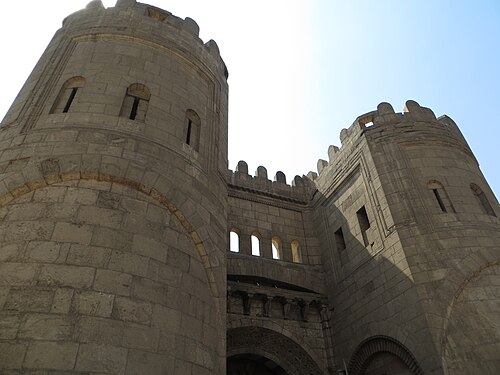
باب الفتوح
Bab al-Futuh is a massive northern gate in Cairo's medieval fortification system, built during the Fatimid period. The name translates to Gate of Conquests.
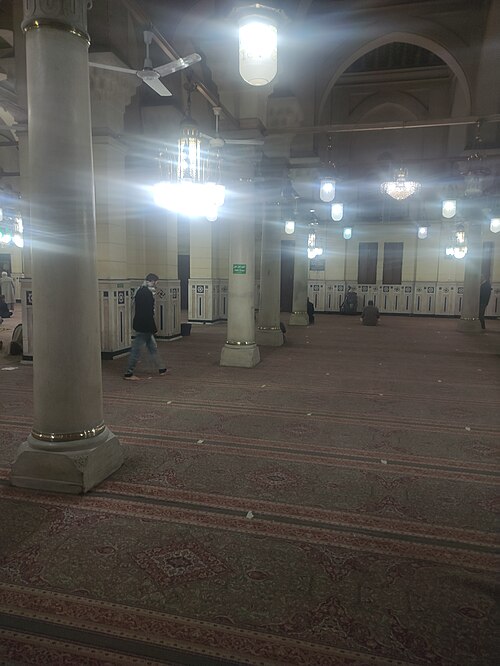
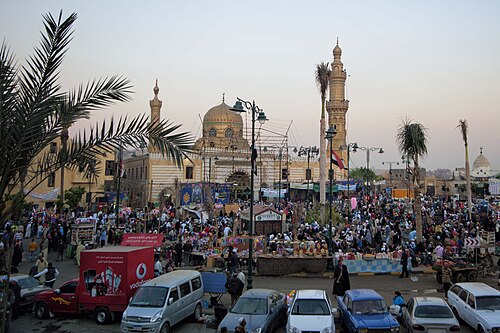
مسجد السيدة زينب
The Mosque of Sayyida Zaynab is a major shrine mosque in Cairo, Egypt. It is dedicated to Sayyida Zaynab, a granddaughter of the Prophet Muhammad and daughter of Imam Ali and Fatima al-Zahra.
مسجد السيدة نفيسة
The Mosque of Sayyida Nafisa is a historic Islamic religious complex in southern Historic Cairo, Egypt. It centers on the shrine of Sayyida Nafisa, a descendant of the Prophet Muhammad revered in Islamic tradition.
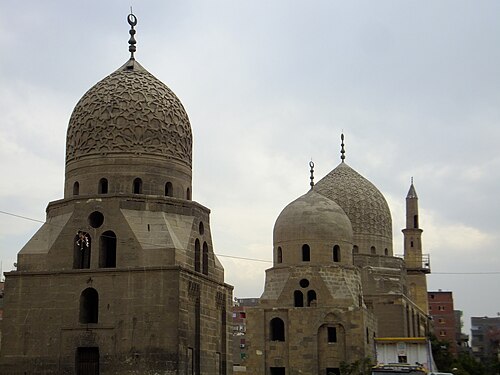
المقبرة الشمالية
The Northern Cemetery, known locally as Al-Qarafa al-Shamaliya, constitutes one of the most significant Islamic necropolises globally.
بيت السناري
Bayt al-Sennari is a late-Ottoman period house located in the Sayyida Zaynab district of Historic Cairo.
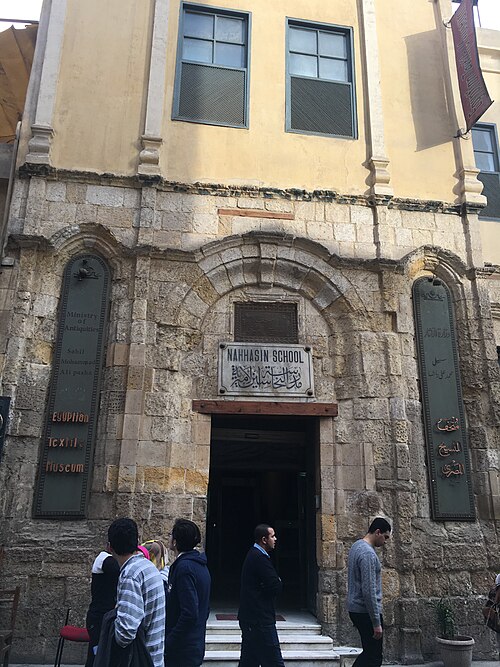
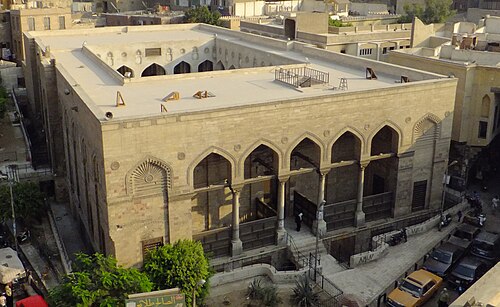
The Egyptian Textile Museum, known locally as متحف النسيج المصري, is a museum situated on al-Muizz Street in Cairo. It occupies a historic Mamluk-era building, the Sabil of Abd al-Rahman Katkhuda, a structure of architectural significance in Islamic Cairo.
جامع الناصر محمد بن قلاوون
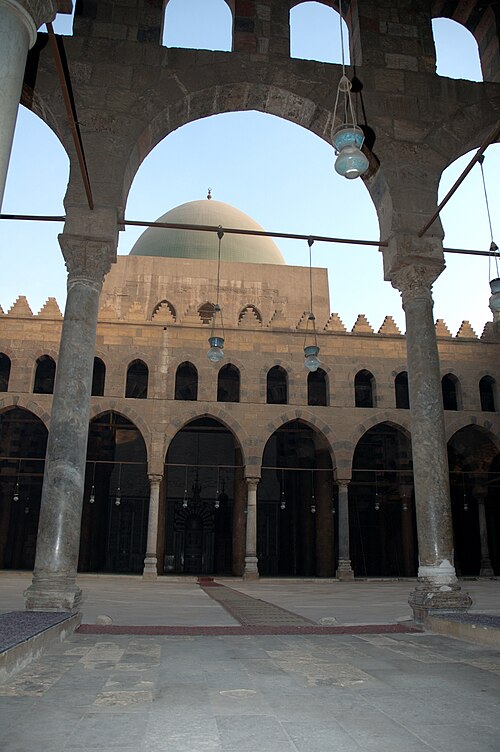
Al-Nasir Muhammad Mosque is a Mamluk-era hypostyle mosque located within the Cairo Citadel complex. Commissioned by Sultan Al-Nasir Muhammad ibn Qalawun, it represents a significant example of early 14th-century Islamic architecture in Egypt.
المتحف الحربي القومي
The National Military Museum of Egypt is a military history museum located within the Cairo Citadel complex. Its Arabic name is المتحف الحربي القومي.
متحف أم كلثوم
The Umm Kulthum Museum is a dedicated cultural institution on Roda Island in Cairo, Egypt. It serves as the city's principal memorial to Umm Kulthum, the iconic Egyptian singer whose voice and artistry shaped Arabic music across the twentieth century.
قصر عائشة فهمي
Aisha Fahmy Palace is a restored early twentieth-century residential palace located in Zamalek on Gezira Island, Cairo. The building represents a significant example of Cairo's riverside residential architecture from this period, situated along the Nile.
متحف محمود مختار
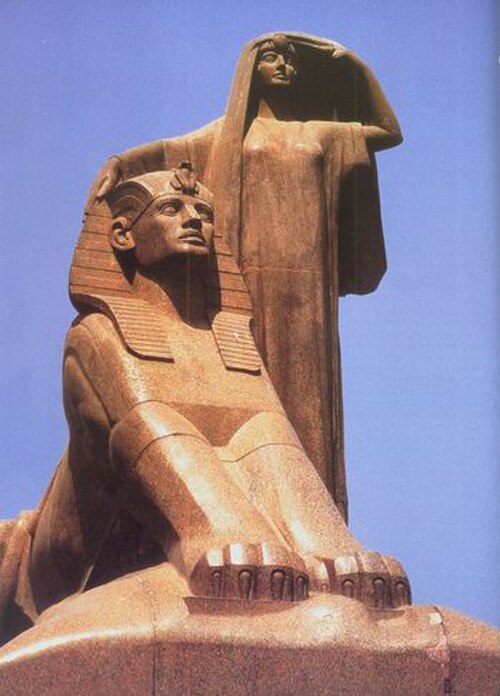
The Mahmoud Mukhtar Museum is a small museum located on Zamalek island in Cairo. It is dedicated to the life and work of Mahmoud Mukhtar, widely regarded as Egypt's foundational modern sculptor.
متحف الخزف الإسلامي
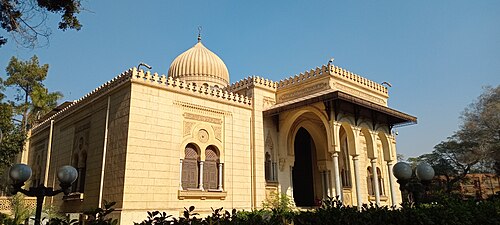
The Islamic Ceramics Museum is housed in the historic Prince Amr Ibrahim Palace in Zamalek, Cairo. The museum specializes in the display of Islamic ceramics, showcasing a significant art form from various periods of Islamic civilization.
المتخف الجيولوجي المصري
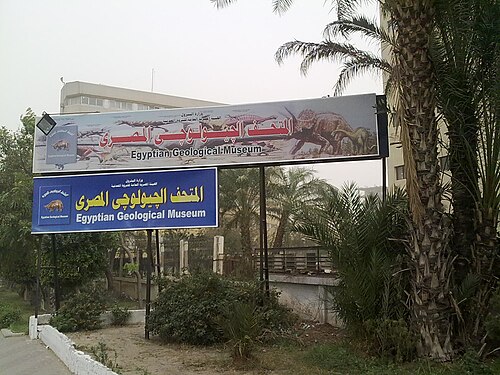
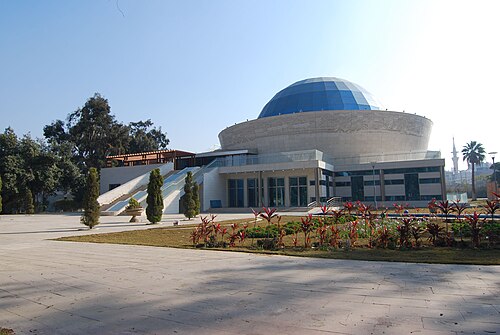
The Egyptian Geological Museum is a specialist institution in Cairo dedicated to Egypt's geological heritage. Its local name is المتحف الجيولوجي المصري. The museum houses collections focused on fossils, minerals, and the geological history of Egypt.
متحف الطفل
The Child Museum, known locally as متحف الطفل, is a dedicated children's museum located in the Heliopolis district of Cairo. It stands as one of the Egyptian capital's stronger family-oriented educational attractions.
قصر بارون أمبان
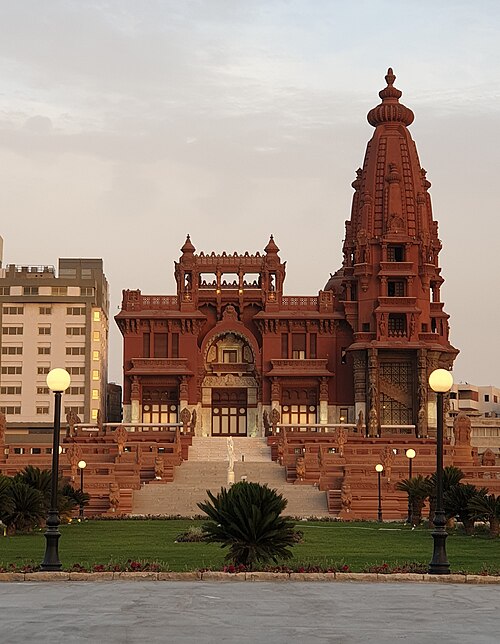
Baron Empain Palace, known locally as قصر البارون, is a flamboyant Heliopolis landmark and Cairo's most distinctive early twentieth-century private palace. The building stands as a remarkable architectural statement in the suburb of Heliopolis, northeast of central Cairo.
محمية وادي دجلة
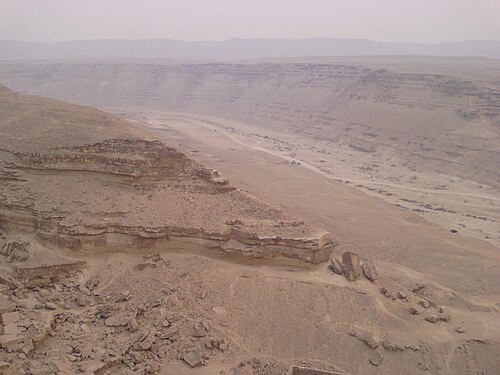
Wadi Degla Protected Area is a desert wadi situated at Cairo's southeastern edge, forming a natural corridor through rocky terrain. The protected status preserves this arid landscape from urban encroachment.
حديقة الأندلس
Al-Andalus Garden is a compact public garden situated on the eastern bank of the Nile River in central Cairo, immediately beside the Qasr El Nil Bridge.
القرية الفرعونية
Pharaonic Village is a living-history attraction on an island in the Nile at Cairo. The experience presents recreated scenes from ancient Egyptian life through reconstructed environments, costumed performers, and staged tableaux.
مسجد سنان باشا
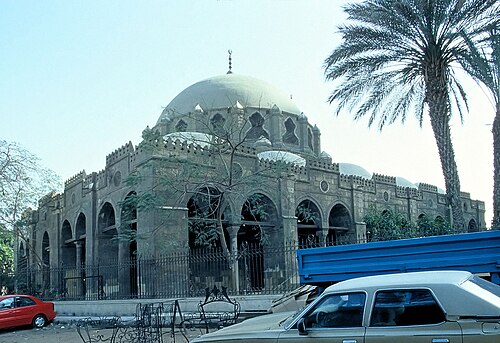
Mosque of Sinan Pasha stands in Bulaq, Cairo’s historic port district beside the Nile. Built during Ottoman rule, it reflects a period when religious commissions were added to a neighbourhood shaped by commerce, shipping, and dense urban life.
مصطبة مريروكا
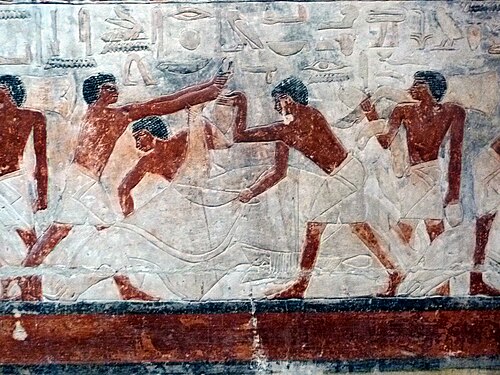
Mastaba of Mereruka is an extensive Old Kingdom tomb at Saqqara, the ancient necropolis south of Cairo. Mereruka served as vizier under Pharaoh Teti of the Sixth Dynasty, and his burial monument reflects the status of a senior official.
مصطبة كاجيمنى
Mastaba of Kagemni is an Old Kingdom tomb at Saqqara, the ancient necropolis south of Cairo. Kagemni served as vizier under Pharaoh Teti during the Sixth Dynasty, and his rectangular mastaba reflects the burial architecture of an elite official.
حديقة الأزبكية
Al-Azbakeya Garden is a historic public garden in downtown Cairo. Established during the nineteenth-century Khedival period, it is one of the city’s oldest planned green spaces and forms part of the urban landscape of Khedival Cairo.
مسجد الصالح طلائع
Al-Salih Tala'i Mosque is a late-Fatimid mosque in Historic Cairo, standing beside Bab Zuweila, one of the surviving medieval gates of the city.
Downtown centres on Tahrir Square and the nineteenth-century street grid. Zamalek occupies an island in the Nile and connects by bridge to Downtown and Giza. Historic Cairo includes Al-Muizz Street, mosques, gates and markets, while Coptic Cairo forms a separate southern cluster. The Giza pyramids and Grand Egyptian Museum lie west of the Nile. Saqqara and Memphis are farther excursions and should not be combined with a full central-city day.
Checked 2026-08-26
Metro, buses, metered taxis and ride-hailing services cover Greater Cairo, while Nile taxis and local ferries provide selected river connections. The official tourism authority advises ensuring a taxi meter is operating. Use the Metro for suitable cross-city corridors, then allow time for the final road journey. Giza, Saqqara and airport transfers require specific planning, and access to remote archaeological areas should be confirmed through authorised operators or official guidance.
Checked 2026-08-26
Downtown, Historic Cairo, Coptic Cairo, Zamalek and Giza are separate clusters
No fixed stay length is recorded; allocate time by cluster and by any archaeological excursion.
Use Metro where practical, then metered taxis, buses or ride-hailing for final connections.
Giza lies west of the Nile and needs a dedicated road or tour connection.
Selected Historic Cairo routes are walkable once you reach the area by planned transport.