
.jpg)
76
1 hr 30 min
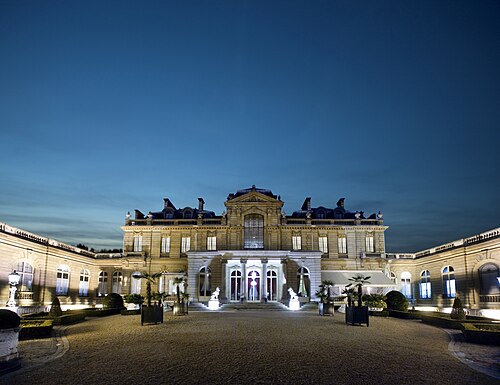
Musée Jacquemart-André
Musée Jacquemart-André is a Paris museum housed in the former private mansion of Édouard André and Nélie Jacquemart.
- High
- Museum
- Paris
Country guide
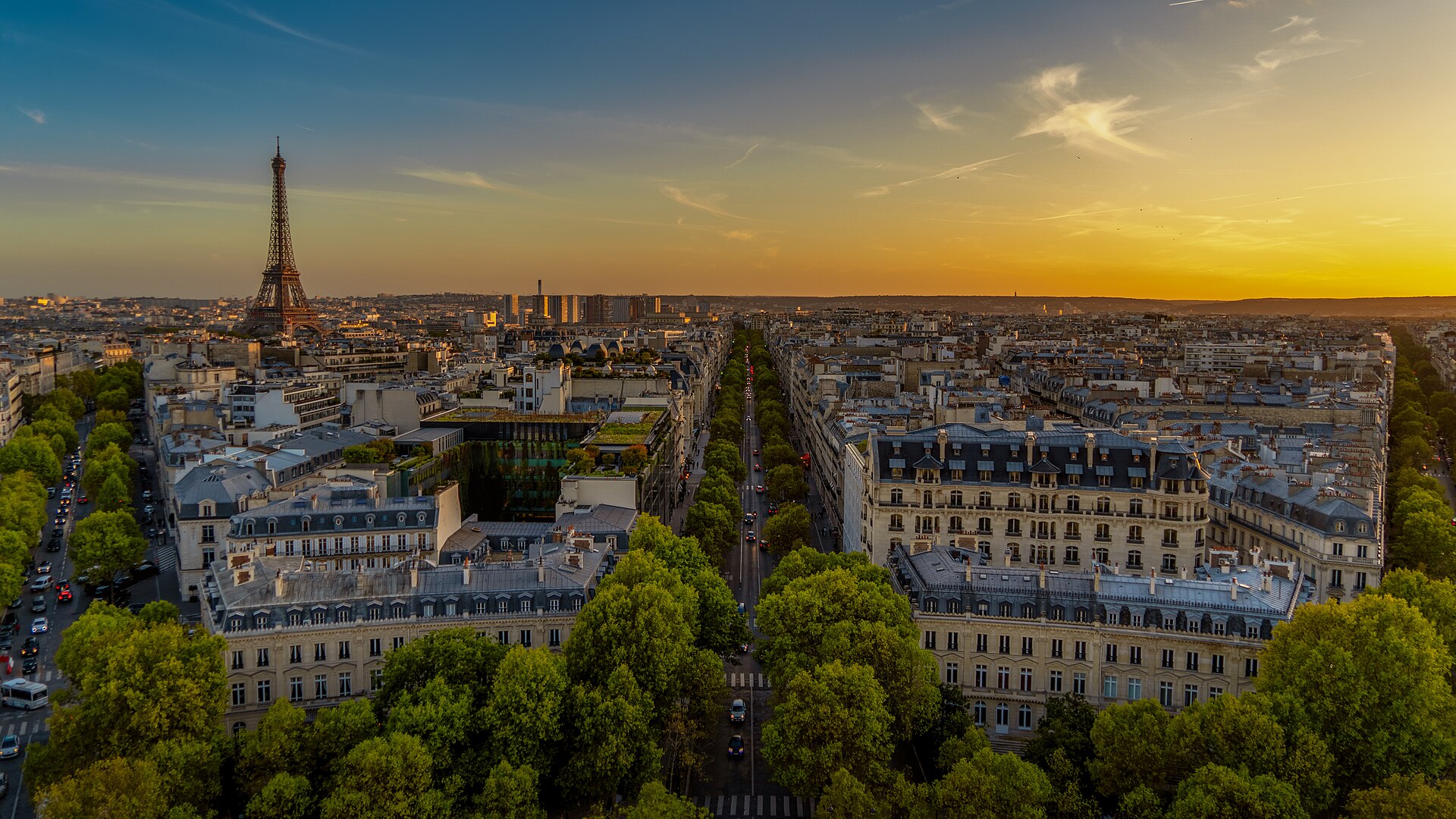
France is 18 regions and 632,702 km2, and five of those regions are overseas - French Guiana in South America, the French West Indies, islands in the Indian and...
Photograph · Pierre Blaché · CC0
Reviewed by Elena Voss · Roavina Travel Editor
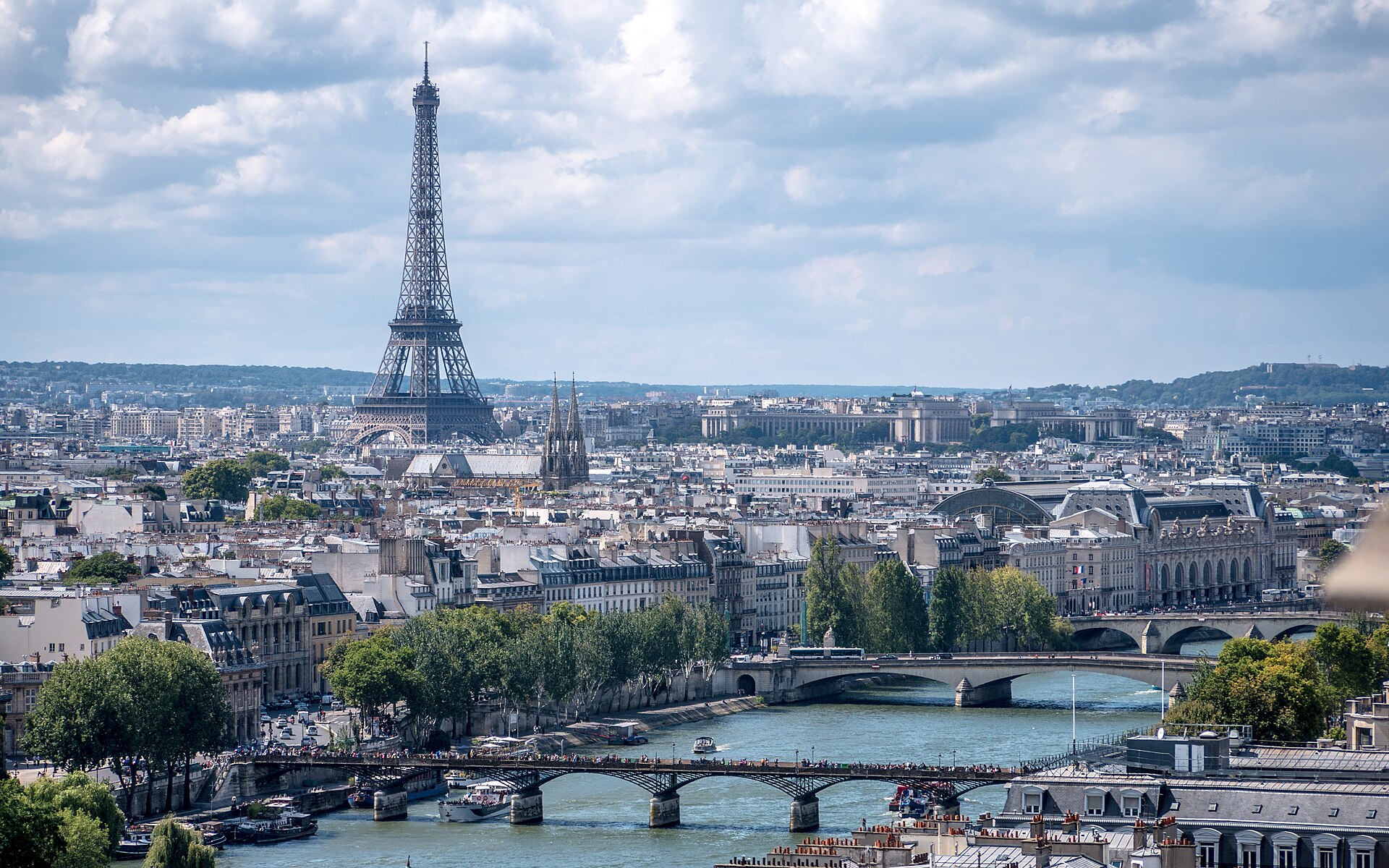
France is 18 regions and 632,702 km2, and five of those regions are overseas - French Guiana in South America, the French West Indies, islands in the Indian and Pacific oceans. Metropolitan France alone runs from the Rhine to the Atlantic and from the Mediterranean to the North Sea, so a week here is a choice rather than a circuit. Of the 69.1 million people estimated in 2026, more than 13 million are in the Paris metropolitan area, which is why the capital tends to win the first visit. The corners - Alpine, Atlantic, Mediterranean - are further from one another than the map's familiarity suggests.
Checked 2026-08-25
Every city catalogued in this country so far, ranked by how much there is to see.
Photograph · Yann Caradec from Paris, France · CC BY-SA 2.0
Seasonal closures come from recorded opening hours.
Ranked by importance — sitelinks, pageviews and heritage status, not editor preference.
185 places match
Category
Typical visit duration
Musée Jacquemart-André is a Paris museum housed in the former private mansion of Édouard André and Nélie Jacquemart.
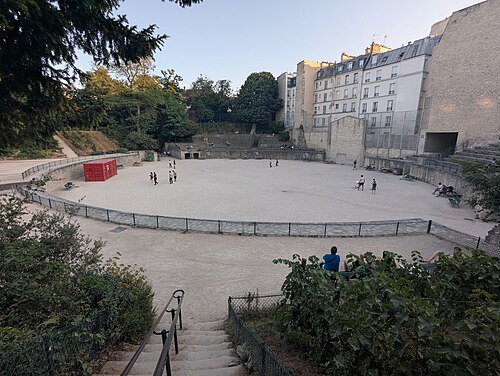
Cavae des Arènes de Lutèce
Arenes de Lutece is the surviving Roman amphitheatre of Lutetia, built in the 1st century AD on the slope of what is now the 5th arrondissement, and it once seated an estimated 15,000 people for gladiator contests and theatre.
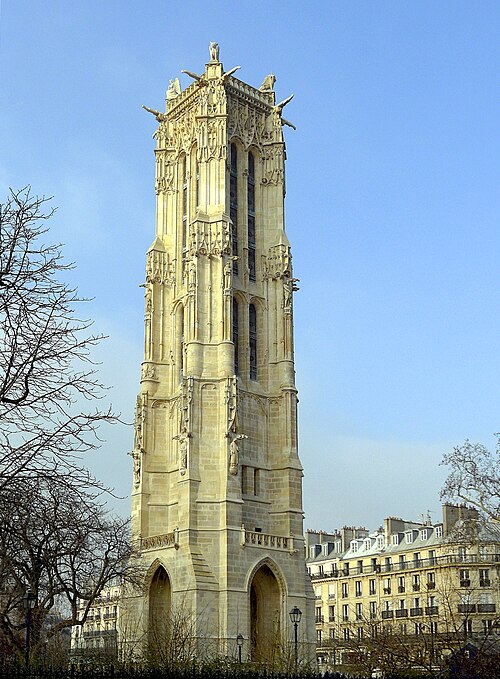
Tour Saint-Jacques
The Tour Saint-Jacques is the last surviving fragment of the church of Saint-Jacques-de-la-Boucherie, a late-Gothic parish church built between 1509 and 1523 for the guild of Paris butchers, whose market gave the church its name.
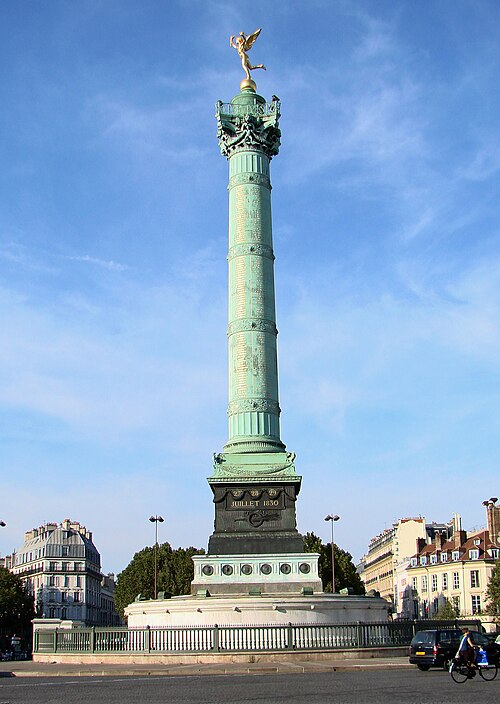
Colonne de Juillet
The Colonne de Juillet stands at the centre of Place de la Bastille and commemorates the July Revolution of 1830 — the Trois Glorieuses, three days of fighting on 27-29 July that drove King Charles X from the throne.
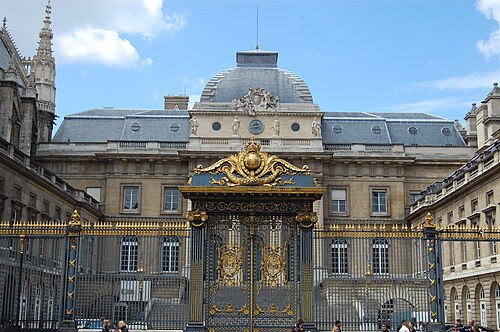
Palais de Justice de Paris
The Palais de Justice is the historic seat of the French judiciary on the Ile de la Cite, built on the site of the medieval Palais de la Cite, the residence of the Capetian kings from the 10th century until…
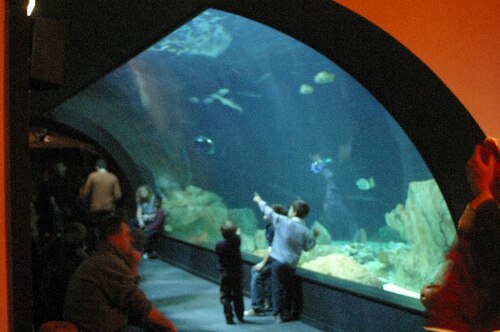
Aquarium de Paris - Cinéaqua
Aquarium de Paris occupies the old quarry tunnels beneath the Trocadero hill, first opened as the Aquarium du Trocadero for the 1878 Exposition Universelle, one of the earliest public aquariums built in France.
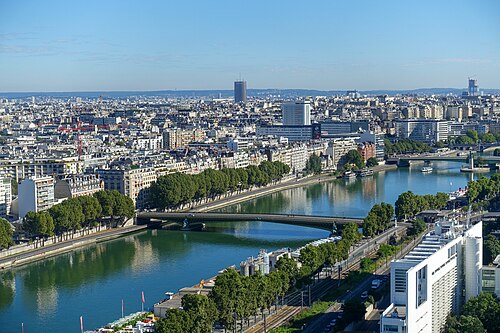
Pont Mirabeau carries a road and pedestrian walkways across the Seine between the 15th and 16th arrondissements, built between 1893 and 1897 under the chief engineer Paul Rabel using a steel arch design that was, at the time, one of…

Porte Saint-Denis is a triumphal arch built in 1672 on the orders of the city of Paris to honour Louis XIV's military victories on the Rhine, in particular the crossing of the Rhine earlier that year during the Franco-Dutch War.
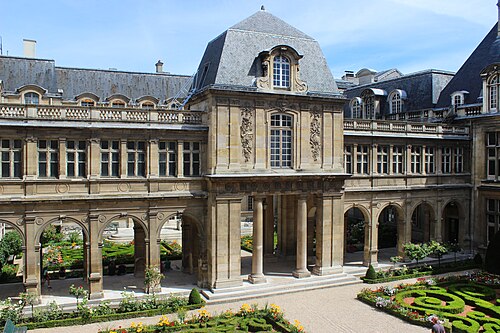
Musee Carnavalet is the museum of the history of Paris, occupying two adjoining Marais mansions: the Hotel Carnavalet, built in the 16th century and remodelled by Francois Mansart in 1655, and the neighbouring Hotel Le Peletier de Saint-Fargeau.
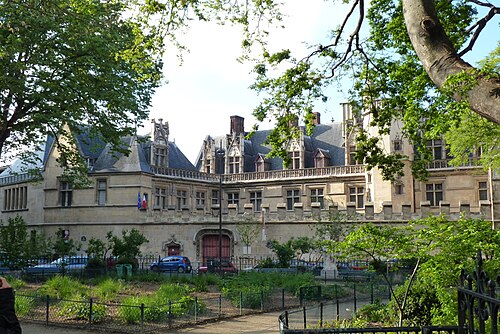
Musée de Cluny, formally the Musée national du Moyen Âge, brings together Roman archaeology, a late-medieval residence and medieval art in one compact Latin Quarter site.
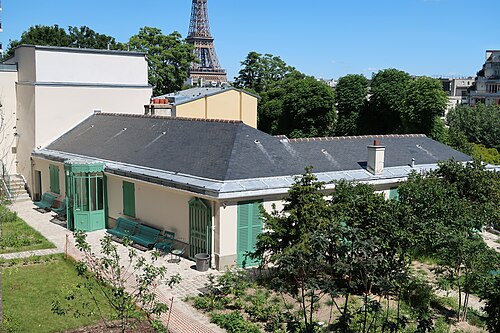
Maison de Balzac is the house where the novelist Honore de Balzac lived from 1840 to 1847, on rue Raynouard in what was then the village of Passy and is now the 16th arrondissement of Paris.
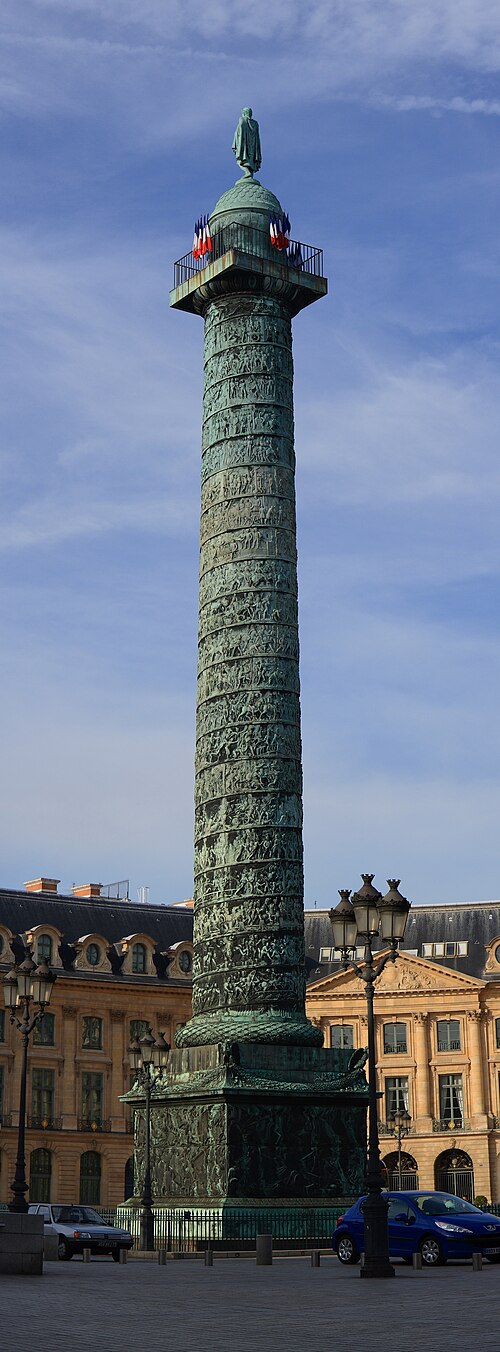
The Colonne Vendome stands at the centre of Place Vendome in the 1st arrondissement, raised between 1806 and 1810 on Napoleon's order to commemorate the victory at Austerlitz.
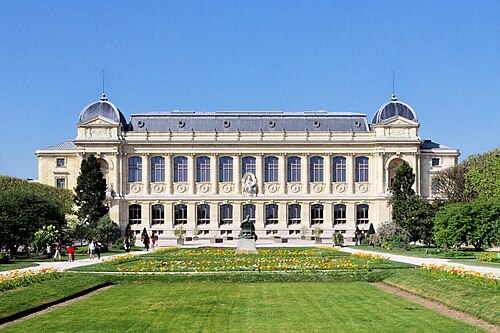
The Museum national d'histoire naturelle is France's national natural history museum, founded in 1793 out of the royal Jardin du Roi, and it occupies several linked sites across the Jardin des Plantes in the 5th arrondissement.
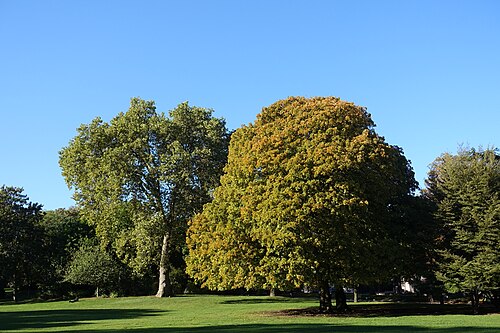
Parc Montsouris
Parc Montsouris is a 15.5-hectare public park in the 14th arrondissement, opened in 1878 as part of Napoleon III and Baron Haussmann's programme of large landscaped parks for Paris.
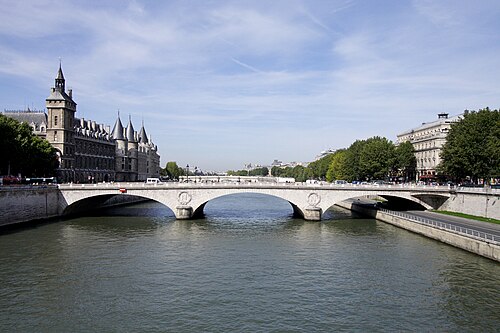
Pont au Change
Pont au Change carries rue de Rivoli's continuation across the northern arm of the Seine, linking the Ile de la Cite -- at the Conciergerie and the Palais de Justice -- to the Right Bank at Place du Chatelet.
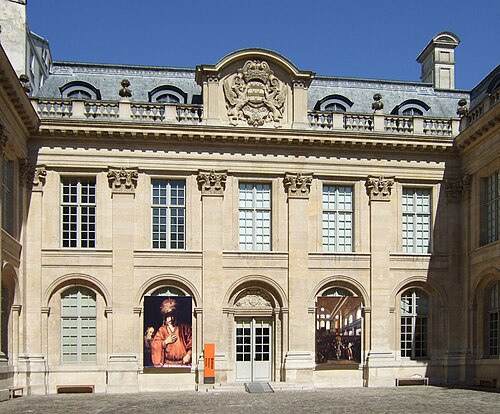
The Musee d'art et d'histoire du Judaisme, known as the MAHJ, is France's museum of Jewish art and history, opened in 1998 in the Hotel de Saint-Aignan, a 17th-century mansion in the Marais, 3rd arrondissement.
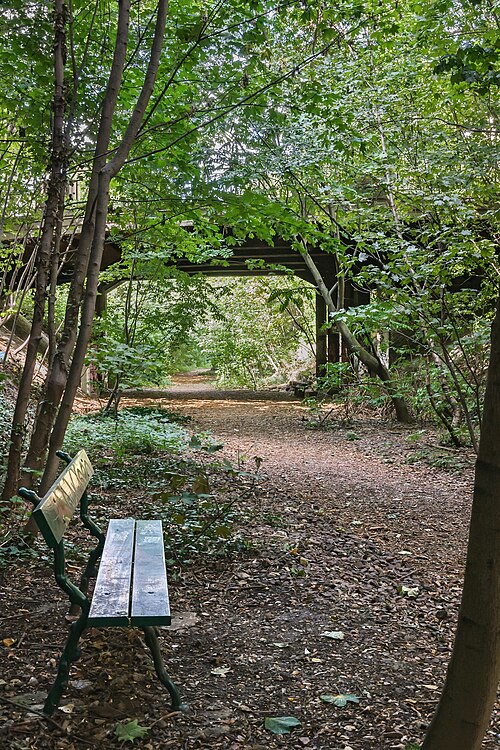
The Petite Ceinture du 16e is a surviving stretch of the Petite Ceinture, the circular railway built between 1852 and 1869 to link Paris's mainline terminus stations for freight and passengers around the edge of the city.
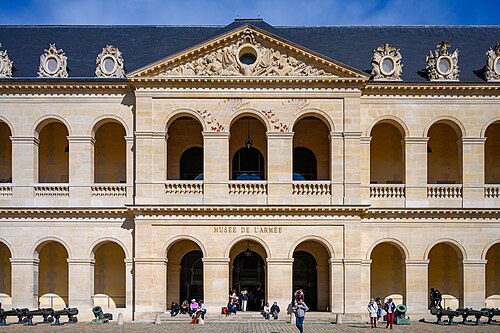
The Musee de l'Armee is France's national army museum, occupying wings of the Hotel des Invalides in the 7th arrondissement, the complex Louis XIV built in the 1670s as a hospital and retirement home for wounded soldiers.
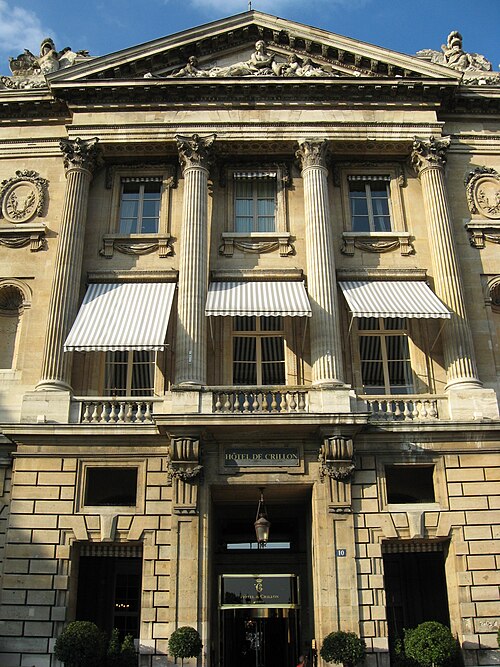
Hotel de Crillon opened as a hotel in 1909, but the building itself is a 1758 royal commission: Louis XV had Ange-Jacques Gabriel build two identical stone palaces flanking the Rue Royale on the new Place de la Concorde, and…
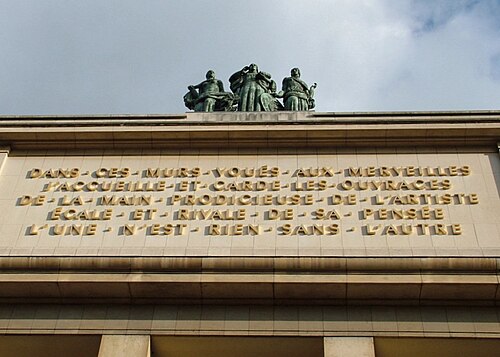
The Musee de l'Homme is France's national anthropology museum, and it studies one subject only: what makes a human being, told through evolution, biological diversity and culture rather than through any single region or period.
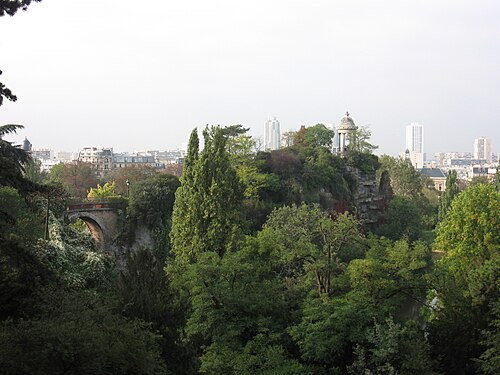
Parc des Buttes-Chaumont
Parc des Buttes-Chaumont sits on ground that had no reason to become a park: a bare, chemically poor hill called Chauve-Mont that once held the Gibbet of Montfaucon, where hanged criminals were displayed from the thirteenth century until 1760, and…
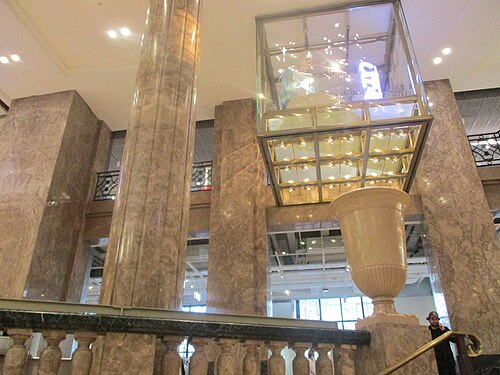
Galeries Lafayette
This is the group's newest flagship, not the domed department store on Boulevard Haussmann most visitors picture at the name Galeries Lafayette.
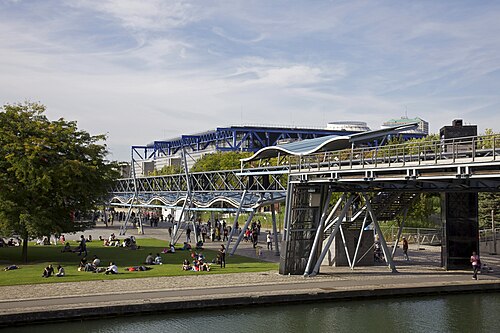
Parc de la Villette
Parc de la Villette occupies the site of the huge Paris abattoirs and wholesale meat market that Napoleon III had built here in 1867 and that were finally cleared away in 1974, leaving 55.5 hectares of northeastern Paris to redevelop.
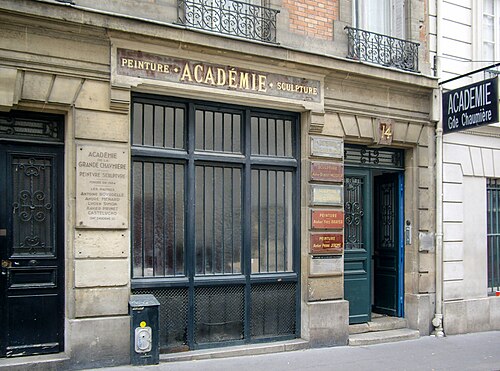
Academie de la Grande Chaumiere is an art school founded in 1904 by the Catalan painter Claudio Castelucho on the street of the same name in Montparnasse, near the older Academie Colarossi, and it became a defining institution of the…

Place Dauphine
Place Dauphine is a triangular square at the western tip of the Ile de la Cite, laid out from 1607 on the orders of Henri IV as the second of his two Paris square projects, after the Place Royale …
Ten to fourteen days supports four or five days in Paris plus one coherent regional direction, such as Lyon, Bordeaux, Strasbourg, or Marseille. Avoid routing every extension back through Paris, because even fast TGV journeys leave local connection time at each end.
France applies Schengen entry rules, but the required passport validity or visa still depends on nationality and route. France-Visas is the official place to verify the exact requirement before booking and again before entering from outside Schengen.
TGV trains join France's largest cities, while TER services handle regional links and many rural areas still favour a car. Long-distance reservations may be mandatory, and each city retains its own urban ticket system rather than accepting one national visitor card.
April to June and September to October suit the Paris-plus-region route described here. Alpine access, Mediterranean heat, Atlantic weather, and rural seasonal services differ enough that the selected second region should determine the final dates.
France uses the euro (EUR). Bank cards are common, yet a small euro reserve remains useful for markets or local machines; confirm any terminal conversion choice before accepting it because this page does not record changing fees.
For urgent help anywhere in France, call 112; medical emergencies also use 15 and police matters 17. The electrical standard is 230 V with Type C and E plugs. This dataset has no recorded national tap-water finding, so consult the municipality or lodging for the specific stop.