Roavina

Country guide

France

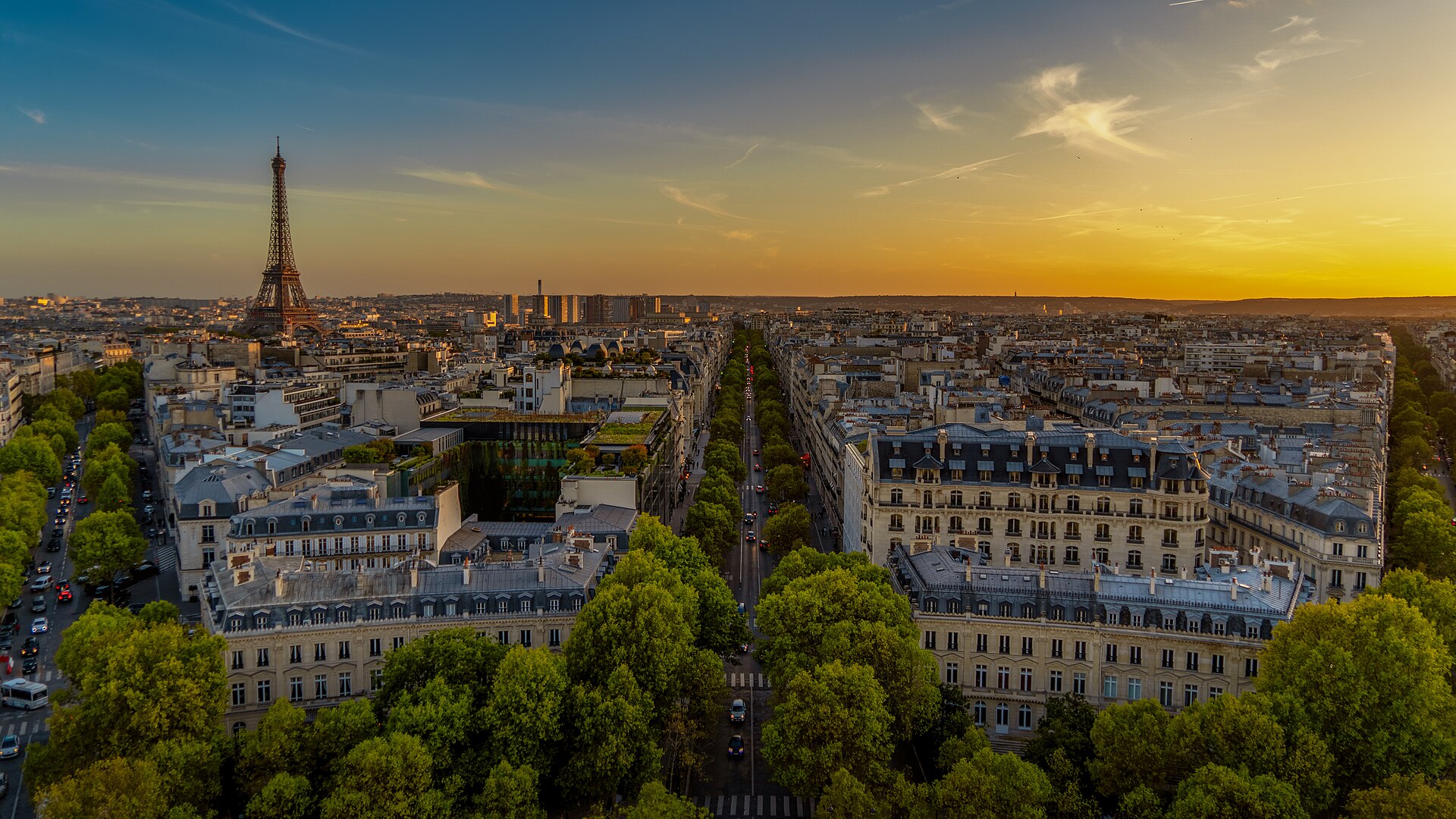
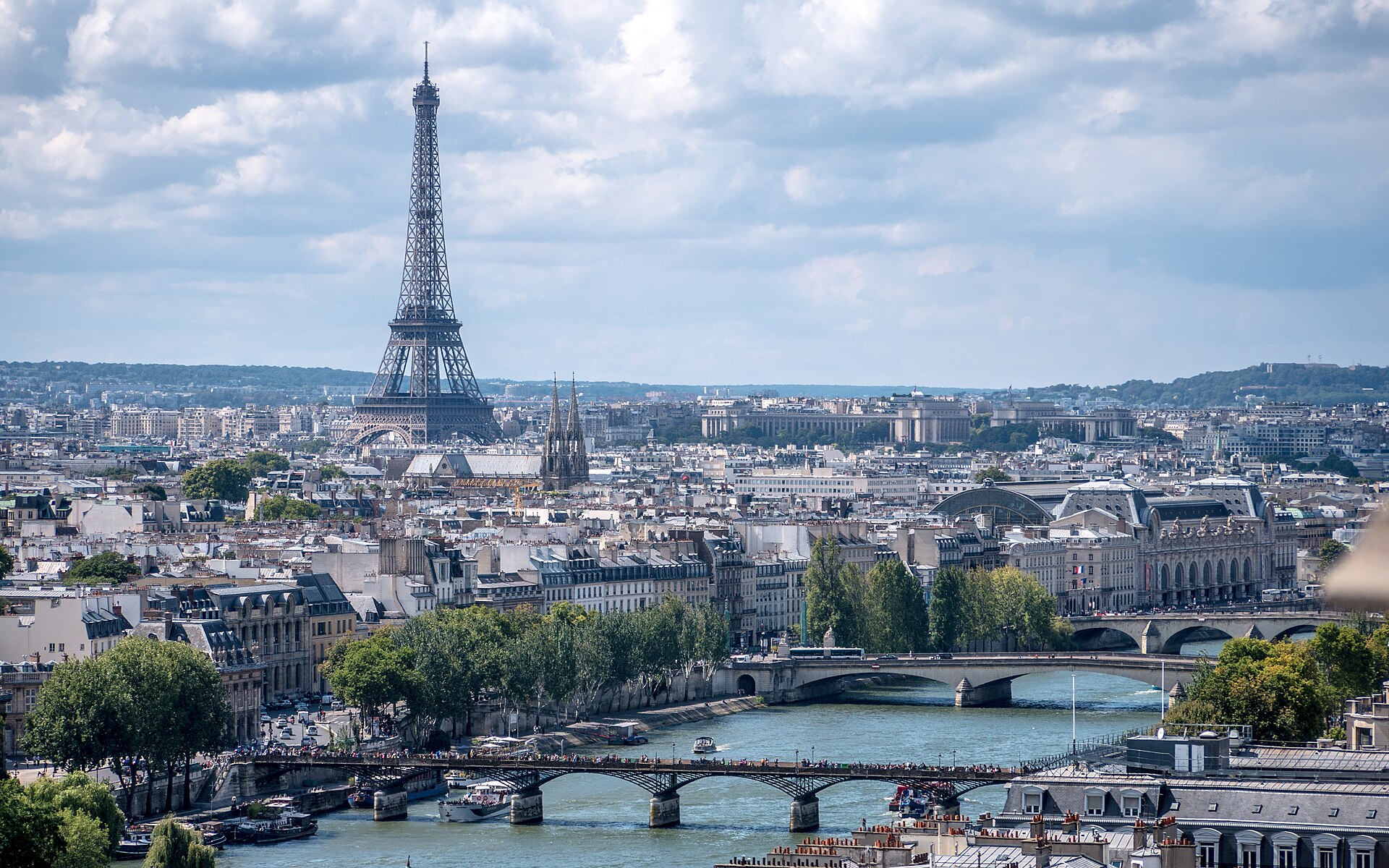
A photograph of France
Photograph · Pierre Blaché · CC0

France is 18 regions and 632,702 km2, and five of those regions are overseas - French Guiana in South America, the French West Indies, islands in the Indian and Pacific oceans. Metropolitan France alone runs from the Rhine to the Atlantic and from the Mediterranean to the North Sea, so a week here is a choice rather than a circuit. Of the 69.1 million people estimated in 2026, more than 13 million are in the Paris metropolitan area, which is why the capital tends to win the first visit. The corners - Alpine, Atlantic, Mediterranean - are further from one another than the map's familiarity suggests.

Reviewed by Elena Voss · Roavina Travel Editor

Cities

Every city catalogued in this country so far, ranked by how much there is to see.

Practical information

Language spoken
French
French is the language of the Republic under Article 2 of the Constitution
Dialling code
+33
The country code for metropolitan France
Currency
Euro (€, EUR)
France has used the euro as its official currency since 2002
Emergency number
112
One number across the country; 15 reaches an ambulance directly
Plug type
Type E · 220 V
Round-pin sockets use a projecting earth pin
Tap water
Safe to drink
The health ministry says tap water may be consumed safely unless local authorities issue specific advice

Planning a visit

  1. January: seasonal closure recorded
  2. February: seasonal closure recorded
  3. March: seasonal closure recorded
  4. April: seasonal closure recorded
  5. May: seasonal closure recorded
  6. June: seasonal closure recorded
  7. July: seasonal closure recorded
  8. August: seasonal closure recorded
  9. September: no seasonality data recorded — this month
  10. October: seasonal closure recorded
  11. November: seasonal closure recorded
  12. December: seasonal closure recorded

Top things to see

Ranked by importance — sitelinks, pageviews and heritage status, not editor preference.

  1. Jardin du Luxembourg Jardin du Luxembourg
    02 1 hour

    Jardin du Luxembourg

    The Jardin du Luxembourg is a 23-hectare formal garden on the Left Bank, laid out from 1612 for a queen who wanted a Florentine garden in Paris and built by the French Senate, which still owns the palace at its…

    • Must see
    • Nature site
    • Paris
  2. Coulée verte René-Dumont Coulée verte René-Dumont
    03 1 hour

    Coulée verte René-Dumont

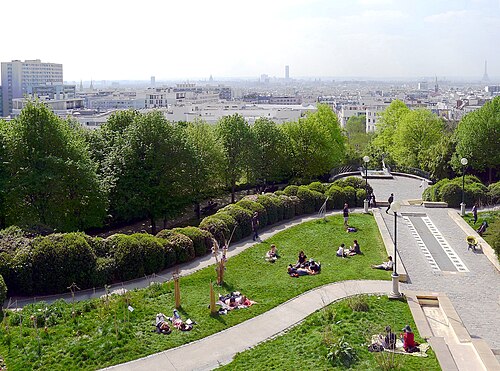
    The Coulée verte René-Dumont is a footpath laid along the top of a disused railway viaduct — a park built above the street rather than beside it.

    • Must see
    • Nature site
    • Paris
  3. bois de Boulogne bois de Boulogne
    04 2 hours

    bois de Boulogne

    Bois de Boulogne

    The Bois de Boulogne is a former royal hunting forest turned into an English-style public park, and at 846 hectares it covers more than double the area of New York's Central Park.

    • Must see
    • Nature site
    • Paris
  4. Bois de Vincennes Bois de Vincennes
    05 2 hours

    Bois de Vincennes

    At roughly 995 hectares, the Bois de Vincennes is the largest public park inside Paris, wrapping the eastern edge of the 12th arrondissement.

    • Must see
    • Nature site
    • Paris
  5. parc Monceau parc Monceau
    06 45 min

    parc Monceau

    Parc Monceau

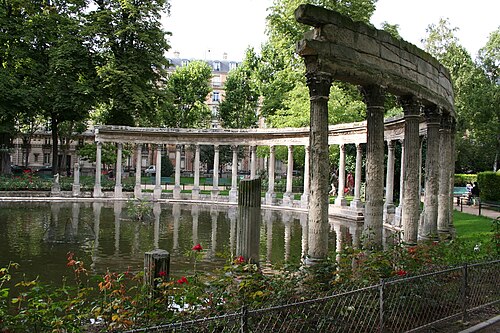
    Parc Monceau began in 1769 as a private pleasure garden for Philippe d'Orleans, Duke of Chartres, laid out by the writer and painter Louis Carrogis, known as Carmontelle, in the English landscape style then fashionable as a counterpoint to the…

    • High
    • Nature site
    • Paris
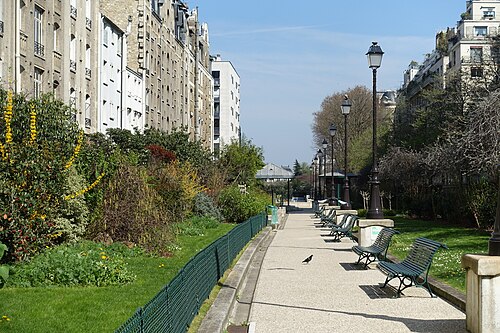
  6. Petite Ceinture du 16e Petite Ceinture du 16e
    07 45 min

    Petite Ceinture du 16e

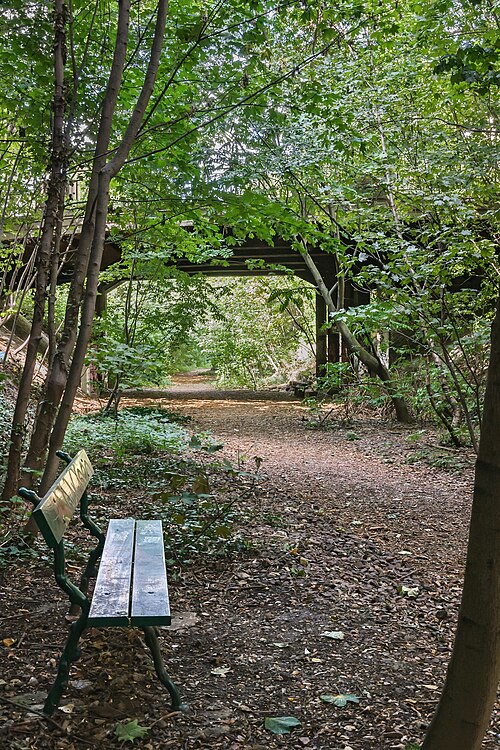
    The Petite Ceinture du 16e is a surviving stretch of the Petite Ceinture, the circular railway built between 1852 and 1869 to link Paris's mainline terminus stations for freight and passengers around the edge of the city.

    • Notable
    • Nature site
    • Paris
  7. parc des Buttes-Chaumont parc des Buttes-Chaumont
    08 1 hour

    parc des Buttes-Chaumont

    Parc des Buttes-Chaumont

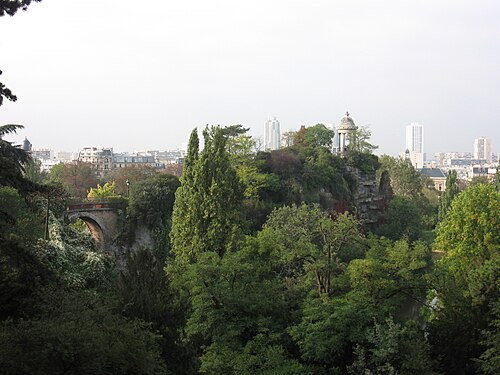
    Parc des Buttes-Chaumont sits on ground that had no reason to become a park: a bare, chemically poor hill called Chauve-Mont that once held the Gibbet of Montfaucon, where hanged criminals were displayed from the thirteenth century until 1760, and…

    • Notable
    • Nature site
    • Paris
  8. parc de la Villette parc de la Villette
    09 1 hr 30 min

    parc de la Villette

    Parc de la Villette

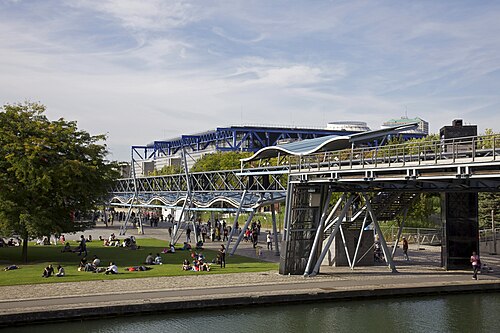
    Parc de la Villette occupies the site of the huge Paris abattoirs and wholesale meat market that Napoleon III had built here in 1867 and that were finally cleared away in 1974, leaving 55.5 hectares of northeastern Paris to redevelop.

    • Notable
    • Nature site
    • Paris
  9. place Dauphine place Dauphine
    10 25 min

    place Dauphine

    Place Dauphine

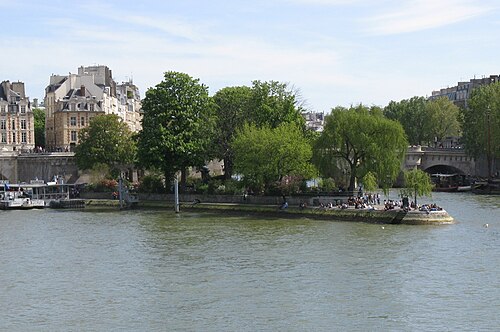
    Place Dauphine is a triangular square at the western tip of the Ile de la Cite, laid out from 1607 on the orders of Henri IV as the second of his two Paris square projects, after the Place Royale …

    • Notable
    • Nature site
    • Paris
  10. jardins du Trocadéro jardins du Trocadéro
    11 30 min

    jardins du Trocadéro

    Jardins du Trocadéro

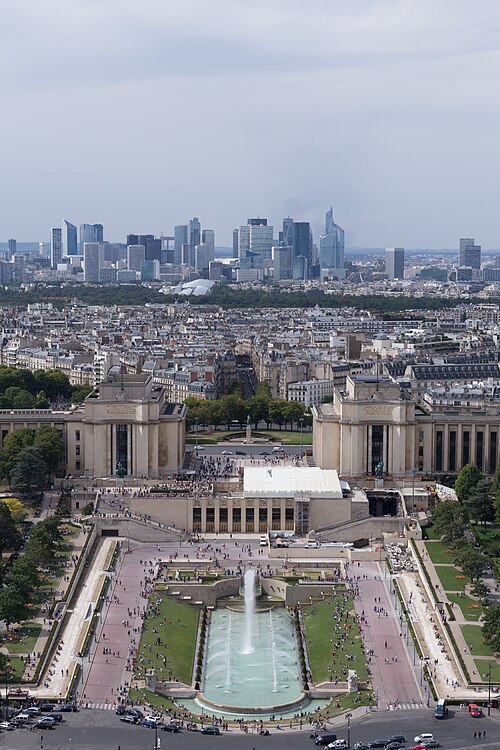
    The Jardins du Trocadéro are public gardens located in the 16th arrondissement of Paris, France. They sit on the hillside facing the Eiffel Tower across the Seine River, forming a significant part of the Trocadéro area.

    • Must see
    • Nature site
    • Paris
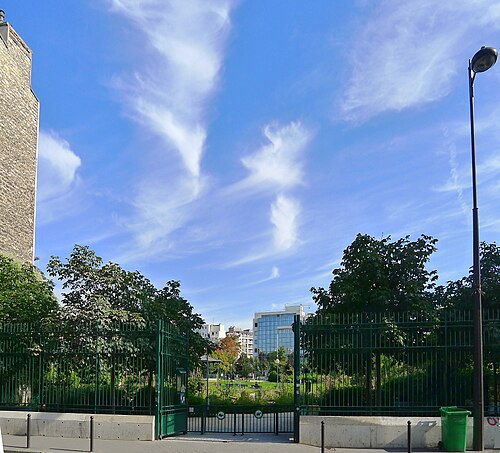
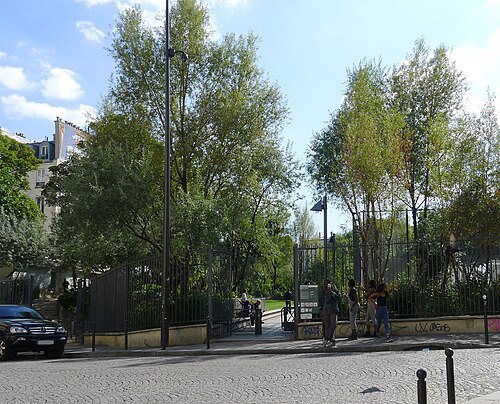
  11. parc de Passy parc de Passy
    18 1 hour

    parc de Passy

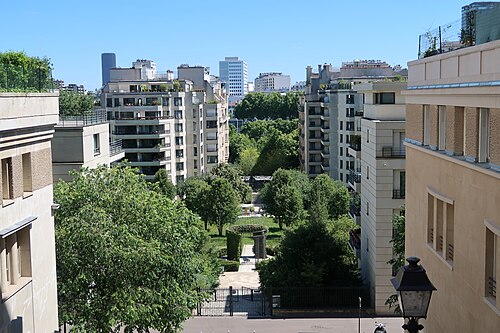
    Parc de Passy

    • High
    • Nature site
    • Paris
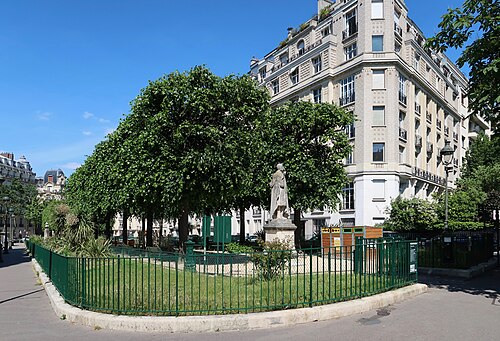
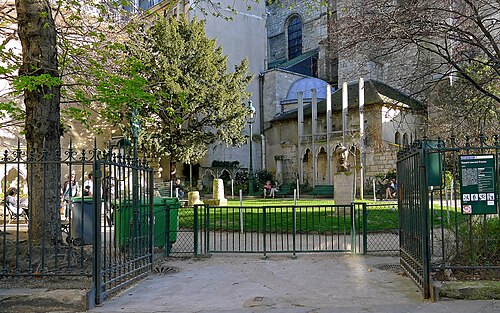
  12. square Léon square Léon
    23 1 hour

    square Léon

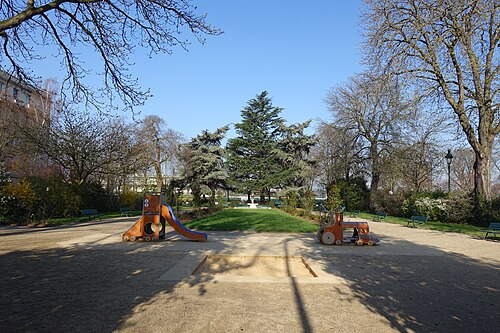
    Square Léon

    • High
    • Nature site
    • Paris

Source: OpenStreetMap contributors, Wikidata ·

Common questions

How long should a first trip to France be?

Ten to fourteen days supports four or five days in Paris plus one coherent regional direction, such as Lyon, Bordeaux, Strasbourg, or Marseille. Avoid routing every extension back through Paris, because even fast TGV journeys leave local connection time at each end.

What entry documents are needed for France?

France applies Schengen entry rules, but the required passport validity or visa still depends on nationality and route. France-Visas is the official place to verify the exact requirement before booking and again before entering from outside Schengen.

What is the best way to travel around France?

TGV trains join France's largest cities, while TER services handle regional links and many rural areas still favour a car. Long-distance reservations may be mandatory, and each city retains its own urban ticket system rather than accepting one national visitor card.

When is a practical time to visit France?

April to June and September to October suit the Paris-plus-region route described here. Alpine access, Mediterranean heat, Atlantic weather, and rural seasonal services differ enough that the selected second region should determine the final dates.

What money and payment basics apply in France?

France uses the euro (EUR). Bank cards are common, yet a small euro reserve remains useful for markets or local machines; confirm any terminal conversion choice before accepting it because this page does not record changing fees.

What practical safety details should I save for France?

For urgent help anywhere in France, call 112; medical emergencies also use 15 and police matters 17. The electrical standard is 230 V with Type C and E plugs. This dataset has no recorded national tap-water finding, so consult the municipality or lodging for the specific stop.