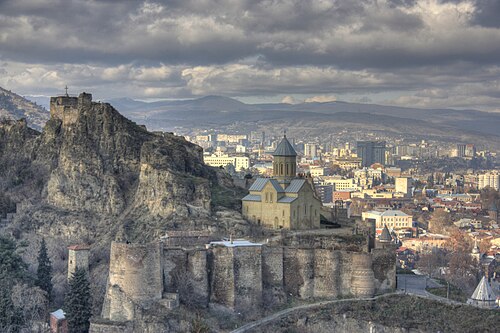
Narikala
ნარიყალა
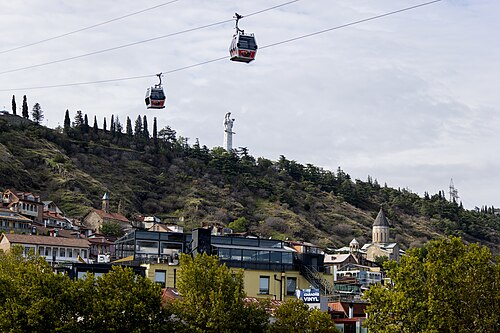
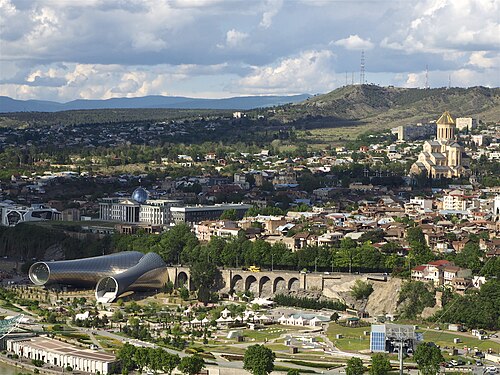
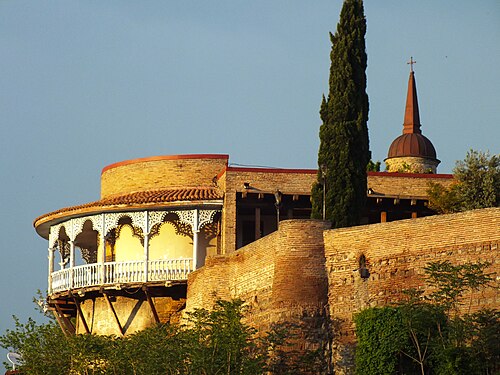
Narikala Fortress is an ancient citadel overlooking Tbilisi's old town from a steep ridge. Its origins trace to Persian and Arab periods, with substantial later Georgian and Russian modifications.
- Must see
- Historic monument
Language · 11 published
City guide · Georgia
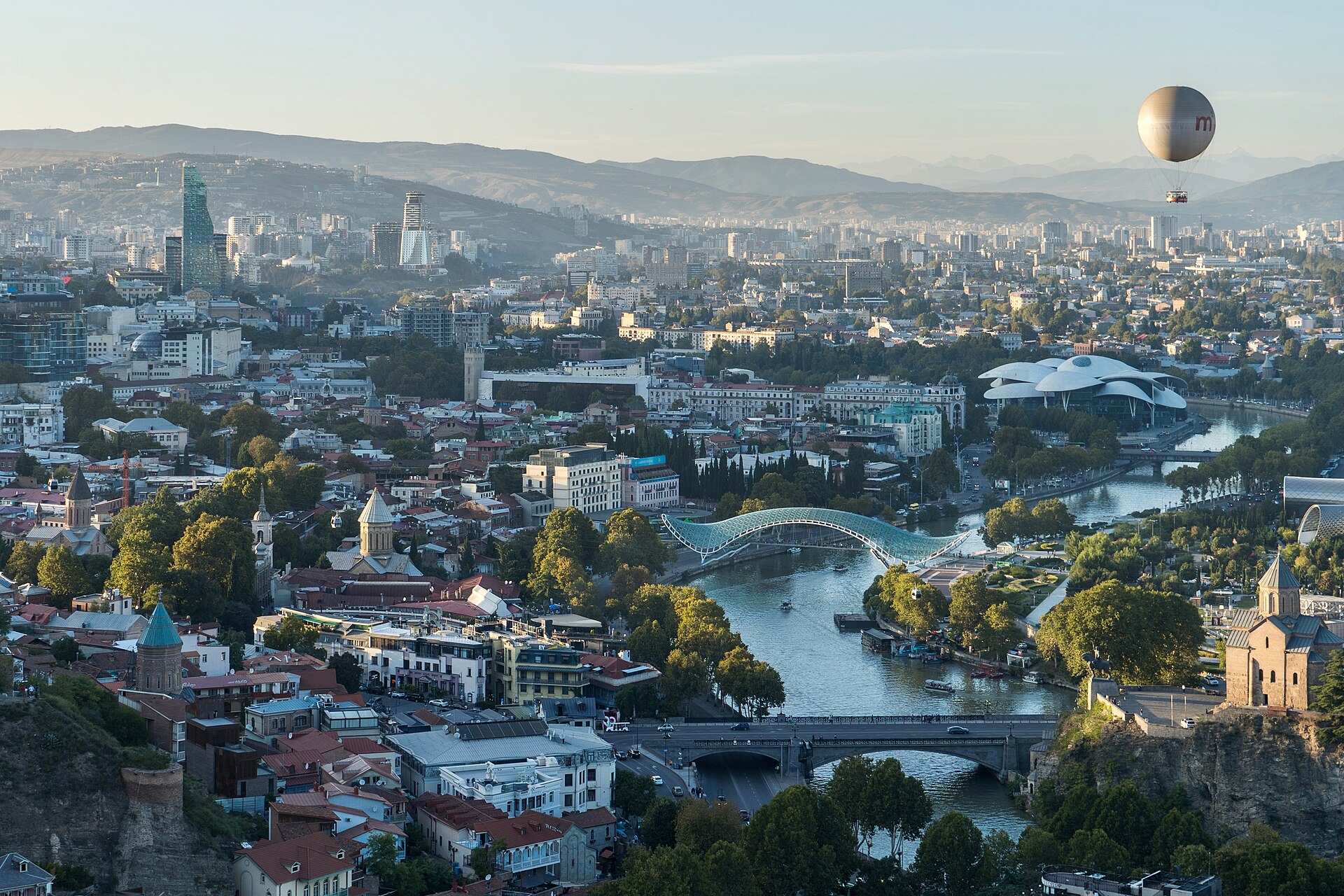
Tbilisi spreads along the Mtkvari River, with Old Tbilisi, the sulfur baths and Narikala concentrated around the historic core. Rustaveli Avenue forms the main museum and theatre axis, while the left bank adds Marjanishvili and riverside districts. The city rises sharply on both sides of the river, so plan adjacent sights together and use public transport for hilltop or outer-city stops.
Reviewed by Elena Voss · Roavina Travel Editor
Set your days, your pace and the hours you actually want to be out. The planner works around closing days and travel time, and leaves room to eat.
Ranked by importance — sitelinks, pageviews and heritage status, not editor preference.
31 places match
Category
Typical visit duration
Interests
ნარიყალა
Narikala Fortress is an ancient citadel overlooking Tbilisi's old town from a steep ridge. Its origins trace to Persian and Arab periods, with substantial later Georgian and Russian modifications.
აბანოთუბანი
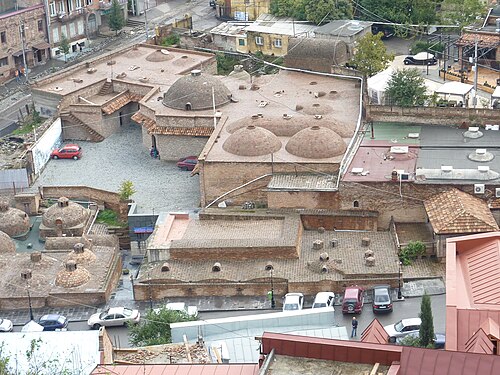
Abanotubani is the historic sulfur-bath district in Old Tbilisi, Georgia. Its distinctive brick domes rise from the banks of the Mtkvari River, marking the natural hot springs that have defined this location for centuries.
წმინდა სამების საკათედრო ტაძარი
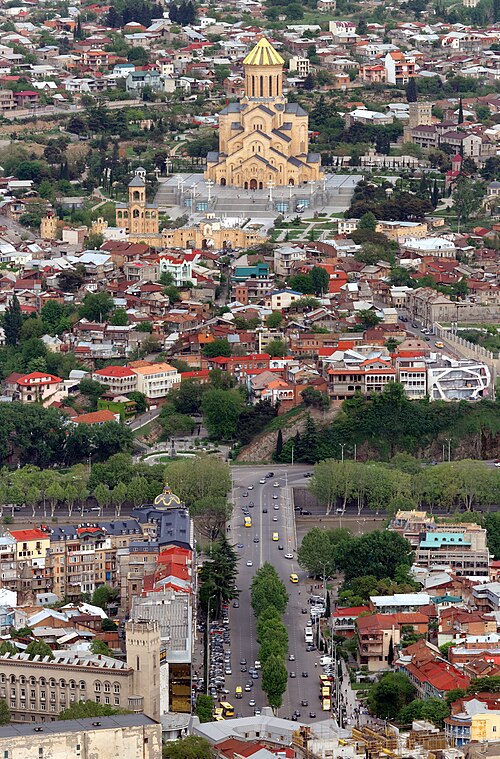
The Holy Trinity Cathedral of Tbilisi, known locally as Sameba, stands as the principal modern Orthodox cathedral of Georgia's capital. Its golden dome dominates the Tbilisi skyline, visible from numerous vantage points across the city.
Mother of Georgia, known locally as Kartlis Deda, is a monumental aluminium statue standing on Sololaki Hill overlooking Tbilisi.
ეროვნული ბოტანიკური ბაღი
National Botanical Garden of Georgia occupies a deep gorge behind Narikala Fortress in central Tbilisi. The garden follows the Tsavkisistskali River valley, combining steep terrain, historic paths, cultivated botanical collections, and more naturalistic vegetation.
მეტეხის ეკლესია
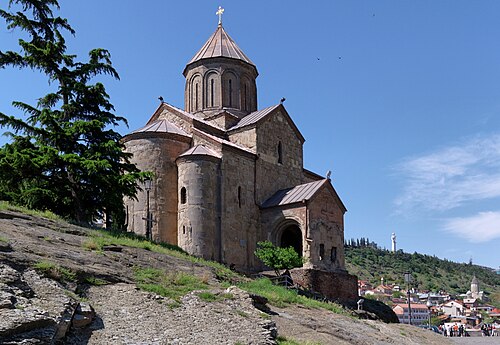
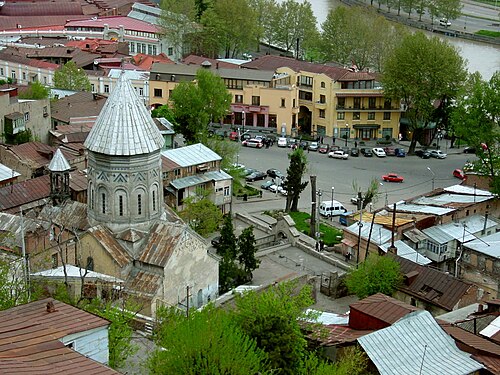
Metekhi Church stands on a rocky cliff above the Mtkvari River in central Tbilisi, giving the city one of its most recognisable historic views.
სიონის ღვთისმშობლის მიძინების ტაძარი
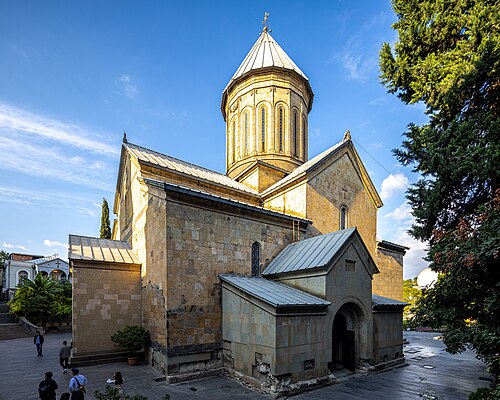
Sioni Cathedral, dedicated to the Dormition of the Mother of God, is a historic Georgian Orthodox cathedral in Tbilisi's Old Town. It remains a working place of worship, so its importance is both architectural and spiritual.
მშრალი ხიდის ბაზრობა
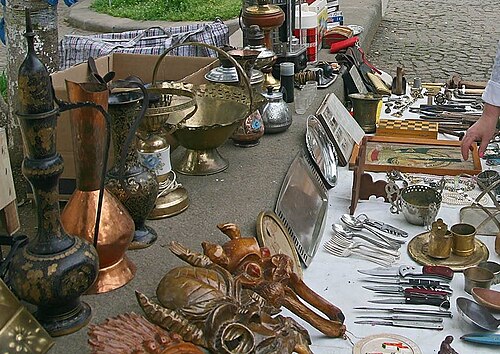
The Dry Bridge Market is Tbilisi's principal open-air antiques and flea market, known locally as მშრალი ხიდის ბაზრობა.
ანჩისხატის ღვთისმშობლის ტაძრადმიყვანების ეკლესია
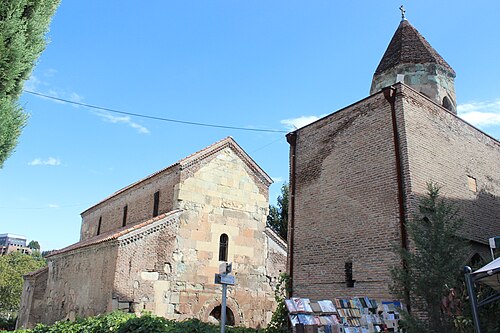
Anchiskhati Basilica is a sixth-century Georgian Orthodox church on Shavteli Street in Tbilisi's Old Town. It is widely identified as the city's oldest surviving church and remains an active place of worship.
თავისუფლების მოედანი
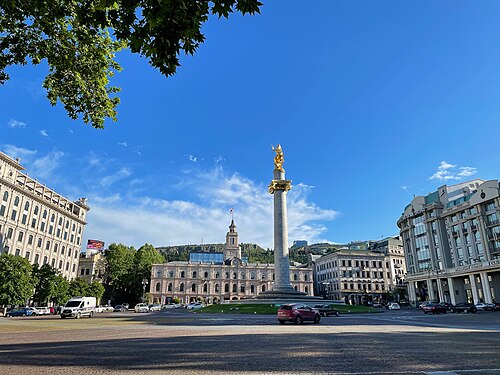
Freedom Square, or Tavisuplebis Moedani, is Tbilisi's principal civic square and a central meeting point between Rustaveli Avenue, Sololaki and the Old Town. A Saint George monument rises at the centre, while traffic circles the open plaza.
რეზო გაბრიაძის მარიონეტების თეატრი
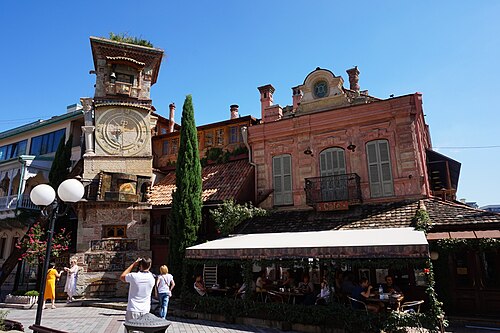
The Rezo Gabriadze Marionette Theater and Clock Tower is a cultural landmark in Tbilisi's Old Town, created by Georgian artist, writer, and director Rezo Gabriadze.
საქართველოს მატიანე
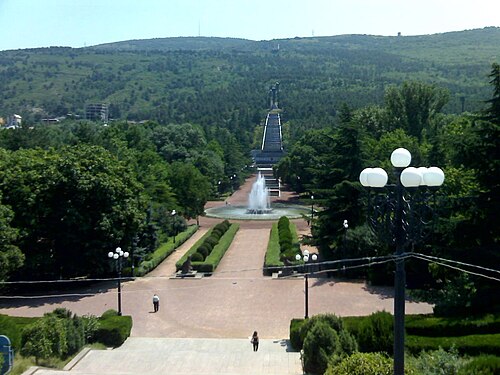
The Chronicle of Georgia is a monumental sculptural ensemble by Zurab Tsereteli on an elevated hillside above the Tbilisi Sea reservoir.
რიყის პარკი
Rike Park is a central riverfront public space beside the Mtkvari River in Tbilisi.
ლეღვთახევის ჩანჩქერი
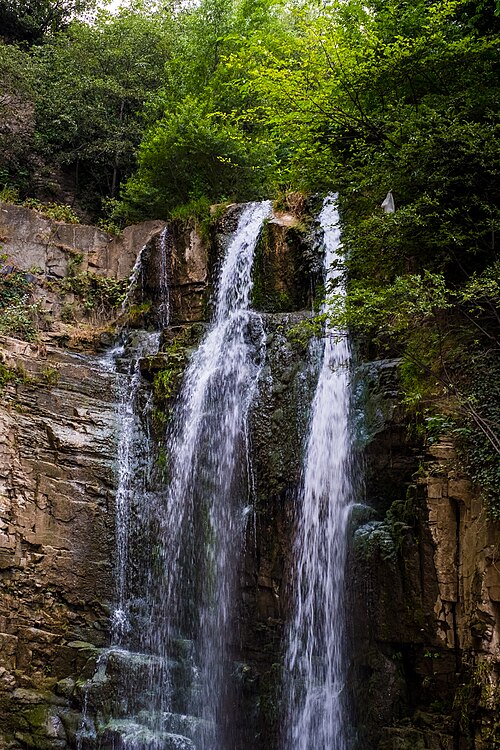
Leghvtakhevi Gorge and Waterfall is a compact natural landmark in Tbilisi’s historic Abanotubani district. The gorge takes its name from Georgian words connected with figs and ravines, recalling vegetation associated with the area.
ვახტანგ გორგასლის მოედანი
Gorgasali Square, also called Vakhtang Gorgasali Square and Meidan, is a historic public square in Tbilisi’s old town. It works as a central meeting point where several important parts of the historic core come together.
ორბელიანის მოედანი
Orbeliani Square, known in Georgian as ორბელიანის მოედანი, is a rehabilitated public square at the northern edge of Tbilisi’s historic centre. It belongs to the flower-market quarter and links nineteenth-century façades with pedestrian lanes.
დარეჯანის სასახლე
Queen Darejan Palace is a surviving royal residence on elevated ground above Tbilisi’s Avlabari district.
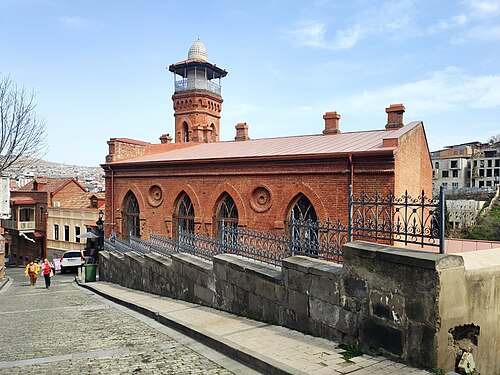
ჯუმა მეჩეთი
Juma Mosque is Tbilisi’s sole surviving mosque and an active place of worship in the old town. The mosque stands beside the bath district and the botanical-garden gorge, placing Islamic religious heritage within a predominantly Orthodox Christian city.
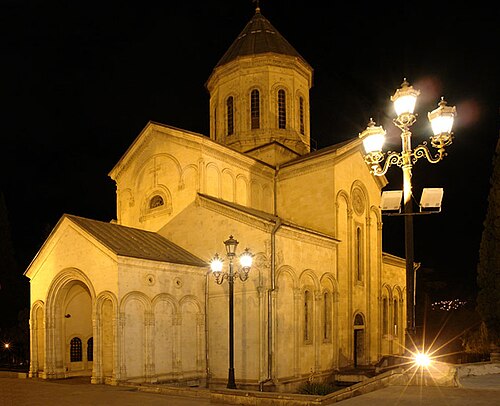
ქაშვეთის წმინდა გიორგის სახელობის ტაძარი
Kashveti Church is a stone church dedicated to Saint George on Rustaveli Avenue in central Tbilisi. The church stands directly opposite the Parliament of Georgia, making it one of the clearest landmarks on the capital’s main thoroughfare.
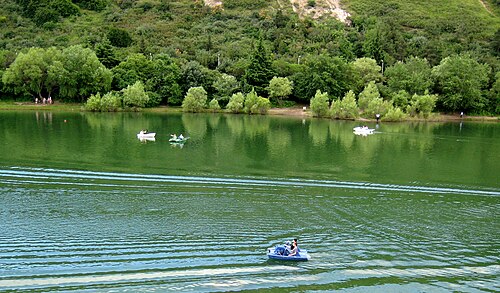
კუს ტბა
Turtle Lake, or Kus Tba, is a lakeside recreation spot on the wooded hillside above Tbilisi’s Vake district. Its appeal is immediate: water, trees, open air and a break from the city’s dense streets.
ლისის ტბა
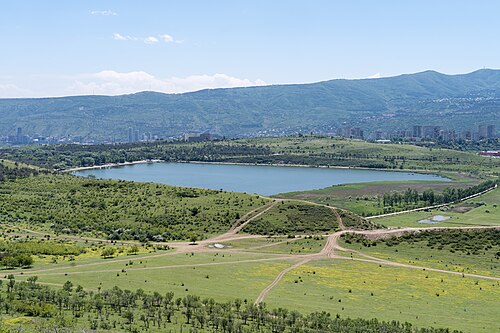
Lisi Lake is a recreational lake on the western edge of Tbilisi. Known in Georgian as ლისის ტბა, it gives the capital an open landscape of water, trails and broad outdoor space away from the dense historic core.
ვაკის პარკი
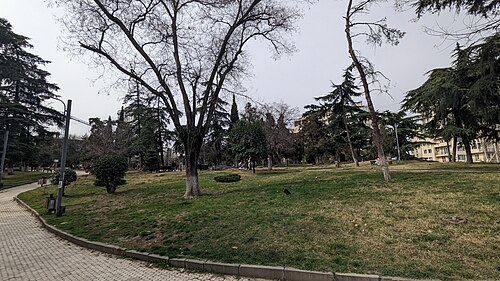
Vake Park is a large terraced green space on the hillside in western Tbilisi.
მზიურის პარკი
Mziuri Park is a restored public park in Tbilisi’s Vere valley, designed around family recreation and outdoor time. It combines a natural valley setting with walking paths, children’s play spaces and areas for cultural activity.
დედაენის ბაღი
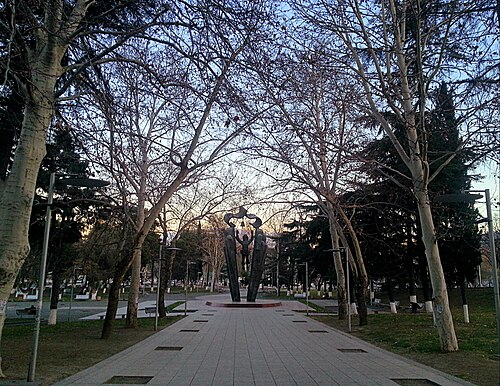
Dedaena Park is a riverside public park in central Tbilisi, beside the Mtkvari and close to the Dry Bridge area. Its name refers to the Georgian-language memorial within the grounds.
ვერის ბაღი
Vera Park is a neighbourhood green space in central Tbilisi's Vera district. Its appeal comes from everyday local use and from the late-Soviet architecture of the Chess Palace and Alpine Club buildings.
თბილისის ეროვნული პარკი
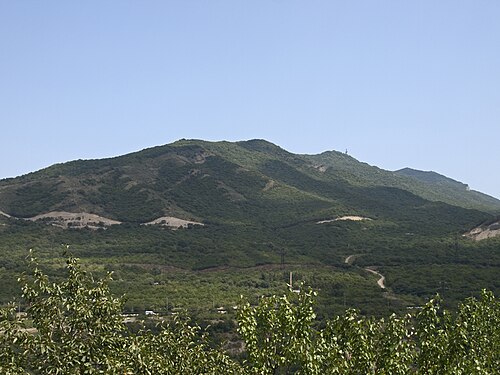
Tbilisi National Park is Georgia’s first national park, on forested mountain ridges immediately north of Tbilisi. It is the capital’s nearest large protected natural area and makes a strong contrast with the city’s dense streets, courtyards, and traffic.
საქართველოს ბანკის სათავო ოფისი
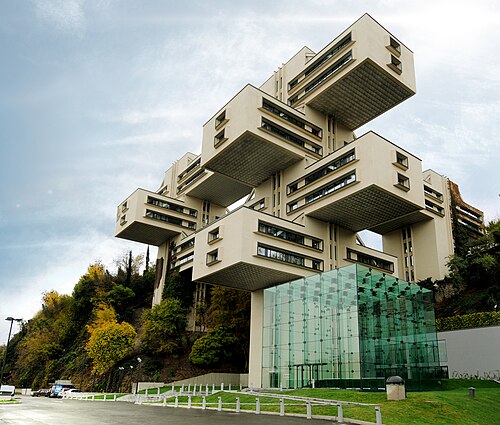
Bank of Georgia Headquarters is one of Tbilisi’s most striking late-Soviet modernist landmarks.
თბილისის ცირკი
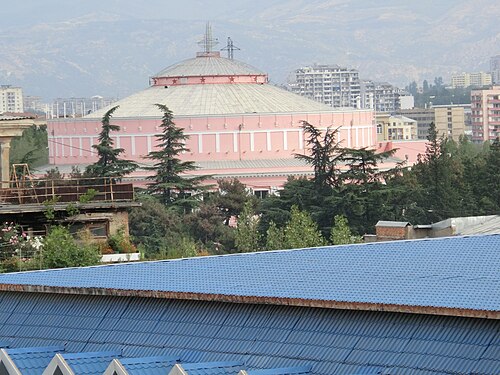
Tbilisi Circus is a distinctive circular hilltop building overlooking Heroes Square. It is both a Soviet-era architectural landmark and a performance venue for traditional circus entertainment.
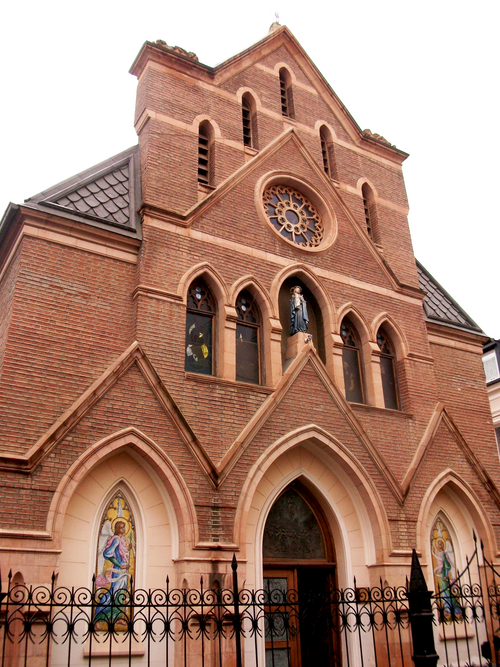
ყოვლადწმიდა მარიამის ზეცად აღყვანების კათოლიკური საკათედრო ტაძარი
The Cathedral of the Assumption of the Virgin is Tbilisi’s Catholic cathedral in the historic centre. Its Georgian name is ღვთისმშობლის ამაღლების კათოლიკური კათედრალი.
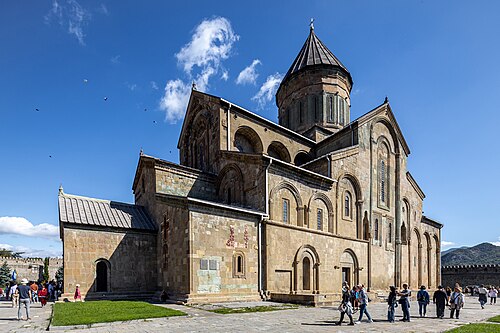
სვეტიცხოვლის საკათდრო ტაძარი
Svetitskhoveli Cathedral is a Georgian Orthodox cathedral located in Mtskheta, the ancient capital near Tbilisi. Its local name is სვეტიცხოვლის საკათედრო ტაძარი.
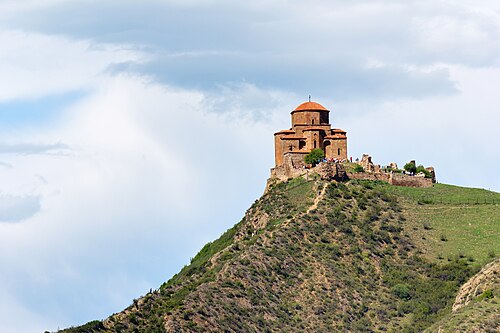
ჯვრის მონასტერი
Jvari Monastery is a sixth-century hilltop church above Mtskheta, overlooking the meeting point of the Mtkvari and Aragvi rivers. Its Georgian name is ჯვრის მონასტერი.
Source: OpenStreetMap contributors, Wikidata ·
Old Tbilisi occupies the compact area below Narikala, including Abanotubani, Metekhi and streets near Freedom Square. Rustaveli Avenue runs northwest through the modern centre. Across the river, Aghmashenebeli Avenue and Marjanishvili create a second walkable cluster. Mtatsminda, the Chronicle of Georgia and the open-air ethnography museum require separate uphill journeys rather than being folded into an old-town walk.
Checked 2026-08-26
Walk within Old Tbilisi and the Rustaveli corridor, then use metro, bus or cable transport for longer links and steep approaches. The official Georgia Travel guide identifies Old Tbilisi as a compact two-square-kilometre core, but the wider visitor map extends well beyond it. Group river crossings and hillside attractions carefully because short map distances can conceal substantial elevation changes.
Checked 2026-08-26
A fixed official stay length is not recorded. Build the visit around Old Tbilisi and Rustaveli first, then add hilltop viewpoints, museums or outer districts according to available time.
No single official best-month range is recorded. Check current weather and event information, then plan the steepest outdoor routes for comfortable conditions.
Yes. Old Tbilisi and the Rustaveli corridor are practical walking zones, although slopes and river crossings make public transport useful between separate clusters.
Start with Old Tbilisi around Abanotubani, Metekhi and the streets below Narikala. It contains the city’s densest group of historic visitor sights.
Plan them as separate transport-assisted blocks. Mtatsminda, the Chronicle of Georgia and other elevated sites are not efficient additions to a continuous old-town walking route.