Residence Museum
Residenzmuseum und Schatzkammer
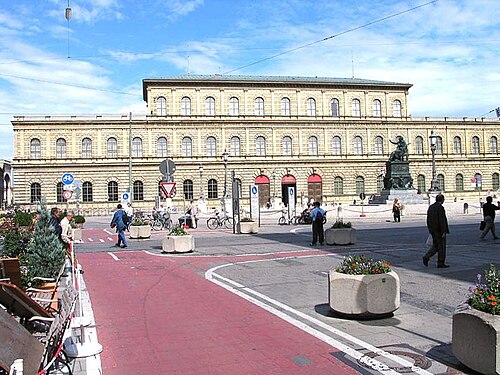
The Residence Museum and Treasury is a palace museum complex in central Munich. It occupies part of the former royal palace of the Wittelsbach dynasty, who ruled Bavaria for centuries.
- High
- Museum
City guide · Germany
Munich's visitor core is centred on Marienplatz and the Altstadt, with the Residenz, major churches and markets within walking distance. The museum quarter lies...
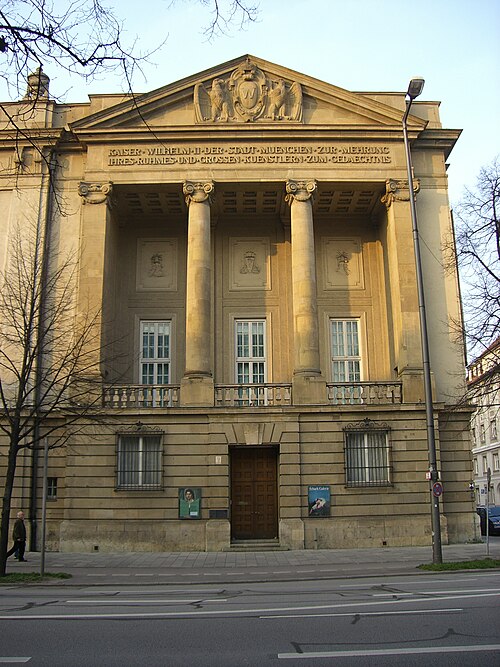
Photograph · Thomas Wolf, www.foto-tw.de · CC BY-SA 3.0 de
Set your days, your pace and the hours you actually want to be out. The planner works around closing days and travel time, and leaves room to eat.
Reviewed by Elena Voss · Roavina Travel Editor
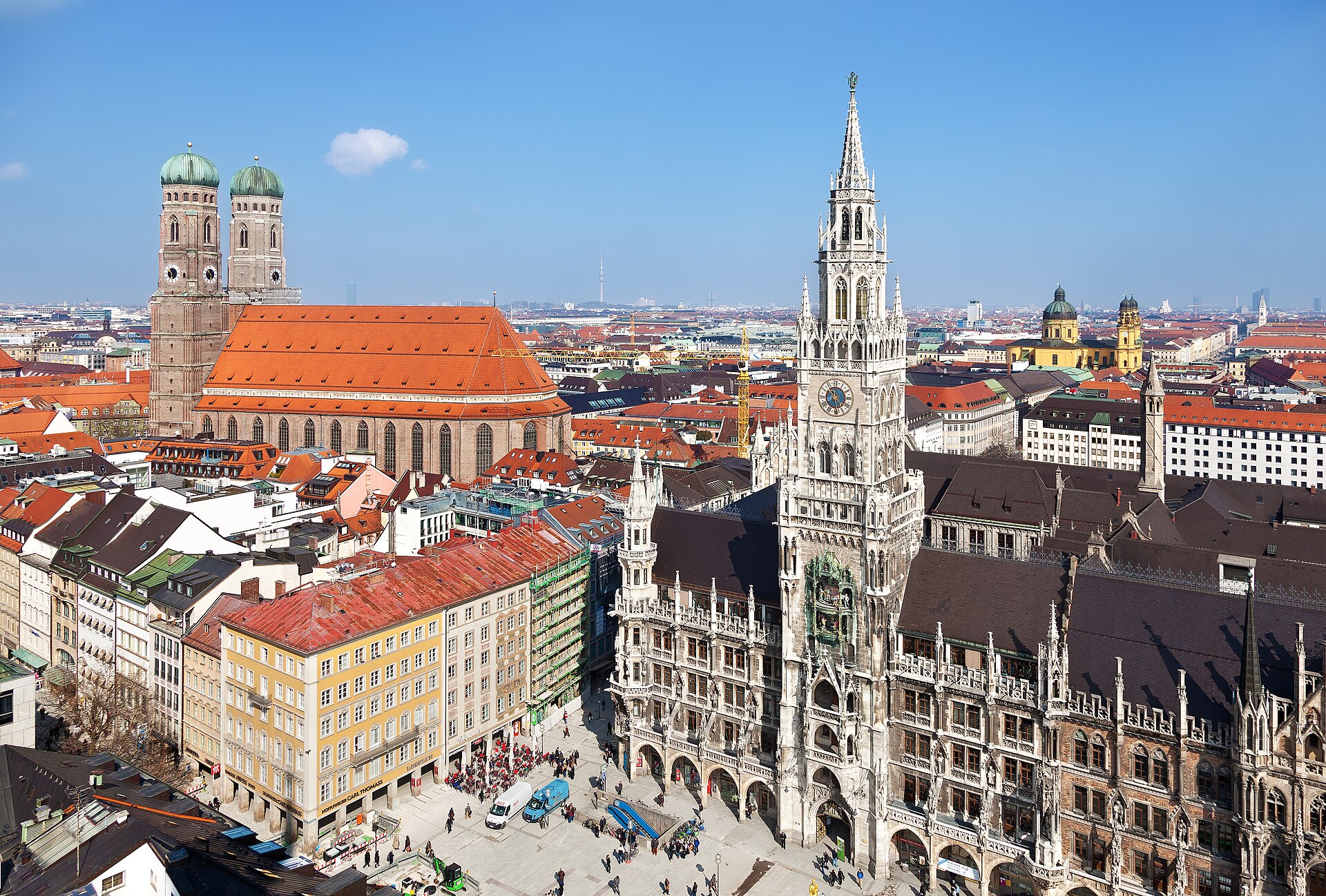
Munich's visitor core is centred on Marienplatz and the Altstadt, with the Residenz, major churches and markets within walking distance. The museum quarter lies northwest, the English Garden stretches north, and the main station stands west of the old centre. Nymphenburg Palace, Olympiapark and BMW Welt form separate outer clusters that are best reached by public transport.
Checked 2026-08-26
September · September balances a 18.8°C daily maximum with 86.3 mm precipitation in Munich, a strong early-autumn combination.
Ranked by importance — sitelinks, pageviews and heritage status, not editor preference.
53 places match
Category
Typical visit duration
Interests
Residenzmuseum und Schatzkammer
The Residence Museum and Treasury is a palace museum complex in central Munich. It occupies part of the former royal palace of the Wittelsbach dynasty, who ruled Bavaria for centuries.
Schlossmuseum
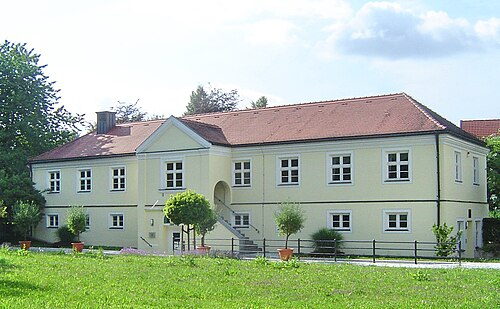
Schlossmuseum Ismaning is a castle museum in Ismaning, an independent municipality northeast of Munich. The museum occupies a historic schloss and introduces visitors to the heritage of the town and its former aristocratic setting.
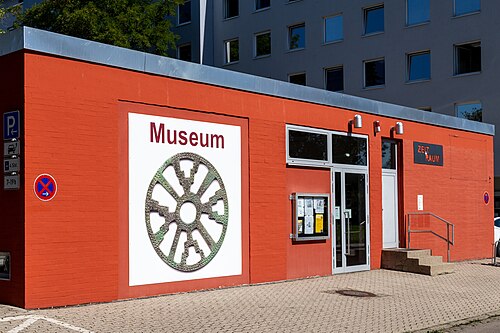
Zeit+Raum
ZEIT+RAUM Museum offers a specialised cultural experience in Munich centred on the ideas of time and space. Its subject separates it from conventional museums organised around a single historical period, artist or collection type.
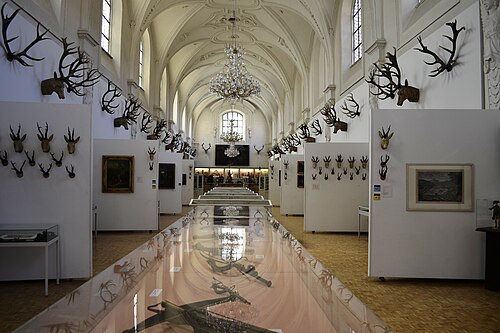
Deutsches Jagd- und Fischereimuseum is a specialised Munich museum about hunting and fishing. Its city-centre setting inside a former Augustinian church gives the visit a strong architectural character as well as an exhibition focus.
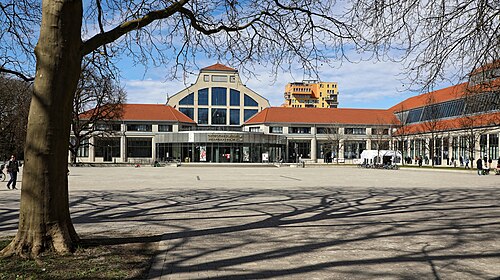
The Deutsches Museum Verkehrszentrum is a branch of the Deutsches Museum dedicated to transportation history. Located in Munich, it occupies historic exhibition halls at Theresienhöhe.
The Deutsches Skimuseum is a museum in Munich dedicated to the history and culture of skiing. It preserves and presents equipment, artifacts, and documentation relating to the development of skiing as a sport and recreational activity.
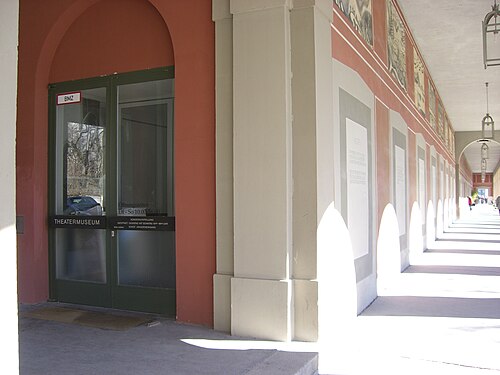
The Deutsches Theatermuseum is a museum in Munich dedicated to the history of theatre. It houses collections related to theatrical performance, including costumes, set designs, and other stage-related materials.
Erwin von Kreibig Museum is devoted to the life and artistic legacy of Erwin von Kreibig. It gives travellers a focused way to explore one figure within Munich’s wider cultural history.
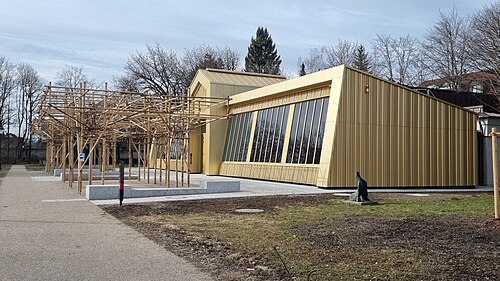
Heimatmuseum Karlsfeld is a local history museum situated in the Karlsfeld district northwest of central Munich. The museum occupies a purpose-built or adapted structure serving as a repository for regional heritage.
Kallmann-Museum is a museum in Munich, Germany, included in the city’s official tourism listings as a cultural place of visitor interest.
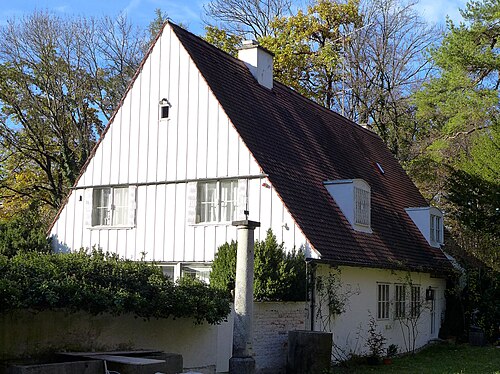
Museum Peter Gehring is a museum in Munich, Germany, listed among the city’s visitor destinations. The institution is identified by the name Peter Gehring and occupies a mapped place within Munich’s urban cultural network.
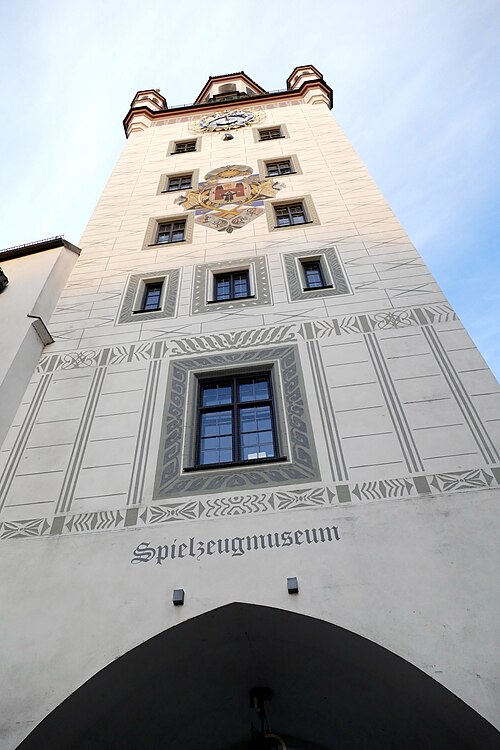
Spielzeugmuseum
Spielzeugmuseum is a toy museum located in Munich, Germany. It is housed within the Old Town Hall building at Marienplatz, placing it at the historic heart of the city.
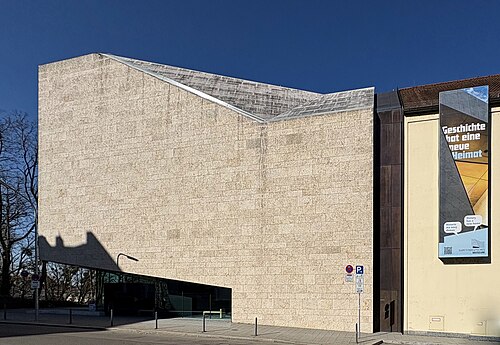
The Sudetendeutsches Museum in Munich presents the history and cultural heritage of the Sudeten Germans, an ethnic German population historically associated with Bohemia, Moravia and Silesia.
Archäologische Staatssammlung
The Bavarian State Archaeological Collection, known locally as Archäologische Staatssammlung, is a museum institution in Munich. It serves as a central archaeological repository for Bavaria, preserving and presenting material culture from prehistoric periods through early historical eras.
Sammlung Schack
The Schack Collection, known locally as Sammlung Schack, is an art museum in Munich. It ranks as a notable visitor destination within the city's cultural offerings.
Staatliche Graphische Sammlung
Staatliche Graphische Sammlung is Munich’s specialist museum for graphic art: a focused place for studying drawings, prints, and other works on paper rather than a broad survey of painting and sculpture.
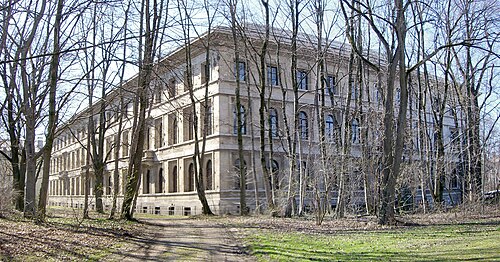
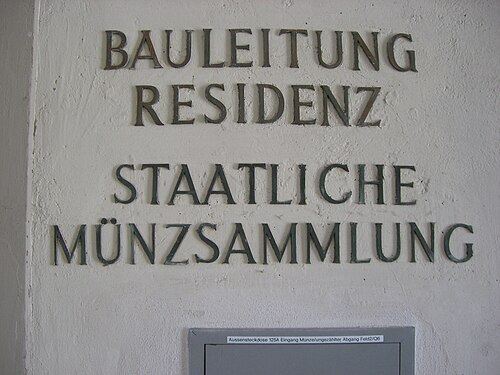
Staatliche Münzsammlung
The Staatliche Münzsammlung München is a state-administered numismatic collection in Munich. It presents the material history of money through coins, medals, banknotes, and related objects from different periods and regions.
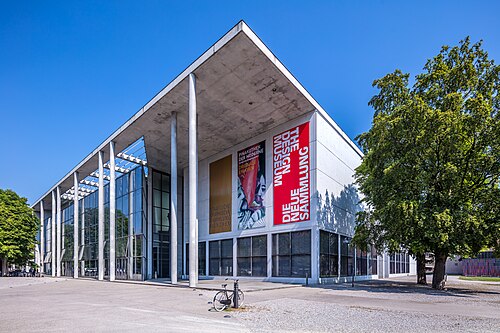
Die neue Sammlung
The New Collection, known locally as Die neue Sammlung, is a design museum located in Munich. It holds significance as one of the world's leading institutions dedicated to design and applied arts.
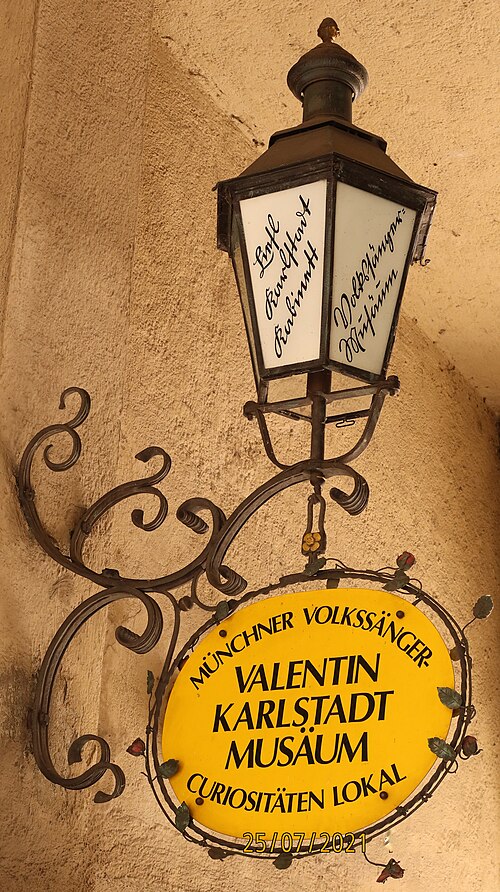
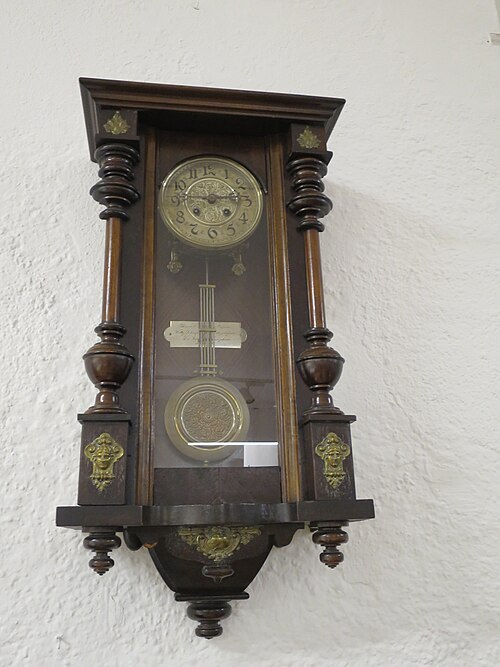
Valentin-Karlstadt-Musäum
The Valentin-Volkssänger-Musäum, locally known as the Valentin-Karlstadt-Musäum, is a museum in Munich dedicated to the Bavarian comedian and folk singer Karl Valentin and his collaborator Liesl Karlstadt.
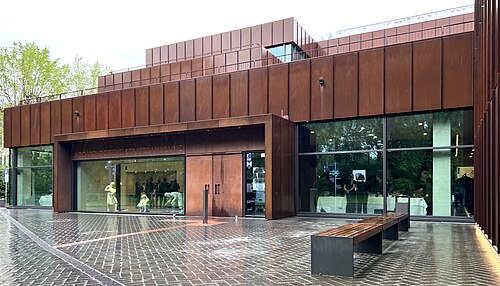
The DenkStätte Weiße Rose is a memorial and exhibition space in Munich dedicated to the White Rose resistance group. During the Nazi era, this student movement distributed leaflets calling for opposition to the regime.
Feringer Sach is a named museum in Munich for travellers who enjoy focused cultural places beyond the city’s most familiar landmark circuit. Its identity is established by the museum’s own visitor pages and Bavarian museum listings.
Kunstbau is an exhibition space in Munich dedicated to contemporary art. The venue occupies a distinctive above-ground structure that serves as a platform for modern artistic expression.
Use Marienplatz as the centre of the Altstadt. The Residenz and Odeonsplatz sit north, Viktualienmarkt lies south, and the main station is west along the central shopping axis. The Kunstareal museum district is northwest of the old town, while the English Garden runs north from the centre. Nymphenburg, Olympiapark and the BMW complex require dedicated trips beyond the compact core.
Checked 2026-08-26
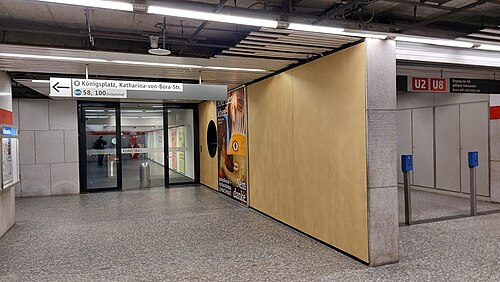
Walk inside the Altstadt and use the integrated U-Bahn, S-Bahn, tram and bus network for outer districts. Munich's official city portal describes these four modes as the public transport system, with S-Bahn connections to the airport and regional network. Tickets depend on the relevant fare zones, so confirm the destination and validity area before travel rather than relying on distance alone.
Checked 2026-08-26
A fixed duration is not recorded. Plan the Altstadt first, then add the museum quarter, English Garden and one or more outer clusters according to interest.
Yes. Marienplatz, the Residenz, Viktualienmarkt and the principal old-town churches form a compact walking area. Public transport is more efficient for Nymphenburg and Olympiapark.
Munich's integrated system includes U-Bahn, S-Bahn, trams and buses. The same network structure connects the centre with outer districts and airport S-Bahn services.
The city's official transport guide identifies S-Bahn lines S1 and S8 as airport connections. Check the required fare zones before buying or activating a ticket.
Nymphenburg Palace, Olympiapark and the BMW complex lie beyond the compact Altstadt. Group each outer area rather than returning to the centre between nearby stops.