_-_Entrance_01.jpg)
21 min walk
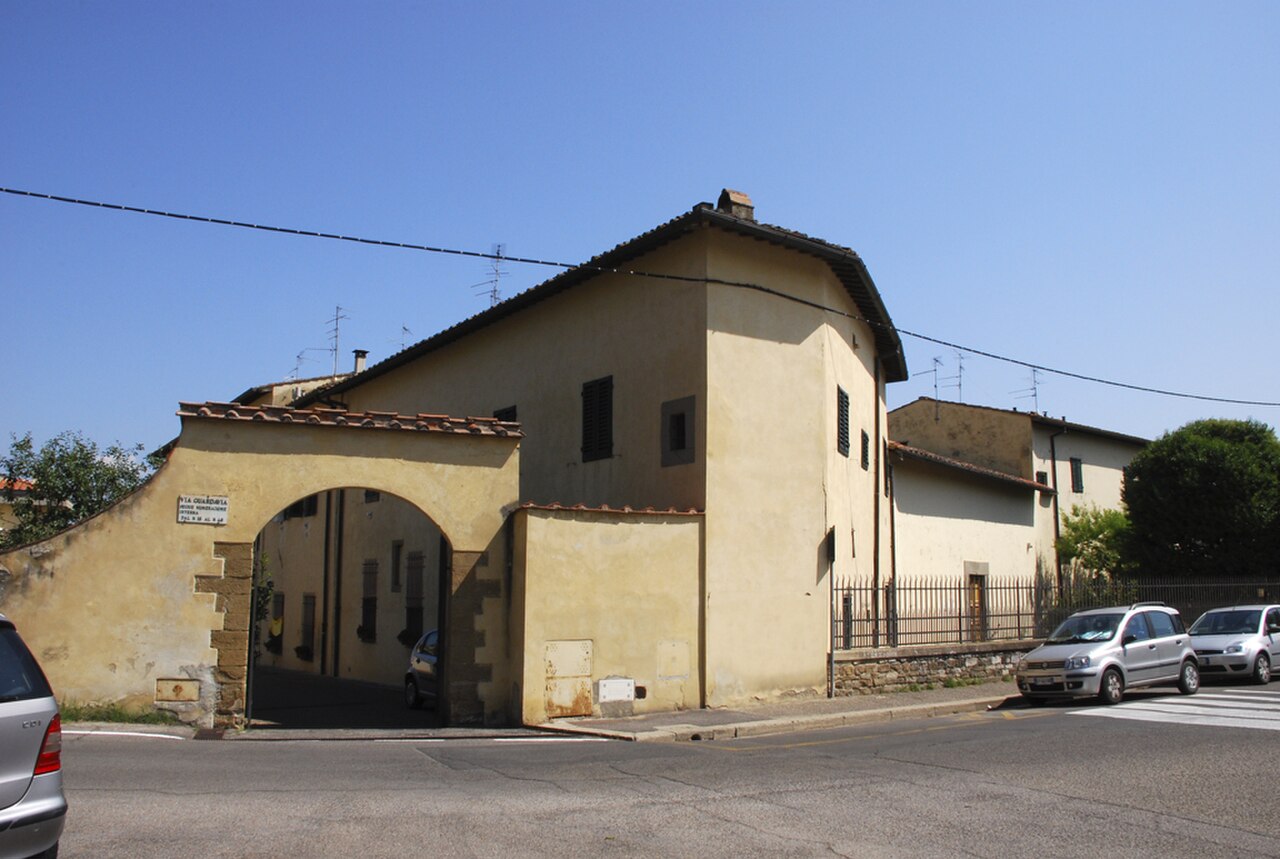
Villa Carducci di Legnaia
- High · Heritage site
- Museum
Museum · Florence
Giardino di Archimede - Un Museo per la Matematica
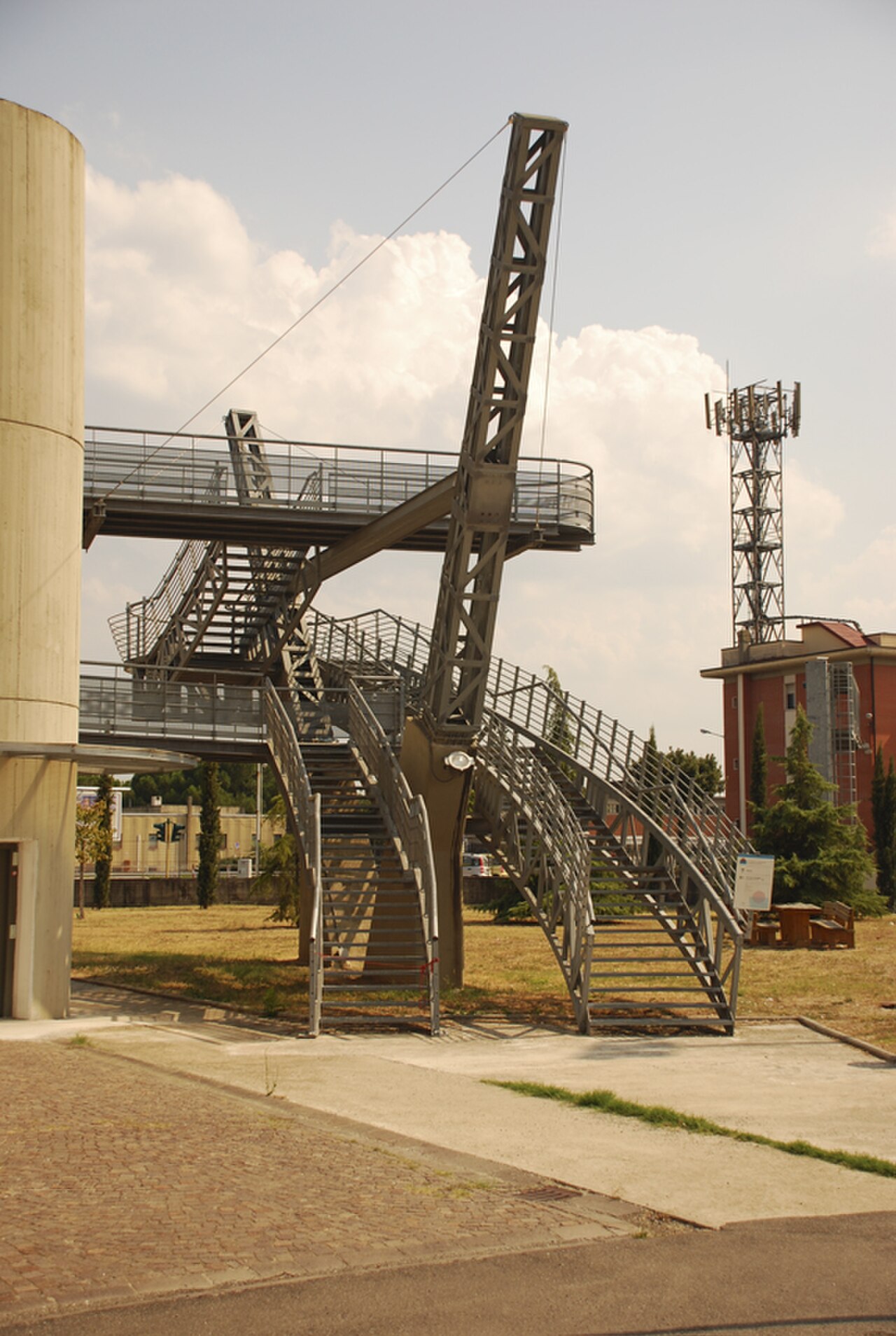
The Garden of Archimedes, or Giardino di Archimede – Un Museo per la Matematica, is a mathematics museum in Florence. Its purpose is to make mathematical ideas tangible through interactive exhibits and educational displays. The museum offers a change of pace from Florence’s famous art collections and historic architecture. Families, students, and visitors who enjoy learning through experimentation can spend time exploring mathematical principles in a hands-on cultural setting. The Garden of Archimedes, locally known as Giardino di Archimede - Un Museo per la Matematica, is a mathematics museum located in Florence, Tuscany. It serves as an interactive institution dedicated to exploring mathematical concepts through hands-on exhibits and educational displays. The museum aims to make mathematics accessible and engaging for visitors of all ages, transforming abstract theories into tangible experiences. As a cultural and educational attraction within Florence's rich heritage landscape, it offers a distinctive alternative to the city's predominant art and architecture focus, appealing particularly to families, students, and curious travelers seeking intellectual engagement. The Garden of Archimedes, or Giardino di Archimede - Un Museo per la Matematica, is a mathematics museum in Florence featuring interactive exhibits that demonstrate mathematical principles through hands-on engagement.
Checked 2026-08-26 · Source
Inside, visitors encounter interactive displays that explain mathematical relationships through physical participation. The subject matter includes geometry, topology, mathematical instruments, and the historical contribution of Archimedes. Exhibits encourage visitors to manipulate objects, test ideas, and connect abstract concepts with visible results. Explanatory materials accompany the installations. The museum is organized around clarity and participation, making it different from a collection that is viewed only from behind glass. The museum contains interactive mathematical exhibits designed to demonstrate principles through physical engagement. Visitors can explore displays covering geometry, topology, and historical mathematical instruments. The installations typically encourage manipulation and experimentation, allowing guests to discover mathematical relationships firsthand. The Garden of Archimedes emphasizes the historical contributions of ancient mathematicians, particularly Archimedes himself, connecting classical knowledge with contemporary understanding.
Checked 2026-08-26 · Source
Plan roughly one to two hours for a visit at a comfortable pace. That window allows time to handle the interactive exhibits, read explanations, and revisit displays that invite experimentation. Children may spend longer with participatory installations, while visitors with a strong interest in mathematics or scientific history may linger over the explanatory material. The museum fits naturally into a half-day plan alongside other Florence activities.
Checked 2026-08-26 · Source
An indoor mathematics museum suits a rainy or hot Florence day as well as a planned cultural visit. Morning is often a comfortable choice for visitors who want more time with hands-on displays before the day becomes busy. Weekday school groups may affect the atmosphere during academic terms. Families can benefit from visiting when children have enough energy to participate rather than simply look at exhibits. Its specialized focus supports year-round cultural planning.
Checked 2026-08-26 · Source
The museum is an admission-based cultural attraction rather than an open public square. Entry, food, and other personal purchases belong to separate parts of a Florence day. The visit’s value comes from using the exhibits: allow time to manipulate displays, read the explanations, and discuss the results with companions. Families and students may find the educational format especially rewarding because mathematical ideas are presented through direct activity.
Checked 2026-08-26 · Source
The Garden of Archimedes is part of Florence’s urban area and can be incorporated into a day using the city’s bus network or a walking route. Florence’s compact central districts make walking useful when connecting cultural stops. Private cars are inconvenient around the historic center because of restricted traffic areas. Plan the route around the museum’s location and allow extra walking time between it and central landmarks.
Checked 2026-08-26 · Source
The museum rewards participation, so visitors should handle interactive installations carefully and leave them ready for the next person. Crowding can reduce the time available at popular displays. Its educational focus may be less satisfying for travelers seeking a conventional art collection or passive sightseeing. Children benefit from patient exploration and discussion. Keep bags and loose belongings secure while using the exhibits, and leave enough space for other visitors to participate.
Checked 2026-08-26 · Source
Photographs can record the museum’s physical displays and the process of exploring them. Hands-on exhibits may be easier to understand in images when photographed together with the surrounding explanation. Avoid flash, tripods, or equipment that blocks the movement of other visitors unless staff permit them. The museum’s strongest visual interest comes from the geometry of the installations, the instruments, and the contrast between mathematical ideas and physical objects.
Checked 2026-08-26 · Source
It is a Florence mathematics museum with interactive exhibits that demonstrate mathematical principles through physical participation and educational displays.
A visit generally takes one to two hours, with extra time useful for children or visitors who want to explore the interactive displays in depth.
The exhibits cover geometry, topology, mathematical instruments, and the historical contribution of Archimedes.
Yes. The hands-on format lets children explore mathematical ideas through physical interaction rather than reading alone.
Treat it as a one- to two-hour cultural stop within a half-day plan, combined with other Florence activities reached by walking or public transport.
Its displays ask visitors to experiment with mathematical ideas and instruments, offering an activity-led experience rather than a primarily visual art collection.
Loading the interactive map…
The interactive map could not be loaded.
Last updated:
Source: OpenStreetMap contributors, Wikidata ·