2 min walk
Crypta Balbi
- Must see · Heritage site
- Historic monument
Language · 11 published
Historic monument · Rome
Ghetto ebraico
Editorial responsibility: Elena Voss · Roavina Travel Editor
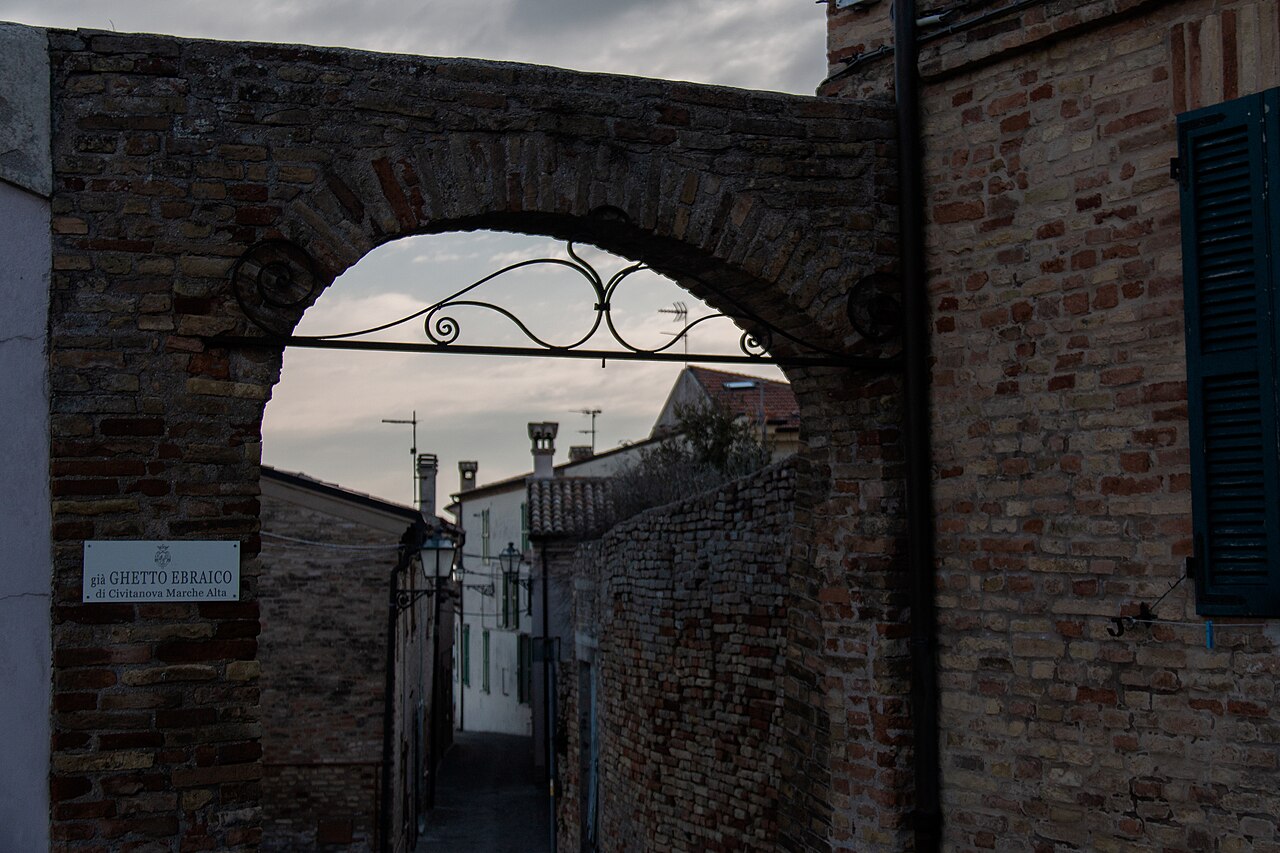
This place is a Memorial.
The Roman Jewish Ghetto is a historic district in Rome's Rione Sant'Angelo, established in 1555 by papal decree. It served as a compulsory residential area for the city's Jewish population until 1870. The neighborhood retains its distinctive character with narrow streets, traditional kosher restaurants, and the prominent Synagogue of Rome. The area stands as a significant site of Jewish heritage and resilience, with a continuous Jewish presence spanning over two millennia in Rome, making it one of Europe's oldest Jewish communities still active today.
Checked 2026-08-26
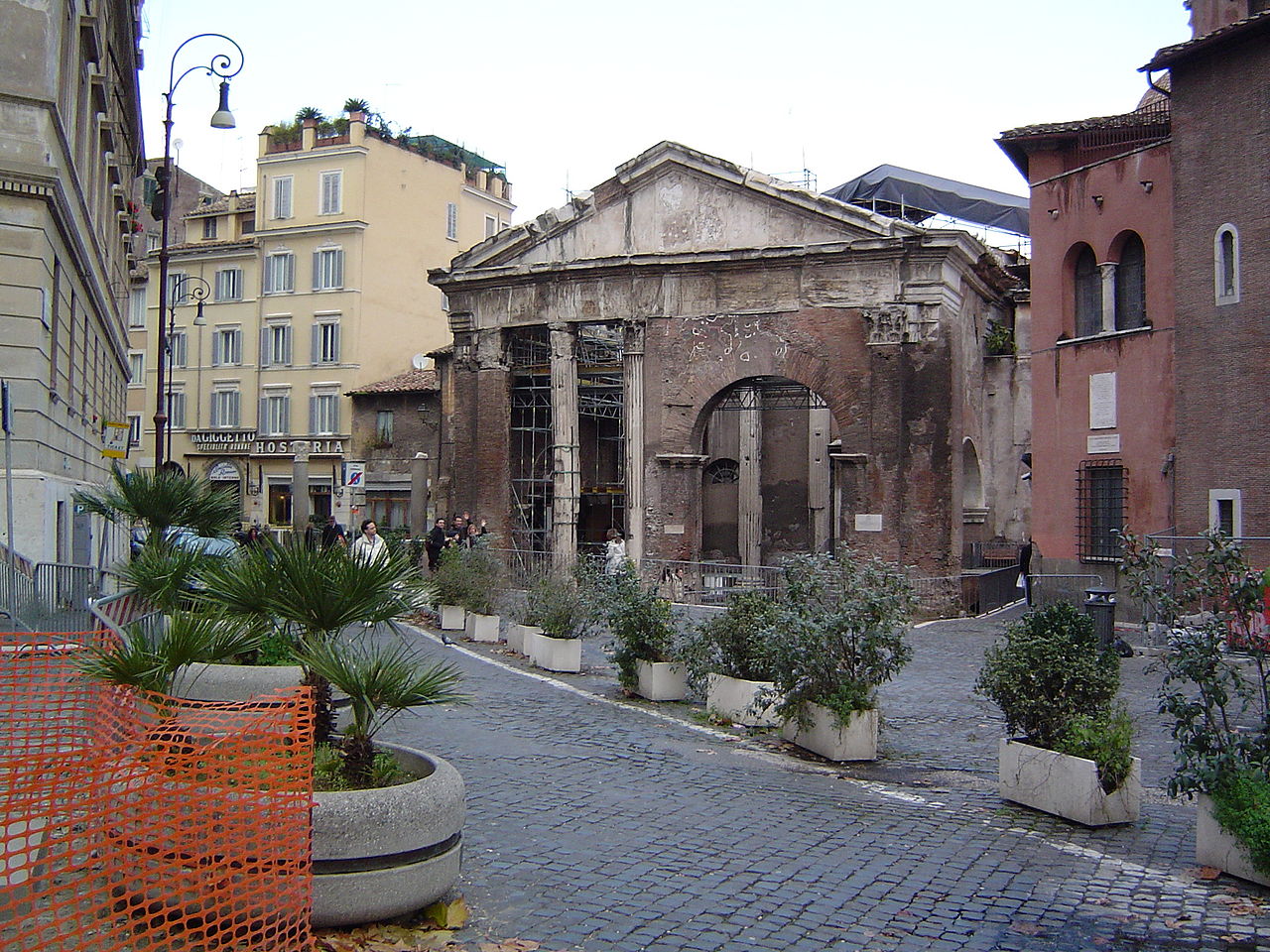
The district contains the Great Synagogue of Rome, completed in 1904, with its distinctive square dome visible from various points. The Jewish Museum of Rome occupies part of the synagogue complex, displaying ritual objects and documenting community history. Kosher restaurants and bakeries line the main thoroughfare, particularly along Via del Portico d'Ottavia. Ancient Roman ruins, including the Portico of Octavia and the Theatre of Marcellus, border the ghetto. Small piazzas and narrow medieval streets preserve the area's dense historical layout, while commemorative plaques mark locations of past persecution and deportation.
Checked 2026-08-26
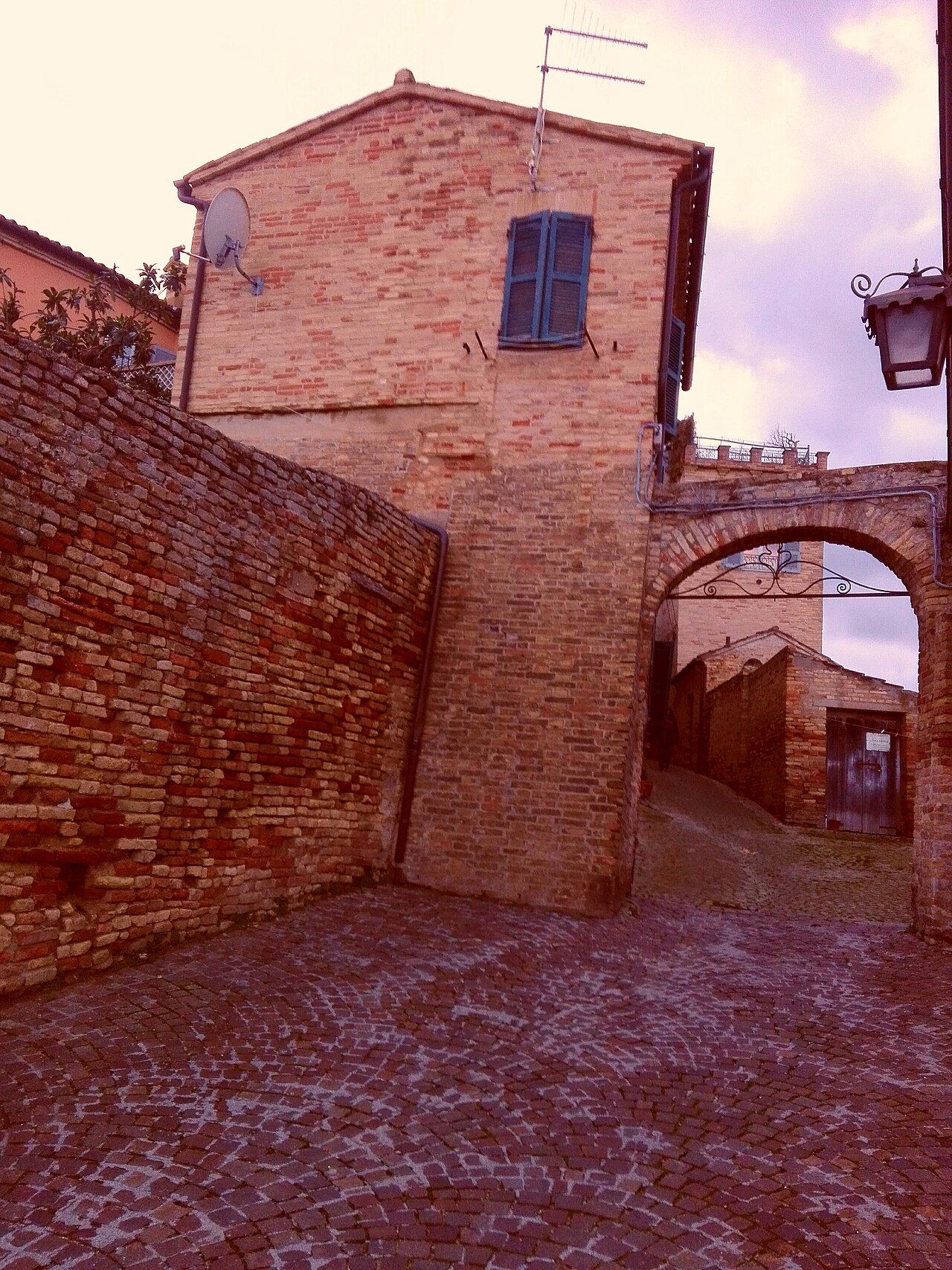
Visitors typically spend two to three hours exploring the Roman Jewish Ghetto, though dedicated history enthusiasts may extend this duration. The compact nature of the district allows for efficient walking coverage. A visit combining the synagogue and museum requires additional time for security procedures and interior exploration. Many travelers integrate the ghetto into broader itineraries including the nearby Campo de' Fiori, Piazza Navona, or Tiber Island. The area rewards unhurried pacing, particularly for those seeking to observe architectural details, read historical markers, or dine at established establishments serving traditional Roman-Jewish cuisine.
Checked 2026-08-26

The Roman Jewish Ghetto can be visited throughout the year as a public neighborhood. The district experiences increased foot traffic during major Jewish holidays when some businesses may modify operations. Summer months bring higher tourist volumes and heat. Evening hours offer atmospheric lighting on ancient ruins and reduced crowding. Shabbat observance affects Friday evening and Saturday operations for religious sites and kosher establishments. Visitors should verify current access conditions before planning specific timing for interior visits. Check the operator's own site for the travel date before relying on a schedule or fare.
Checked 2026-08-26
The Roman Jewish Ghetto as a public district requires no admission fee for street-level exploration. Some visitors may encounter costs for guided tours, food purchases, or specific cultural events. Security screening is mandatory for synagogue entry. Photography permissions inside religious buildings may involve separate considerations. Visitors should carry valid identification for security protocols. Budget planning should account for meal costs at kosher restaurants, which may differ from standard Roman dining prices due to specialized preparation requirements and certification standards. Check the operator's own site for the travel date before relying on a schedule or fare.
Checked 2026-08-26
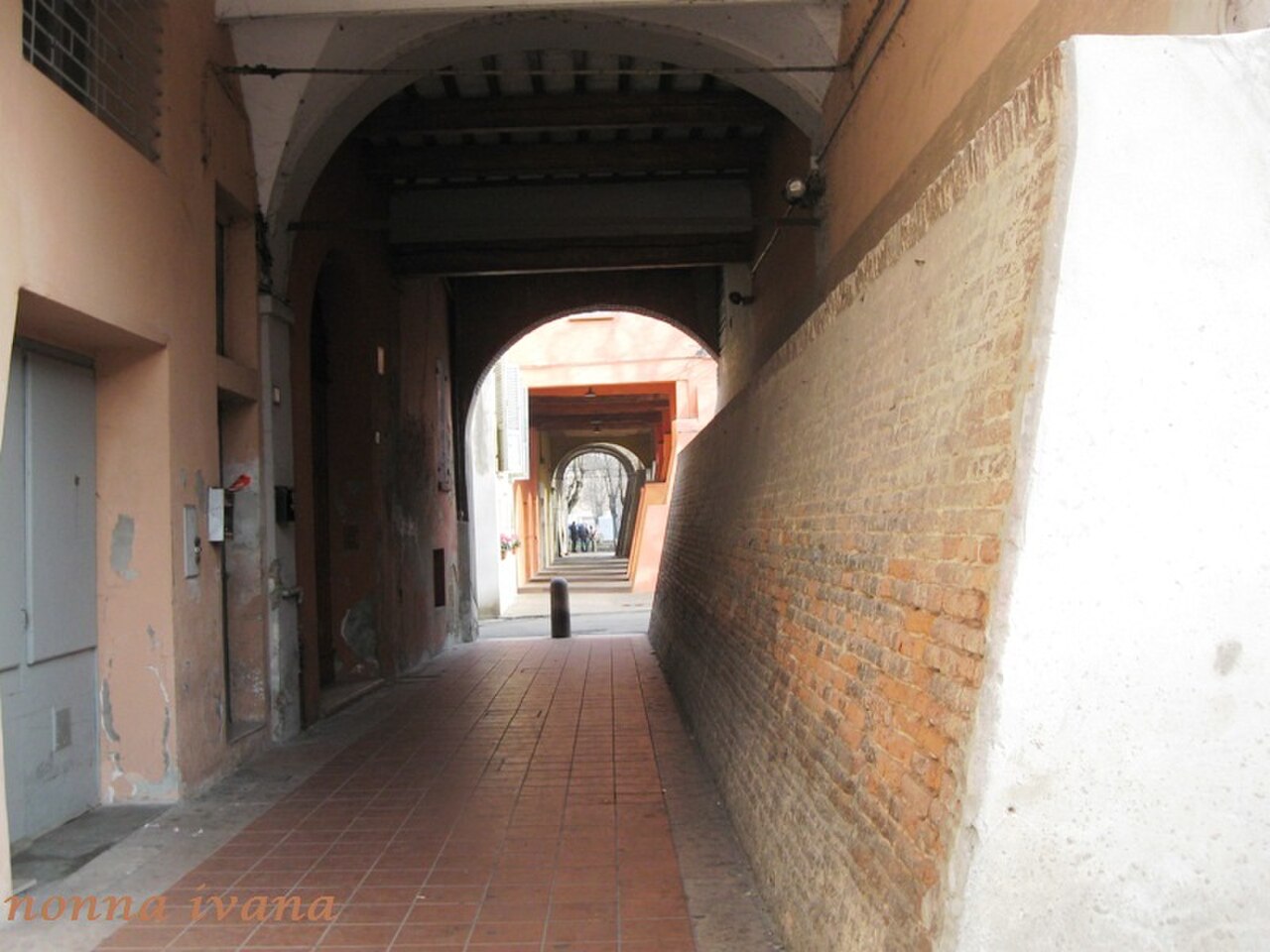
The Roman Jewish Ghetto sits centrally between the Tiber River and the Capitoline Hill. Multiple bus routes serve surrounding streets, with stops requiring short walks. The nearest metro stations are not immediately adjacent, necessitating additional walking or bus connections. The area is highly walkable from major landmarks including the Pantheon, Piazza Venezia, and Trastevere across the Tiber Island bridge. Cycling presents challenges due to narrow streets and pedestrian priority zones. Taxis and ride services can access peripheral points. Visitors should expect cobblestone surfaces and limited accessibility accommodations in the historic street network.
Checked 2026-08-26
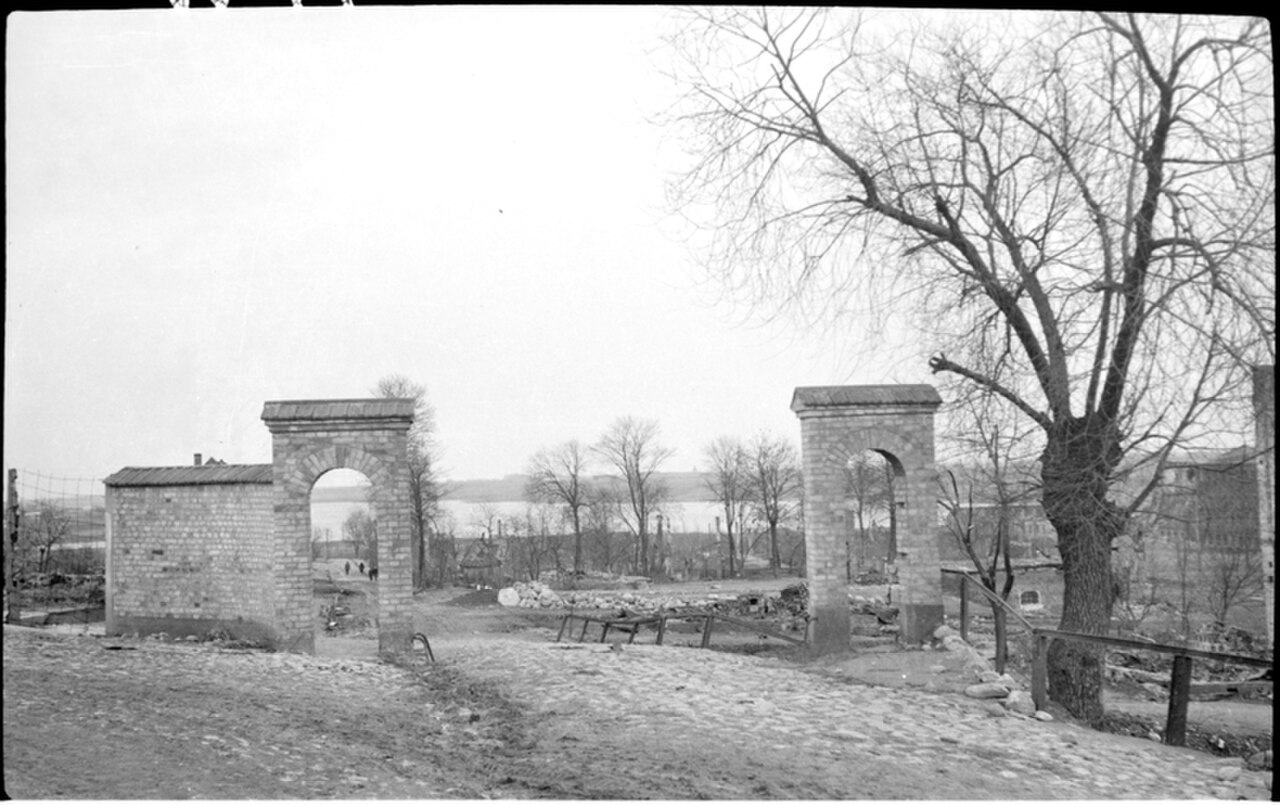
Visitors should exercise respectful conduct near the synagogue and during religious observances, dressing modestly for interior visits. The area's narrow streets accommodate vehicle traffic alongside pedestrians, requiring situational awareness. Kosher dietary laws govern restaurant operations; visitors should not assume standard Italian menu flexibility. Street vendors and tour operators may approach tourists near major junctions. Evening lighting on ancient ruins creates visibility challenges on uneven paving. Some establishments close for Shabbat from Friday sundown through Saturday evening. Security presence is visible around the synagogue complex; compliance with bag checks and identification requests is expected without exception.
Checked 2026-08-26
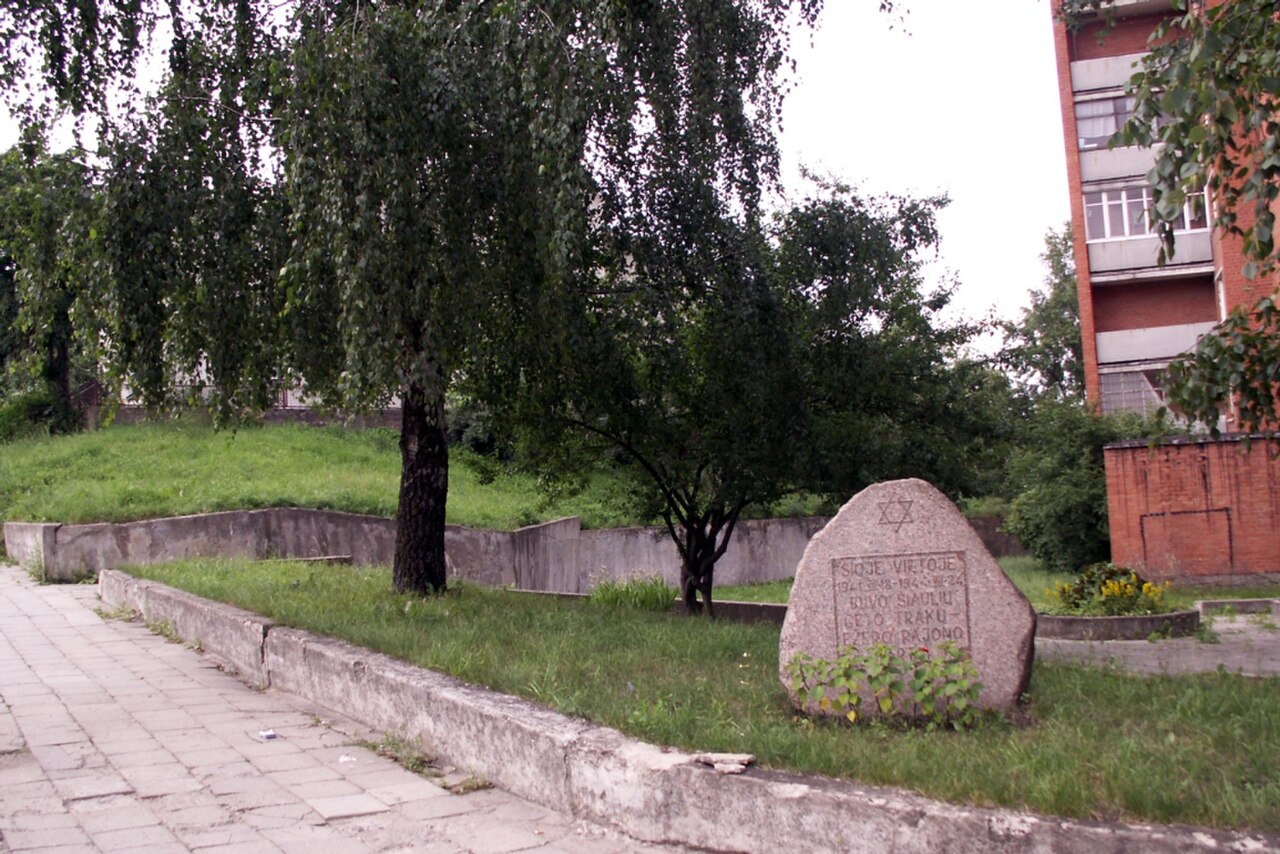
The Roman Jewish Ghetto offers distinctive photographic subjects including the synagogue's aluminum dome, ancient Roman ruins, and atmospheric narrow streets. Exterior photography of the neighborhood is generally unrestricted in public spaces. The synagogue and museum maintain specific policies regarding interior photography that visitors must verify on-site. Respectful distance from worshippers and private religious activities is essential. Evening captures of the Theatre of Marcellus and Portico of Octavia benefit from strategic positioning. Tripod use may attract security attention in sensitive areas. The juxtaposition of ancient, medieval, and modern elements provides compositional variety for documentary and artistic purposes alike.
Checked 2026-08-26
Yes, the area maintains an active Jewish community with residents, religious institutions, and businesses operating alongside tourism functions.
The Synagogue of Rome permits visitor access with security screening, though specific tour schedules and requirements should be verified directly with operators.
This distinctive culinary tradition includes fried artichokes (carciofi alla giudia), salt cod preparations, and other dishes developed within the constraints of kosher law and historical ghetto conditions.
Yes, commemorative plaques and markers document the deportation of Roman Jews in 1943, with specific locations marked throughout the district.
The area preserves unique urban density, specific religious and dietary infrastructure, layered archaeological remains, and documented history of enforced segregation distinguishing it from surrounding districts.
Visitor policies including timing and reservation requirements should be confirmed directly with the synagogue or Jewish Museum of Rome prior to arrival.
Loading the interactive map…
The interactive map could not be loaded.
Last updated:
Source: OpenStreetMap contributors ·