2 min walk
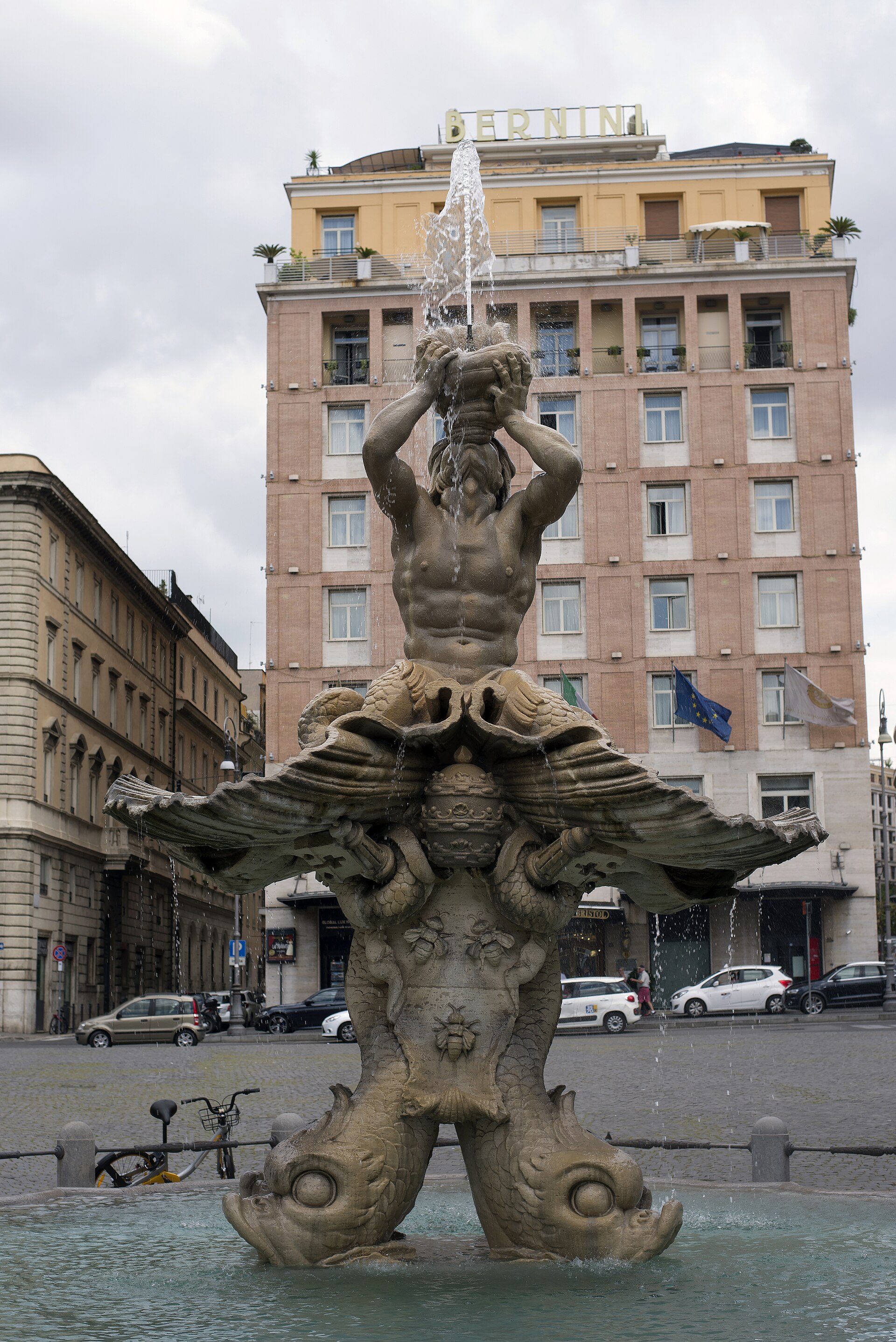
Fontana del Tritone
- Notable
- Activity
Language · 11 published
Activity · Rome
Reviewed by Elena Voss · Roavina Travel Editor
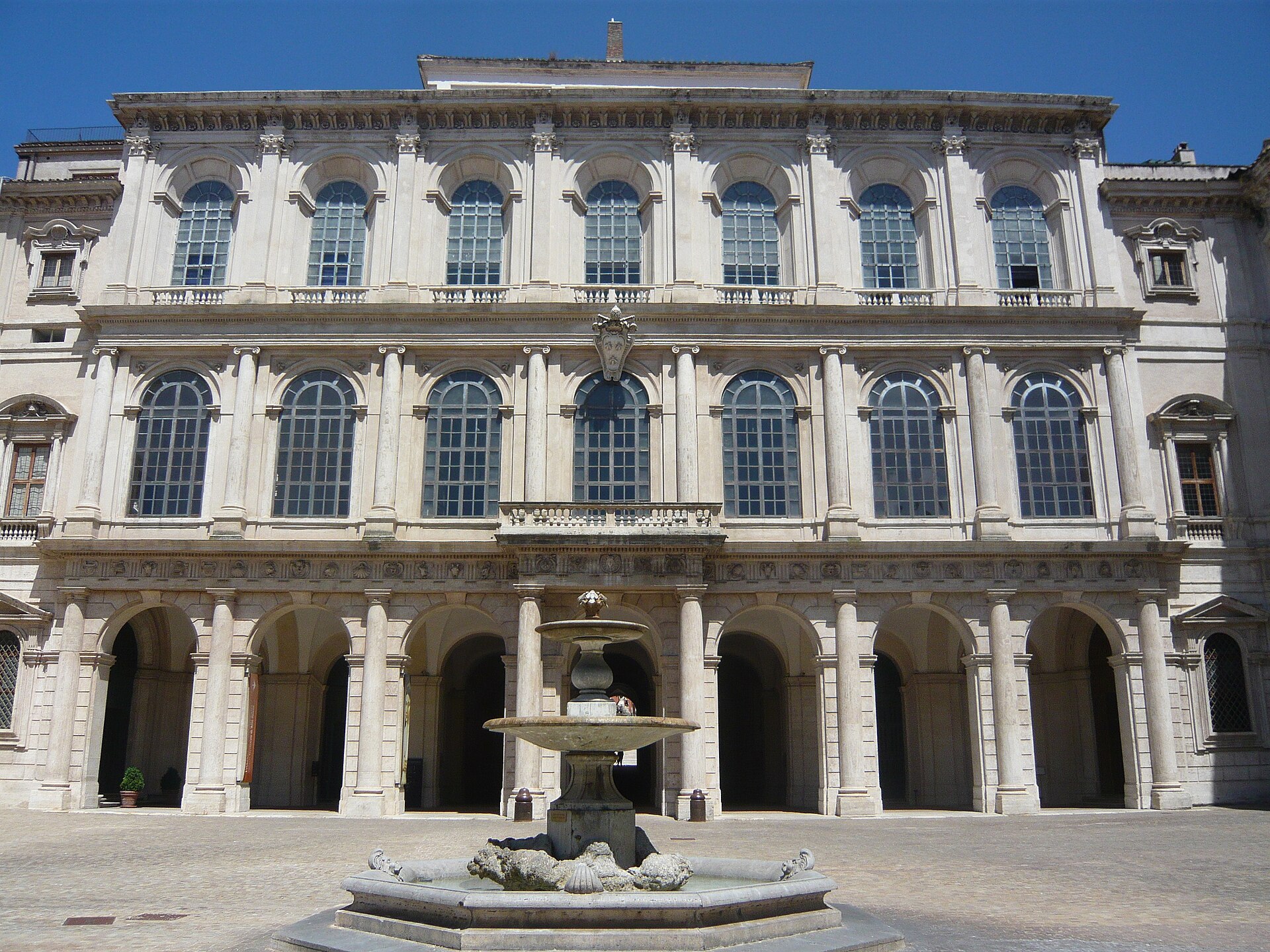
It was established in 1627. It was built in the baroque architecture style. It was designed by Carlo Maderno. It carries the Italian national heritage heritage designation.
Palazzo Barberini is a prominent palace in Rome, Italy, constructed in the 17th century for the Barberini family. The building exemplifies Roman Baroque architecture and now serves as one of the capital's significant cultural institutions. It houses the Galleria Nazionale d'Arte Antica, a major national art collection. The palace stands on the Quirinal Hill, occupying a commanding position in the urban landscape. Its construction involved leading architects of the period, reflecting the ambition and taste of its papal patrons.
Checked 2026-08-26
The palace contains important collections of paintings, sculptures, and decorative arts spanning several centuries. Visitors encounter works by renowned Italian and European masters within elaborately decorated interiors. The building itself features notable architectural elements including a grand staircase and a famous ceiling fresco. The gardens, though reduced from their original extent, contribute to the overall experience. The integration of art, architecture, and historical setting makes the interior visit substantial. Specific works on display may vary according to curatorial rotation and loan arrangements.
Checked 2026-08-26
A thorough visit to Palazzo Barberini typically requires between ninety minutes and two hours for visitors with general interest in art and history. Those with specialized knowledge or particular research interests may wish to allocate additional time. The duration depends on crowd levels, temporary exhibition presence, and individual pacing through galleries. Audio guides or detailed reading of labels extend the visit. The palace's scale permits meaningful engagement without overwhelming fatigue. Visitors should assess their own stamina and interests when planning scheduling within a broader Rome itinerary.
Checked 2026-08-26
Visitors should consult official sources before planning attendance. Rome experiences substantial tourist influx during spring and autumn months, suggesting potential crowding at major institutions. Summer brings heat that may affect comfort in non-climatized historic buildings. Winter offers reduced visitor numbers but shorter daylight hours. Morning arrival generally provides calmer conditions at popular sites. Weekends and Italian public holidays typically attract increased domestic visitation. Advance verification of operational status remains essential regardless of season, as museums may close for maintenance or special events without extensive notice. Check the operator's own site for the travel date before relying on a schedule or fare.
Checked 2026-08-26
Admission policies for national museums in Italy vary according to residency status, age categories, and professional affiliations. Some visitors may qualify for reduced or complimentary entry under Italian cultural heritage regulations. Temporary exhibitions sometimes require separate ticketing arrangements. Online reservation systems may apply during high-demand periods. Visitors should verify current fee structures and booking requirements through official channels before arrival. Family or group arrangements may be available. Budget-conscious travelers should investigate combination tickets with affiliated institutions if such programs exist. Check the operator's own site for the travel date before relying on a schedule or fare.
Checked 2026-08-26
Palazzo Barberini occupies a central Rome location accessible by multiple transport modes. The Barberini metro station on Line A provides nearby underground connection. Numerous bus routes serve the surrounding area. Walking from major landmarks including the Trevi Fountain or the Spanish Steps is feasible for able visitors, though the Quirinal Hill terrain involves elevation change. Taxis and ride services operate in the zone. Visitors with mobility considerations should research specific access provisions, as historic building adaptation varies. Street parking is extremely limited in this dense central district, discouraging private vehicle use.
Checked 2026-08-26
Security screening applies at entry to this national museum. Bag size restrictions may operate. The historic building contains staircases that may challenge visitors with limited mobility; lift availability should be verified in advance. Climate control in heritage structures is typically moderate rather than comprehensive. Pickpocket awareness applies in surrounding busy tourist areas. Photography policies vary by gallery and specific artwork loan conditions; signage indicates restrictions. Visitors should respect barrier placements protecting artworks and architectural features. Staff instructions regarding proximity to exhibits require compliance. Water and refreshment facilities may be limited within the palace proper.
Checked 2026-08-26
Photography policies within Palazzo Barberini are subject to specific institutional regulations that visitors must observe. Flash photography is typically prohibited to protect light-sensitive artworks. Tripods and selfie sticks are generally restricted in museum environments due to space and safety considerations. Some galleries or individual works on loan may carry absolute photography bans indicated by signage. Commercial or professional photography requires prior authorization. Visitors should verify current rules upon entry as policies may be updated. Respect for fellow viewers and artwork preservation takes precedence over image capture. Alternative documentation through purchased catalogues may be offered.
Checked 2026-08-26
Palazzo Barberini houses one of the two locations of the Galleria Nazionale d'Arte Antica. The other location is Palazzo Corsini. The collections are distributed between these sites.
The palace retains garden areas, though these have been reduced from their original Baroque extent. Access provisions should be verified with current operational information.
Historic buildings present inherent accessibility challenges. Visitors requiring specific accommodations should contact the institution directly in advance to confirm available provisions.
Ticketing arrangements including on-site purchase, online reservation, or timed entry should be confirmed through official sources, as policies may change according to demand and regulations.
Educational programming including guided tours may be offered. Availability, languages, and scheduling require verification with the institution directly or through official communication channels.
Palazzo Barberini operates under Italian state administration as a national museum, distinct from Vatican City collections. The Barberini family included Pope Urban VIII, creating historical connections, but institutional governance remains separate.
Loading the interactive map…
The interactive map could not be loaded.
Last updated:
Source: OpenStreetMap contributors, Wikidata ·