3 min walk
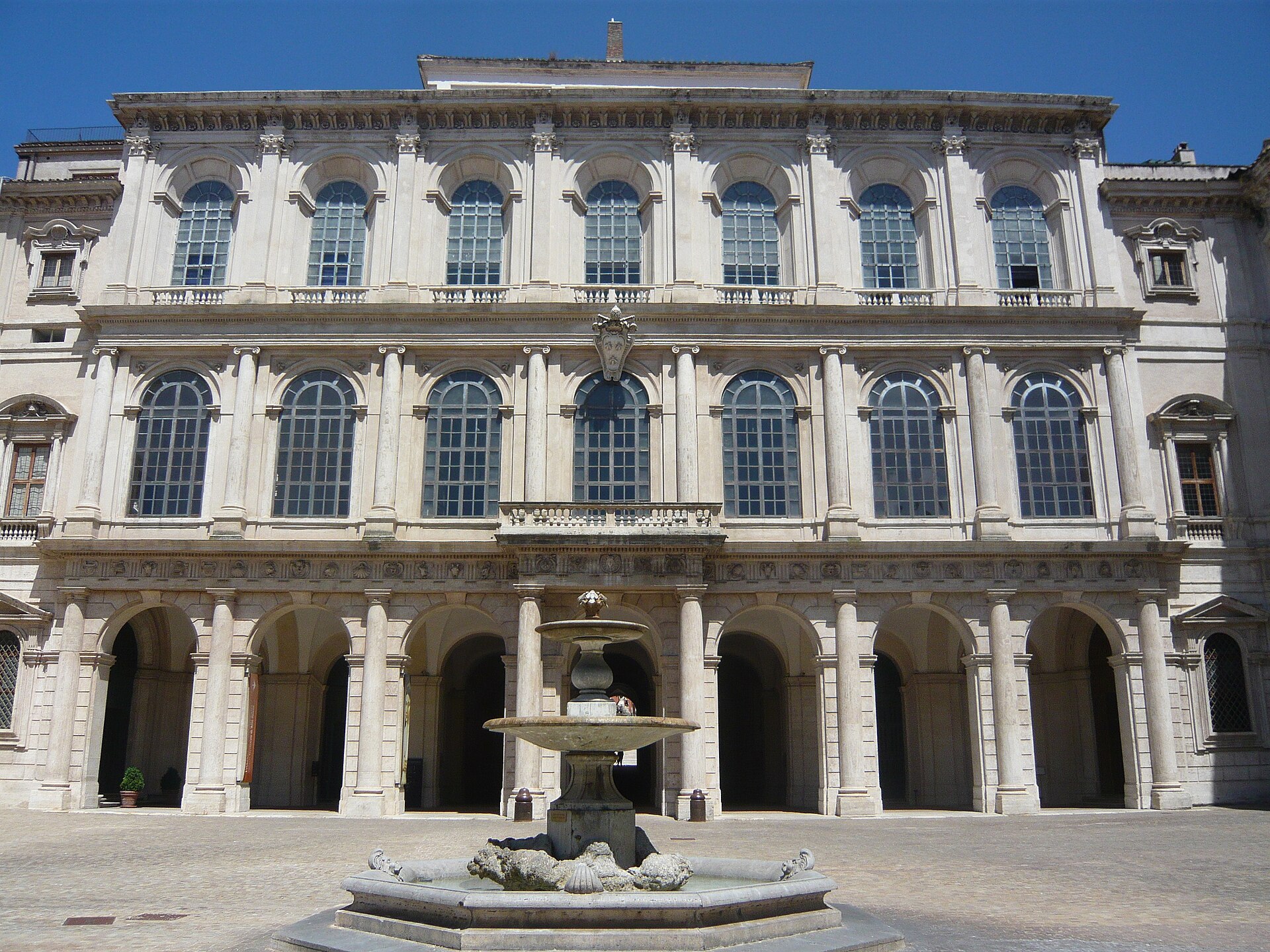
Galleria Nazionale d'Arte Antica
- Must see · Heritage site
- Museum
Language · 11 published
Historic monument · Rome
Reviewed by Elena Voss · Roavina Travel Editor
This place is a Attraction. It opened in 1588. It was built in the baroque architecture style. It carries the Italian national heritage heritage designation.
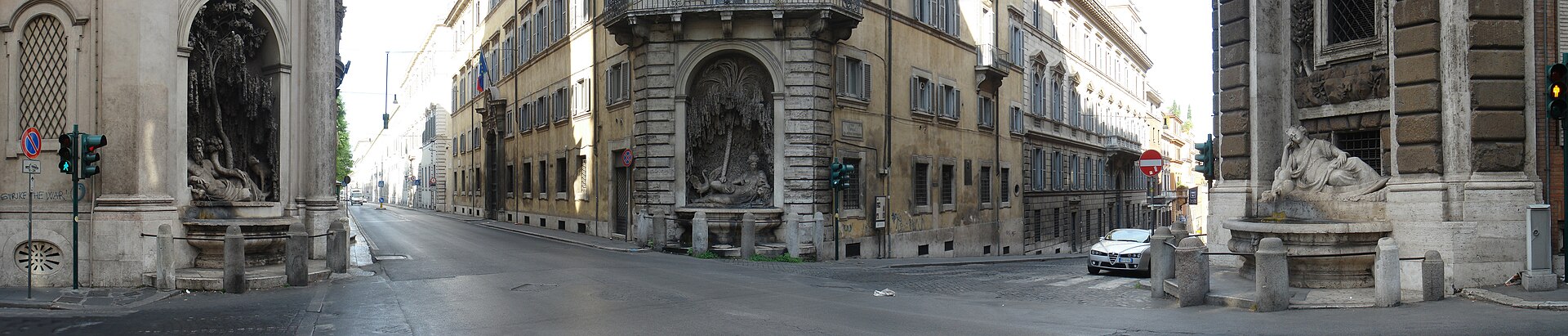
Quattro Fontane is a Baroque ensemble of four fountains at a street intersection in Rome, Italy. Commissioned by Pope Sixtus V in the late sixteenth century, the fountains stand at the corners where Via delle Quattro Fontane and Via del Quirinale meet. Each fountain features a distinct sculptural figure representing the River Tiber, the River Arno, the goddess Diana, and the goddess Juno. The site exemplifies the urban planning ambitions of the Counter-Reformation papacy. Quattro Fontane is best treated as a distinct stop rather than a generic example of its category. Focus on the setting, surviving features and visitor route visible on arrival.
Checked 2026-08-28
The four fountains occupy the four corners of the intersection, each set within a niche-like architectural frame against the surrounding buildings. The figures are carved in stone and water flows into simple basins below. The Tiber fountain carries the she-wolf symbol of Rome. The Arno bears a lion, referencing Florence. Diana carries her bow and hunting dog. Juno holds her sacred peacock. The ensemble creates an unusual outdoor gallery experience for pedestrians navigating the crossing. The useful pace at Quattro Fontane depends on personal interest and conditions on the day. Keep the surrounding part of the itinerary flexible if access or visitor flow differs from expectations.
Checked 2026-08-28
A visit to Quattro Fontane requires minimal time commitment. Most visitors pause for five to fifteen minutes to observe all four fountains from various angles at the intersection. The site functions as a thoroughfare rather than a destination for extended stays. Travellers often incorporate it into walking routes connecting the nearby Barberini quarter, Trevi district, or Quirinal Hill. Photography and brief appreciation constitute the typical visitor engagement. No queues or entry procedures delay passage. A flexible visit to Quattro Fontane leaves room to adjust for access conditions without relying on unverified schedules, prices or closure assumptions. Confirm practical details with the operator when available.
Checked 2026-08-28
The fountains occupy a public street intersection and remain visible at all hours. The site experiences typical Roman street patterns: morning commuter traffic, midday pedestrian density, and evening relative calm. Summer afternoons bring intense sun exposure with limited shade at the crossing. Night illumination depends on adjacent street lighting and building lights. Seasonal considerations follow general Rome tourism patterns without specific venue constraints. Visitors should exercise standard urban awareness after dark. Check the operator's own site for the travel date before relying on a schedule or fare.
Checked 2026-08-28
Quattro Fontane stands in unrestricted public space. No admission fee applies. No ticketing infrastructure exists. The fountains function as civic street furniture integrated into the urban fabric. Visitors require no reservations, guided tour bookings, or special access arrangements. Standard Rome parking regulations and any applicable zonal restrictions apply to vehicles in the surrounding streets. The public nature of the site precludes membership schemes, combination tickets, or advance purchase requirements. Check the operator's own site for the travel date before relying on a schedule or fare.
Checked 2026-08-28
The site lies in Rome's historic centre near Barberini and Repubblica metro stations on Line A. Multiple bus routes serve adjacent streets. Walking connections extend to Trevi Fountain, the Quirinal Palace, and Via Nazionale. The intersection itself offers limited pedestrian refuge; visitors must navigate active vehicle traffic when crossing between fountain corners. Street-level access presents no architectural barriers, though cobblestone surfaces and curb heights require mobility consideration. No dedicated visitor facilities, signage, or information points mark the location specifically.
Checked 2026-08-28
Traffic poses the primary hazard. Vehicles traverse the intersection continuously; pedestrians should not assume right-of-way. The fountain corners lack protective barriers, placing visitors close to moving traffic when photographing. Water flow varies and may cease during maintenance periods without notice. Stone surfaces become slippery when wet. No staff or security presence monitors the site. Pickpocketing risk follows general Rome urban awareness guidelines. The exposed intersection offers minimal shelter from sun, rain, or extreme temperatures. Night visibility depends on variable street lighting quality.
Checked 2026-08-28
Photography rules are Not recorded pending review. The street-level, open-air setting permits unobstructed views from multiple angles. Best perspectives require standing in the roadway or at traffic islands, demanding caution. Morning light illuminates the eastern fountains; afternoon favours the western pair. Wide-angle lenses accommodate the tight intersection geometry. Tripod deployment in active traffic lanes presents obvious safety concerns. Night photography depends on available ambient light without dedicated monument illumination confirmed. Drone operation would require compliance with Italian aviation regulations and urban restrictions not verified here.
Checked 2026-08-28
No. The fountains occupy a public street intersection with no admission charge or controlled access.
Check the operator's own site for the travel date before relying on a schedule or fare.
Barberini and Repubblica metro stations on Line A serve the area, with multiple bus routes on adjacent streets.
Water flow may vary or cease during maintenance periods without advance notice; no operator confirmation of guaranteed operation is recorded.
Street-level access exists, though cobblestone surfaces, curb heights, and active traffic at the intersection present navigational considerations.
Most visitors spend five to fifteen minutes observing the four fountains, typically incorporating the stop into a broader walking route.
Loading the interactive map…
The interactive map could not be loaded.
Last updated:
Source: OpenStreetMap contributors, Wikidata ·