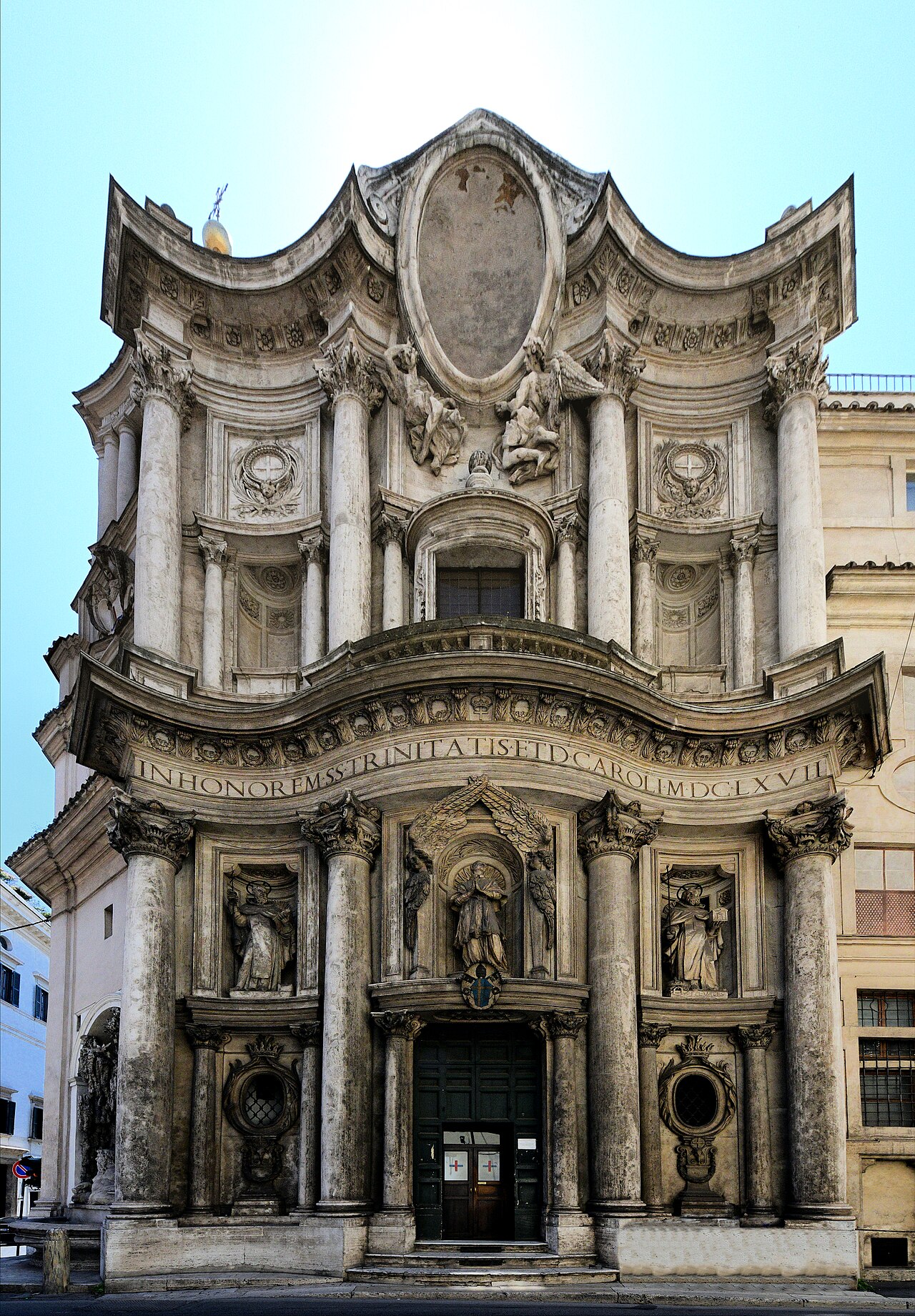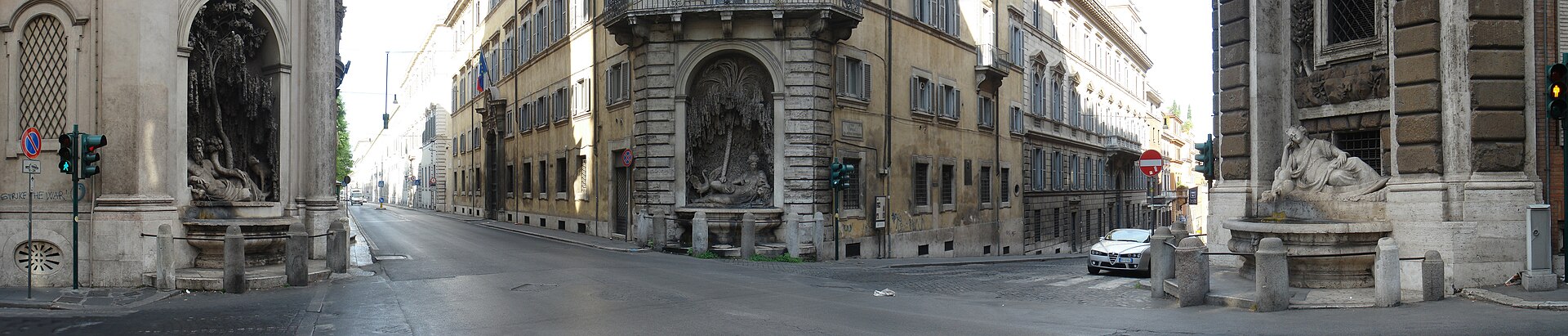
2 min walk
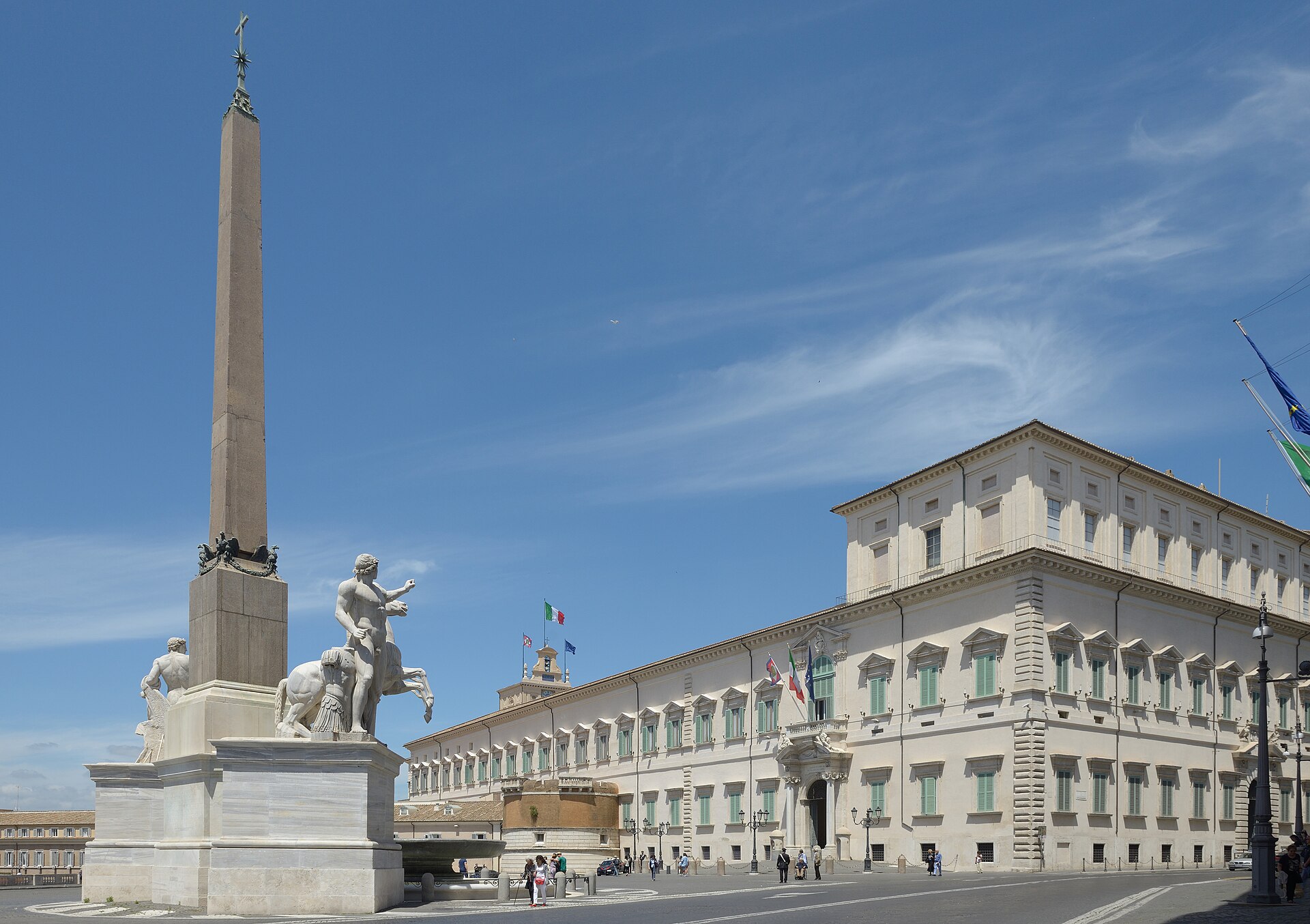
Quirinal Palace
- Must see · Heritage site
- Historic monument
Historic monument · Rome
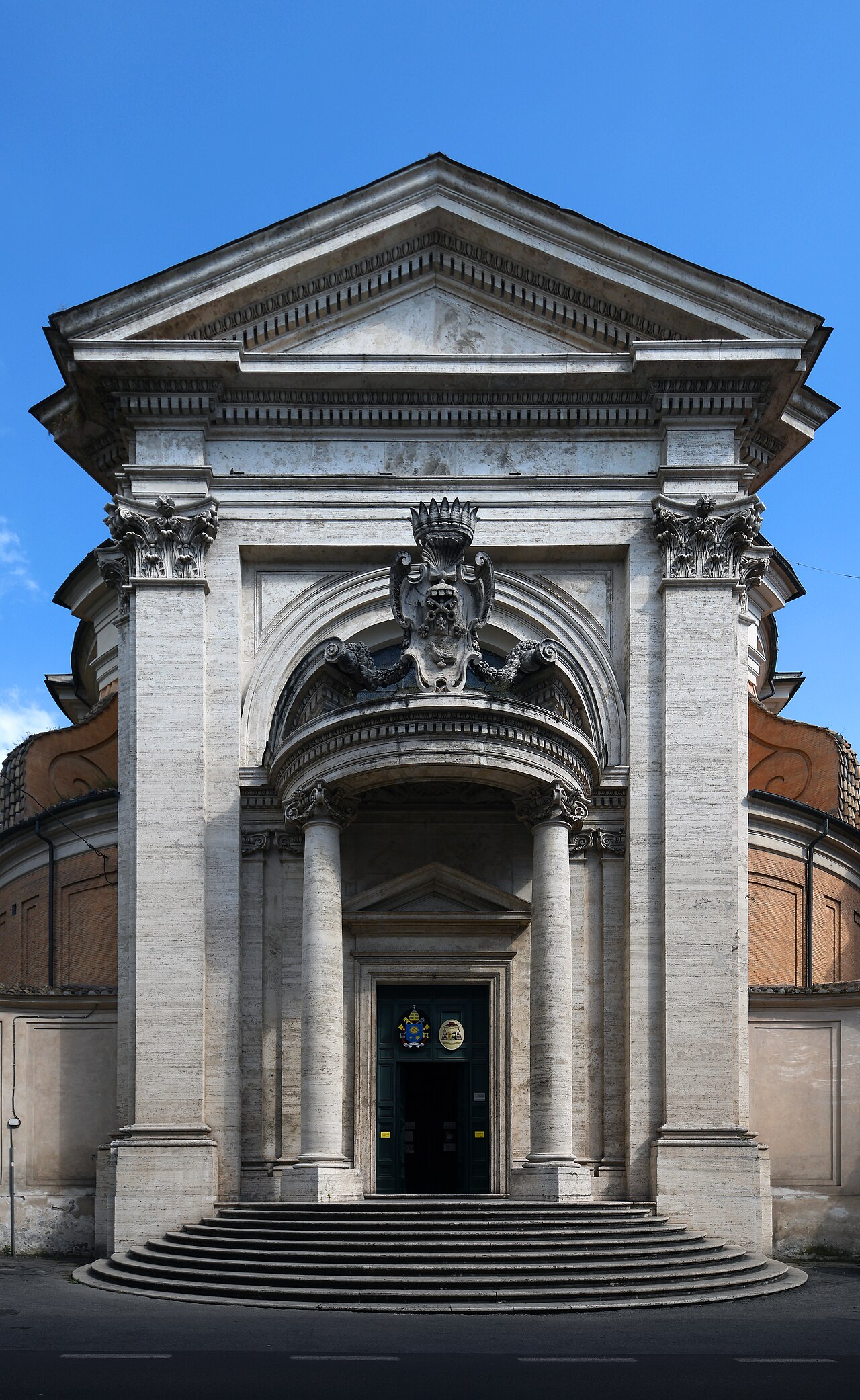
Chiesa di Sant'Andrea al Quirinale
| Monday | Closed |
|---|---|
| Tuesday | 09:00 – 18:00 |
| Wednesday | 09:00 – 18:00 |
| Thursday | 09:00 – 18:00 |
| Friday | 09:00 – 18:00 |
| Saturday | 09:00 – 18:00 |
| Sunday | 09:00 – 18:00 |
Closed to visitors between 12:00 – 15:00
Parsed from OpenStreetMap opening hours on 2026-09-09.
Sant'Andrea al Quirinale is a Jesuit church on Rome’s Quirinal Hill, designed by Gian Lorenzo Bernini and completed in the late seventeenth century. Dedicated to Saint Andrew the Apostle, it is one of Bernini’s most accomplished religious buildings. The church is compact, but its oval plan creates a dramatic sequence of spaces, making it an excellent stop for travellers interested in Baroque architecture, sculpture, theatrical light and the way a small building can produce a powerful sense of movement. Sant'Andrea al Quirinale is a Jesuit church located on the Quirinal Hill in Rome. Designed by Gian Lorenzo Bernini, it was completed in the late seventeenth century and is considered one of the architect's most accomplished works. The church is dedicated to Saint Andrew the Apostle and serves as a significant example of Baroque ecclesiastical architecture. Its oval plan and dramatic interior spatial composition demonstrate Bernini's mastery of theatrical religious design within a compact urban site. A flexible visit lets travellers connect Sant'Andrea al Quirinale with the rest of the day without treating one room, viewpoint or photograph as the whole experience. The useful pace depends on personal interest and conditions on arrival. No. These are distinct churches in Rome. Sant'Andrea al Quirinale is Bernini's oval-plan church on the Quirinal Hill. Sant'Andrea delle Fratte is a different church located near the Spanish Steps, also with significant artistic associations but separate history and architecture.
Checked 2026-08-26 · Source
The interior combines polychrome marble, gilded stucco, sculpture and devotional imagery in a unified Baroque composition. The principal altar includes a sculptural group representing the martyrdom of Saint Andrew. Concealed windows illuminate the dome and create the changing light effects that shape the visitor’s impression of the space. Side chapels add further altars and decoration. Look first at the overall oval design, then return to the details of marble, stucco, sculpture and light. The interior features rich polychrome marble decoration, gilded stucco work, and a prominent altar with a sculptural group depicting the martyrdom of Saint Andrew.
Checked 2026-08-26 · Source
A focused visit usually takes about twenty to forty minutes. That is enough time to understand the oval plan, view the altar sculpture, examine the dome and notice how the concealed windows shape the interior atmosphere. Travellers studying Bernini, Jesuit history or Roman Baroque design may stay longer. Its compact scale makes Sant’Andrea al Quirinale easy to include between larger Quirinal Hill landmarks without taking over the day.
Checked 2026-08-26 · Source
Morning or late afternoon can provide a quieter setting for appreciating the church’s proportions and light. The Quirinal Hill location works well in a walking route through Rome’s historic centre, especially when combined with the Quirinal Palace area, Via Nazionale or the Trevi Fountain. Because this is an active church, religious functions can affect visitor access. Plan the stop with enough flexibility to enjoy the interior silently and respectfully.
Checked 2026-08-26 · Source
Sant’Andrea al Quirinale functions as a church rather than a conventional museum. The visitor’s reward is Bernini’s integrated architecture, altar sculpture, marble decoration and controlled light. Donations or arrangements connected with religious or cultural activities can form part of access, but no price is supplied here. Carrying a small amount of cash can be useful around historic churches, while the main practical consideration is fitting the visit around worship and the compact interior.
Checked 2026-08-26 · Source
The church is on the Quirinal Hill near Via del Quirinale and Via Milano. Buses serve nearby thoroughfares, while visitors walking from the Trevi Fountain or Via Nazionale encounter an uphill approach. The Quirinal Palace is a useful landmark in the area. The entrance is modest compared with Rome’s monumental basilicas, so look carefully along the street frontage. Shoes with good grip help on the city’s uneven historic pavements.
Checked 2026-08-26 · Source
Remember that Sant’Andrea al Quirinale is an active place of worship. Wear respectful clothing, keep voices low and give priority to services or private religious activity. The compact interior can feel crowded, while steps and uneven historic flooring may challenge visitors with limited mobility. Keep valuables secure and avoid bringing unnecessary luggage. Follow any notices about access and photography, especially when the church is being used for worship rather than sightseeing.
Checked 2026-08-26 · Source
The oval interior, altar sculpture, gilded surfaces and dome light create memorable photographic subjects. Photograph quietly and avoid interfering with worshippers or ceremonies. Flash, tripods and commercial equipment may be restricted in a working church, so follow the visible rules and staff directions. Even without extensive photography, take time to look from the entrance toward the altar: Bernini’s design is best understood as a carefully staged movement of space, ornament and illumination.
Checked 2026-08-26 · Source
Gian Lorenzo Bernini designed the church. Its oval plan, integrated decoration and dramatic use of light are central to its Baroque character.
The interior combines an oval plan with polychrome marble, gilded stucco, altar sculpture, side chapels and concealed dome windows that create striking light effects.
Allow approximately twenty to forty minutes for the main architectural, sculptural and decorative features. Visitors studying Bernini or Jesuit history may stay longer.
The church stands on Rome’s Quirinal Hill near Via del Quirinale and Via Milano, close to the Quirinal Palace area and within walking range of the Trevi Fountain.
No. They are separate Roman churches. Sant’Andrea al Quirinale is Bernini’s oval-plan church on the Quirinal Hill, while Sant’Andrea delle Fratte is a different building near the Spanish Steps.
It is an active Jesuit church, so respectful clothing, quiet behaviour and attention to services are important. The compact space and historic steps also reward a careful, unhurried visit.
Loading the interactive map…
The interactive map could not be loaded.
Last updated:
Source: OpenStreetMap contributors, Wikidata ·