2 min walk
Piazza Farnese
- Must see
- Activity
Language · 11 published
Activity · Rome
Reviewed by Elena Voss · Roavina Travel Editor
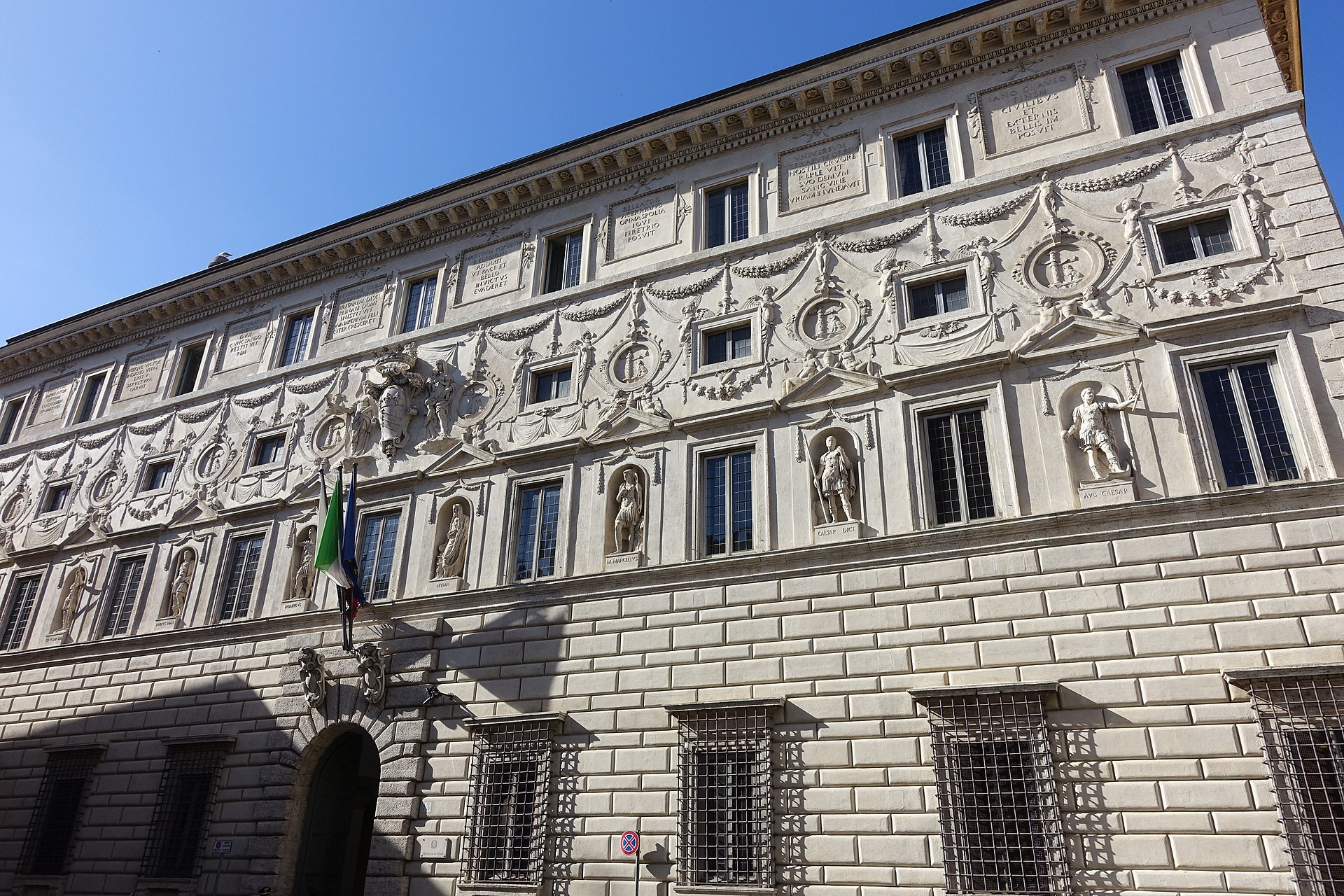
It opened in 1548. It was built in the Baroque style. It was designed by Francesco Borromini. It carries the Italian national heritage heritage designation.
Palazzo Spada is a historic palace in Rome’s Regola district, close to Campo de’ Fiori and Piazza Farnese. The building contains the Galleria Spada, a compact art museum formed from the collection of Cardinal Bernardino Spada and his family. Its signature feature is Francesco Borromini’s perspective gallery, an ingenious Baroque architectural illusion. Palazzo Spada rewards visitors who enjoy a concentrated museum experience: a small palace, a focused collection and one celebrated spatial trick fit naturally into a day exploring central Rome on foot. Palazzo Spada is a historic palace in Rome, situated in the Regola district near Campo de' Fiori. The building houses the Galleria Spada, an art collection assembled by Cardinal Bernardino Spada and his family in the seventeenth century. The names refer to closely related entities. Palazzo Spada is the historic palace building, while Galleria Spada denotes the art collection and museum housed within it. Visitors typically experience both together.
Checked 2026-08-26 · Source
The Galleria Spada presents paintings from the sixteenth and seventeenth centuries, including works attributed to Titian and Guido Reni. The perspective gallery is the visual centrepiece: diminishing columns, a rising floor and a narrowing passage create the impression of a much longer corridor. The palace also preserves decorated rooms, historic furnishings, staircases and a courtyard that place the paintings within a lived architectural setting. Move slowly between the collection and the corridor, because the museum’s appeal comes from the connection between art, patronage and theatrical Baroque space.
Checked 2026-08-26 · Source
Plan roughly one to two hours for Palazzo Spada. A shorter visit can cover the principal paintings and the perspective gallery, while a slower visit gives more time to examine the collection and the palace interiors. The museum’s compact scale makes it an excellent addition to a walking day rather than a destination requiring a separate full-day commitment. Combine it with Campo de’ Fiori, Piazza Farnese and the streets toward Piazza Navona for a coherent route through Rome’s historic centre.
Checked 2026-08-26 · Source
An indoor museum visit works well in both hot summer weather and cooler or rainy periods. Morning is a comfortable choice if you want to experience the perspective gallery with a calmer rhythm before combining the palace with nearby squares. The Regola district becomes lively as the day progresses, especially around Campo de’ Fiori. Palazzo Spada is particularly useful in an itinerary built around central Rome because it can be reached between larger landmarks without a long transfer. Allow extra time for the surrounding streets if you enjoy architecture.
Checked 2026-08-26 · Source
Palazzo Spada is visited as the home of the Galleria Spada, so admission relates to the museum collection and interior rooms rather than the exterior palace façade. Ticket categories and entry arrangements belong to the gallery visit. The most useful planning decision is to treat the palace as a focused museum stop of one to two hours, then continue through the surrounding historic district. If you are organising a tightly timed day, place this visit alongside nearby sites because its compact scale leaves room for additional walking.
Checked 2026-08-26 · Source
Palazzo Spada is well suited to a walking route through central Rome. It lies near Campo de’ Fiori and Piazza Farnese, and Piazza Navona is also within walking distance through the narrow historic streets. Buses serve the wider centre, while no metro station sits directly beside the palace. Private cars are inconvenient because the centro storico has restricted traffic and limited easy stopping points. Wear comfortable shoes for cobbles and allow your map app time to guide you through the irregular street pattern.
Checked 2026-08-26 · Source
Borromini’s perspective gallery is a carefully controlled optical effect, so the viewing position matters. Follow barriers and staff directions, and do not lean into the corridor or attempt to cross restricted areas. Historic stairs, floors and compact rooms can make the visit less comfortable for some visitors. The surrounding district is busy, particularly near Campo de’ Fiori, so keep valuables secure while walking. Give yourself time to pause in the palace rooms rather than treating the famous corridor as the only reason to enter.
Checked 2026-08-26 · Source
The perspective gallery is the natural photographic subject, but its illusion is strongest from the designated viewing point. Frame the receding columns symmetrically and include the small figure or sculpture at the far end to show the scale distortion. In the painting rooms, protect the collection by avoiding flash and follow any posted restrictions. The compact interiors can make tripods awkward, while nearby streets offer additional architectural compositions around the palace façade and the connected squares of Regola.
Checked 2026-08-26 · Source
Palazzo Spada is the historic palace, while Galleria Spada is the art museum and collection housed within the palace.
Diminishing columns, a rising floor and a narrowing corridor create the illusion of a much longer passage than the gallery actually is.
Most visitors can experience the collection, palace rooms and perspective gallery in roughly one to two hours.
The collection includes paintings from the sixteenth and seventeenth centuries, including works attributed to Titian and Guido Reni.
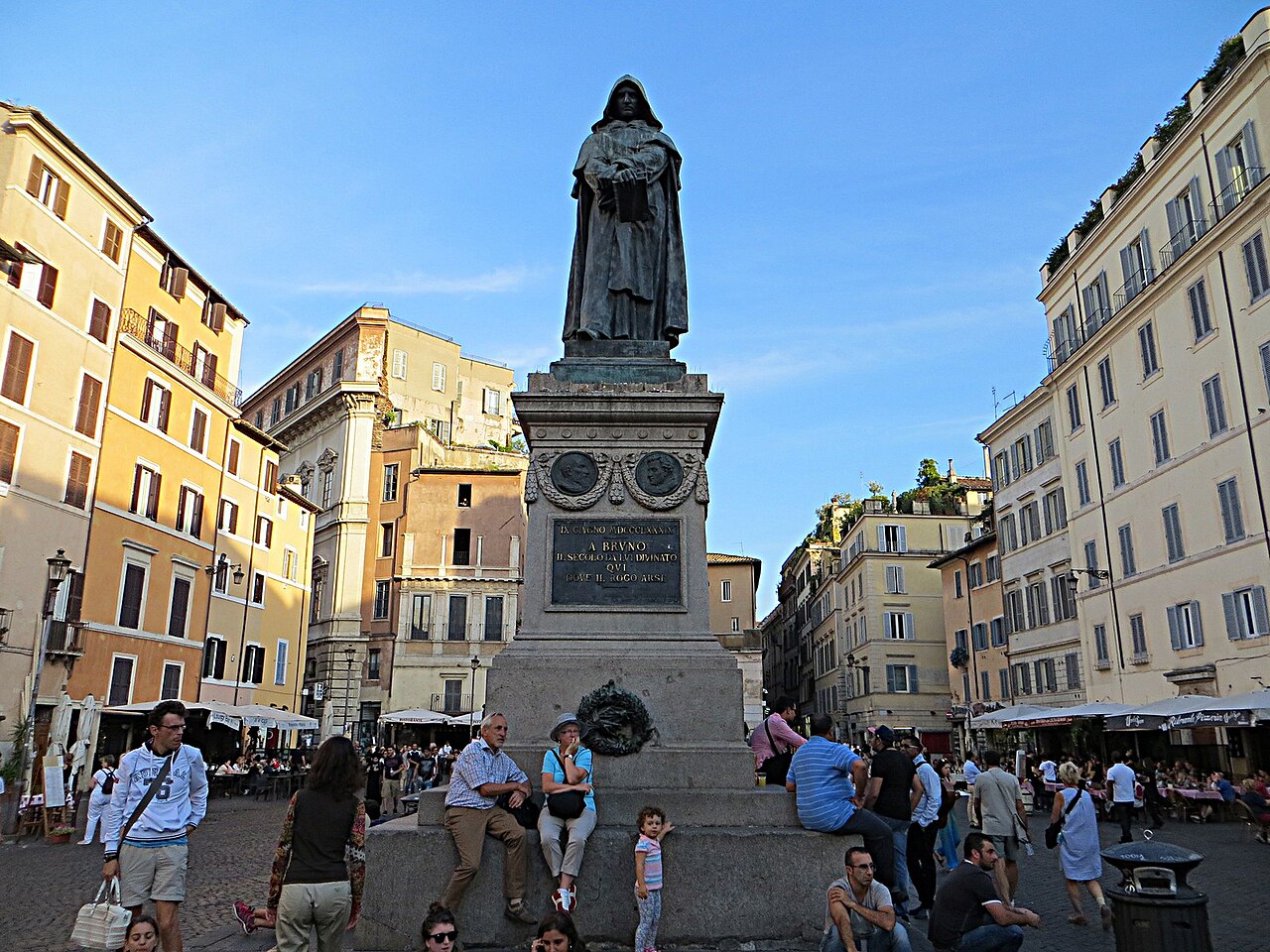
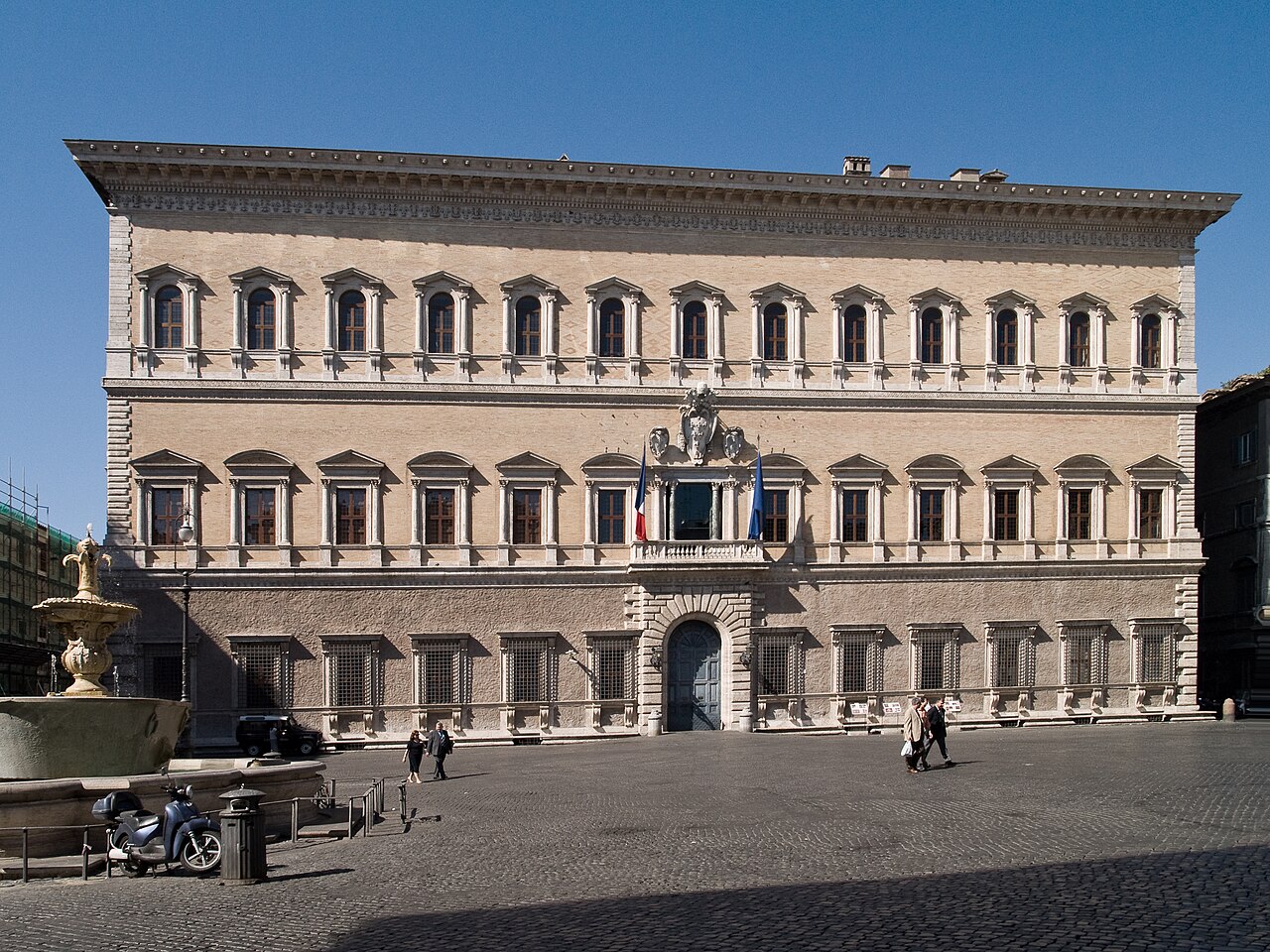
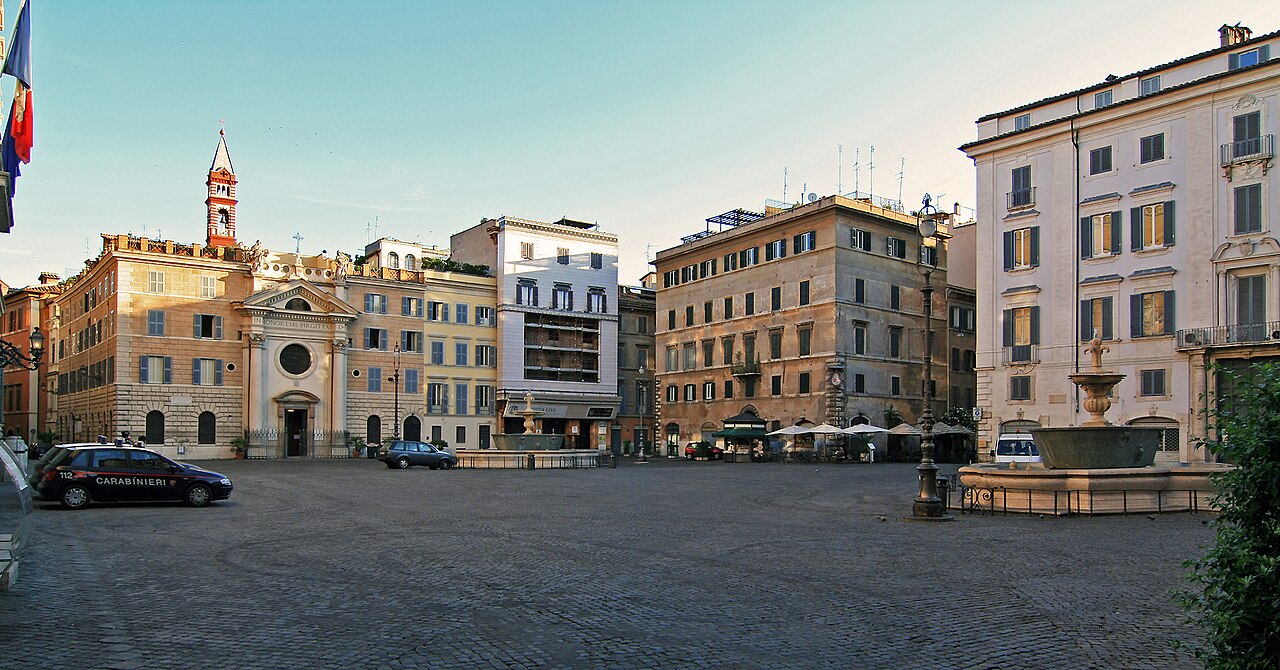
Palazzo Spada stands in the Regola district, near Campo de’ Fiori and Piazza Farnese in the historic centre.
Campo de’ Fiori, Piazza Farnese and Piazza Navona fit naturally into the same central-Rome walking route.
Loading the interactive map…
The interactive map could not be loaded.
Last updated:
Source: OpenStreetMap contributors, Wikidata ·