1 min walk
Piazza Farnese
- Must see
- Activity
Language · 11 published
Historic monument · Rome
Reviewed by Elena Voss · Roavina Travel Editor
This place is a Attraction. It was established in 1515. It was built in the Renaissance architecture style. It was designed by Giacomo della Porta.
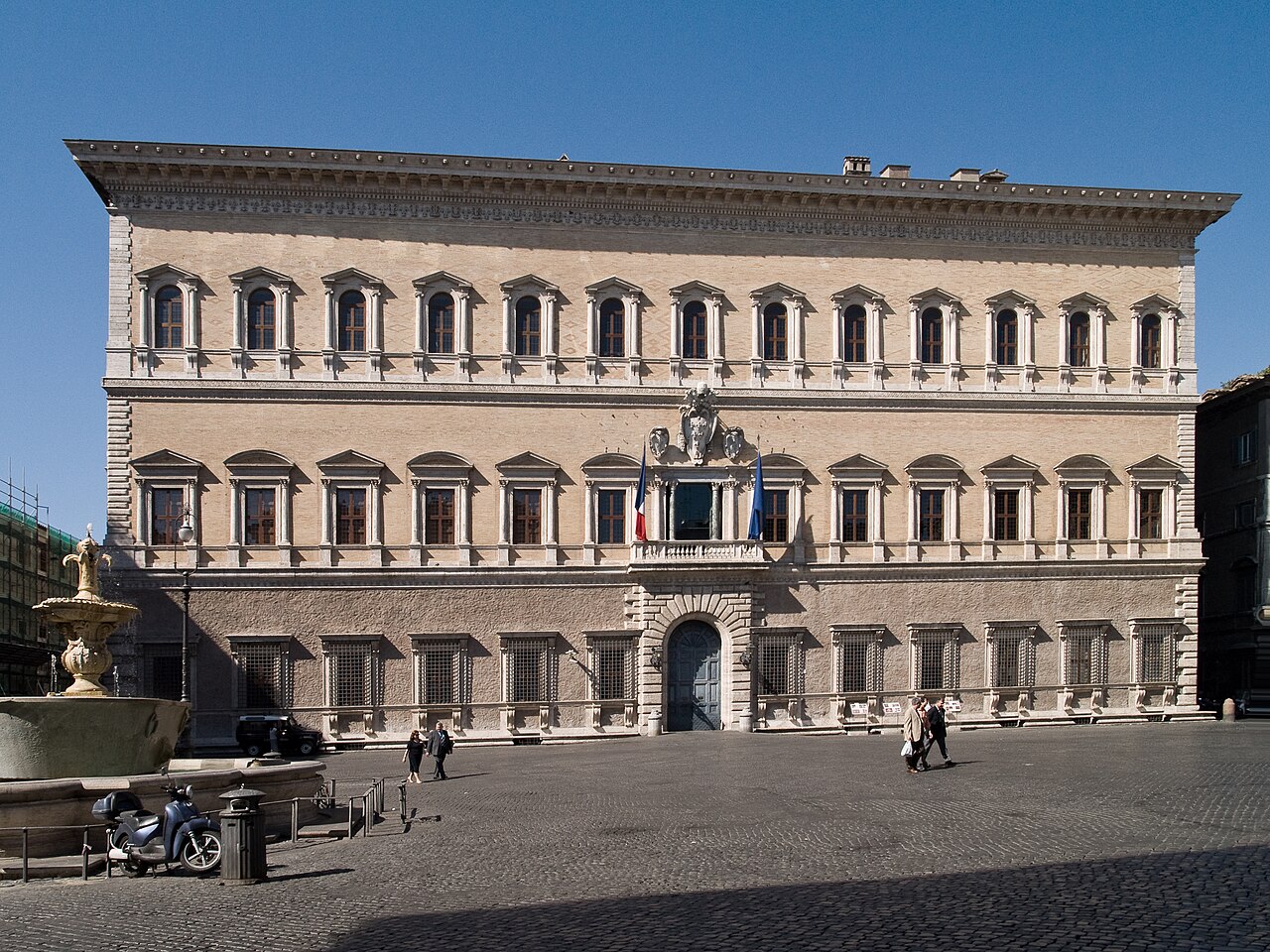
Palazzo Farnese is a monumental High Renaissance palace on Piazza Farnese in Rome’s historic centre. The Farnese family commissioned the building, and Antonio da Sangallo the Younger began its design before Michelangelo contributed important later elements. Its broad façade gives the square an unusually formal character, while the palace remains one of the clearest places in Rome to see how elite architecture shaped an urban setting. Today it houses the French Embassy in Italy, so visitors mainly experience its exterior and the public square around it. Palazzo Farnese stands as one of Rome's most imposing High Renaissance palaces in the historic centre. The building functions as the French Embassy, suggesting significant access restrictions.
Checked 2026-08-26 · Source
The palace is known for the Galleria Farnese, whose ceiling frescoes were painted by Annibale Carracci between 1597 and 1608. Mythological scenes, elaborate stucco decoration and the relationship between painting and architecture make the gallery an important Baroque interior. Historic rooms, fireplaces and the courtyard add to the building’s architectural interest. Because the palace functions as a diplomatic mission, interior access is restricted rather than arranged like an ordinary museum visit. The façade, courtyard design and relationship with Piazza Farnese therefore remain central to the visitor experience.
Checked 2026-08-26 · Source
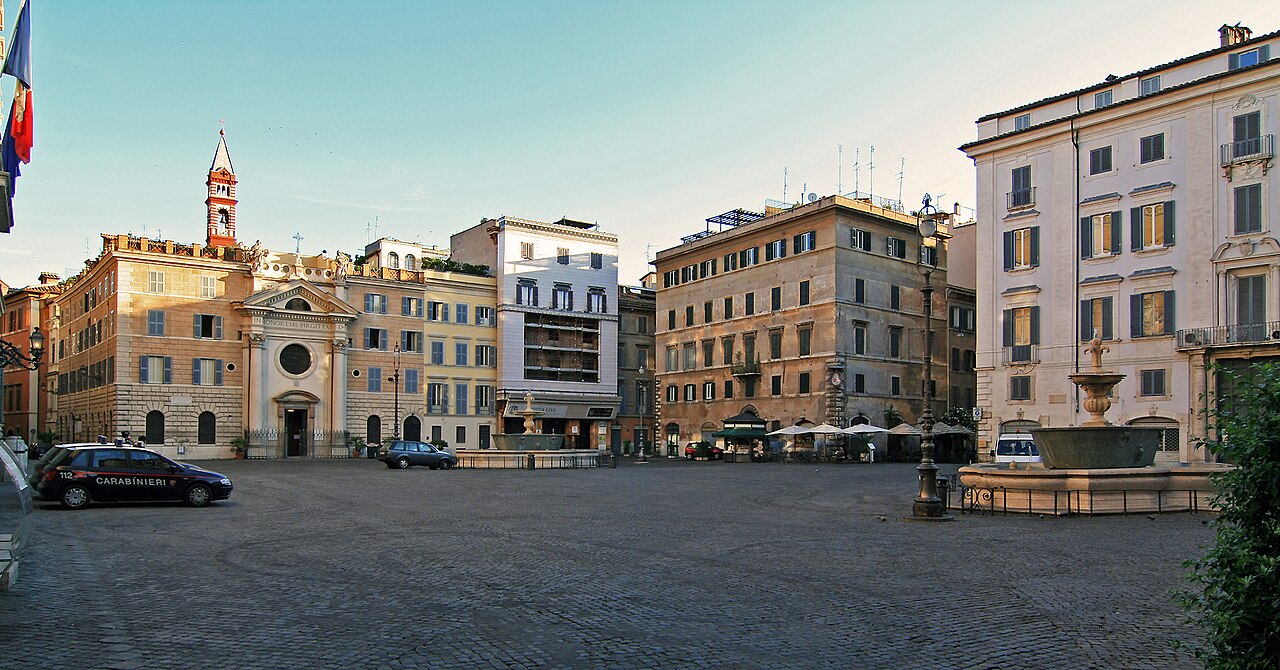
Allow fifteen to thirty minutes to study the façade, the square and the two historic fountains. That is enough for a focused exterior stop, especially when Palazzo Farnese forms part of a walking route through central Rome. An interior visit, when arranged through the relevant diplomatic or cultural programme, calls for more time because the Galleria Farnese and historic spaces deserve slower attention. Pairing the palace with Campo de’ Fiori and Piazza Navona creates a comfortable half-day walk without requiring a separate journey across the city.
Checked 2026-08-26 · Source
Visit during daylight if the façade is your priority, since the square gives you the clearest view of the palace’s proportions and stone details. Early morning generally provides a calmer setting for architectural observation and photographs than the busier middle of the day. The square is useful in every season, although Rome’s summer heat can make a long stop uncomfortable and winter rain can reduce the pleasure of studying the exterior. Treat any interior opportunity as a separate planned experience because the embassy’s function limits casual entry.
Checked 2026-08-26 · Source
Piazza Farnese is a public urban space, so viewing the palace façade from the square does not require a museum ticket. Interior access is a different matter because Palazzo Farnese houses the French Embassy. The Galleria Farnese is therefore not a walk-in attraction with a standard entrance desk. If your itinerary includes an organised cultural visit, follow the admission conditions attached to that specific programme. For an ordinary Rome visit, plan around the free exterior experience and do not build the day around unarranged entry into the palace.
Checked 2026-08-26 · Source
Palazzo Farnese is easiest to reach on foot through Rome’s historic centre. From Piazza Navona, walk south-west through the compact street network; Campo de’ Fiori is only moments away. The area is not served by a metro station immediately beside the square, and central streets include cobbles and pedestrian restrictions. Buses can bring you toward the central districts, but the final approach is best made on foot. Taxis may need to stop short because access through the centro storico is constrained by traffic regulations and narrow streets.
Checked 2026-08-26 · Source
Remember that Palazzo Farnese is an active embassy, not simply a historic monument. Keep a respectful distance from entrances, follow any security instructions and avoid obstructing people who work in the building. The square’s fountains and stone surfaces require attention while walking, particularly when crowds gather around them. The surrounding Campo de’ Fiori and central Rome streets are busy tourist areas, so keep personal belongings secure. The full façade is easier to appreciate from across the piazza than from directly beneath its highest architectural details.
Checked 2026-08-26 · Source
Piazza Farnese offers the strongest viewpoint for photographing the palace as a complete composition. Stand far enough back to include the full façade, the square and one of its granite fountains, then move closer for windows, cornices and the rhythm of the lower arcade. Daylight gives the stone a more legible texture than a dark evening view. Interior photography belongs to the rules of any organised visit. Keep equipment unobtrusive around the embassy entrance, and avoid blocking the square’s pedestrian movement while framing the building.
Checked 2026-08-26 · Source
Palazzo Farnese houses the French Embassy in Italy, while its exterior faces Piazza Farnese in Rome’s historic centre.
The Galleria Farnese is best known for its mythological ceiling frescoes by Annibale Carracci, painted between 1597 and 1608.
Antonio da Sangallo the Younger began the design, and Michelangelo later contributed important elements including the upper façade and cornice.
The palace takes its name from the Farnese family, the powerful Roman family that commissioned its construction.
The square’s two granite basins are ancient bathtubs from the Baths of Caracalla, later installed as fountains in Piazza Farnese.
Campo de’ Fiori and Piazza Navona are nearby and can be combined with Palazzo Farnese in a walking route through central Rome.
Loading the interactive map…
The interactive map could not be loaded.
Last updated:
Source: OpenStreetMap contributors, Wikidata ·