2 min walk
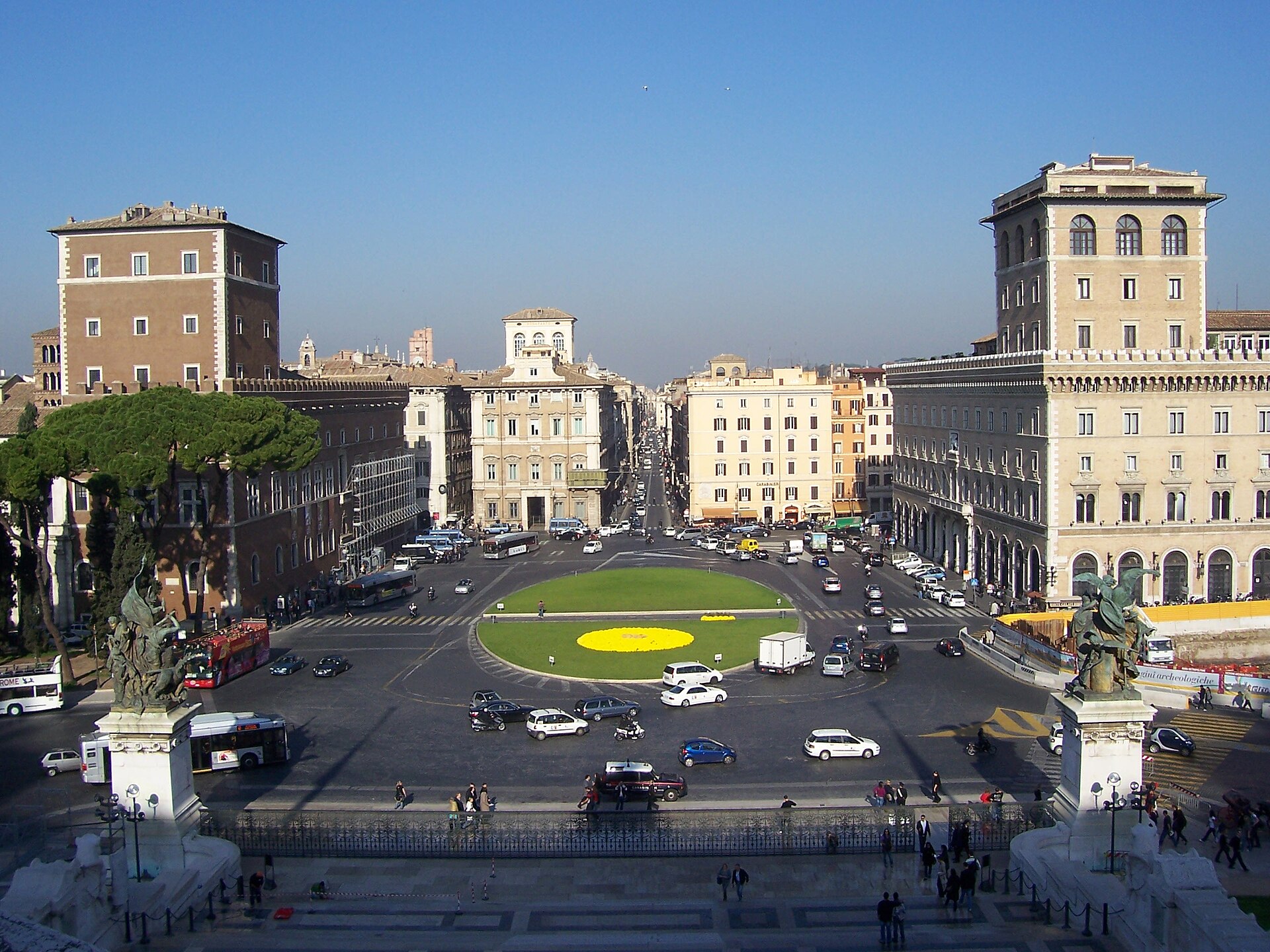
Piazza Venezia
- Must see
- Activity
Language · 11 published
Historic monument · Rome
Reviewed by Elena Voss · Roavina Travel Editor
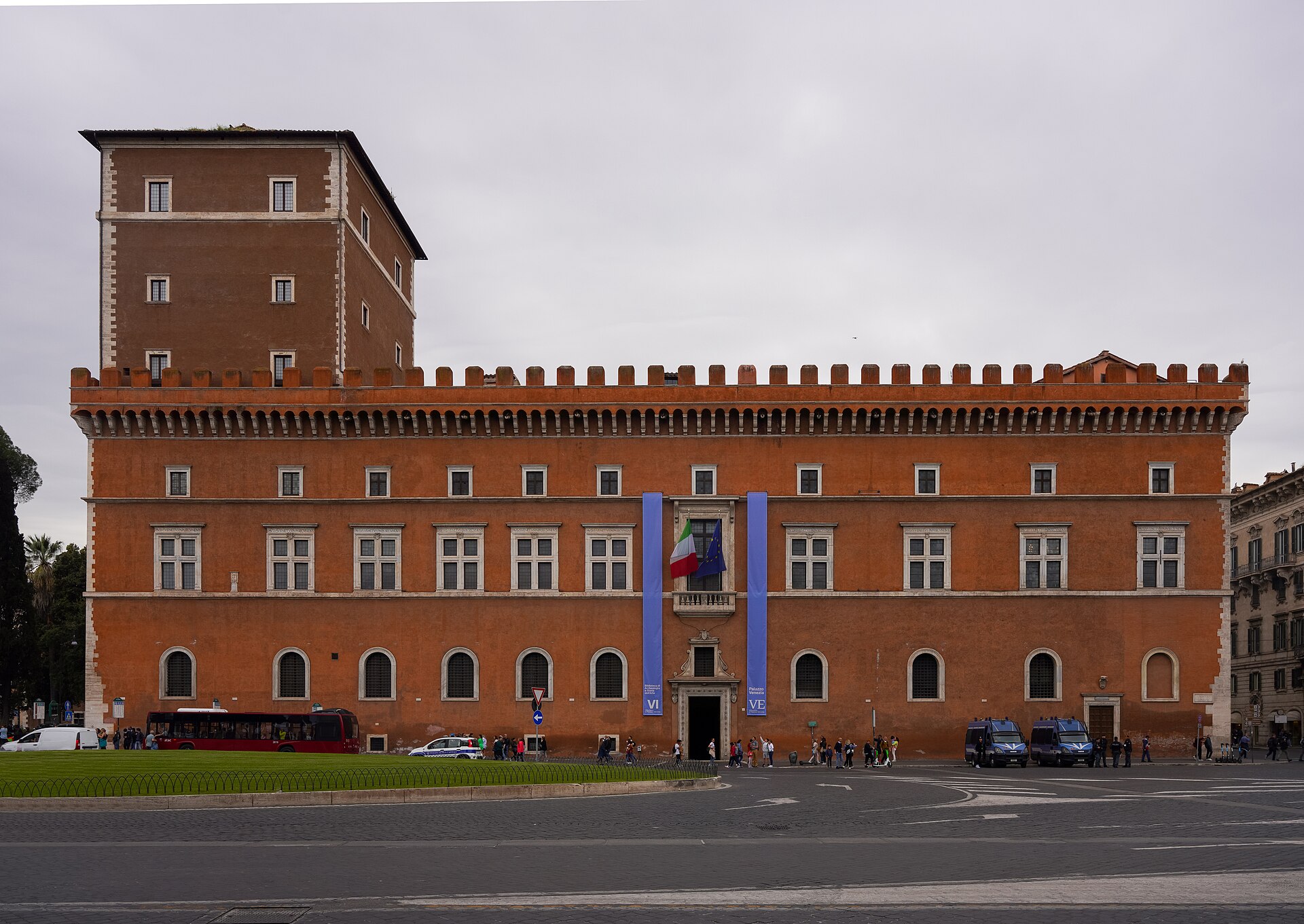
This place is a Attraction. It was built in the Renaissance architecture style. It carries the Italian national heritage heritage designation.
Palazzo Venezia is a historic palace in central Rome, Italy. It stands on Piazza Venezia at the foot of the Capitoline Hill. The building served as the embassy of the Republic of Venice in Rome and later became a residence for popes and Italian leaders. Its name derives from this Venetian connection. The palace now houses the National Museum of Palazzo Venezia, which displays collections of art, decorative objects, and historical artifacts. The structure represents multiple architectural phases spanning several centuries of Roman history.
Checked 2026-08-28
The National Museum of Palazzo Venezia contains collections of Renaissance art, ceramics, textiles, and decorative arts. Visitors can explore rooms with historical furnishings and view paintings from various periods. The palace features an inner courtyard and gardens. The building's architecture itself constitutes a significant part of the visitor experience, with its halls, staircases, and structural elements reflecting different historical eras. The museum's holdings include works that illustrate the cultural and artistic development of Rome and Italy across centuries of history.
Checked 2026-08-28
A thorough visit to Palazzo Venezia typically requires approximately one to two hours. This duration allows visitors to explore the museum collections and appreciate the palace architecture at a measured pace. Those with particular interest in Renaissance art, decorative objects, or Italian history may wish to allocate additional time. The compact nature of the central Rome location means visitors often combine this site with nearby attractions on the Capitoline Hill or along the adjacent streets. Individual pacing varies considerably.
Checked 2026-08-28
Visitors should consult official sources before planning their trip. The palace sits in a busy central area that experiences high tourist traffic during summer months and holiday periods. Morning visits may offer a more contemplative atmosphere for appreciating the collections. Rome's climate features hot summers and mild winters, with occasional rain in autumn and spring. Seasonal considerations for comfort include indoor cooling in warm months and appropriate clothing during cooler periods. A flexible visit to Palazzo Venezia leaves room to adjust for access conditions without relying on unverified schedules, prices or closure assumptions. Confirm practical details with the operator when available. Check the operator's own site for the travel date before relying on a schedule or fare.
Checked 2026-08-28
Visitors must verify current admission costs through official channels before visiting. The museum may offer reduced rates for certain visitor categories, though specific eligibility and discount amounts require confirmation from authoritative sources. Combination tickets with other cultural institutions in Rome sometimes exist. Free admission policies for specific days or demographics, common at Italian state museums, would need verification against current regulations. Advance booking possibilities and any reservation requirements remain unconfirmed. Palazzo Venezia is best treated as a distinct stop rather than a generic example of its category. Focus on the setting, surviving features and visitor route visible on arrival. Check the operator's own site for the travel date before relying on a schedule or fare.
Checked 2026-08-28
Palazzo Venezia occupies a prominent position on Piazza Venezia in central Rome. The location stands near the Capitoline Hill and is walkable from numerous other historic sites. Multiple bus routes serve the Piazza Venezia area, making public transit accessible. The site lies within reasonable walking distance of the Colosseum and Roman Forum to the southeast. Specific route numbers, schedules, and alternative transport options require verification from current transit authorities. The central location means pedestrian approaches from various directions prove feasible for mobile visitors.
Checked 2026-08-28
The Piazza Venezia area experiences heavy vehicular and pedestrian traffic, requiring awareness when navigating nearby streets. The palace's central position means surrounding crowds peak during midday hours. Visitors should secure personal belongings against opportunistic theft common at busy tourist locations. Interior surfaces include historic floors and staircases that may present challenges for mobility-impaired visitors; specific accessibility provisions require operator confirmation. Climate control within historic buildings varies seasonally. Photography restrictions within exhibition spaces may apply and should be verified on site.
Checked 2026-08-28
Photography rules at Palazzo Venezia are Not recorded pending review. Visitors must seek operator confirmation regarding permitted equipment, flash usage, and any restrictions on specific collections or spaces. Many Italian museums prohibit flash photography to protect sensitive materials, though policies vary by institution. Tripod and professional equipment use typically requires special arrangement. Visitors should observe posted signage and staff guidance upon entry. Respect for other visitors and the preservation of artifacts should guide all photographic behavior regardless of formal regulations in force.
Checked 2026-08-28
No. Palazzo Venezia is in Rome, not Venice. Its name derives from its historical function as the embassy of the Republic of Venice in Rome.
The palace includes gardens, but specific visitor access to outdoor spaces requires operator confirmation as conditions may vary.
Specific accessibility provisions are Not recorded pending review. Historic buildings often present challenges; visitors should contact operators directly for current information.
The palace houses the National Museum of Palazzo Venezia, indicating state-level administration, though specific network affiliations require operator confirmation.
Tour availability and languages offered are Not recorded pending review. Visitors should consult official sources for current educational programming.
The palace stands on Piazza Venezia and gave its name to the square, which functions as a major traffic and transit hub in central Rome.
Loading the interactive map…
The interactive map could not be loaded.
Last updated:
Source: OpenStreetMap contributors, Wikidata ·
_-_Exterior.jpg)