
2 min walk
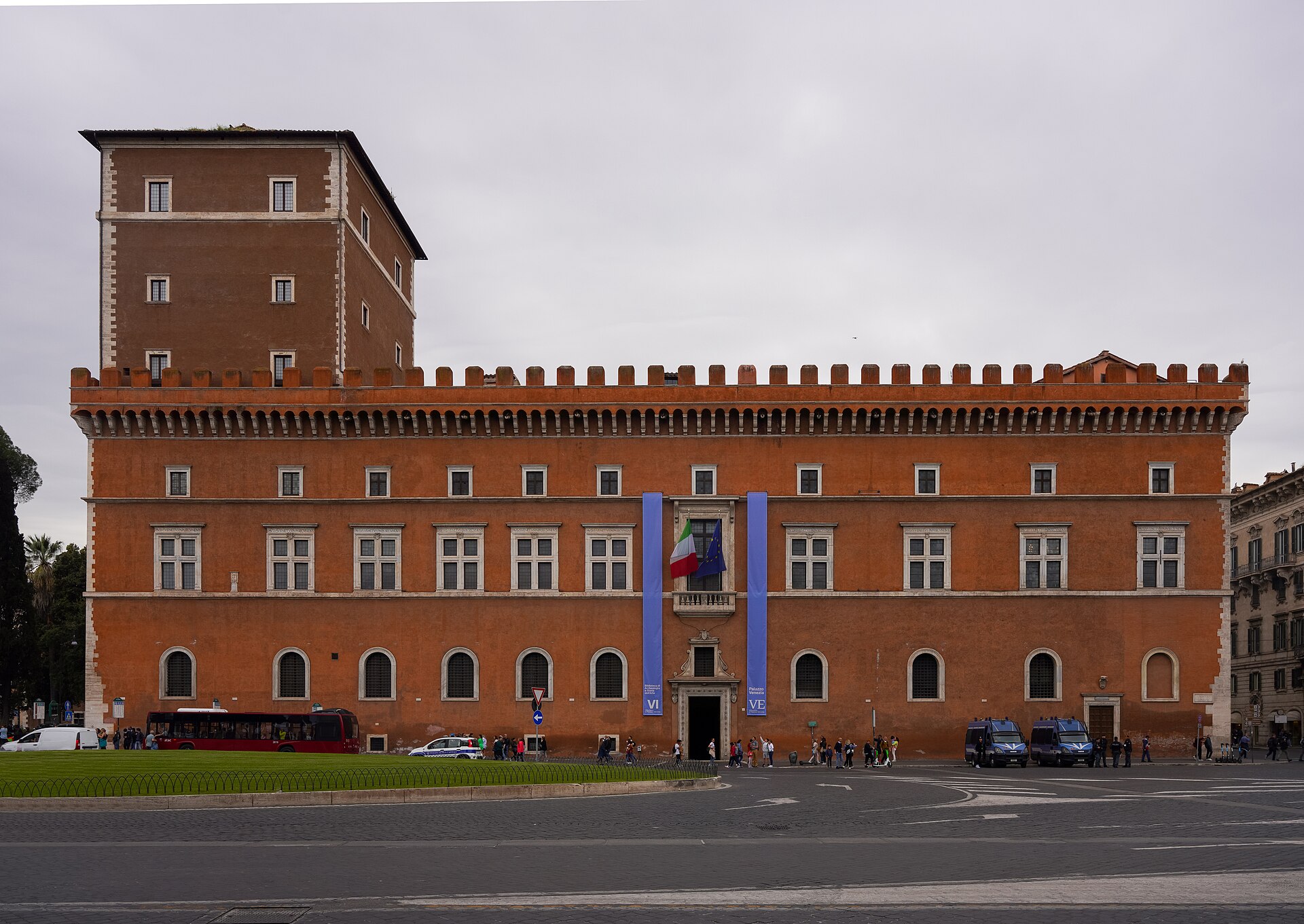
Palazzo Venezia
- Must see · Heritage site
- Historic monument
Place of worship · Rome
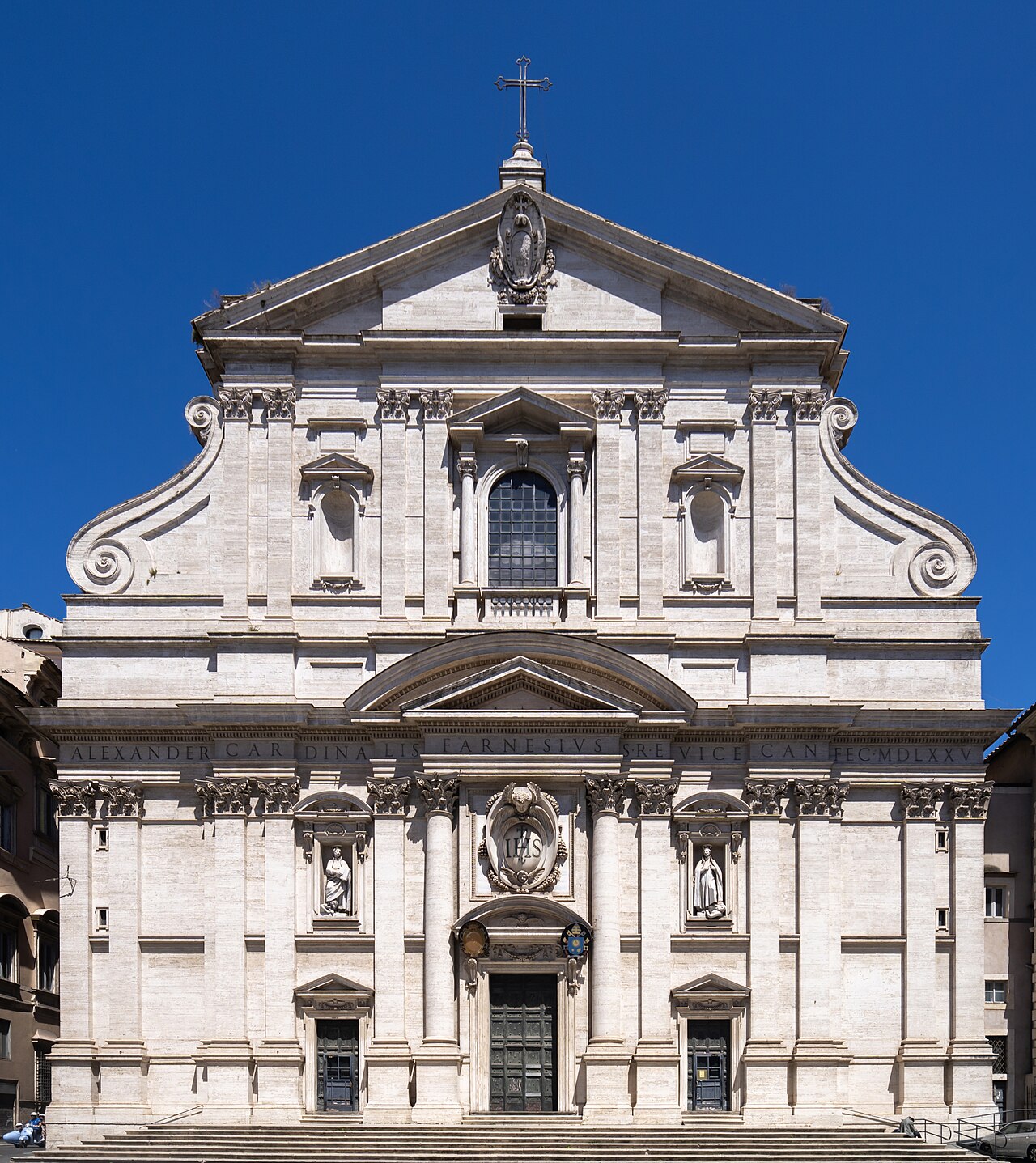
Chiesa del Gesù
| Monday |
07:30 – 19:30
Valid 2026-07-01 – 2026-09-30 |
|---|---|
| Monday |
07:30 – 19:30
Valid 2026-10-01 – 2027-06-30 |
| Tuesday |
07:30 – 19:30
Valid 2026-07-01 – 2026-09-30 |
| Tuesday |
07:30 – 19:30
Valid 2026-10-01 – 2027-06-30 |
| Wednesday |
07:30 – 19:30
Valid 2026-07-01 – 2026-09-30 |
| Wednesday |
07:30 – 19:30
Valid 2026-10-01 – 2027-06-30 |
| Thursday |
07:30 – 19:30
Valid 2026-07-01 – 2026-09-30 |
| Thursday |
07:30 – 19:30
Valid 2026-10-01 – 2027-06-30 |
| Friday |
07:30 – 19:30
Valid 2026-07-01 – 2026-09-30 |
| Friday |
07:30 – 19:30
Valid 2026-10-01 – 2027-06-30 |
| Saturday |
07:30 – 20:00
Valid 2026-07-01 – 2026-09-30 |
| Saturday |
07:30 – 20:00
Valid 2026-10-01 – 2027-06-30 |
| Sunday |
08:30 – 20:00
Valid 2026-07-01 – 2026-09-30 |
| Sunday |
08:30 – 20:00
Valid 2026-10-01 – 2027-06-30 |
Closed to visitors between 12:00 – 17:00 · Valid 2026-07-01 – 2026-09-30
Closed to visitors between 12:30 – 16:30 · Valid 2026-10-01 – 2027-06-30
Closed to visitors between 13:30 – 16:30 · Valid 2026-10-01 – 2027-06-30
Parsed from OpenStreetMap opening hours on 2026-09-09.
The Church of the Gesù, or Chiesa del Gesù, is the mother church of the Society of Jesus in Rome. The church is a major Baroque landmark and an architectural model for Jesuit churches around the world. Its importance comes from the combination of religious meaning, theatrical Baroque design, and influence on later ecclesiastical architecture. Inside Rome’s historic centre, the church offers a concentrated encounter with Counter-Reformation art and Jesuit history. The building is an active place of worship rather than a silent architectural shell, so the visit combines close looking with respectful awareness of religious activity. Travellers can read the church as both a spiritual centre and a landmark in the development of Baroque church design. The Gesù rewards attention to the relationship between its broad nave, elaborate decoration, and the devotional focus associated with Saint Ignatius of Loyola.
Checked 2026-08-26 · Source
The interior of the Church of the Gesù is filled with Roman Baroque decoration: ceiling frescoes, gilded surfaces, elaborate stucco, side chapels, altarpieces, and sculptural details. The main nave creates the first strong impression, but the church rewards a slower look toward the chapels and upper decorative programme. The tomb of Saint Ignatius of Loyola, founder of the Jesuit order, is a central point of religious significance. The interior’s design is theatrical without being separate from worship; the decoration was created to inspire devotion as well as admiration. Visitors should look for the way painted illusion, ornament, architecture, and light work together across the sacred space. The compact footprint can make the church feel visually dense. Instead of viewing the Gesù as one single panorama, divide attention between the nave, chapels, frescoed ceiling, and the devotional focus around Saint Ignatius.
Checked 2026-08-26 · Source
Allow about forty-five to sixty minutes for a considered visit to the Church of the Gesù. A shorter stop of twenty to thirty minutes can cover the main nave, the principal decorative effects, and the tomb of Saint Ignatius of Loyola. Visitors interested in Baroque technique should allow longer to study the ceiling frescoes, gilded surfaces, stucco, side chapels, and altarpieces. The church is compact, but the amount of decoration makes a quick glance feel incomplete. Move slowly enough to let the composition of the interior register, while leaving space for worshippers and religious activity. A longer visit is especially worthwhile for travellers who want to understand why the Gesù became a model for Jesuit churches elsewhere. The best duration is therefore determined by the level of attention given to the architecture and art, not by the size of the building alone.
Checked 2026-08-26 · Source
The Church of the Gesù is an active place of worship, so religious services and liturgical celebrations shape when visitors can enter and how they can move through the interior. Early morning or late afternoon can provide a calmer atmosphere for looking at the Baroque decoration, while busy periods in Rome’s historic centre can bring more people into the church. Choose a time that leaves room for quiet observation rather than planning the visit as a rushed photographic stop. Natural light changes the appearance of gilded surfaces, painted ceilings, and shadowed chapels during the day. The church’s worship function remains primary at every hour. When a service is taking place, give precedence to worshippers and participate or wait quietly rather than treating the interior as an ordinary sightseeing room. The Gesù is best experienced with patience and attention to its religious setting.
Checked 2026-08-26 · Source
The Church of the Gesù is a functioning religious institution, and the available place information does not specify a mandatory admission price or a separate ticket for the main church. Visitors should approach the building as a place of worship, where voluntary contributions may be part of the experience even when entry is not presented as a museum admission. No price is supplied for guided visits, special areas, or organised groups. The tomb of Saint Ignatius of Loyola and the Baroque interior belong to the church’s religious and artistic setting; no separate charge is identified for viewing them. Keep the visit respectful and avoid treating donation opportunities as a commercial transaction. The absence of a stated ticket does not remove the obligation to follow church rules. The Gesù’s value is carried by its architecture, devotional focus, and Jesuit history rather than by a ticketed exhibition format.
Checked 2026-08-26 · Source
The Church of the Gesù stands in Rome’s historic centre, where walking is a practical way to connect the church with nearby landmarks such as the Pantheon and Piazza Venezia. Rome’s public transport serves the surrounding central area, while buses use the thoroughfares around the dense historic fabric. Build the Gesù into a walking day through central Rome and allow time to orientate among historic streets. The church’s central position makes it easy to treat as part of a sequence of nearby cultural and religious landmarks. Pay attention to the transition from busy streets into the quieter sacred interior. The destination is a city-centre church, not an isolated suburban attraction, and the surrounding walk forms part of the visit.
Checked 2026-08-26 · Source
The Church of the Gesù is an active church, so shoulders and knees should be covered and conversation should remain quiet. Services can restrict sightseeing movement, and crowded religious or tourist periods require patience. Watch your footing on polished floors and in areas where the lighting is uneven. Keep valuables secure in Rome’s busy historic centre. The Baroque decoration is visually intense, so give your eyes time to adjust between bright gilded surfaces and darker chapels. Do not treat the church as an ordinary gallery: worshippers, clergy, and religious observances take priority. Follow visible signs and directions from church personnel, especially around chapels, services, and photography.
Checked 2026-08-26 · Source
Photography inside the Church of the Gesù must remain subordinate to worship. Flash, tripods, and professional equipment may be restricted, and photography is inappropriate during services or when it distracts worshippers. Follow signs and staff directions before taking photographs. The interior creates difficult contrasts between bright gilding, painted ceilings, and shadowed chapels, so quiet observation may communicate the space better than repeated exposures. Ask before photographing people and avoid including private devotional moments. A respectful image can focus on the architectural relationship between the nave, ceiling frescoes, stucco, and chapels without obstructing movement. The tomb of Saint Ignatius of Loyola is a religious focal point, not merely a photographic subject. Keep equipment discreet, silence the shutter where possible, and stop immediately if photography is restricted.
Checked 2026-08-26 · Source
The Church of the Gesù is the mother church of the Society of Jesus, a major Roman Baroque landmark, and an architectural model for Jesuit churches worldwide.
The interior contains ceiling frescoes, gilded surfaces, stucco decoration, side chapels, altarpieces, sculptures, and the tomb of Saint Ignatius of Loyola.
Allow about forty-five to sixty minutes for the nave, chapels, frescoes, decoration, and the tomb of Saint Ignatius. A shorter visit can cover the main highlights.
The Church of the Gesù is an active place of worship. Visitors may encounter religious services and should observe quiet, respectful conduct and appropriate dress.
The church is in Rome’s historic centre, within walking reach of central landmarks including the Pantheon and Piazza Venezia.
The Gesù established an architectural model that influenced Jesuit church design around the world, making the Roman church a key reference for Baroque ecclesiastical architecture.
Loading the interactive map…
The interactive map could not be loaded.


Last updated:
Source: OpenStreetMap contributors, Wikidata ·