6 min walk
Appian Way
- Must see
- Historic monument
Historic monument · Rome
Mausoleo di Cecilia Metella
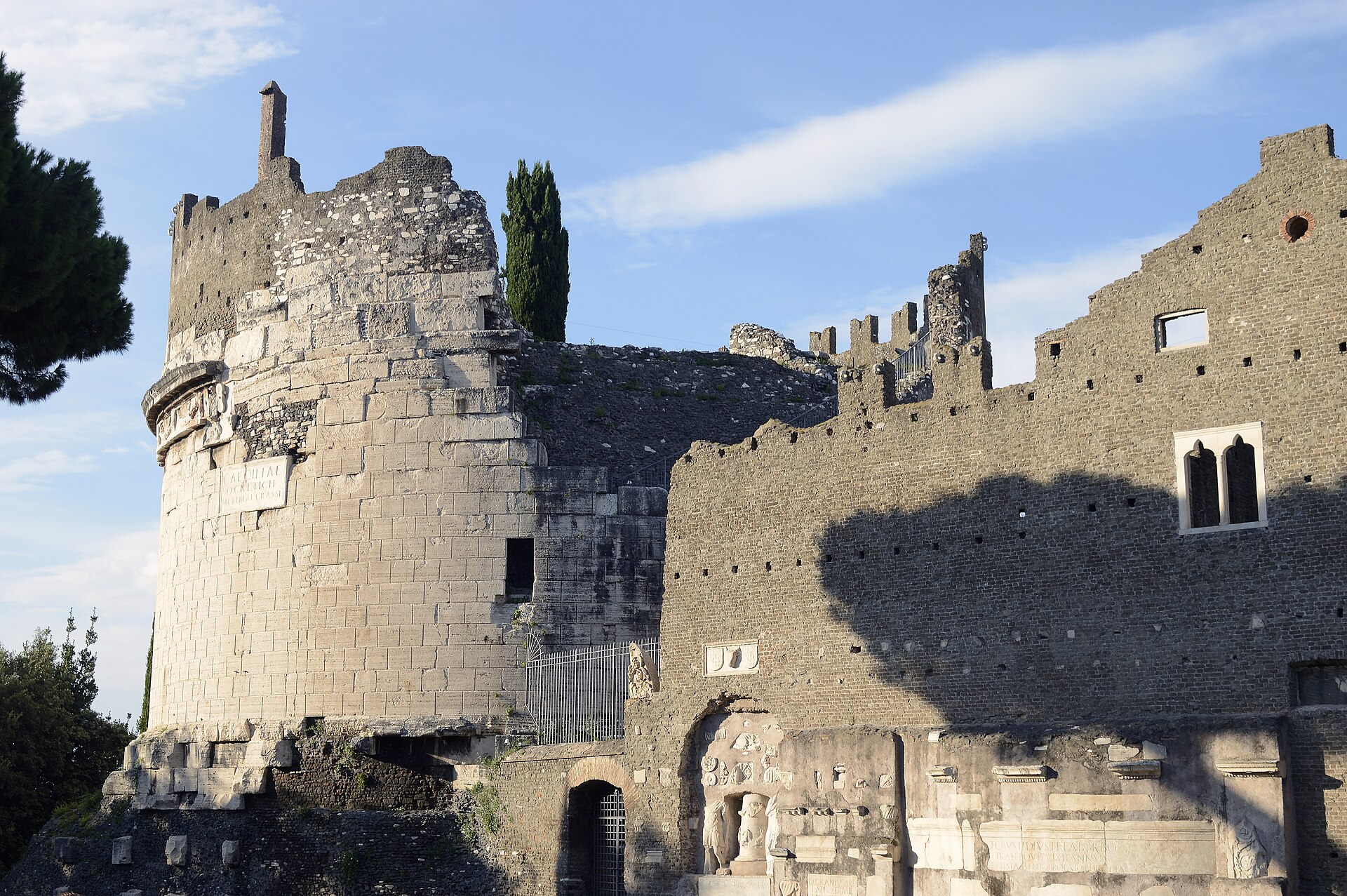
The Tomb of Cecilia Metella is a monumental cylindrical mausoleum beside the Via Appia Antica. Built in the first century BCE, it commemorates a woman from the powerful Caecilii Metelli family. Its travertine and tufa construction, marble frieze of bucrania and garlands, and later medieval crenellations show how one Roman monument acquired new meanings across centuries. It is both a funerary structure and a visible landmark on the ancient road. The Tomb of Cecilia Metella is a cylindrical funerary monument standing beside the Via Appia Antica. Erected in the first century BCE, it commemorates a noblewoman of the Caecilii Metelli, one of Rome's most powerful plebeian families. The structure combines a travertine base with a tufa drum and a marble frieze depicting bucrania and garlands. Its medieval conversion into a fortress for the Caetani family added crenellations and adjoining buildings. The monument exemplifies late Republican Roman tomb architecture and demonstrates how ancient structures were repurposed across centuries.
Checked 2026-08-26 · Source
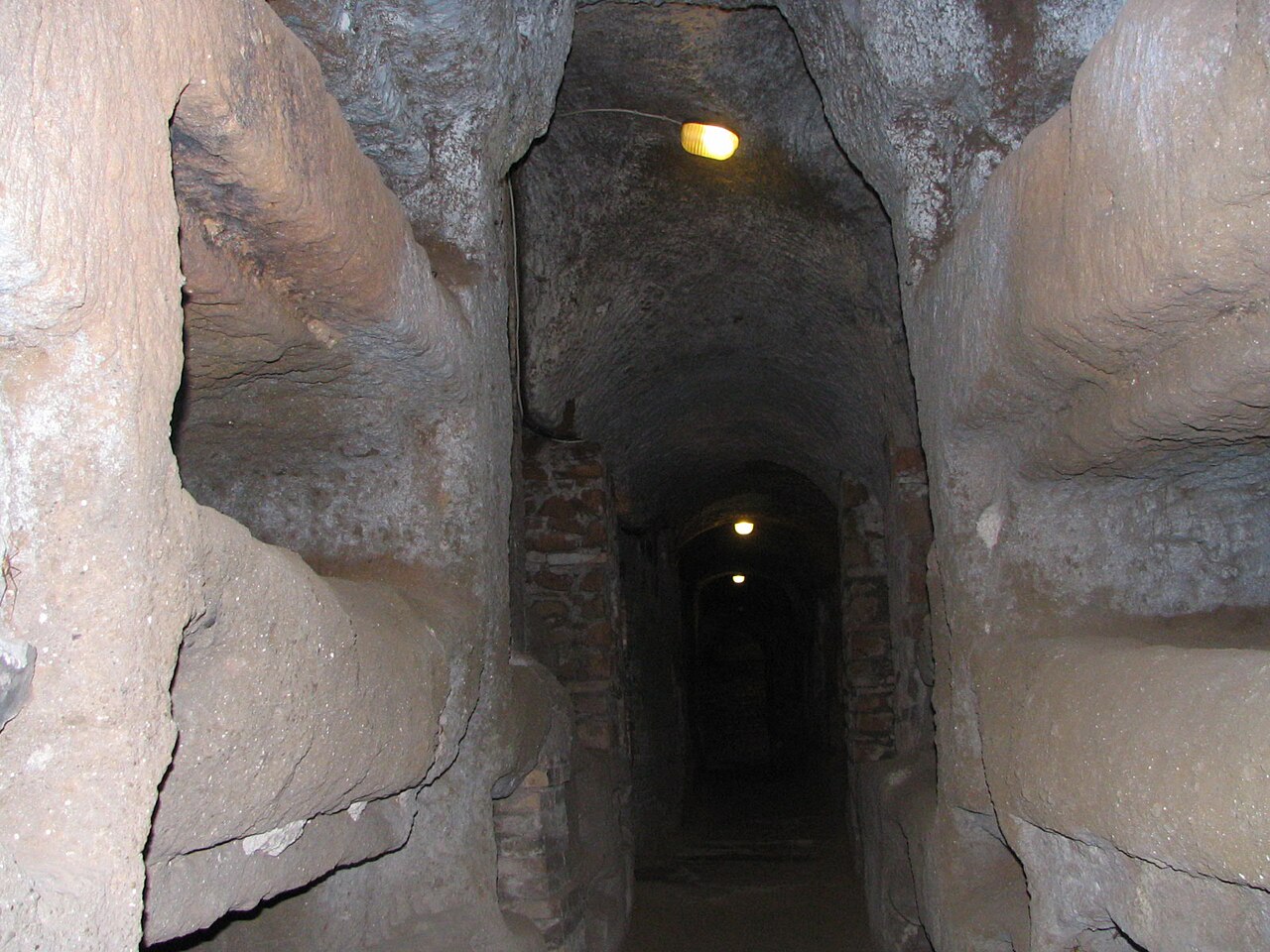
The compact interior chamber preserves the original burial space and includes a small window. Its limited dimensions make the tomb easier to understand as a commemorative monument than as a large building to explore. Outside, the cylindrical drum, travertine base and marble decoration provide the main visual experience. Medieval additions associated with the Caetani family, including defensive details and neighbouring fortified remains, add a second historical layer around the ancient core. The interior chamber is accessible to visitors and contains the original burial space. The cylindrical cella features a small window and demonstrates the construction techniques of late Republican mausolea. Medieval modifications by the Caetani family added defensive elements and living quarters adjacent to the tomb. The surrounding area includes remnants of the fortified complex. The structure's solidity and limited interior space reflect its primary purpose as a commemorative monument rather than a place of extended visitation.
Checked 2026-08-26 · Source
Plan thirty to sixty minutes for the tomb and its immediate surroundings. This allows time to study the round exterior, marble frieze and medieval crenellations, then enter the small chamber when access forms part of the visit. The monument is best considered within a longer Via Appia Antica walk or cycle ride, where nearby remains and the ancient paving turn a short stop into a broader archaeological outing.
Checked 2026-08-26 · Source
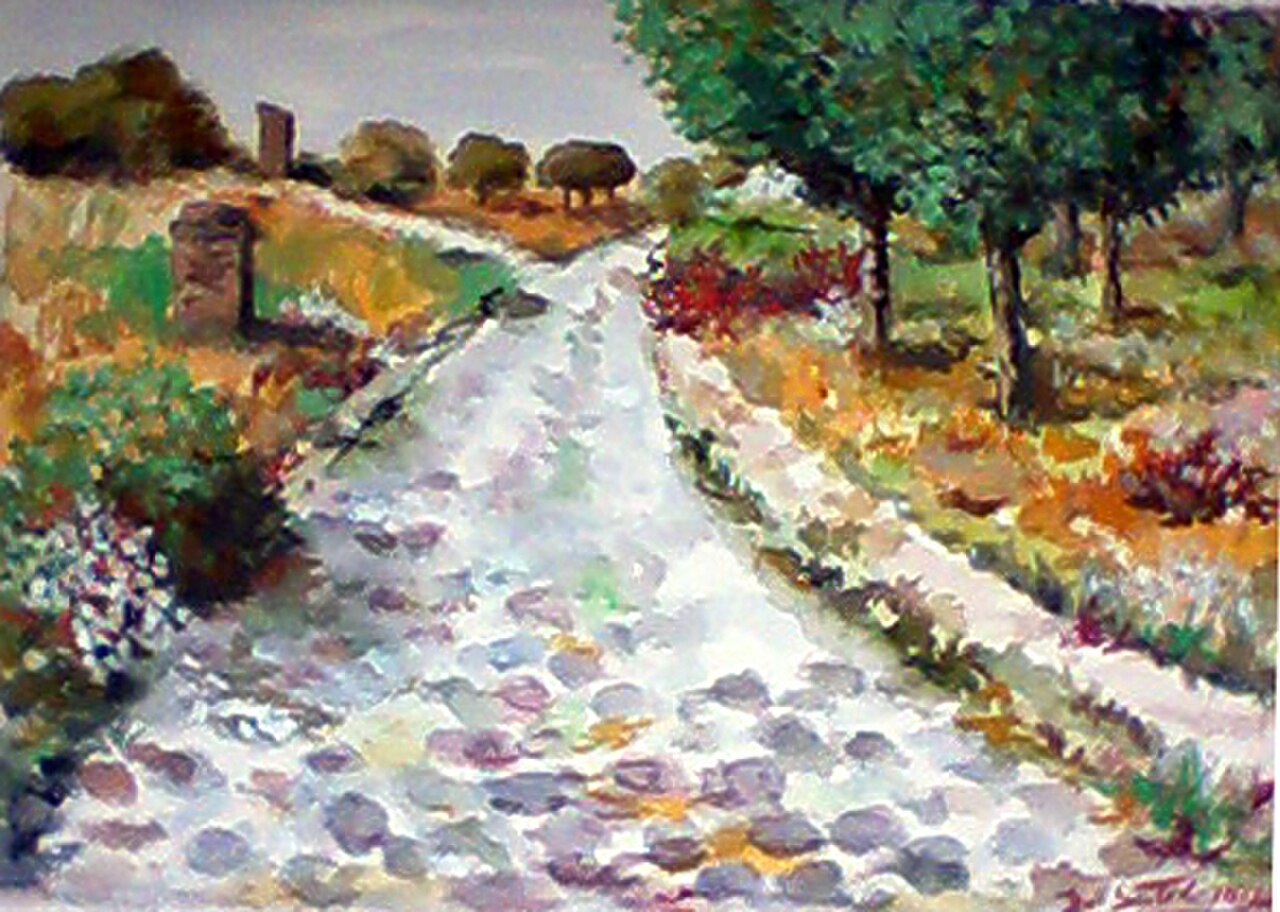
Spring and autumn are comfortable seasons for walking the exposed Appian Way. Morning is useful in summer because the road and monument offer little shade, while softer light also brings out the texture of the travertine, tufa and marble. Rain can make unpaved sections muddy and uneven. Choose footwear for historic paving and allow extra time when the visit includes a longer stretch of the archaeological park.
Checked 2026-08-26 · Source
The tomb forms part of the archaeological landscape of the Via Appia Antica, where access can be connected with other heritage sites through combined arrangements. The practical experience is therefore different from visiting a standalone monument: the value comes from seeing the tomb in relation to the ancient road, fortified complex and surrounding remains. Allow time for the wider route, and keep the visit flexible if you intend to see several sites in one outing.
Checked 2026-08-26 · Source
The tomb stands roughly three kilometres southeast of Rome’s Aurelian Walls on the Via Appia Antica. Reaching it usually involves public transport followed by walking, while cycling is useful for covering more of the archaeological road. The original surface is uneven and partly unpaved, and private vehicles face restrictions on sections of the ancient route. Comfortable shoes, water and a route plan are valuable for this open-air setting.
Checked 2026-08-26 · Source
Roman paving stones create an irregular walking surface that can be slippery, especially after rain. The monument has little shelter, and the surrounding road offers limited shade, so bring water and protection from the sun. Stay on established paths around archaeological remains and watch for bicycles and authorised vehicles. The route is demanding for visitors with limited mobility because of historic paving, uneven ground and the physical constraints of the preserved site.
Checked 2026-08-26 · Source
The tomb’s round profile is strongest when photographed from several points around the exterior, allowing the light to reveal the contrast between travertine, tufa and marble. Medieval crenellations create a clear silhouette, while the ancient road supplies context and leading lines. The interior is cramped and naturally dim, so exterior detail usually produces the more rewarding images. Keep equipment and movement unobtrusive in this working archaeological landscape.
Checked 2026-08-26 · Source
She belonged to the Caecilii Metelli, a prominent and wealthy plebeian family of late Republican Rome.
It has a large cylindrical form, a marble frieze with bucrania and garlands, and medieval crenellations added when the monument became part of a fortified complex.
The compact interior chamber is accessible to visitors and contains the original burial space with a small window.
It stands beside the Via Appia Antica, about three kilometres southeast of Rome’s Aurelian Walls.
Allow thirty to sixty minutes for the monument, and more time if you are walking or cycling along the Via Appia Antica.
Bring comfortable footwear, water and sun protection because the ancient road is uneven and the monument has little shade or shelter.
Loading the interactive map…
The interactive map could not be loaded.
Last updated:
Source: OpenStreetMap contributors, Wikidata ·