
17 min walk
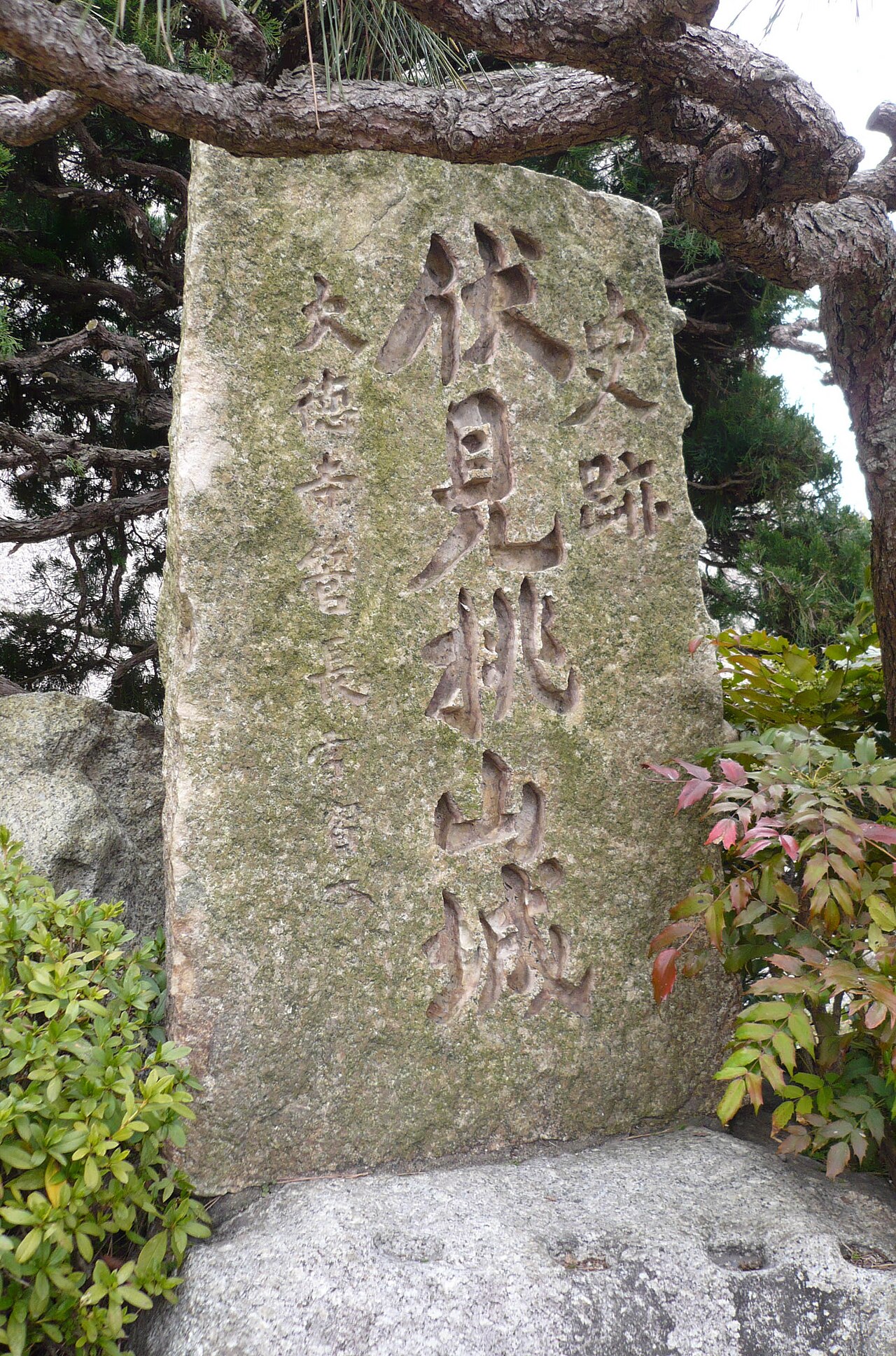
Fushimi Castle
- Must see
- Historic monument
Place of worship · Kyoto
藤森神社
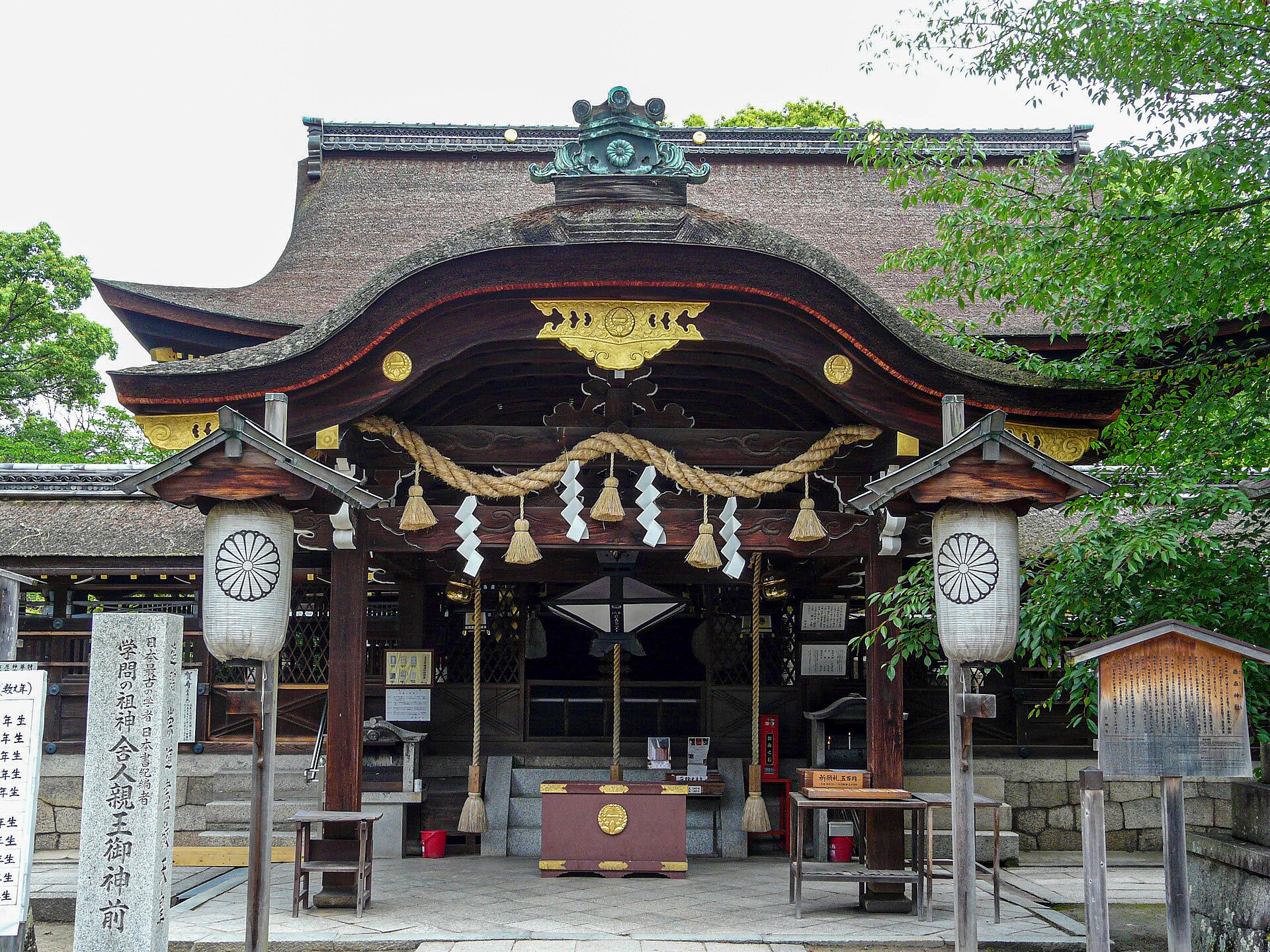
Fujinomori Shrine is a Shinto shrine in Kyoto and a place where religious practice, traditional architecture and local cultural life meet. Visitors encounter an active sacred setting rather than a purely historical monument. The grounds contribute to Kyoto’s wider landscape of shrines and temples, offering a focused stop for travellers interested in Japanese spirituality. Enter with a calm pace, notice the transition through the shrine approach and allow worshippers priority throughout the visit. Fujinomori Shrine is a Shinto shrine located in Kyoto, Japan. The shrine holds historical significance in the region and serves as a place of worship and cultural importance. It is part of Kyoto's extensive network of religious sites that draw both pilgrims and tourists. The shrine contributes to the city's reputation as a centre of traditional Japanese spirituality. Visitors encounter typical Shinto architectural elements and shrine grounds. It forms part of Kyoto's broader religious heritage.
Checked 2026-08-26 · Source
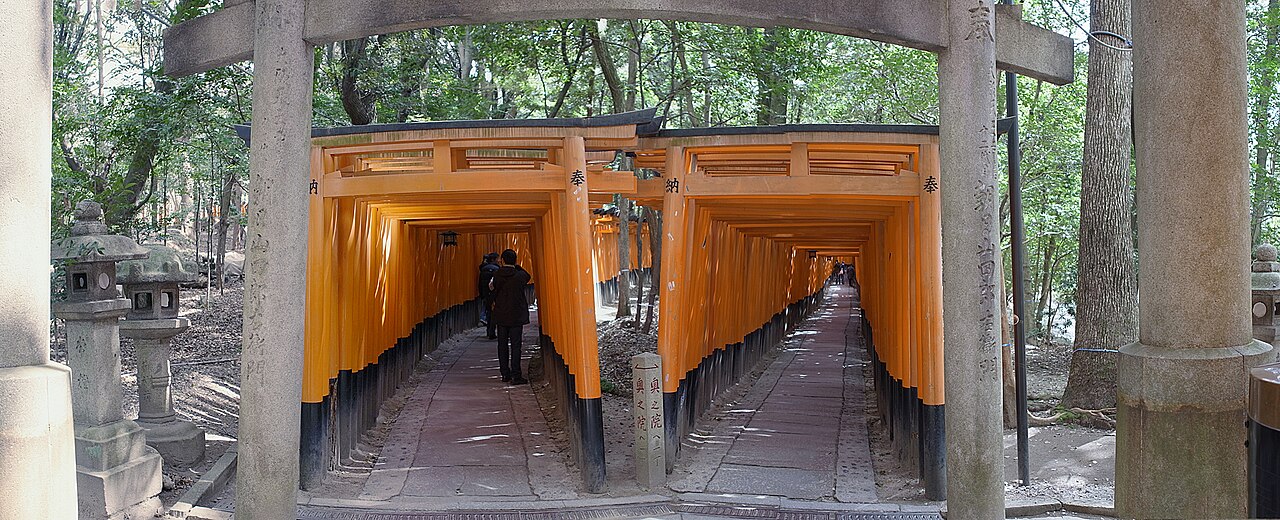
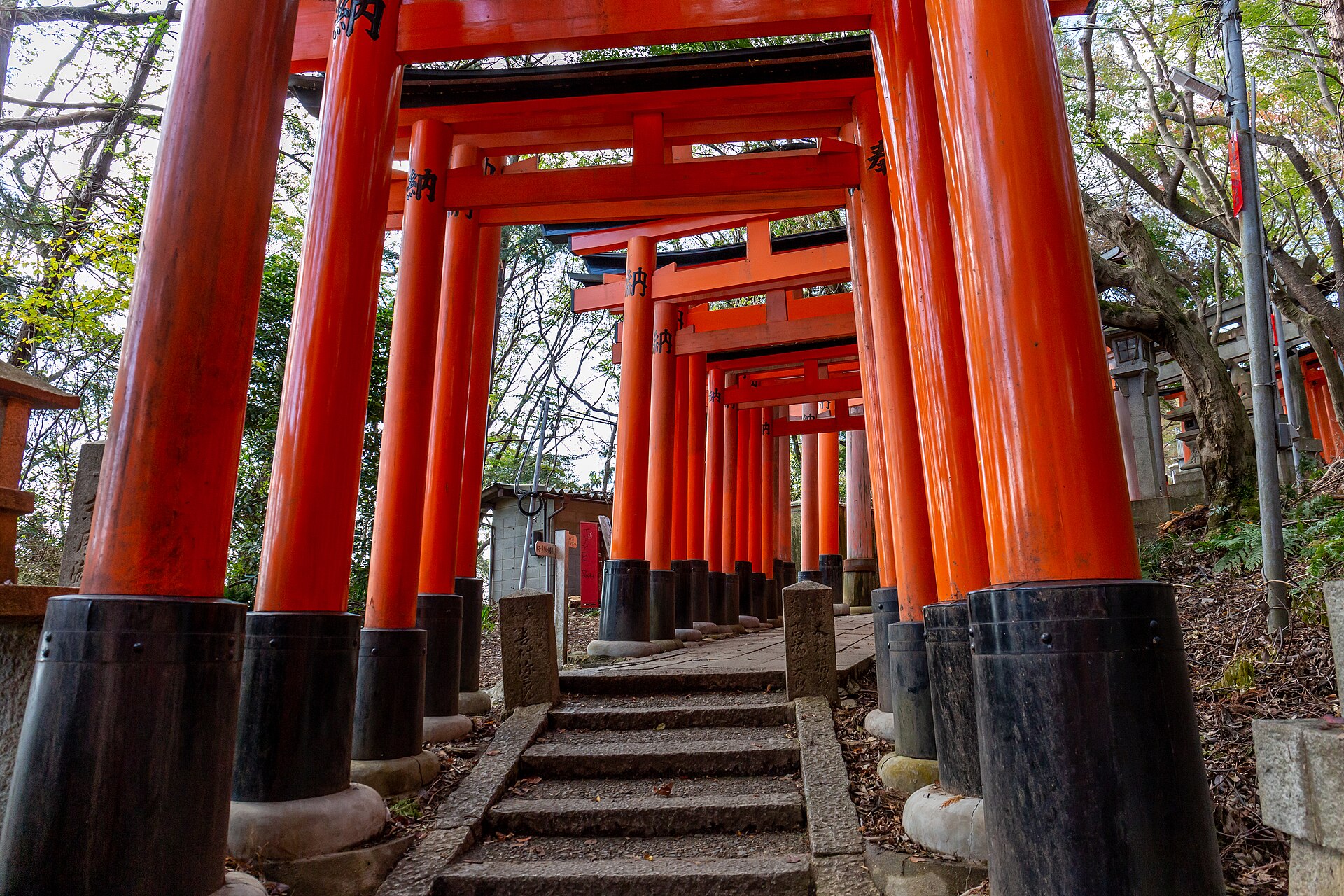
The visit centres on the characteristic elements of a Shinto precinct: a torii, an approach path and a main worship hall, together with the open grounds connecting them. Architectural details and seasonal decorations are best enjoyed from the public circulation areas. This is not a large indoor attraction; its appeal comes from the sequence of spaces, the quiet ritual setting and the contrast between everyday Kyoto and the shrine’s more deliberate atmosphere. Observe first, then photograph where permitted. The shrine grounds contain structures and spaces characteristic of Shinto religious practice. Visitors can expect to find the standard components of a Japanese shrine, which typically include a torii gate, approach path, and main worship hall.
Checked 2026-08-26 · Source
A general visit can take about fifteen minutes to one hour. Spend less time for a brief look at the approach and worship hall, or stay longer to observe the grounds and make a respectful prayer. Fujinomori Shrine works well as one stop in a broader Kyoto itinerary, especially when you want a cultural experience without committing several hours to a major complex. Comfortable shoes help if you plan to explore every public part of the grounds.
Checked 2026-08-26 · Source
Visit in any season according to the wider shape of your Kyoto trip. Spring and autumn bring appealing seasonal changes but also heavier visitor numbers, while summer is hot and humid and winter is quieter. Morning visits can feel more peaceful at a working shrine. Festivals or religious activity may change the atmosphere and the movement through the grounds. Dress for the weather, allow outdoor walking time and give ceremonies precedence over sightseeing plans.
Checked 2026-08-26 · Source
General shrine visits are commonly organised around the precinct rather than a museum-style ticket, but the supplied guide does not establish a specific admission arrangement for Fujinomori Shrine. Carry Japanese yen for offering boxes, omamori or other traditional transactions. Keep the stop in your budget as an item without a fixed amount. The value of the visit comes from the shrine grounds and religious atmosphere, not from a guaranteed paid exhibition or special collection.
Checked 2026-08-26 · Source
Fujinomori Shrine lies within Kyoto’s urban area and can be reached as part of a city route using buses, trains, taxis or walking. The supplied guide does not name a nearest station, bus stop or walking distance, so select directions from your starting point with a current map. The final approach is best taken at a relaxed pace, watching for the torii and entrance rather than relying on broad tourist signage. Cycling can also suit visitors covering several Kyoto districts.
Checked 2026-08-26 · Source
Treat Fujinomori Shrine as an active place of worship. Pass through the torii respectfully, keep voices low and follow the shrine’s established movement through the grounds. Gravel, uneven surfaces and steps may require steady footwear. Do not disturb prayers or ceremonies, and keep clear of restricted areas. Kyoto’s summer heat, winter cold and seasonal rain affect comfort outdoors. Keep valuables close in busy moments and give other visitors room around the worship spaces.
Checked 2026-08-26 · Source
The torii, approach and exterior shrine buildings provide natural subjects for photographs. Work from public areas and avoid framing worshippers in a way that intrudes on prayer. Interior spaces, altar areas and ceremonies may restrict photography, so stop when signs or staff indicate a boundary. Tripods and commercial equipment can obstruct a compact path and are poor choices when the grounds are busy. Respectful, quiet photographs of architectural details will suit the shrine better than staged activity.
Checked 2026-08-26 · Source
It is a Shinto shrine in Kyoto, offering visitors a focused encounter with shrine architecture, religious customs and an active sacred setting.
Allow roughly fifteen minutes to one hour, depending on whether you make a brief visit or spend time observing and praying.
The visit centres on the torii, approach path, main worship hall and the open grounds connecting these parts of the shrine precinct.
Wear modest, respectful clothing and comfortable shoes suitable for outdoor paths, gravel and possible steps.
Spring and autumn offer seasonal atmosphere, summer is hot and humid, and winter is quieter for visitors seeking a calmer experience.
Exterior views from public areas are suitable subjects, while interior spaces, ceremonies and worshippers require restraint and compliance with signs or staff directions.
Loading the interactive map…
The interactive map could not be loaded.
Last updated:
Source: OpenStreetMap contributors, Wikidata ·