_Main_hall_hdsr_S5_03.jpg)
17 min walk
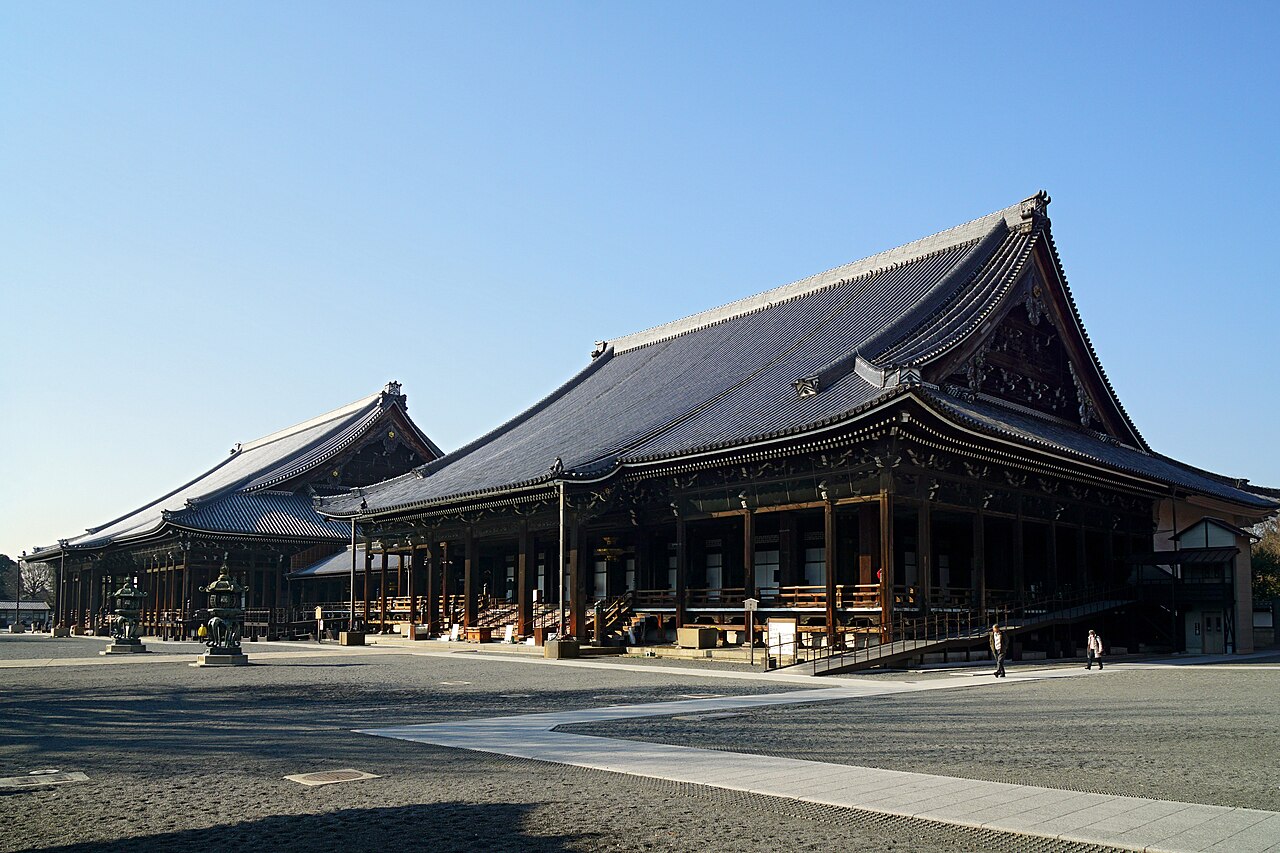
Nishi Hongan-ji Temple
- Must see · Heritage site
- Historic monument
Language · 11 published
Place of worship · Kyoto
壬生寺
Reviewed by Elena Voss · Roavina Travel Editor
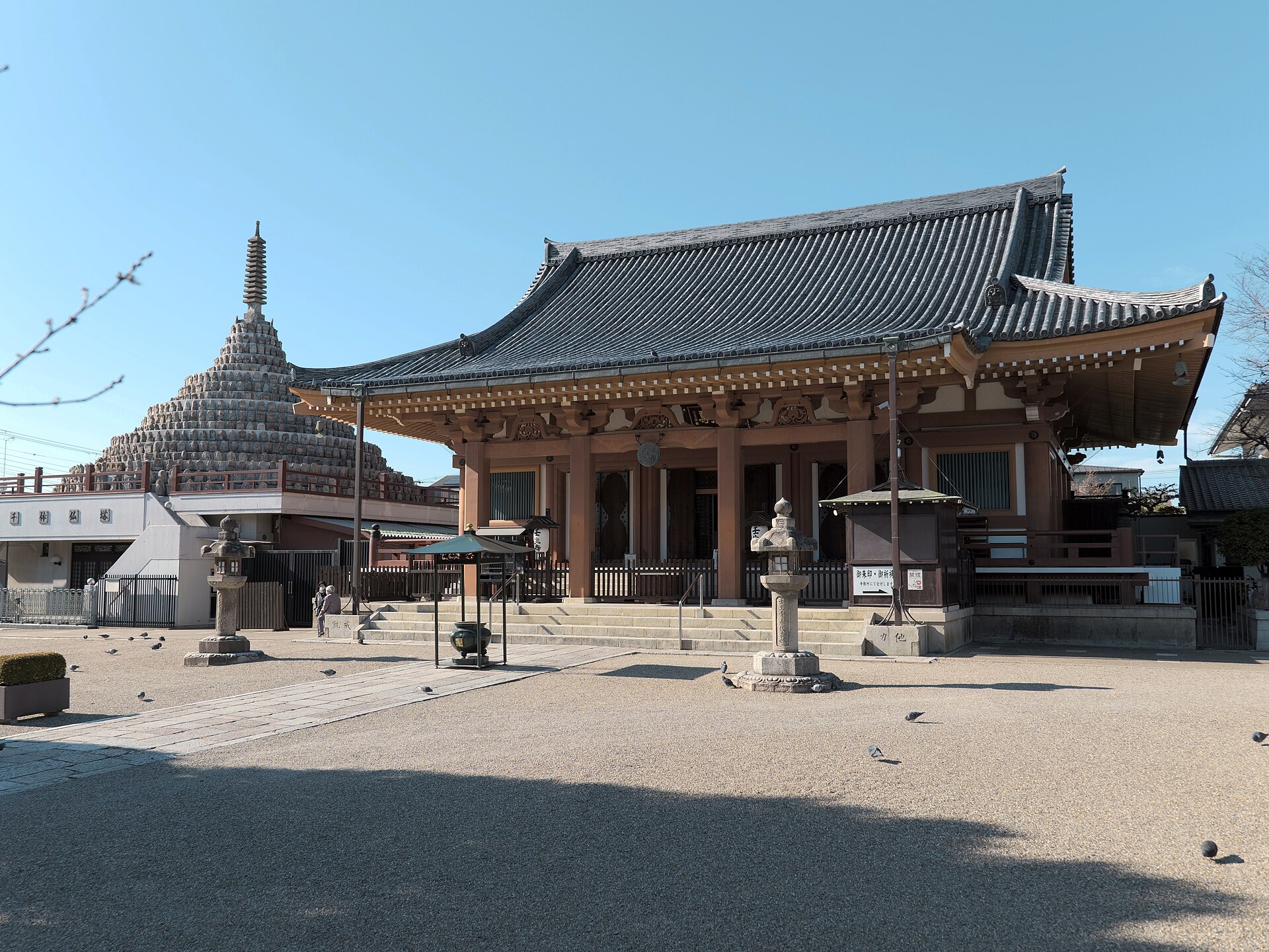
This place is a Place of worship. It was established in 991. It carries the Important Cultural Property of Japan heritage designation.
Mibu-dera is a Buddhist temple in central Kyoto and the headquarters of the Yōgyō school, a branch of the Risshū tradition. The temple is especially important to travelers interested in the Shinsengumi, the special police force active during the late Edo period. Its grounds connect religious practice with the political and social history of Japan’s transition toward modernity. Mibu-dera offers a focused historical stop in Nakagyō Ward, with a more intimate scale than Kyoto’s largest temple complexes. Mibu-dera is a Buddhist temple located in Kyoto, Japan. The temple holds historical significance as the headquarters of the Yōgyō school, a branch of the Risshū tradition. It is particularly renowned for its association with the Shinsengumi, a special police force active during the late Edo period. The temple grounds serve as an important cultural site where visitors can explore connections to both religious history and Japan's turbulent transition to modernity. The location in central Kyoto makes it accessible for those interested in exploring lesser-known historical sites beyond the city's more famous attractions. Yes, Mibu-dera is historically associated with the Shinsengumi. The temple grounds contain graves of several members of this special police force from the late Edo period.
Checked 2026-08-26 · Source
The temple grounds contain traditional Buddhist architecture and graves associated with several Shinsengumi members. These memorials give the site a distinctive historical focus, while the temple’s religious function remains central to the visitor experience. Walk through the grounds with attention to the contrast between active worship and remembrance of people connected with the late Edo period. The complex is not only a military-history stop: it is also a Buddhist temple whose buildings, atmosphere, and memorial spaces deserve quiet and respectful attention.
Checked 2026-08-26 · Source
Plan about thirty to sixty minutes for a straightforward visit through the grounds and principal areas. Travelers with a strong interest in the Shinsengumi may want longer to reflect at the graves and absorb the historical setting. Mibu-dera’s compact scale makes it easy to add to a central Kyoto walking day. Keep the visit focused rather than trying to treat it like a large estate. A calm circuit through the complex gives enough time for both the religious setting and its Shinsengumi connection.
Checked 2026-08-26 · Source
Mibu-dera suits a central Kyoto itinerary in every season, with spring and autumn offering comfortable conditions for walking around the grounds. Summer can be hot and humid, while winter provides a quieter setting. The temple’s association with the Shinsengumi makes it especially rewarding for visitors already exploring late-Edo history in Kyoto. Religious activity can share the grounds with sightseeing, so choose a time when you can move without rushing. Combining Mibu-dera with nearby central destinations keeps the day efficient.
Checked 2026-08-26 · Source
Plan the stop around its temple grounds, architecture, and Shinsengumi memorials rather than around a specific ticket expectation. Traditional religious sites can use different arrangements for general grounds and particular spaces. Follow the entrance instructions presented at the temple and carry a practical payment method for a cultural outing. Do not treat prices from other Kyoto temples as applying here.
Checked 2026-08-26 · Source
Mibu-dera is in Nakagyō Ward in central Kyoto, within the city’s established public-transport network. It is well suited to a day organized around central neighborhoods, with walking, buses, taxis, and cycling all useful depending on the rest of the route. The supplied record does not identify a particular station, bus stop, or walking distance, so use the temple’s map position for the final approach. Build the visit into a compact central route rather than crossing the city solely for this one stop.
Checked 2026-08-26 · Source
Mibu-dera is an active Buddhist temple and includes graves connected with the Shinsengumi. Keep a quiet manner, dress respectfully, and give worshippers and mourners space. Outdoor paths may include gravel, steps, or uneven ground, so wear comfortable shoes. Follow signs about access and photography, especially near memorial areas. Do not touch graves, monuments, or religious objects. The historical interest of the site should never outweigh the dignity of the people remembered there or the temple’s continuing religious life.
Checked 2026-08-26 · Source
Exterior views of the grounds and architecture can help explain Mibu-dera’s setting, but photography must remain secondary to respect. Take particular care around the graves of Shinsengumi members, worshippers, and any active religious observance. Follow posted notices and staff directions for interiors, altars, and memorial spaces. Avoid flash, tripods, and equipment that obstructs movement unless the site explicitly permits them. If a sign or staff instruction limits photography, put the camera away and continue the visit quietly.
Checked 2026-08-26 · Source
The temple grounds contain graves of several Shinsengumi members, linking Mibu-dera with the special police force active during the late Edo period.
Mibu-dera is the headquarters of the Yōgyō school, a branch of the Risshū tradition of Buddhism.
A focused visit generally takes about thirty to sixty minutes. Shinsengumi enthusiasts may prefer more time for the memorial areas and historical atmosphere.
Mibu-dera is in Nakagyō Ward in central Kyoto, making it a practical addition to a walking day through central neighborhoods.
Look for traditional Buddhist temple architecture and the graves associated with several Shinsengumi members, while respecting the site as an active temple.
Keep quiet, do not touch the graves or memorial objects, leave worshippers and mourners space, and follow all temple notices.
Loading the interactive map…
The interactive map could not be loaded.
Last updated:
Source: OpenStreetMap contributors, Wikidata ·