
3 min walk
Hōkō-ji Temple
- High · Heritage site
- Place of worship
Language · 11 published
Historic monument · Kyoto
耳塚(鼻塚)
Reviewed by Elena Voss · Roavina Travel Editor
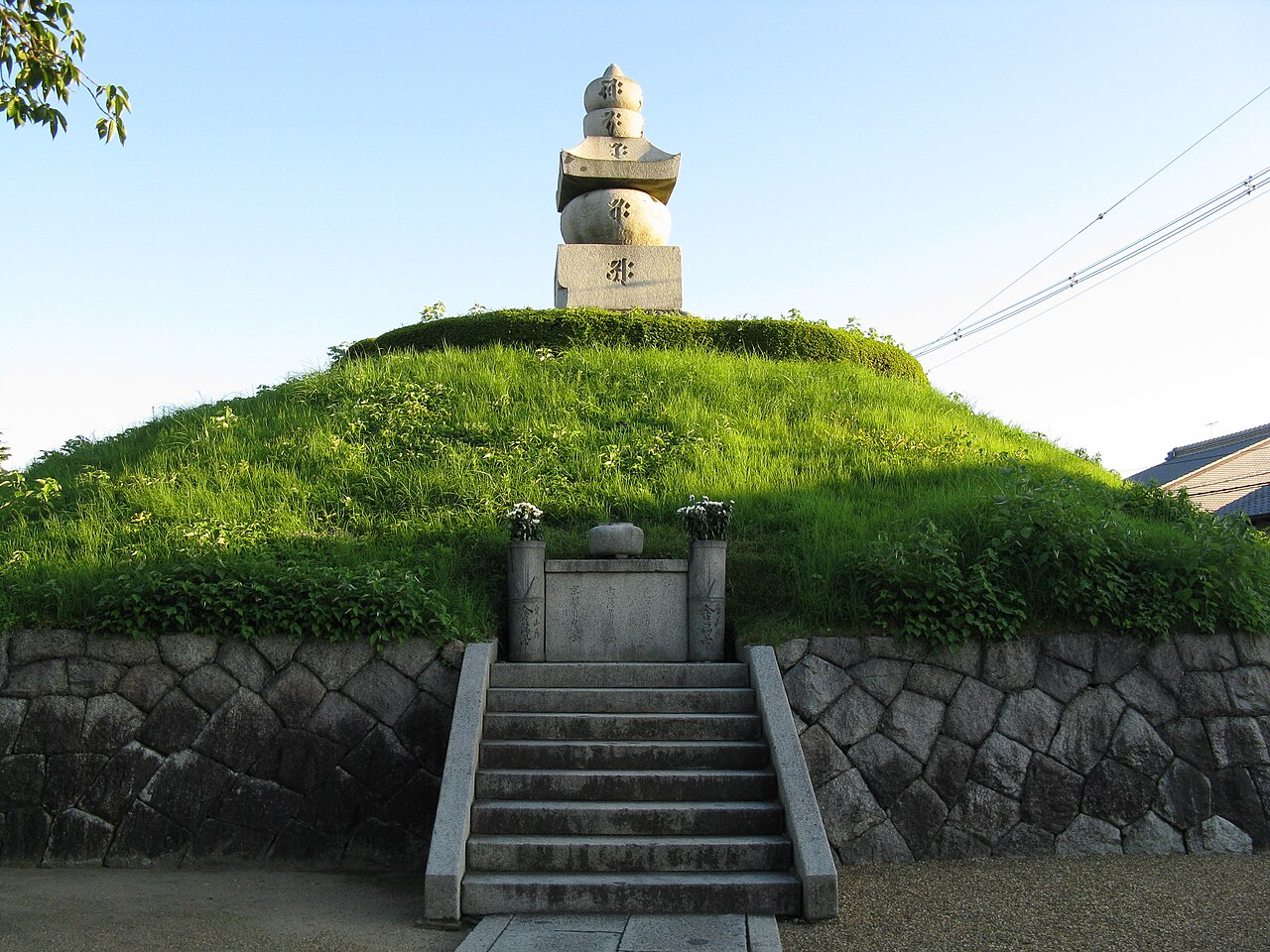
This place is a Tomb. It was established in 1597. It carries the Historic Site of Japan heritage designation.
Mimizuka, also known as Hanazuka, is a historical mound monument located in Kyoto, Japan. The name translates to Mound of Ears or Mound of Noses. It stands as a memorial structure with significant connections to Japan's late 16th-century military campaigns on the Korean Peninsula. The monument is registered on OpenStreetMap and documented in Wikidata. Its dual naming reflects different historical references to the same site. Visitors approaching this location should understand it commemorates violent historical events and maintain appropriate respectful conduct throughout their visit. Mimizuka also earns time in a kyoto itinerary because its setting and role differ from the surrounding ranked stops. Compare the place with the nearby streets before deciding how it fits the day.
Checked 2026-08-28
The physical structure consists of a mound formation containing buried remains. Historical accounts indicate these remains relate to military actions during the Japanese invasions of Korea under Toyotomi Hideyoshi. The site does not contain museum exhibitions, interpretive displays, or visitor facilities based on available documentation. The monument's primary feature is the mound itself as a physical marker of historical events. No interior spaces or constructed buildings are recorded at this location. Visitors should expect an outdoor monument site without additional amenities or explanatory installations present.
Checked 2026-08-28
A visit to Mimizuka requires relatively brief time commitment appropriate for a historical monument without extensive grounds or facilities. Most visitors would spend approximately fifteen to thirty minutes at the site, depending on personal reflection and observation preferences. The location serves primarily as a point of contemplation rather than extended engagement. No walking trails, gardens, or supplementary attractions extend the visit duration. Travelers typically incorporate this stop within broader Kyoto itinerary planning rather than dedicating significant portions of their day exclusively to this monument.
Checked 2026-08-28
No opening or closing times are documented in the provided source materials. As an outdoor monument without gating or enclosed structures, the site may theoretically be accessible at all times, though this cannot be confirmed. Visitors should verify current accessibility through local tourism authorities before planning their visit. Seasonal weather conditions in Kyoto should inform practical timing decisions. The monument lacks lighting for nighttime visitation. Morning or daytime hours likely offer optimal visibility and safety considerations for respectful observation. Check the operator's own site for the travel date before relying on a schedule or fare.
Checked 2026-08-28
No admission fees are documented in the available source materials. The monument's nature as an outdoor historical site without enclosed facilities suggests no ticketed entry system operates. Visitors should not expect payment requirements but should carry resources for incidental expenses. No donation mechanisms or maintenance contribution systems are referenced. Verification with local tourism information centers remains advisable before visiting. Budget planning for this stop need not allocate significant funds beyond standard transportation and personal provisions for Kyoto exploration. Check the operator's own site for the travel date before relying on a schedule or fare.
Checked 2026-08-28
Mimizuka occupies a location within Kyoto's urban fabric. The OpenStreetMap node provides precise coordinate positioning for navigation purposes. Public transportation access would utilize Kyoto's established bus and rail networks with subsequent walking required. Specific route details, transit stops, and walking durations are not recorded in source materials. Visitors should consult current mapping applications and local transit resources for optimized approaches. The monument's relatively compact urban siting suggests reasonable accessibility from central Kyoto accommodations. Cycling or walking may prove viable depending on individual starting locations throughout the city.
Checked 2026-08-28
Visitors must exercise cultural sensitivity given the monument's association with wartime violence and human remains. Photography and behavior should remain respectful and restrained. No specific physical hazards are documented, though standard urban pedestrian awareness applies. The site lacks staff presence, emergency facilities, or visitor services. Language barriers may affect communication with local residents in surrounding areas. Weather exposure requires appropriate preparation as no shelter structures exist. Visitors should verify site conditions before travel as maintenance status and accessibility may change without centralized notification systems operating for this monument.
Checked 2026-08-28
No photography regulations are documented in available sources. Visitors should apply conservative judgment when capturing images at a site containing human remains and violent historical associations. Flash photography would be inappropriate regardless of technical permissions. Tripod or professional equipment use may attract attention without established protocols. Respect for the memorial purpose should govern all photographic decisions. Images shared publicly warrant contextual sensitivity regarding Korean and Japanese historical relations. Drone usage would require compliance with Japanese aviation regulations beyond any site-specific restrictions. Discretion remains the guiding principle for visitor photography conduct.
Checked 2026-08-28
Yes. The site carries both names, with Mimizuka meaning Mound of Ears and Hanazuka meaning Mound of Noses. These dual names reflect different historical references to the same monument location in Kyoto.
The monument connects to the late 16th century, specifically the Japanese invasions of Korea conducted under Toyotomi Hideyoshi's leadership. The remains interred date from this military campaign period.
No facilities, staff, or visitor services are recorded. The monument consists of an outdoor mound structure without buildings, exhibitions, or amenities.
The OpenStreetMap node 5017453391 provides precise coordinates. Current mapping applications and Kyoto transit resources should supplement navigation planning from your specific starting point.
Parental discretion is advised given the monument's association with wartime violence and human remains. No age restrictions are documented, but the historical context requires sensitive presentation to younger visitors.
Specific nearby attractions are not documented in the provided sources. The urban Kyoto location suggests other historical and cultural sites exist within reasonable proximity, though individual research is needed for itinerary integration.
Loading the interactive map…
The interactive map could not be loaded.
Last updated:
Source: OpenStreetMap contributors, Wikidata ·