
3 min walk
Imakumano Kannon-ji Temple
- Notable
- Place of worship
Language · 11 published
Place of worship · Kyoto
泉涌寺
Reviewed by Elena Voss · Roavina Travel Editor
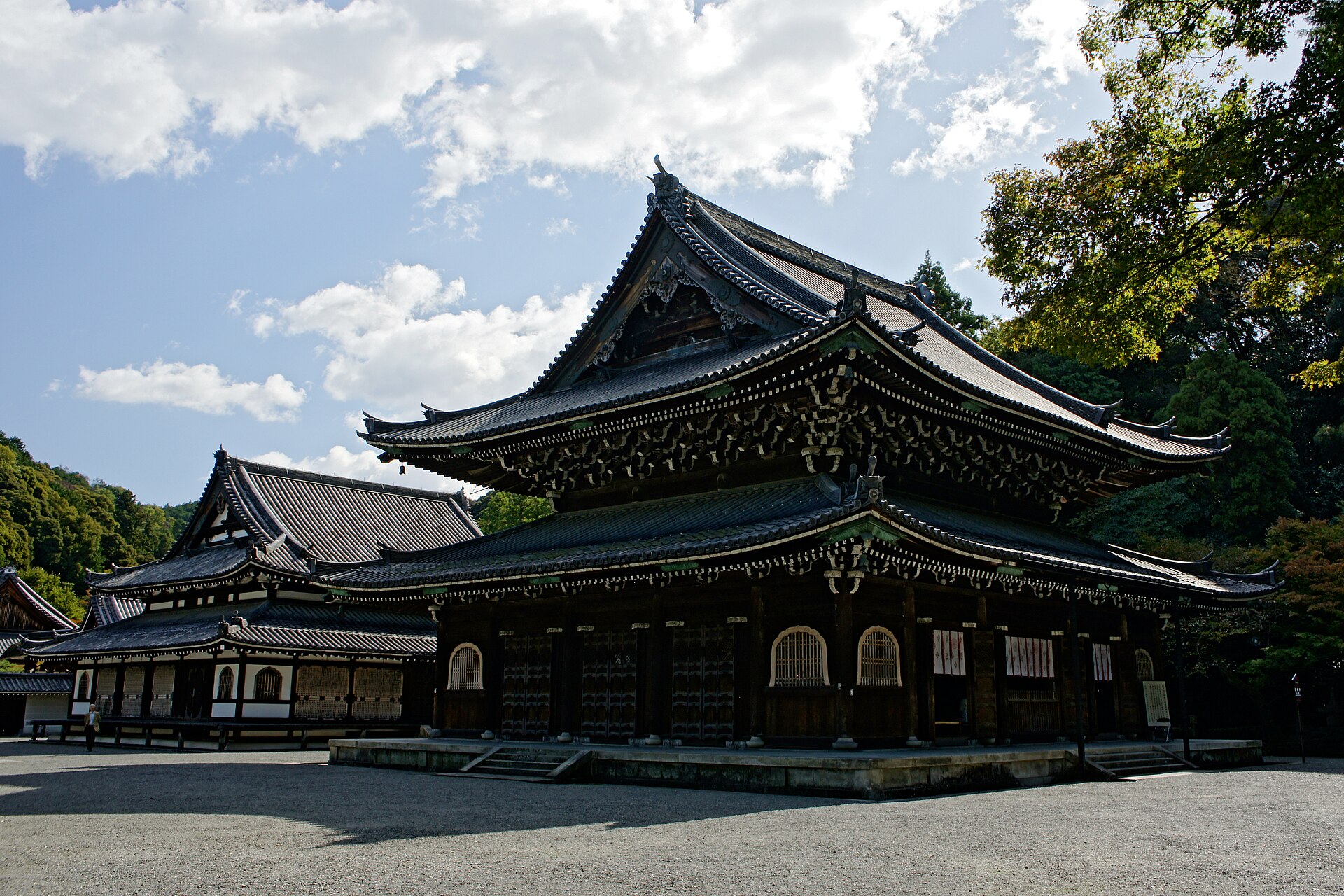
This place is a Place of worship. It was established in 1218. It carries the Important Cultural Property of Japan heritage designation.
Sennyu-ji is a Shingon Buddhist temple in Kyoto’s eastern Higashiyama area, known for its long connection with the imperial household. As a monzeki temple, it carries a courtly dimension alongside its religious life: the buildings, grounds, and atmosphere are best approached as a working temple rather than a conventional museum. The name is associated with a spring once found on the temple grounds. For travellers, the appeal lies in a quieter, more contemplative side of Kyoto, where religious architecture, wooded surroundings, and imperial associations come together. It is a rewarding stop for visitors who want to understand how Buddhist practice and court culture shaped the city beyond its headline attractions.
Checked 2026-08-26 · Source
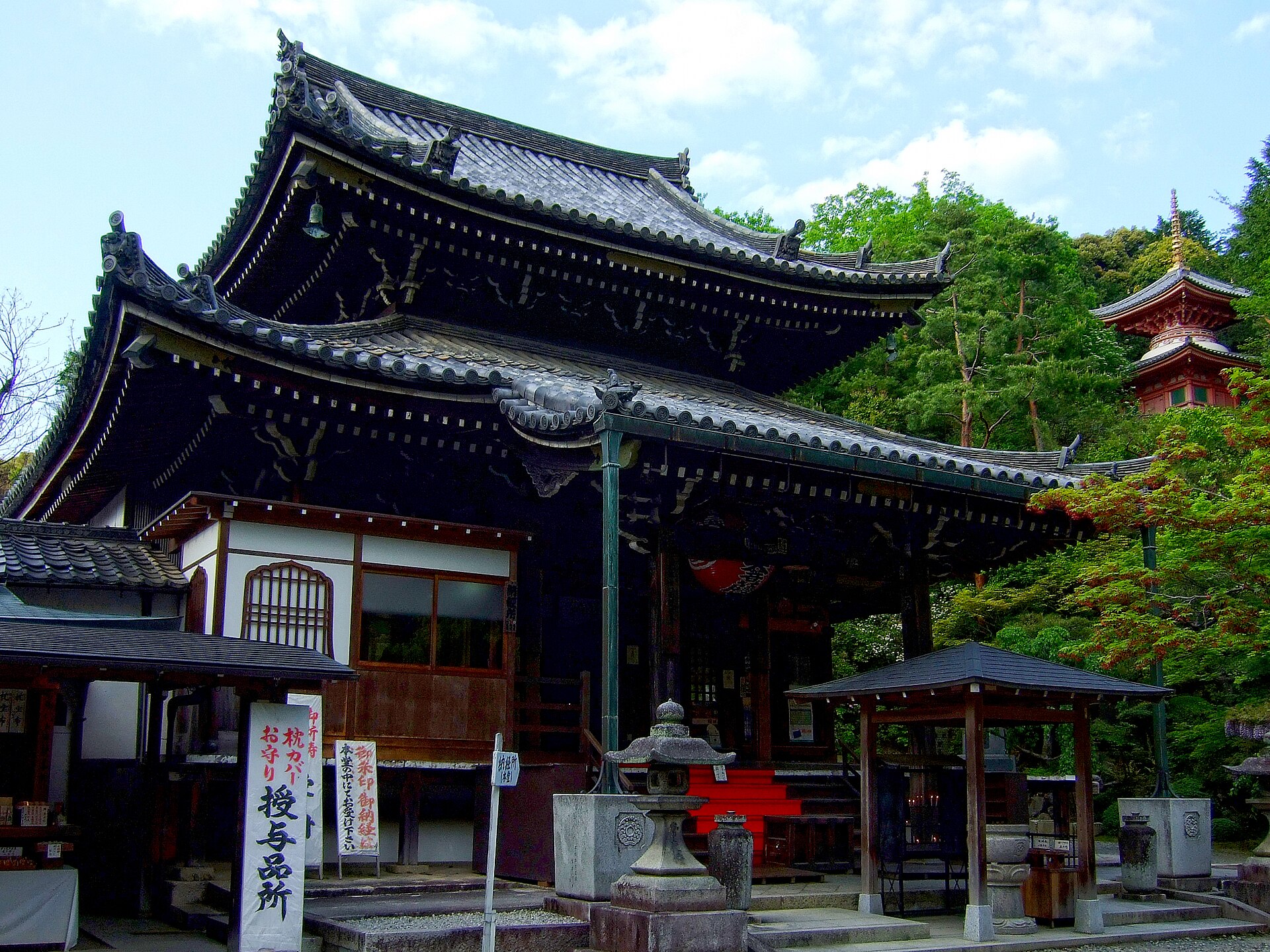
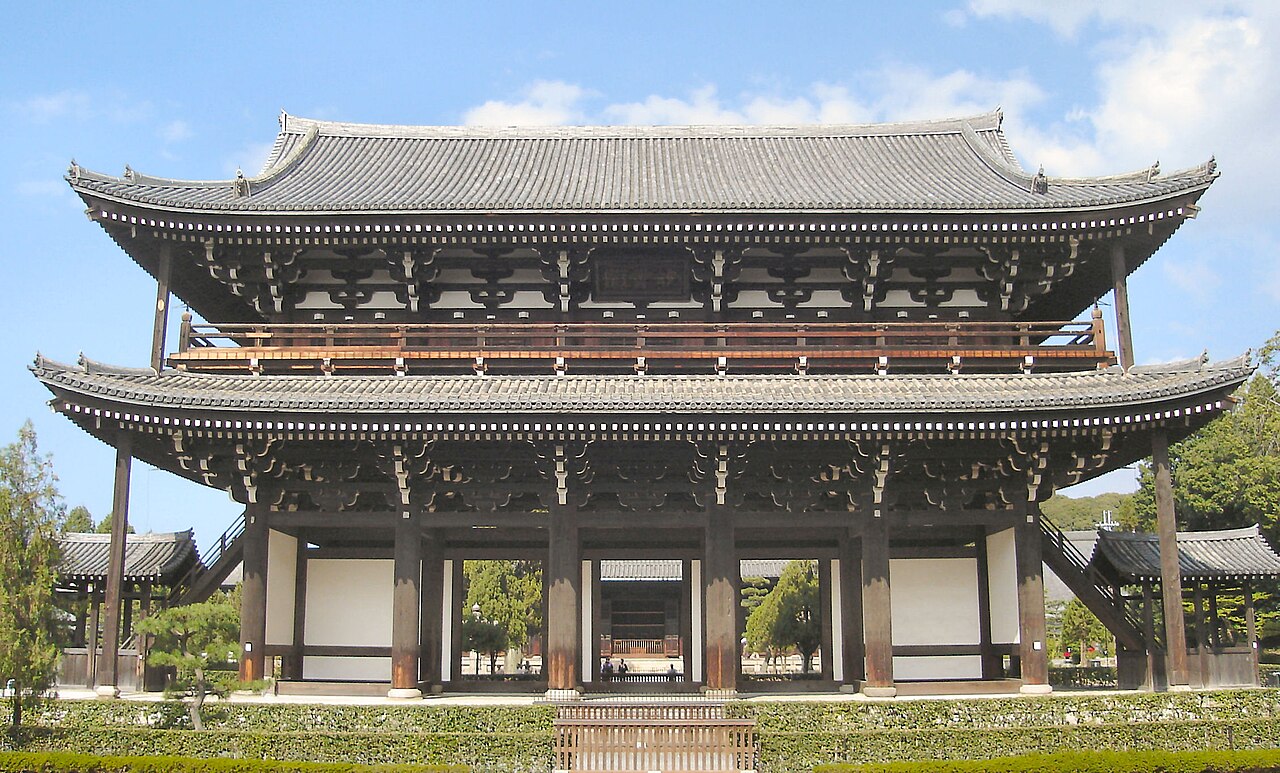
Explore Sennyu-ji as a temple complex of halls, worship spaces, mature trees, and landscaped grounds. Traditional Japanese architecture sets the tone, while the setting gives the visit a sense of separation from Kyoto’s busier streets. The most useful way to experience the site is to move slowly between the buildings and open areas, looking at proportions, rooflines, entrances, and the relationship between architecture and greenery. Its imperial history adds another layer to what you see: details that might otherwise seem restrained or formal become part of a larger story about religious institutions serving both spiritual and courtly worlds. The visit is atmospheric and architectural, with the emphasis on place, quiet observation, and religious context.
Checked 2026-08-26 · Source
Allow around 45 minutes to an hour for a meaningful first visit. That gives you time to walk through the grounds without turning the temple into a rushed photo stop, pause near the halls, and take in the wooded setting. Travellers especially interested in Buddhist architecture, Japanese gardens, or imperial history may want longer for slower observation. Build in extra time if you are visiting several Higashiyama temples in one outing, since the approaches between sites can take as much attention as the destinations themselves. A calm pace suits Sennyu-ji better than trying to compress it into a few hurried minutes.
Checked 2026-08-26 · Source
Spring and autumn bring especially attractive conditions to Kyoto, but they also draw more visitors across Higashiyama. A morning visit usually offers the best chance of a calmer atmosphere and softer light around the temple buildings. Summer is hot and humid, so the shaded setting can be welcome while walking still requires care. Winter is colder but can feel particularly peaceful. Religious observances and ceremonies may change how parts of a working temple are experienced, so treat the visit as a respectful encounter with an active religious place. Sennyu-ji works well on a day devoted to eastern Kyoto, when you can give the temple enough time rather than rushing between distant districts.
Checked 2026-08-26 · Source
Plan Sennyu-ji as a temple visit rather than a ticketed museum experience. The available guide information does not establish a current admission amount or a confirmed ticket structure, so no price should be built into a fixed Kyoto budget from this guide alone. Carrying some Japanese yen is sensible for a religious site, but the central practical point is to arrive prepared for the entrance arrangements presented on the day. The value of the stop is its setting, architecture, and religious atmosphere, especially for travellers building a quieter Higashiyama itinerary around temples rather than commercial attractions.
Checked 2026-08-26 · Source
Sennyu-ji is in Kyoto’s eastern Higashiyama area, where a visit naturally involves combining public transport with walking. City buses serve the wider district, and the final approach leads through streets and terrain associated with Kyoto’s eastern temple neighbourhoods. Expect the walk to be more important than the last vehicle stop: allow time for a steady approach and wear comfortable shoes. Travellers exploring Higashiyama can connect the temple with other religious sites in the same broad excursion, but distances and slopes make a tightly timed sequence impractical. A map is useful for the final approach, particularly when moving away from the main tourist corridors.
Checked 2026-08-26 · Source
Sennyu-ji remains a religious site, so quiet behaviour, modest dress, and attention to signs are part of the visit. Some temple buildings may require shoes to be removed, and worship or ceremonies take priority over sightseeing. Paths can be uneven or sloped, making supportive footwear useful. Higashiyama becomes crowded during spring blossoms and autumn foliage, which can slow the approach and reduce the feeling of quiet. Outdoor conditions matter in every season: summer heat and humidity, winter cold, and wet surfaces can affect comfort. Keep the visit unhurried and avoid treating religious spaces as a backdrop for disruptive group activity.
Checked 2026-08-26 · Source
Use photography as a quiet way to remember the architecture and setting, not as the purpose of the visit. Exterior views of the halls, trees, and landscaped grounds can convey the temple’s calm relationship with its surroundings. Inside religious buildings, follow every posted restriction and leave the camera away when worship or ceremony is taking place. Avoid flash, intrusive angles, and photographing people engaged in prayer. Keep equipment discreet on narrow paths, and do not let tripods or repeated takes obstruct other visitors. The strongest images at Sennyu-ji will often come from restrained compositions that show rooflines, greenery, and the atmosphere of eastern Kyoto together.
Checked 2026-08-26 · Source
Sennyu-ji is an active Shingon Buddhist temple in Kyoto’s Higashiyama area, with a long-standing connection to the imperial household through its monzeki status.
You can explore traditional temple architecture, halls, mature trees, landscaped grounds, and the quieter religious atmosphere of eastern Kyoto.
Allow roughly 45 minutes to an hour, with additional time if you prefer slow observation or are combining the temple with other Higashiyama sites.
Morning visits in spring or autumn offer attractive light and seasonal scenery, while winter is quieter and summer brings heat and humidity.
Wear comfortable shoes for walking in the Higashiyama area and bring a respectful attitude suited to an active Buddhist temple; some interiors may require shoes to be removed.
Yes. Its eastern Kyoto setting makes it suitable for a temple-focused outing, provided you leave enough time for walking between sites and for the approach itself.
Loading the interactive map…
The interactive map could not be loaded.
Last updated:
Source: OpenStreetMap contributors, Wikidata ·