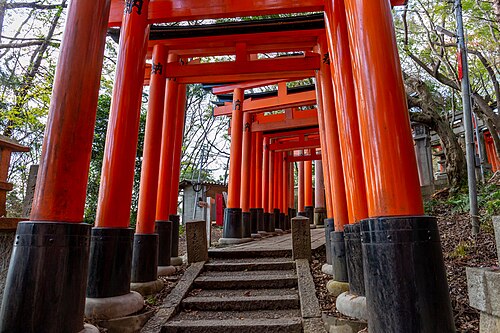
Fushimi Inari-taisha
伏見稲荷大社
Fushimi Inari Taisha is a Shinto shrine located in Fushimi Ward, Kyoto. It serves as the head shrine of approximately 30,000 Inari shrines across Japan.
- Must see
- Place of worship
City guide · Japan
Kyoto's major sights are distributed across the centre and four broad edges rather than concentrated in one old-town core. Downtown and Kyoto Station form the c...
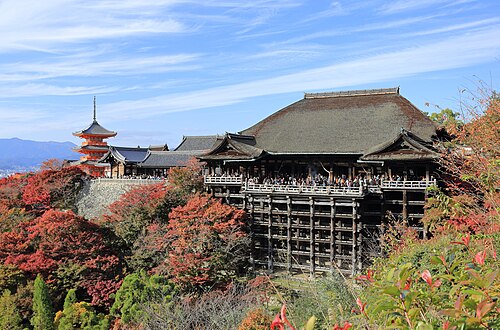
Photograph · Martin Falbisoner · CC BY-SA 4.0
Set your days, your pace and the hours you actually want to be out. The planner works around closing days and travel time, and leaves room to eat.
Reviewed by Elena Voss · Roavina Travel Editor
Kyoto's major sights are distributed across the centre and four broad edges rather than concentrated in one old-town core. Downtown and Kyoto Station form the central transport spine; Higashiyama and Gion lie east, Arashiyama lies west, and major temple districts extend north and south. Efficient visits combine nearby places and avoid returning through Kyoto Station between every stop.
Checked 2026-08-26
September · September in Kyoto has mean high 29.2°C and rainfall 178.5 mm. Rainfall or warmer afternoons are the manageable compromise. A mixed indoor-outdoor plan keeps a September visit to Kyoto comfortable.
Ranked by importance — sitelinks, pageviews and heritage status, not editor preference.
88 places match
Category
Typical visit duration
Interests
伏見稲荷大社
Fushimi Inari Taisha is a Shinto shrine located in Fushimi Ward, Kyoto. It serves as the head shrine of approximately 30,000 Inari shrines across Japan.
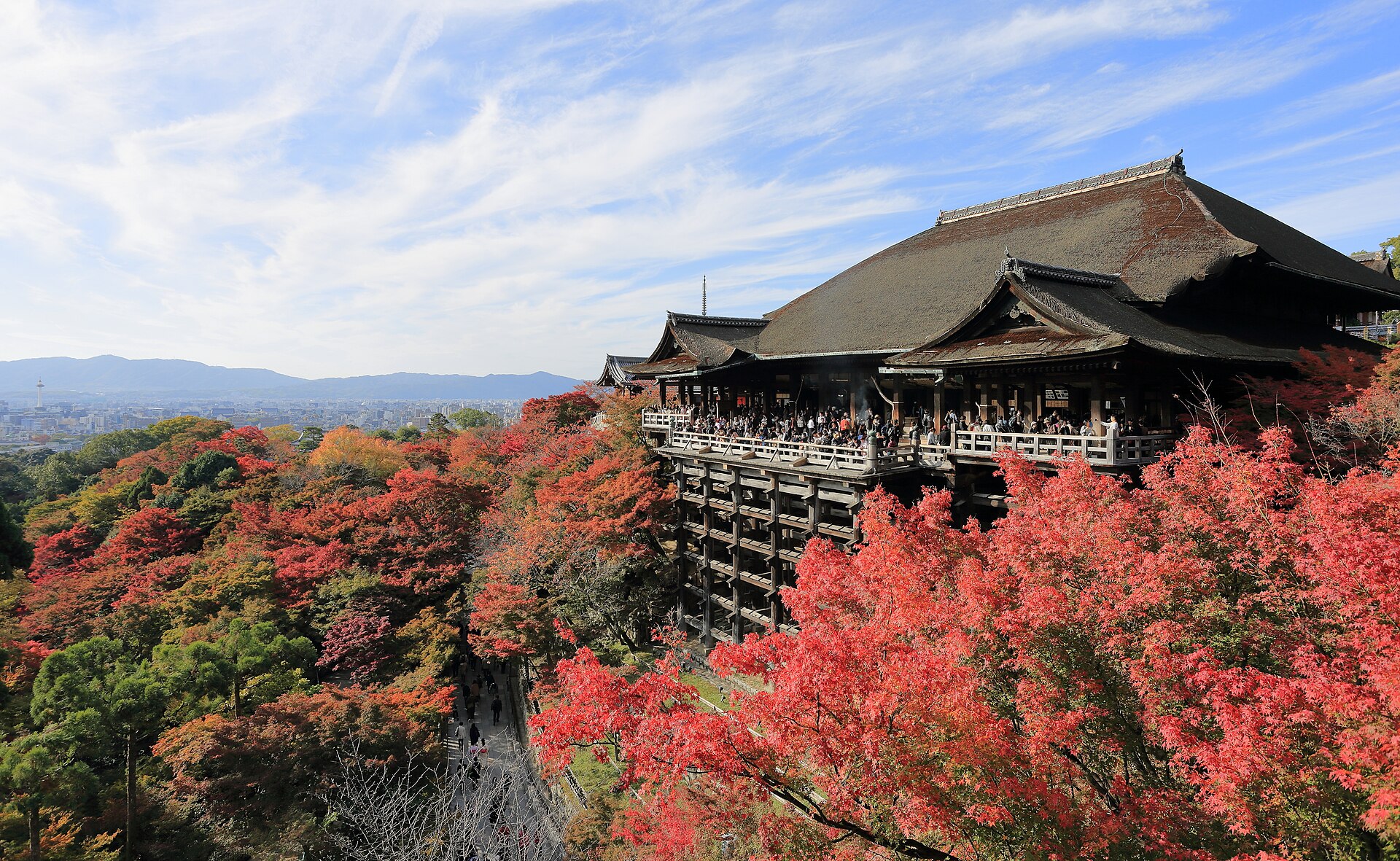
清水寺
Kiyomizu-dera stands on the wooded slope of Mount Otowa at the eastern edge of Kyoto, above the Higashiyama district and roughly a kilometre uphill from the nearest bus stop.
金閣寺
The temple everyone calls Kinkaku-ji is officially Rokuon-ji, a Rinzai Zen temple of the Shokoku-ji branch in the north-western corner of Kyoto.
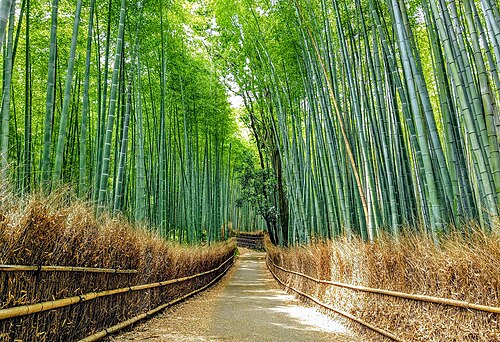
嵐山竹林
Arashiyama Bamboo Grove is a renowned natural attraction in the Arashiyama district of western Kyoto. The site features a dense stand of tall bamboo stalks forming a distinctive pathway that draws visitors from across the world.
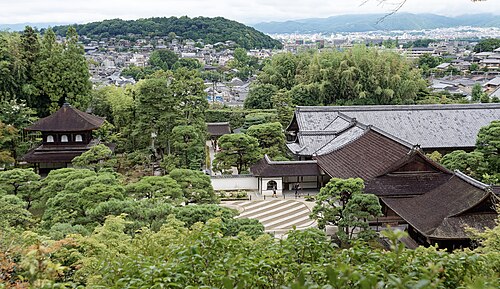
銀閣寺
Ginkaku-ji is the popular name for Jisho-ji, a Zen temple on the eastern hills of Kyoto and, in its own words, one of the affiliate temples of Shokoku-ji, the head temple of the Rinzai Shokoku-ji branch that still runs it.
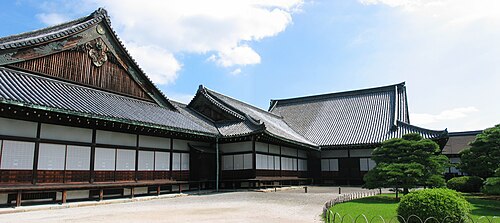
二条城
Nijo-jo Castle is the Kyoto seat of the Tokugawa shoguns, completed in 1603 on the orders of Tokugawa Ieyasu in the year he was appointed Shogun, and it bracketed the whole of the regime it was built for.
Central Kyoto includes Kyoto Station, downtown, Nishiki Market, Nijo Castle and the Imperial Palace area. Eastern Kyoto contains Higashiyama, Kiyomizu-dera, Gion, Okazaki and the Philosopher's Path. Arashiyama anchors the west, while Kinkaku-ji and northern temples need their own route. Fushimi and Fushimi Inari lie south. Build days around these geographic sectors instead of a single attraction list.
Checked 2026-08-26
Combine trains, subway and buses rather than relying on buses alone. Kyoto's official guide recommends using rail to approach major sightseeing districts, then transferring where needed, which reduces exposure to road congestion. Walk within Higashiyama, downtown or Arashiyama once there. Kyoto Station is useful for arrivals, but other JR stations may provide a more direct approach to specific districts.
Checked 2026-08-26
A fixed duration is not recorded. Plan by geographic sector and allow separate blocks for eastern Kyoto, central Kyoto, Arashiyama, the north and Fushimi.
Some are, but the major districts sit on different sides of the city. Higashiyama works as a walking cluster, while Arashiyama, northern temples and Fushimi require separate journeys.
No. The official guide recommends combining trains and buses. Rail often bypasses road congestion and can bring you closer to a district before a shorter transfer or walk.
Higashiyama and Gion form a strong walking corridor, as do parts of downtown around Nishiki Market. Reach the district first, then continue between nearby sights on foot.
No. The official guide notes that stations such as Nijo, Enmachi, Tofukuji and Yamashina can provide more direct approaches to particular sightseeing areas and reduce crowding.