
15 min walk
Kyu-Furukawa Gardens
- Must see · Heritage site
- Nature site
Language · 11 published
Nature site · Tokyo
飛鳥山公園
Reviewed by Elena Voss · Roavina Travel Editor
| Monday |
09:00 – 16:30
Valid 2026-03-01 – 2026-11-30 |
|---|---|
| Monday |
09:00 – 16:00
Valid 2026-12-01 – 2027-02-28 |
| Tuesday |
09:00 – 16:30
Valid 2026-03-01 – 2026-11-30 |
| Tuesday |
09:00 – 16:00
Valid 2026-12-01 – 2027-02-28 |
| Wednesday |
09:00 – 16:30
Valid 2026-03-01 – 2026-11-30 |
| Wednesday |
09:00 – 16:00
Valid 2026-12-01 – 2027-02-28 |
| Thursday |
09:00 – 16:30
Valid 2026-03-01 – 2026-11-30 |
| Thursday |
09:00 – 16:00
Valid 2026-12-01 – 2027-02-28 |
| Friday |
09:00 – 16:30
Valid 2026-03-01 – 2026-11-30 |
| Friday |
09:00 – 16:00
Valid 2026-12-01 – 2027-02-28 |
| Saturday |
09:00 – 16:30
Valid 2026-03-01 – 2026-11-30 |
| Saturday |
09:00 – 16:00
Valid 2026-12-01 – 2027-02-28 |
| Sunday |
09:00 – 16:30
Valid 2026-03-01 – 2026-11-30 |
| Sunday |
09:00 – 16:00
Valid 2026-12-01 – 2027-02-28 |
Parsed from OpenStreetMap opening hours on 2026-09-09.
It was established in 1873.
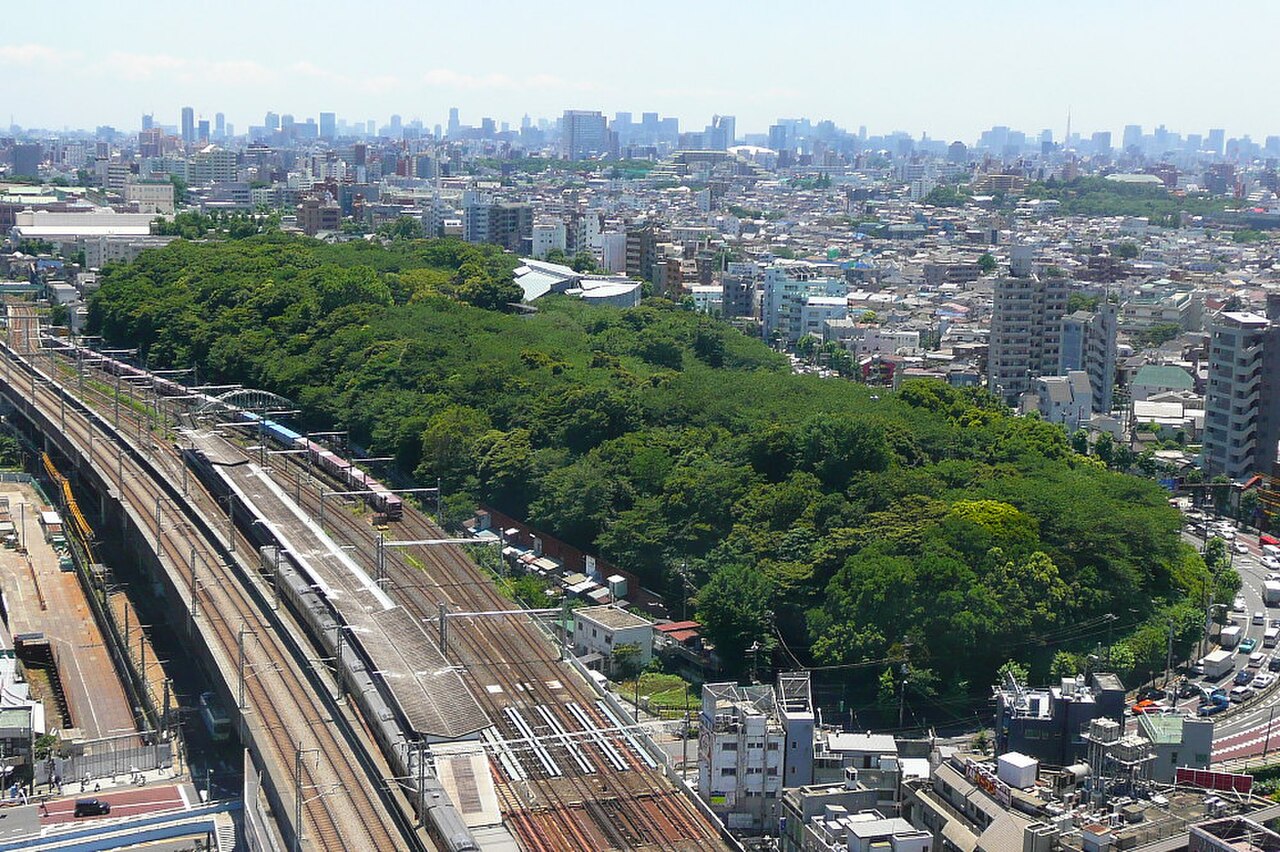
Asukayama Park is a public park in Kita ward, northern Tokyo, known locally as 飛鳥山公園. It is one of Japan’s oldest parks and was established as a recreational area during the Edo period. The park occupies elevated ground, giving the visit a distinctly open character within the dense metropolitan landscape. Mature trees, landscaped grounds, walking routes, and seasonal scenery make it a useful place to slow down between urban sights. The setting combines everyday neighbourhood life with a long recreational tradition, so the experience is less about a single monument and more about strolling, resting, and taking in Tokyo from a green hilltop.
Checked 2026-08-26 · Source
Walking paths cross the park’s hilly terrain and lead through mature trees, landscaped areas, and open grassy spaces. Cherry trees are an important seasonal feature, drawing visitors during spring bloom. The elevated position creates viewpoints toward the surrounding urban landscape, while the greenery offers shade and a calmer rhythm than the streets below. Bring time for both movement and rest: follow the paths at an easy pace, pause beneath the trees, and use the open areas for a quiet break. The park’s character comes from the relationship between natural scenery, slopes, and city views rather than from a tightly programmed sequence of indoor attractions.
Checked 2026-08-26 · Source
Plan about thirty minutes to one hour for a straightforward walk through the main paths and viewpoints. Add more time if you want to sit beneath the mature trees, enjoy the grassy areas, or linger among the cherry trees during spring. The park can work as a short green pause in a Kita ward itinerary, but its elevated paths reward a slower visit. Your pace will depend on how much time you spend resting, photographing the landscape, or taking in the urban outlook. Treat the visit as an unhurried walk rather than a race from entrance to exit.
Checked 2026-08-26 · Source
Spring is the standout season for Asukayama Park because the cherry trees bring a special sense of occasion to the grounds. Bloom timing changes with the weather, so the character of the visit can vary from early blossoms to fuller spring colour. Autumn adds foliage and cooler walking conditions. Summer brings Tokyo’s heat and humidity, making the shade of the mature trees valuable. Winter is quieter and gives the park a more spacious feel. Daylight is the most natural time for enjoying the paths, greenery, and elevated city views.
Checked 2026-08-26 · Source
Asukayama Park is a public park, so plan the visit as an outdoor walk rather than as a ticketed museum experience. The grounds include paths, trees, landscaped areas, grassy spaces, and city viewpoints, all of which shape the ordinary park visit. Seasonal cherry-blossom periods can make the grounds busier, but the park’s appeal remains its public green setting and historic recreational role. Keep the visit flexible if you are combining it with other northern Tokyo stops, allowing time to pause, walk the slopes, and enjoy the scenery instead of building the day around a timed indoor admission.
Checked 2026-08-26 · Source
The park is in Kita ward, northern Tokyo, and public transportation is the practical way to approach this part of the city. Use a current Tokyo rail map or navigation route from your starting point, then allow time for the final walk through the surrounding urban neighbourhood. Because the park sits on elevated terrain, the approach may include slopes and a change of level. Once inside, walking is the central way to experience the grounds. Leave extra time for wayfinding if this is your first visit to Kita ward or if you are connecting several stops in one day.
Checked 2026-08-26 · Source
The park’s hilltop setting means that some walking routes are sloped, and wet weather can make surfaces more difficult underfoot. Comfortable shoes are useful, especially when you plan to explore rather than remain in one grassy area. Tokyo summers bring heat, humidity, and strong sun, so shade and drinking water should be part of your preparation. Spring blossom periods can be crowded, particularly around attractive trees and open resting areas. Keep personal belongings close in busy public spaces, give other walkers room, and take care on slopes when the ground is wet.
Checked 2026-08-26 · Source
Asukayama Park offers three strong photographic subjects: mature greenery, seasonal cherry blossoms, and elevated views across the surrounding urban landscape. Curving paths and changes in level can add depth to compositions, while the contrast between trees and the metropolitan setting gives the park its sense of place. Spring is especially expressive, though autumn foliage and quieter winter scenes offer different moods. Photograph from the paths and resting areas without blocking circulation. Keep people’s privacy in mind, and let the park remain a shared public space while you work with the available light.
Checked 2026-08-26 · Source
It is a historic public park in Kita ward with mature trees, landscaped grounds, hilly walking paths, grassy areas, cherry trees, and elevated urban views.
The park is known for its Edo-period recreational history, elevated setting, mature trees, and cherry-blossom scenery in spring.
A simple visit takes about thirty minutes to one hour, with extra time worthwhile for resting, photography, seasonal blossoms, and a slower walk through the grounds.
Spring is especially scenic because of the cherry trees. Autumn brings foliage, while winter offers a quieter visit and summer provides shaded walking beneath mature trees.
Wear comfortable shoes for the hilly paths and prepare for Tokyo’s seasonal conditions, especially summer heat, humidity, and sun exposure.
Good subjects include mature trees, cherry blossoms, landscaped paths, grassy areas, and elevated views that place Tokyo’s urban landscape beside the park’s greenery.
Loading the interactive map…
The interactive map could not be loaded.

Last updated:
Source: OpenStreetMap contributors, Wikidata ·