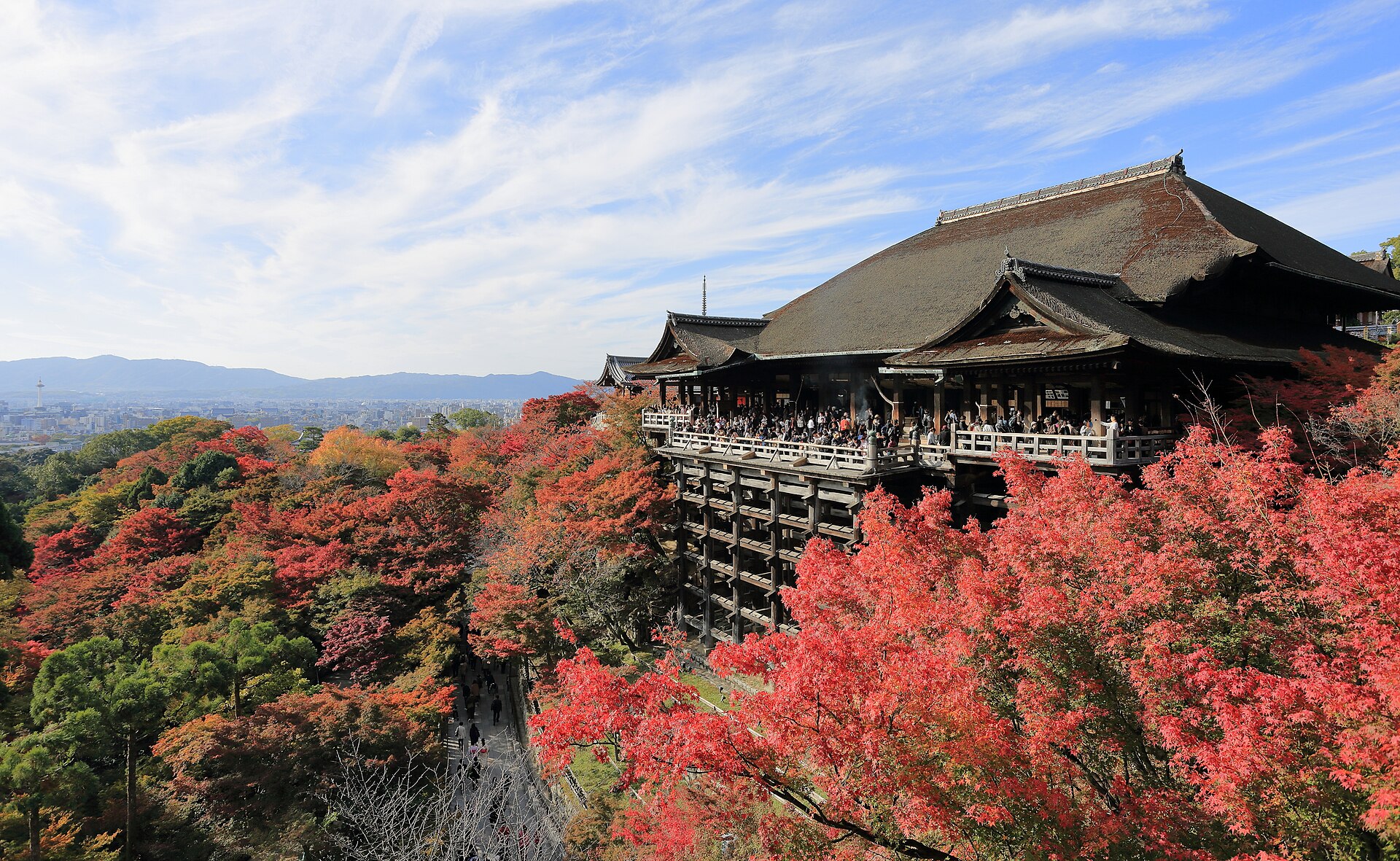
A photograph of Japan

Country guide

Nature sites in Japan — page 2

Around three quarters of Japan is mountain and forest, which pushes almost everyone onto the eastern coastal plains and makes the country far narrower in practi...

Photograph · Midori · CC BY 3.0

47,397 Places
3Cities

Reviewed by Elena Voss · Roavina Travel Editor

Around three quarters of Japan is mountain and forest, which pushes almost everyone onto the eastern coastal plains and makes the country far narrower in practice than 377,975 km2 suggests. Forty-seven prefectures, eight traditional regions and more than 14,000 smaller islands, and yet a first visit usually runs along a single rail corridor with Tokyo at one end and Kyoto and Osaka at the other. Tokyo is the capital and largest city of a country of almost 123 million people. Hokkaido in the north and Okinawa in the south are different climates rather than day trips, and both need their own week.

Checked 2026-08-25

Cities

Every city catalogued in this country so far, ranked by how much there is to see.

Practical information

Language spoken
Japanese
National practical orientation; regional and minority languages may also be used
Dialling code
+81
International calling code; local area and mobile prefixes still apply
Currency
Japanese yen (JPY)
Use the official local currency; card acceptance varies by place
Emergency number
110 police · 119 fire and ambulance
Use only for an emergency; tourist assistance may use a separate number
Plug type
Type A · 100 V
Check that chargers support the recorded voltage before using an adapter
Tap water
Safe from the mains
JNTO states that tap water is safe to drink

Top things to see

Ranked by importance — sitelinks, pageviews and heritage status, not editor preference.

  1. Daimotsu Park Daimotsu Park
    26 1 hour

    Daimotsu Park

    大物公園

    Omono Park, written 大物公園 in Japanese, is a public green space in Osaka. It offers a simple outdoor pause within the city, giving residents and visitors room to walk, rest, and experience a neighborhood park atmosphere.

    • Notable
    • Nature site
    • Osaka
  2. Osaka Fureai no Mizube
    27 1 hour

    Osaka Fureai no Mizube

    大阪ふれあいの水辺(砂浜ゾーン)

    Osaka Fureai no Mizube is an urban waterside recreation area whose local name identifies a sandy beach zone: 大阪ふれあいの水辺(砂浜ゾーン). It brings a beach-like setting into Osaka’s city environment and gives visitors a place to pause beside the water.

    • Notable
    • Nature site
    • Osaka
  3. Meguro River Meguro River
    28 1 hour

    Meguro River

    目黒川

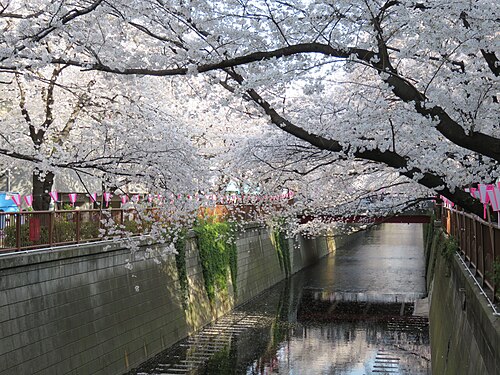
    Meguro River is a canal-like urban waterway running through central Tokyo, stretching approximately eight kilometers from Setagaya Ward through Meguro and Shinagawa wards before reaching Tokyo Bay.

    • Notable
    • Nature site
    • Tokyo
  4. Sumida River Sumida River
    29 1 hour

    Sumida River

    隅田川

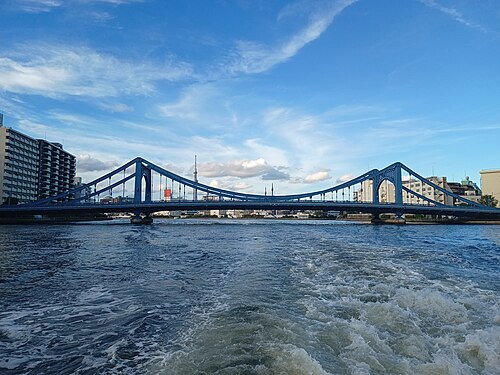
    The Sumida River is a major waterway flowing through eastern Tokyo, connecting the Arakawa River to Tokyo Bay. It has historically defined the city's eastern geography and development.

    • Notable
    • Nature site
    • Tokyo
  5. Osaka Castle Park
    30 1 hour

    Osaka Castle Park

    大阪城公園

    Osaka Castle Park is a public urban park and historic site at Osaka-jo in Chuo-ku, south of the Okawa (Kyu-Yodo River), and the second-largest park in the city.

    • Must see
    • Nature site
    • Osaka

Source: OpenStreetMap contributors, Wikidata ·

Common questions

How long should a first trip to Japan be?

Ten to fourteen days supports four or five days in Tokyo, three or four in Kyoto, and two or three in Osaka. Add Nara or Himeji only after those bases have enough time, and avoid turning every rail stop into a hotel change.

What entry documents are needed for Japan?

Japan's visa exemption or visa requirement depends on passport and travel purpose. Confirm the current rule through Japan's Ministry of Foreign Affairs or the embassy responsible for the traveller's residence.

What is the best way to travel around Japan?

The Tokaido Shinkansen links Tokyo, Kyoto, and Osaka, while local rail and buses cover city travel. An IC card simplifies many local journeys but does not replace every reserved long-distance ticket, and luggage forwarding can reduce friction between bases.

When is a practical time to visit Japan?

March to May and October to November are broad options for the main-island route, with blossom and autumn periods creating concentrated demand. Confirm regional weather and reservations for the exact cities rather than assuming one national season behaves uniformly.

What money and payment basics apply in Japan?

Japan uses the yen (JPY). Electronic payment is common but not universal, so carry some yen for smaller businesses, ticket machines, or rural transport without assuming that one stored-value card works for every purchase.

What practical safety details should I save for Japan?

Japan's emergency numbers are 110 for police and 119 for fire or ambulance. Type A sockets operate at 100 V, which is lower than in the other wave-A countries, and mains tap water is recorded as safe.