Royal Palace of Amsterdam
Koninklijk Paleis
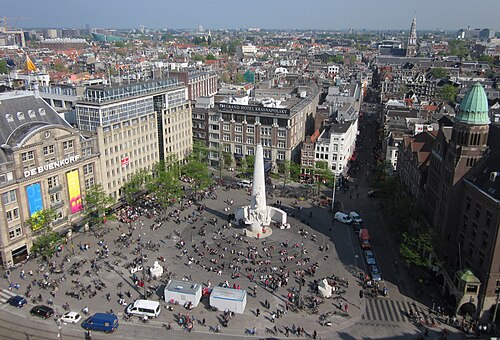
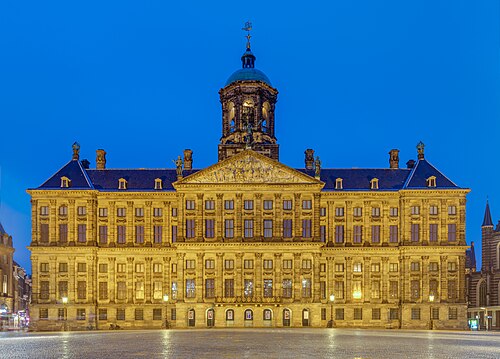
The Royal Palace Amsterdam stands on the west side of Dam Square, opposite the National Monument and beside the Nieuwe Kerk. It was not built as a palace.
- Must see
- Historic monument
- Amsterdam
Country guide
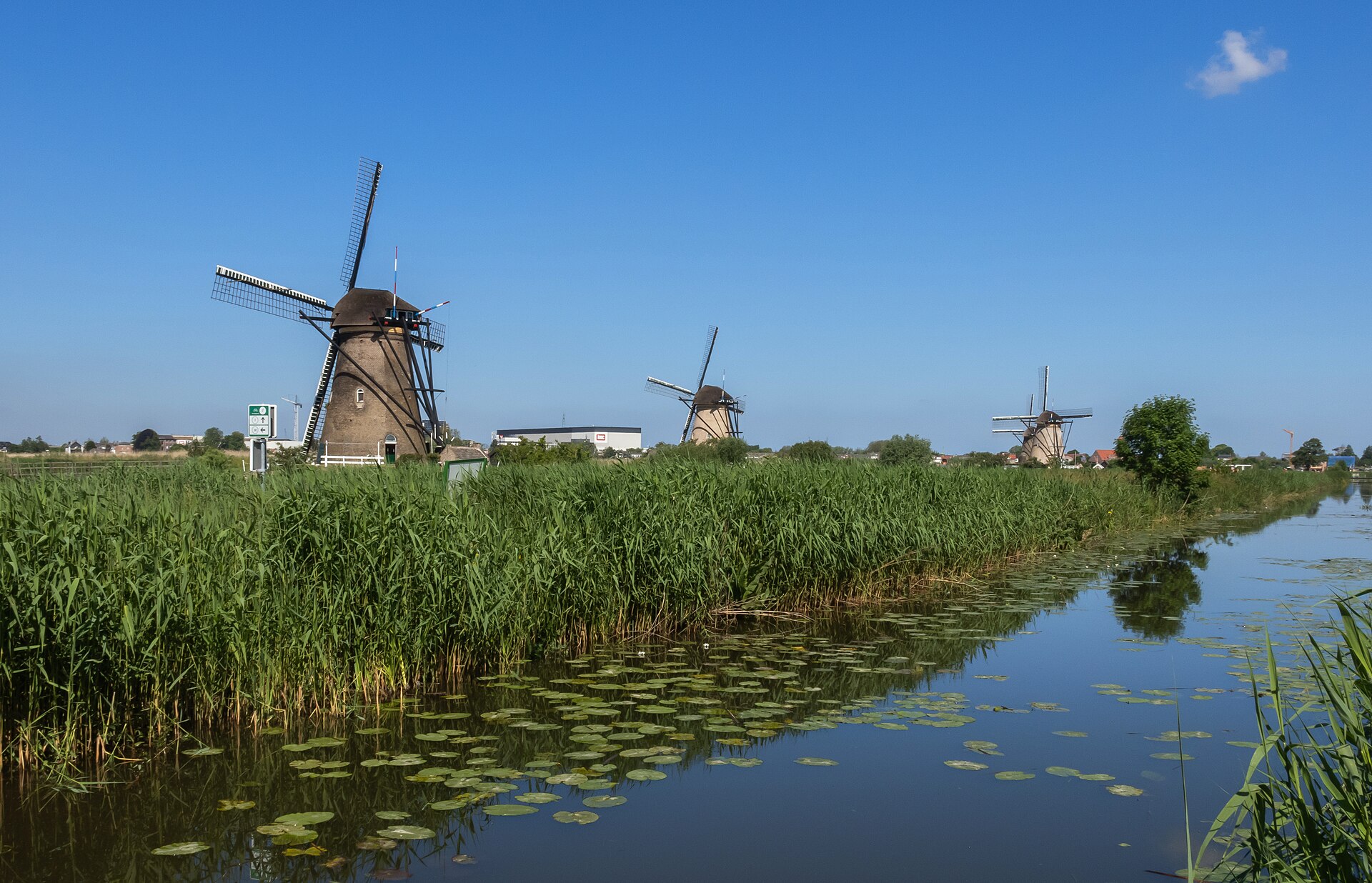
Twenty-six per cent of the Netherlands lies below sea level, and the polders holding that water back have been under construction since the fourteenth century....
Photograph · Michielverbeek · CC BY-SA 4.0
Reviewed by Elena Voss · Roavina Travel Editor
Twenty-six per cent of the Netherlands lies below sea level, and the polders holding that water back have been under construction since the fourteenth century. The 2026 census counted 18,130,208 people on 33,500 km2 of land, a density of 541 to the square kilometre, and that figure is what a visitor actually experiences: towns arriving one after another with worked farmland in between rather than open country. Twelve provinces sit in Europe. Three further special municipalities belong to the same country and are nowhere near it, out in the Caribbean.
Checked 2026-08-25
Every city catalogued in this country so far, ranked by how much there is to see.
Photograph · Diliff · CC BY 2.5
Seasonal closures come from recorded opening hours.
Ranked by importance — sitelinks, pageviews and heritage status, not editor preference.
98 places match
Category
Typical visit duration
Koninklijk Paleis
The Royal Palace Amsterdam stands on the west side of Dam Square, opposite the National Monument and beside the Nieuwe Kerk. It was not built as a palace.
Rembrandthuis
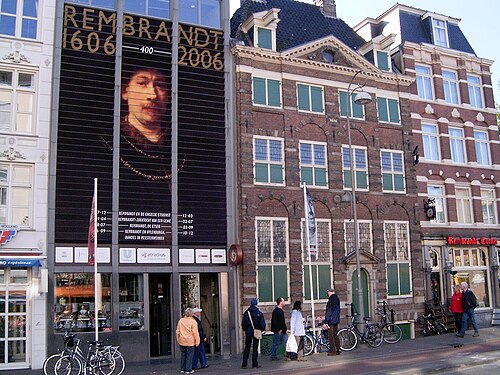
Museum Het Rembrandthuis is the house on Jodenbreestraat that Rembrandt van Rijn bought on 5 January 1639 for thirteen thousand guilders and lived in until his bankruptcy forced its auction in 1658, when it fetched eleven thousand.
Nemo
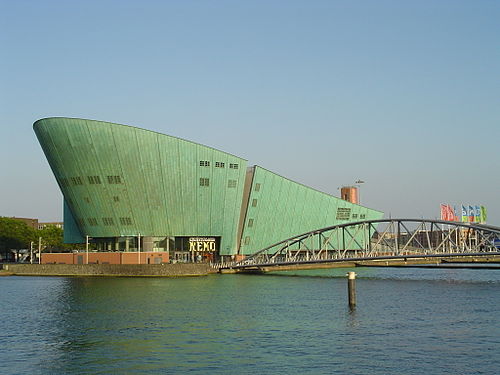
NEMO Science Center is a science museum located in Amsterdam, Netherlands. It is housed in a distinctive green copper-clad building designed by Renzo Piano, which resembles a ship rising from the water.
Artis
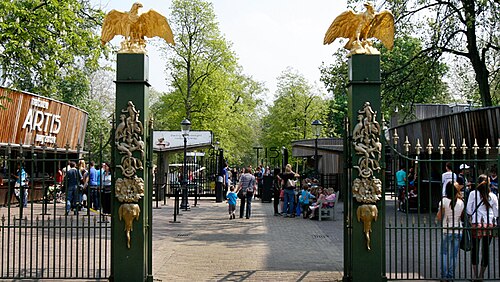
Natura Artis Magistra, known locally as Artis, is a zoo located in Amsterdam. The full Latin name translates roughly to Nature is the Teacher of Art.
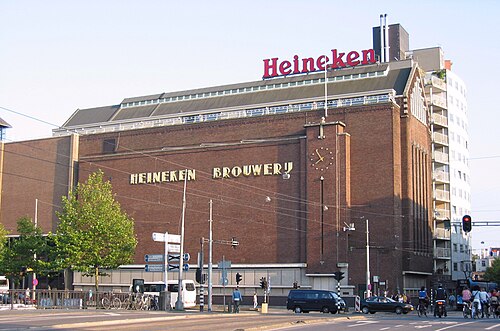
The Heineken Experience is a visitor attraction located in Amsterdam, housed in a former Heineken brewery. The building served as the company's primary brewing facility from 1867 until 1988, when production moved to larger premises outside the city center.
Het Scheepvaartmuseum
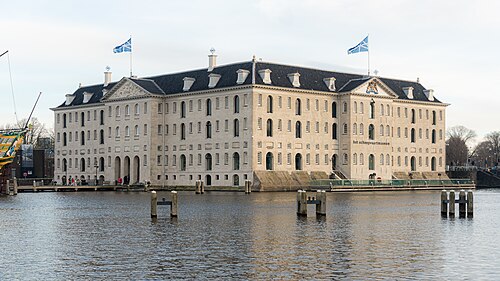
Het Scheepvaartmuseum is the National Maritime Museum of the Netherlands, housed in a former naval arsenal built in 1656. The monumental building stands on the waterfront near Amsterdam's city center, serving as a major institution dedicated to Dutch maritime history.
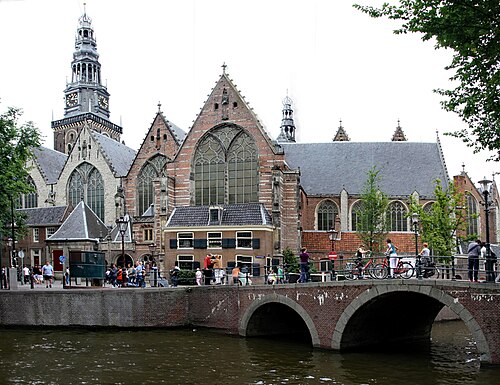
The Oude Kerk is the oldest building in Amsterdam and, since 2012, a museum of contemporary art that happens to be a medieval parish church.
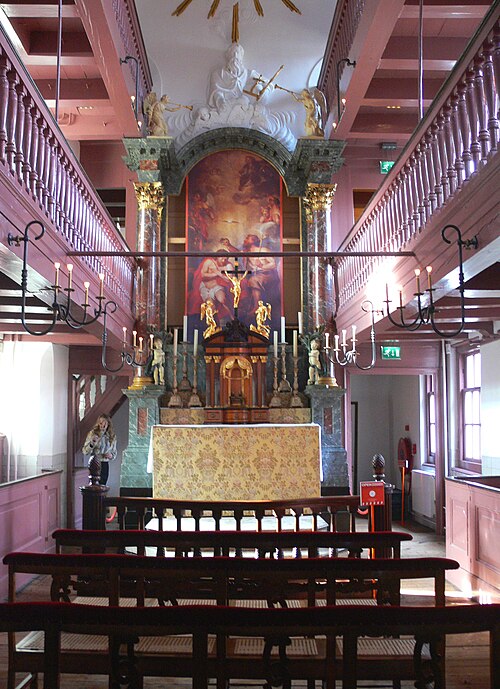
Ons' Lieve Heer op Solder
Ons' Lieve Heer op Solder is a museum in Amsterdam centred on a hidden Catholic church built in the attic of a seventeenth-century canal house.
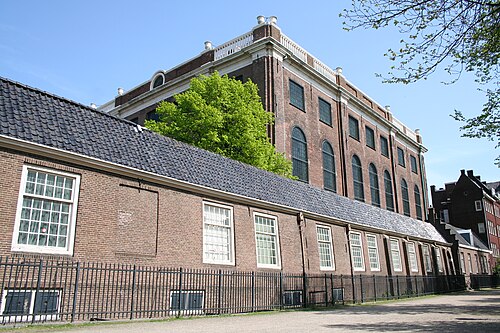
Portugese Synagoge
The Portuguese Synagogue stands on Mr. Visserplein in central Amsterdam and is known to the community that built it as the Esnoga, the Judaeo-Spanish word for synagogue.
Nationaal Holocaustmuseum
The National Holocaust Museum in Amsterdam occupies a former nursery and teacher training college that served as a clandestine escape route for Jewish children during the German occupation of the Netherlands.
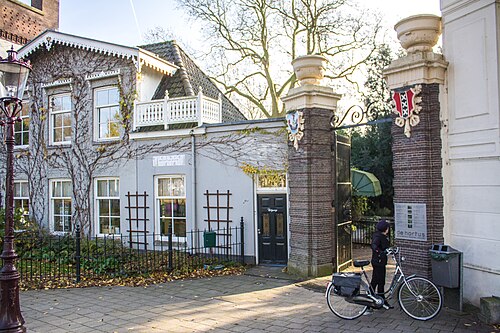
Hortus Botanicus
Hortus Botanicus Amsterdam is one of the oldest botanical gardens in the world, established in 1638. Originally founded as a medicinal herb garden for doctors and apothecaries, it has evolved into a significant scientific and cultural institution.
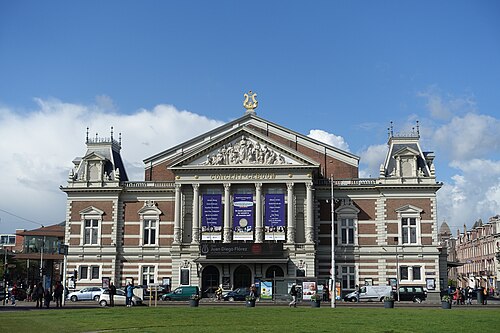
The Concertgebouw is a concert hall in Amsterdam, Netherlands. It serves as the home of the Royal Concertgebouw Orchestra and hosts classical music performances. The building is located on Museumplein, near other major cultural institutions.
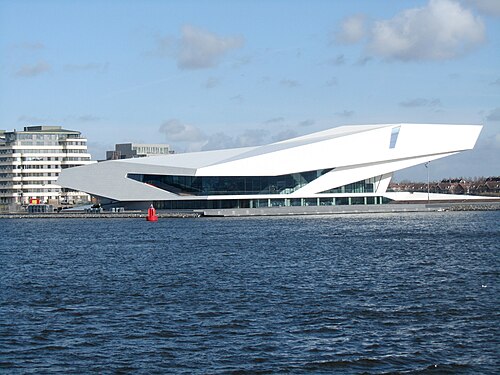
Eye Filmmuseum is a museum dedicated to film culture situated on the northern bank of the IJ river in Amsterdam. The building occupies a prominent position opposite Amsterdam Central Station, accessible by ferry.
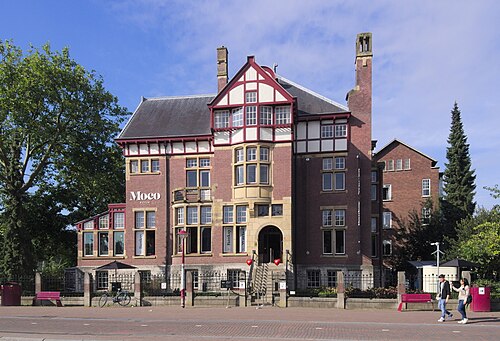
Moco Museum is a private contemporary art museum in Amsterdam. The institution occupies a historic townhouse near Museumplein in the city's Museum Quarter. It positions itself as a boutique museum experience focused on modern and contemporary art movements.
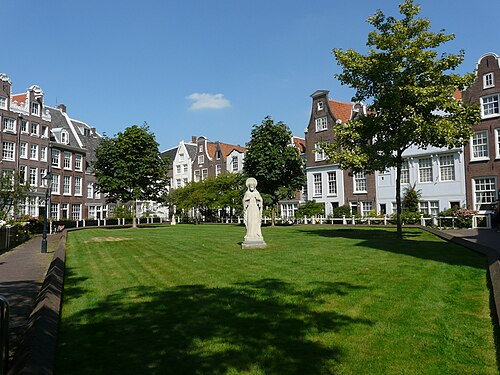
Begijnhof is a historic courtyard in central Amsterdam, one of the oldest inner courts in the city. The site originated as a beguinage, a community for religious women who lived together without taking monastic vows.
Dam
Dam Square, known locally as the Dam, is the central square of Amsterdam, Netherlands. It lies in the historical center of the city, approximately 750 meters south of Central Station.
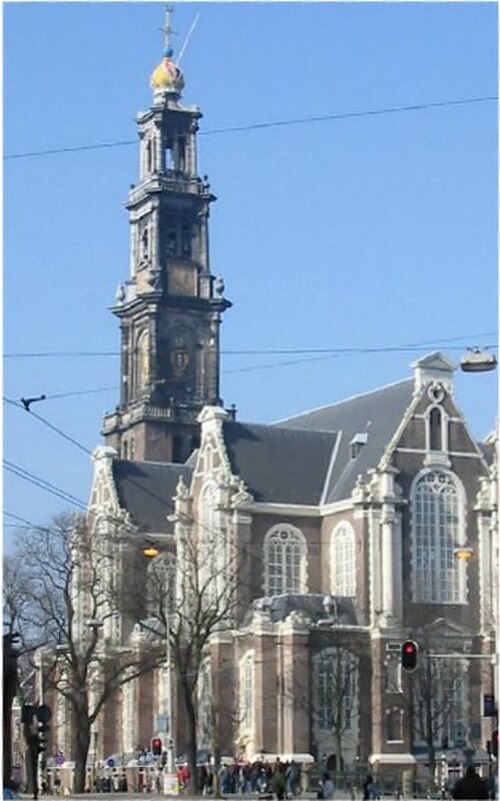
Westerkerk is a Protestant church in Amsterdam, located in the Grachtengordel district beside the Prinsengracht canal. It was built in the Dutch Renaissance style and remains one of the city's most prominent religious structures.
STRAAT
STRAAT is a museum in Amsterdam Noord dedicated to street art and graffiti. Housed in a former NDSM shipyard warehouse, it occupies a substantial industrial space on the north bank of the IJ river.
A'dam Lookout
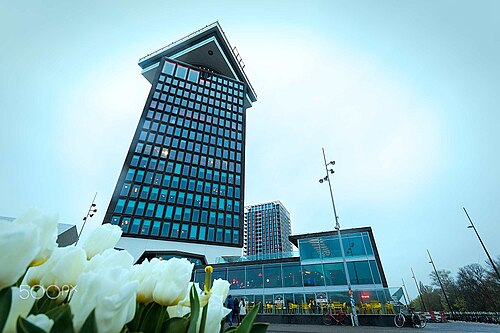
A'DAM Lookout is a publicly accessible observation deck located atop the A'DAM Tower in Amsterdam Noord, across the IJ river from Amsterdam Centraal station. The tower stands on the former Shell research campus at Overhoeks, a site with industrial heritage.
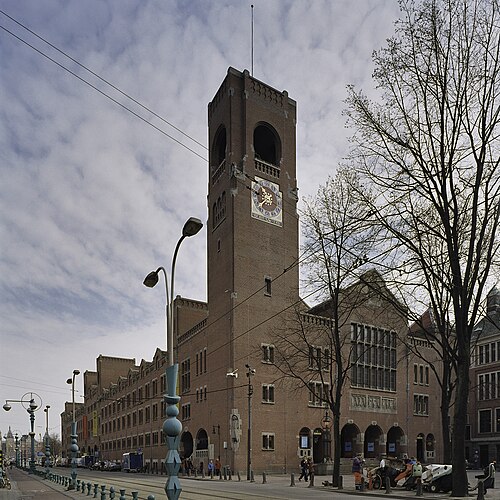
Beurs van Berlage is a former exchange building on Damrak beside Beursplein in central Amsterdam. Hendrik Petrus Berlage designed it, and construction was completed in 1903.
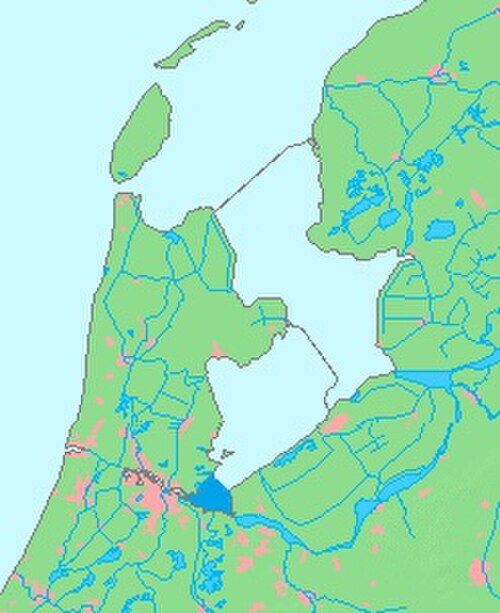
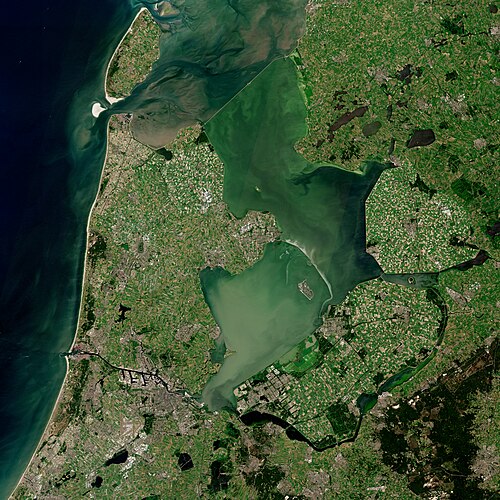
IJmeer is the freshwater lake on Amsterdam’s eastern edge, where the city’s built shoreline opens into a broad, low horizon.
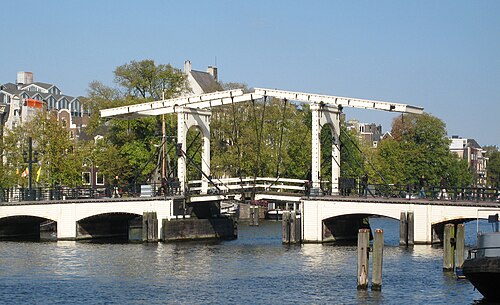
Magere Brug is a working pedestrian and cyclist bridge across the Amstel in central Amsterdam, linking Kerkstraat on the west bank with Nieuwe Kerkstraat on the east.
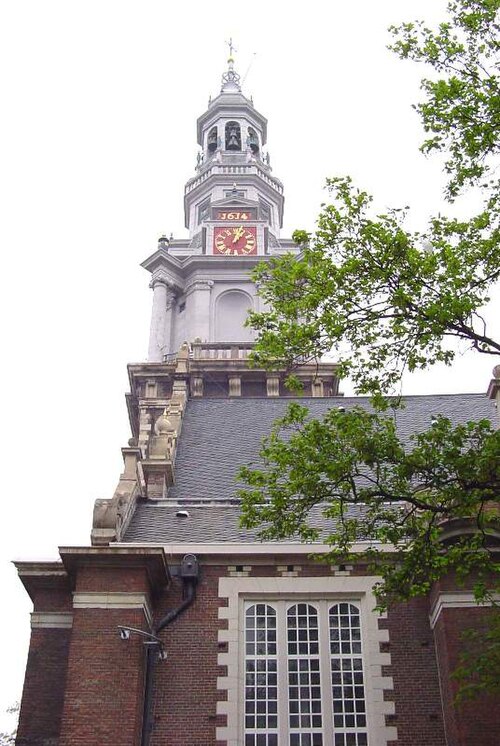
The Zuiderkerk is a former Protestant church in Amsterdam, located in the Nieuwmarkt area near the historic city centre.
Markermeer is a broad freshwater lake in the Netherlands, separated from the IJsselmeer by the Houtribdijk in 1976.
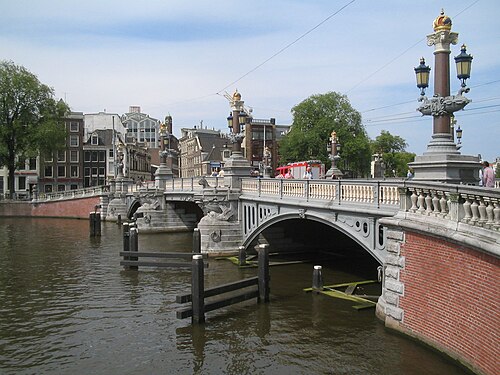
Blauwbrug is a historic road bridge over the Amstel in central Amsterdam, linking the Rembrandtplein side of the river with the Waterlooplein side.
Six to nine days can use Amsterdam as one base while adding Utrecht, Haarlem, Rotterdam, or The Hague by train. Flower areas are seasonal and need confirmed opening dates, so they should not replace a permanent city day without checking the calendar.
The Netherlands is in the Schengen Area, and passport or visa requirements depend on nationality. Verify the applicable rule through the Dutch government's official entry service before travel.
Schiphol has a railway station beneath the airport, and the national network reaches roughly 400 stations. OVpay supports contactless check-in and check-out, but the same card or device must be used at both ends of a journey.
April to May suits spring flowers when opening dates align, while September is a broader city-trip option. Weather can change quickly, so protect outdoor cycling or garden plans with an indoor alternative.
The Netherlands uses the euro (EUR). Contactless payment is widespread, but keep a compatible backup because a card used to check into transport must also be available to check out.
Dial 112 for emergencies in the Netherlands. Type C and F sockets provide 230 V, and mains tap water is recorded as safe.