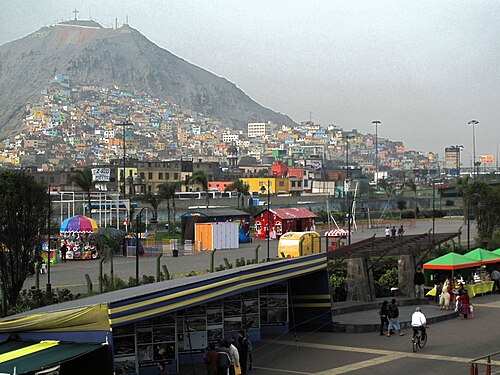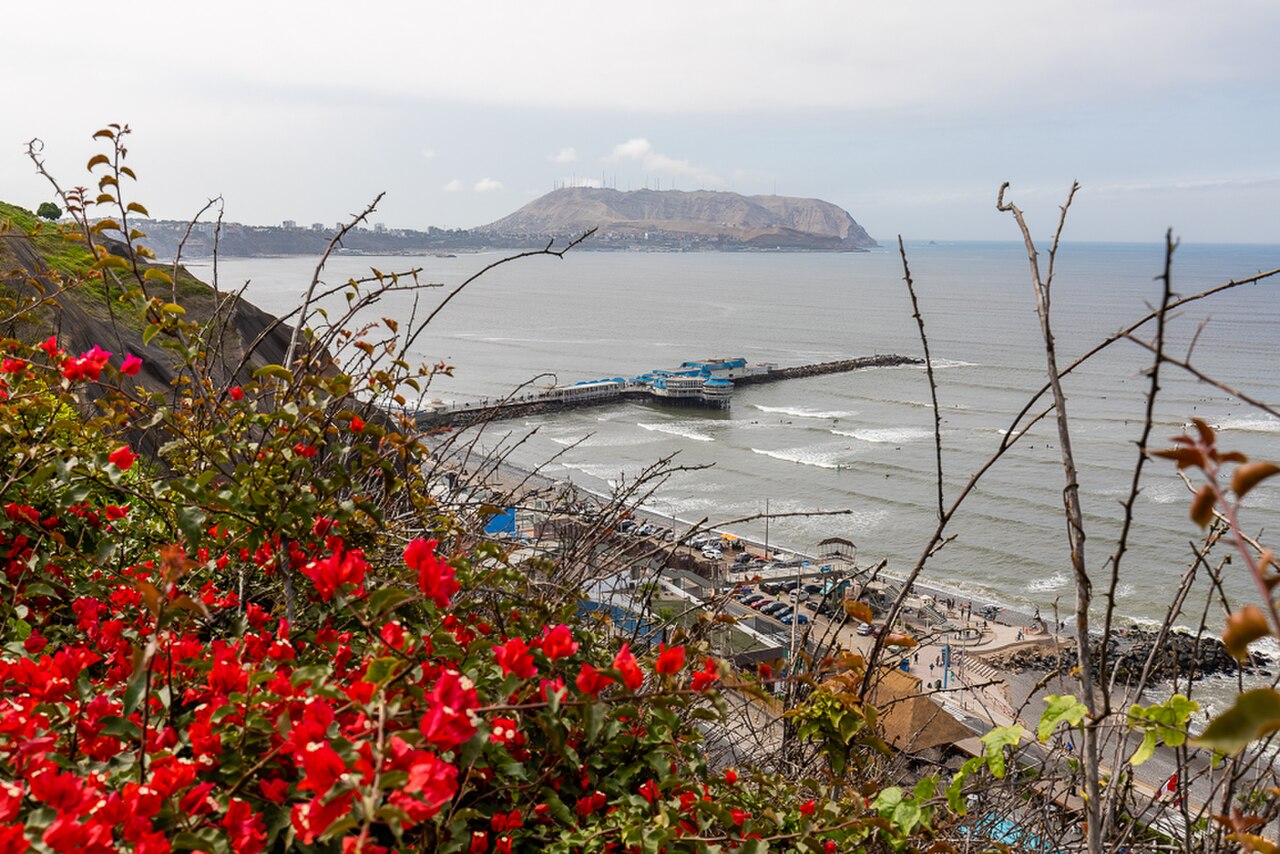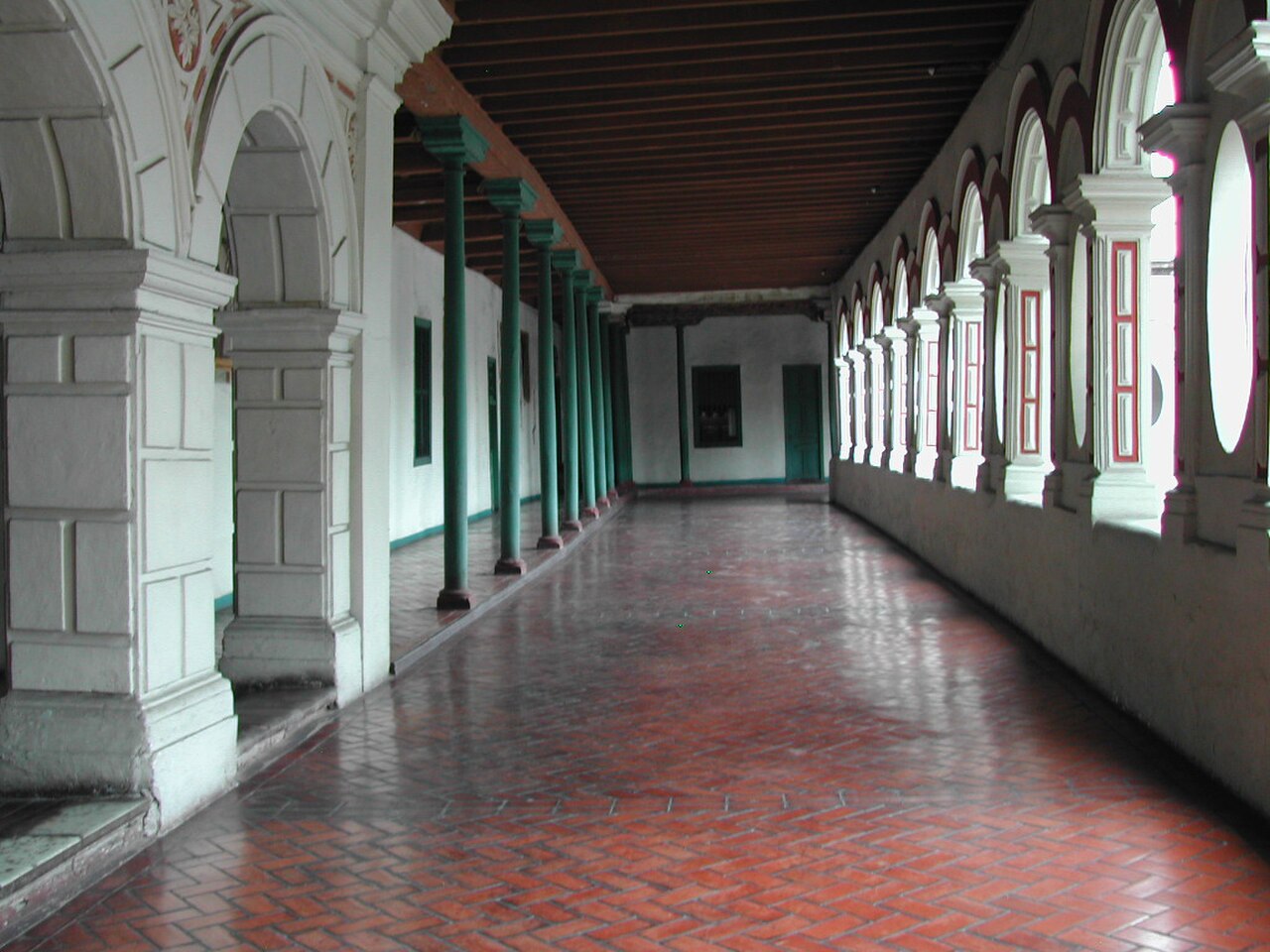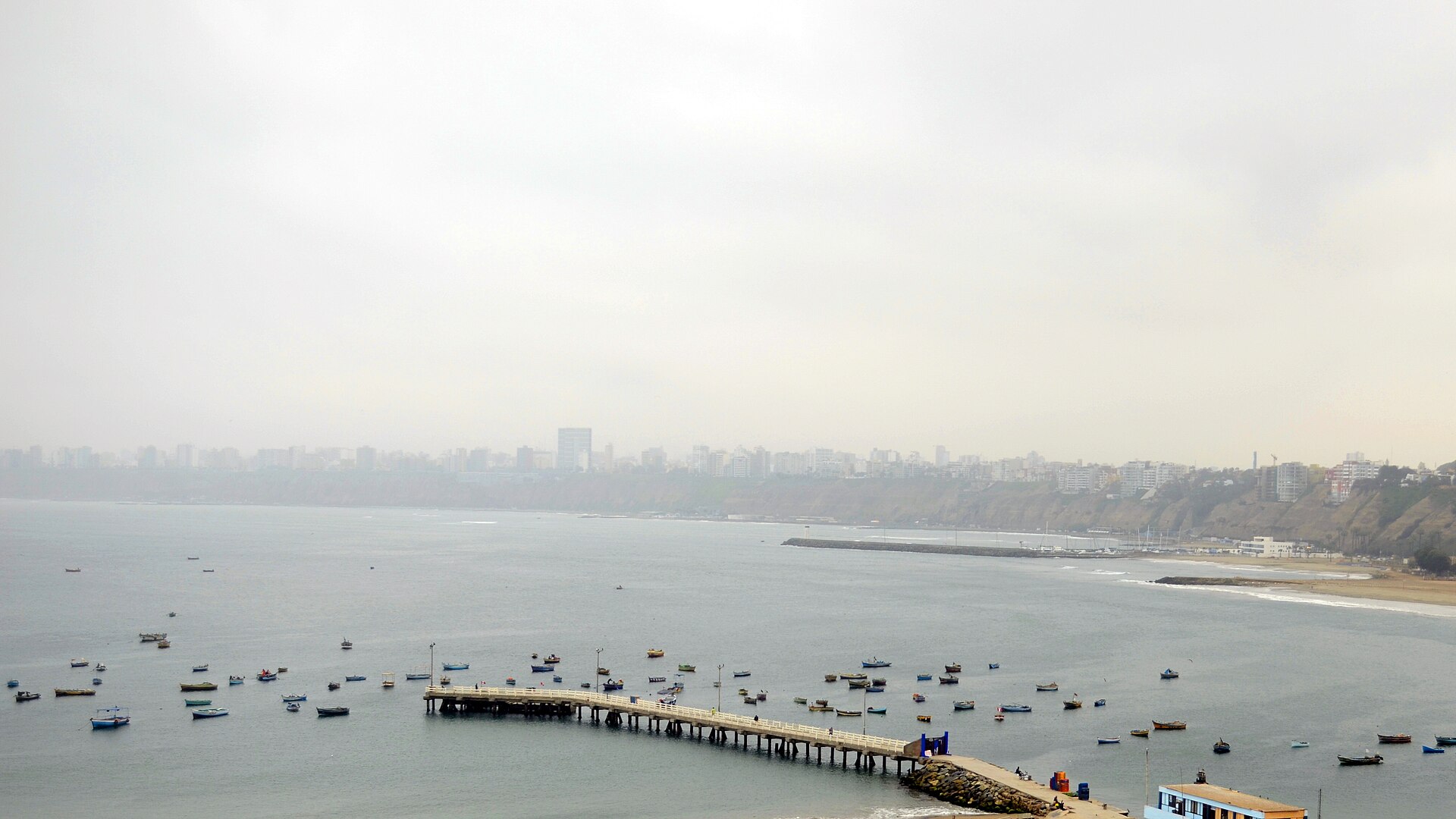
A photograph of Lima

City guide · Peru

Places to visit in Lima, Peru — page 3

Lima spreads along the Pacific coast and is best understood as several distant visitor clusters. The historic centre lies inland around Plaza Mayor; Miraflores...

Photograph · Corminos · CC BY-SA 3.0

14,581 Places
Suggested stay
Not recorded
Getting around
Metropolitano, Metro, bus and authorised taxi

Turn this list into a plan

Set your days, your pace and the hours you actually want to be out. The planner works around closing days and travel time, and leaves room to eat.

Plan Lima

Reviewed by Elena Voss · Roavina Travel Editor

Lima spreads along the Pacific coast and is best understood as several distant visitor clusters. The historic centre lies inland around Plaza Mayor; Miraflores and Barranco form the principal coastal corridor; San Isidro sits between the centre and the coast; and archaeological sites appear across the metropolitan area. Keep the historic centre, coastal districts and outlying ruins in separate blocks because traffic can make cross-city travel slow.

Checked 2026-08-26

Practical information

Language spoken
Spanish; Quechua, Aymara and other Indigenous languages have official status where predominant
National practical orientation; regional and minority languages may also be used
Dialling code
+51
International calling code; local area and mobile prefixes still apply
Currency
Peruvian sol (PEN)
Use the official local currency; card acceptance varies by place
Emergency number
105 police · 116 fire
Use only for an emergency; tourist assistance may use a separate number
Plug type
Type A and C · 220 V
Check that chargers support the recorded voltage before using an adapter
Tap water
Not recorded
No verified nationwide visitor drinking-water statement was recorded

Planning a visit

September · September in Lima has mean high 18.7°C, mean low 14.6°C, and rainfall 5.4 mm. Cool daytime temperatures remain the month's main outdoor-planning constraint. Build in indoor stops for September in Lima rather than relying on an all-day outdoor route.

  1. January: best time to visit
  2. February: best time to visit
  3. March: best time to visit
  4. April: good time to visit
  5. May: good time to visit
  6. June: viable with meaningful trade-offs
  7. July: viable with meaningful trade-offs
  8. August: viable with meaningful trade-offs
  9. September: viable with meaningful trade-offs — current month
  10. October: good time to visit
  11. November: good time to visit
  12. December: best time to visit

Sources

Top things to see

Ranked by importance — sitelinks, pageviews and heritage status, not editor preference.

  1. Museum of Italian Art Museum of Italian Art
    32 1 hr 30 min

    Museum of Italian Art

    Museo de Arte Italiano

    The Museum of Italian Art, known locally as Museo de Arte Italiano, is a compact state museum in Lima, Peru. It holds the distinction of being unique in the country for its focused collection of twentieth-century Italian art.

    • Must see
    • Museum
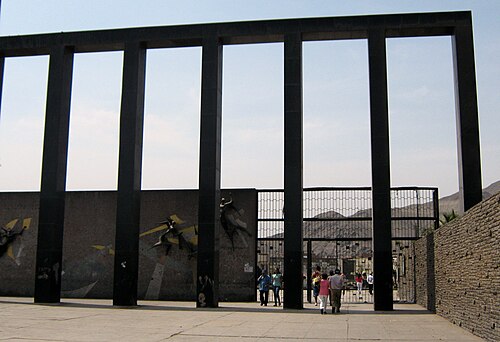
  2. Museo Nacional de la Cultura Peruana Museo Nacional de la Cultura Peruana
    33 1 hr 30 min

    Museo Nacional de la Cultura Peruana

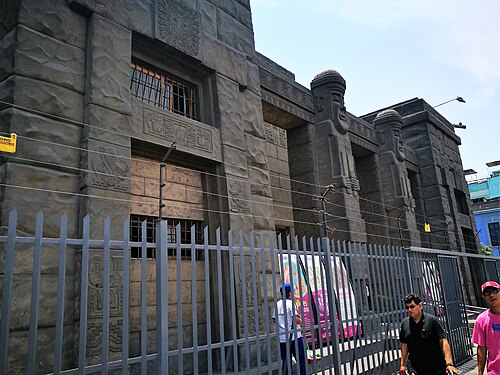
    The National Museum of Peruvian Culture is a Lima institution dedicated to Peru's popular arts and traditional culture. Established under government cultural auspices, it occupies a purpose-built site in the capital.

    • Must see
    • Museum
  3. Gold Museum of Peru and Weapons of the World Gold Museum of Peru and Weapons of the World
    34 1 hr 30 min

    Gold Museum of Peru and Weapons of the World

    Museo Oro del Perú

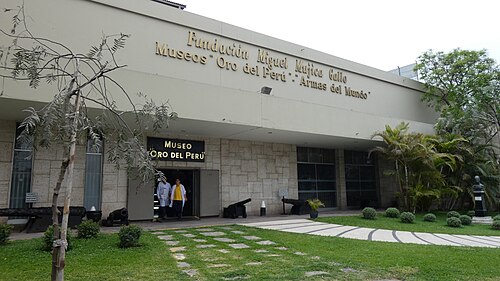
    The Gold Museum of Peru and Arms of the World is a private museum in Lima housing collections assembled by Miguel Mujica Gallo. It displays pre-Columbian gold and silver artifacts alongside a substantial arms collection from various periods and regions.

    • Must see
    • Museum
  4. Museo de Minerales Andrés del Castillo Museo de Minerales Andrés del Castillo
    35 1 hr 30 min

    Museo de Minerales Andrés del Castillo

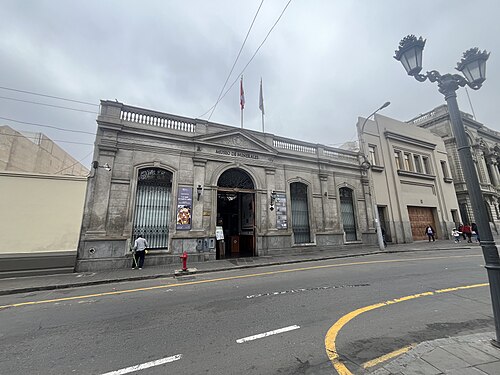
    The Andrés del Castillo Mineral Museum, known locally as Museo de Minerales Andrés del Castillo, occupies the restored Casa Belén in Lima's historic centre. This cultural institution showcases Peru's remarkable mineral wealth within a significant architectural setting.

    • Must see
    • Museum
  5. Museo de la Electricidad Museo de la Electricidad
    36 1 hr 30 min

    Museo de la Electricidad

    Museo de La Electricidad

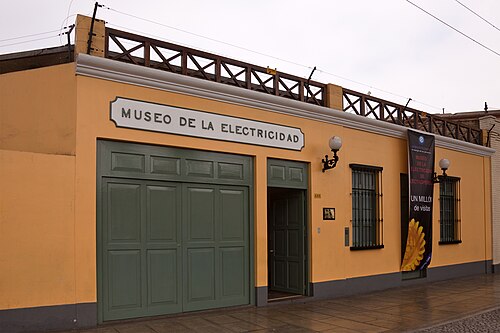
    The Museo de la Electricidad is a small science and technology museum located in Barranco, Lima. It documents the history of electrification in Peru and the development of historic urban transport systems.

    • Must see
    • Museum
  6. Bodega y Quadra Site Museum Bodega y Quadra Site Museum
    37 1 hr 30 min

    Bodega y Quadra Site Museum

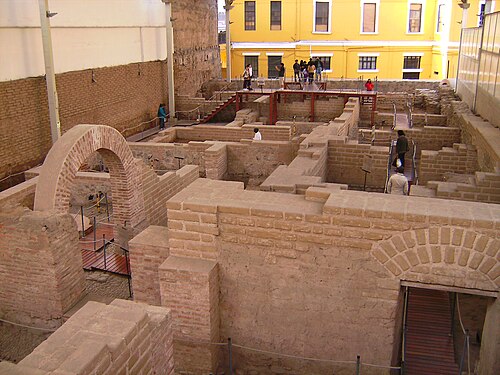
    Museo de Sitio Bodega y Quadra

    The Bodega y Quadra Site Museum is a house museum in Lima's historic centre built over excavated colonial remains. It preserves and displays archaeological evidence of early Lima's everyday material culture beneath a historic residential structure.

    • Must see
    • Museum
  7. Aliaga House Aliaga House
    38 2 hours

    Aliaga House

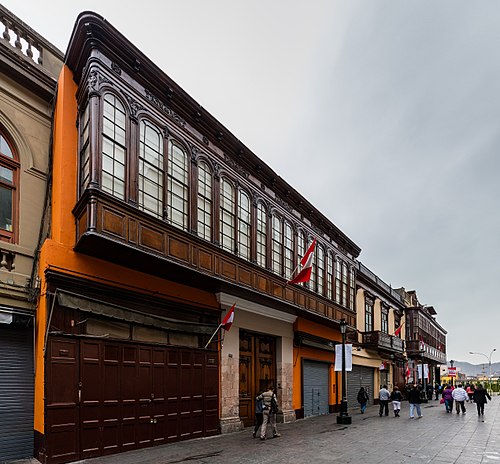
    Casa de Aliaga

    Casa de Aliaga stands as one of Lima's oldest continuously inhabited colonial houses, located near the historic Plaza Mayor in Peru's capital.

    • Must see
    • Activity
  8. Archbishop's Palace of Lima Archbishop's Palace of Lima
    39 1 hr 30 min

    Archbishop's Palace of Lima

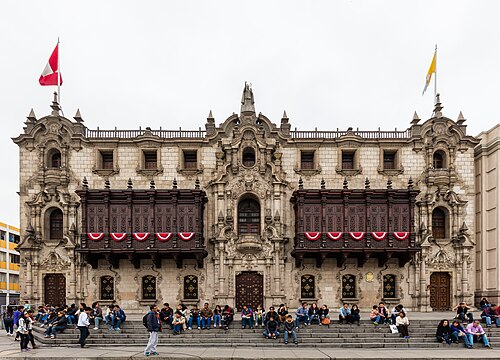
    Museo del Palacio Arzobispal de Lima

    The Archbishop's Palace of Lima stands on the eastern side of Plaza Mayor, the historic heart of Peru's capital. Its ornate façade and carved balconies form one of Plaza Mayor's defining architectural edges.

    • Must see
    • Museum
  9. Municipal Palace of Lima Municipal Palace of Lima
    40 45 min

    Municipal Palace of Lima

    Palacio Municipal de Lima

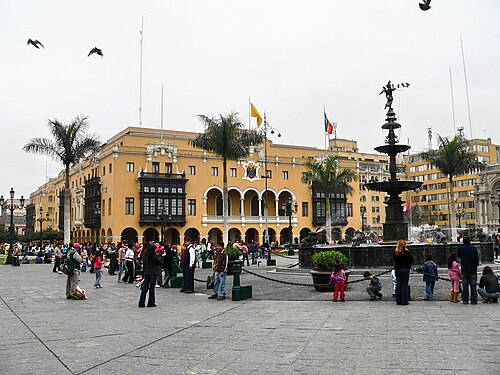
    The Municipal Palace of Lima, known locally as Palacio Municipal de Lima, serves as the city hall of Peru's capital. It stands on the historic Plaza Mayor, the foundational heart of Lima's colonial grid.

    • Must see
    • Historic monument
  10. Jirón de la Unión Jirón de la Unión
    41 2 hours

    Jirón de la Unión

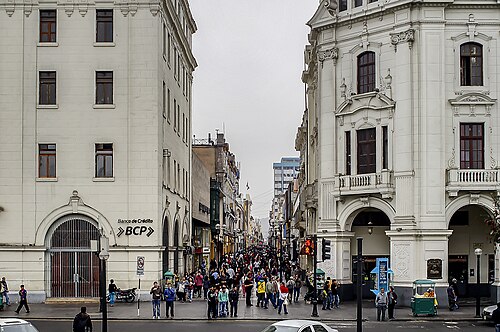
    Jirón de la Unión is a historic pedestrian corridor through central Lima. Peru’s official tourism inventory classifies it as architecture and urban space, specifically a pedestrian promenade, and places its route between Jirón Trujillo and Paseo de los Héroes Navales.

    • Must see
    • Activity
  11. Central Market of Lima Central Market of Lima
    42 45 min

    Central Market of Lima

    Mercado Central de Lima

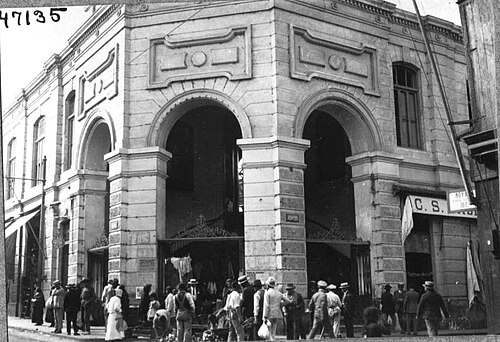
    The Central Market of Lima, known locally as Mercado Central de Lima, stands in the historic centre of Peru's capital. It functions as a major municipal food market serving everyday commerce.

    • Must see
    • Market
  12. Sanctuary of Las Nazarenas Sanctuary of Las Nazarenas
    43 30 min

    Sanctuary of Las Nazarenas

    Iglesia de Las Nazarenas

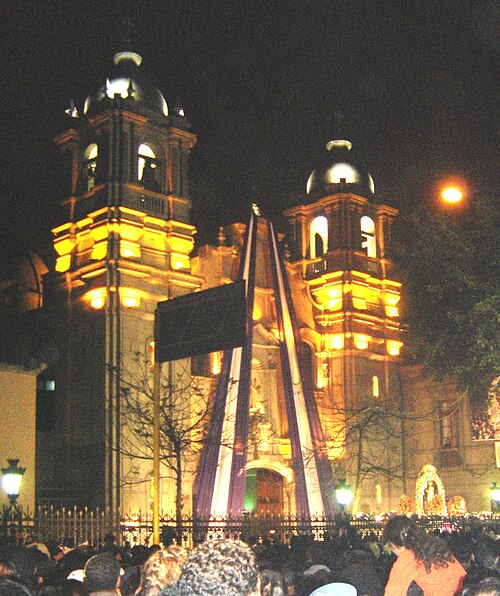
    The Sanctuary and Monastery of Las Nazarenas is a significant religious complex in Lima, Peru. It serves as the home of the Lord of Miracles image, a revered crucifix that has become central to the city's largest religious tradition.

    • Must see
    • Place of worship
  13. Convento de los Descalzos Convento de los Descalzos
    44 30 min

    Convento de los Descalzos

    The Convent of the Descalzos, or Convento de los Descalzos, is a Franciscan complex in Lima's Rímac district. Its colonial religious character, monastic spaces and preserved art make it a quieter alternative to the city's busiest historic attractions.

    • Must see
    • Place of worship
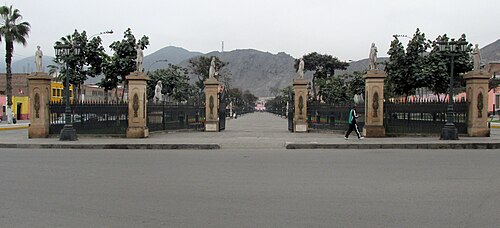
  14. Alameda de los Descalzos Alameda de los Descalzos
    45 1 hour

    Alameda de los Descalzos

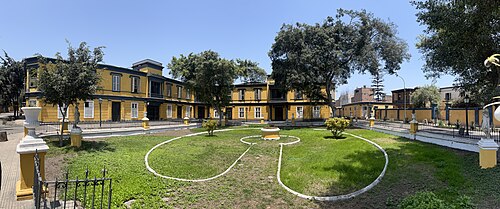
    Alameda de los Descalzos is a historic promenade in Lima's Rímac district. This tree-lined walkway dates to the colonial era and served as a ceremonial route connecting important religious and civic sites.

    • Must see
    • Nature site
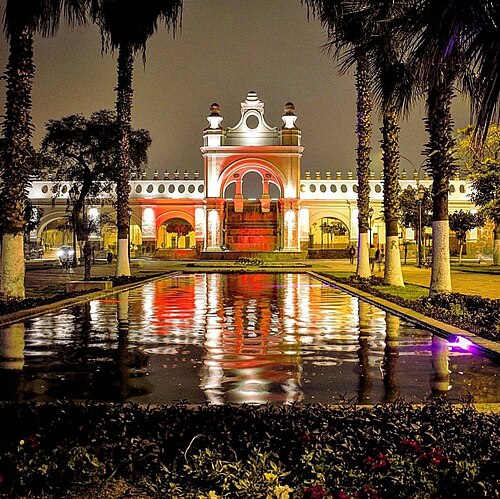
  15. Paseo de Aguas Paseo de Aguas
    46 2 hours

    Paseo de Aguas

    Paseo de Aguas is an eighteenth-century water promenade in Lima's Rímac district. The heritage site presents colonial landscape design through a public walkway centred on historic hydraulic features.

    • Must see
    • Activity
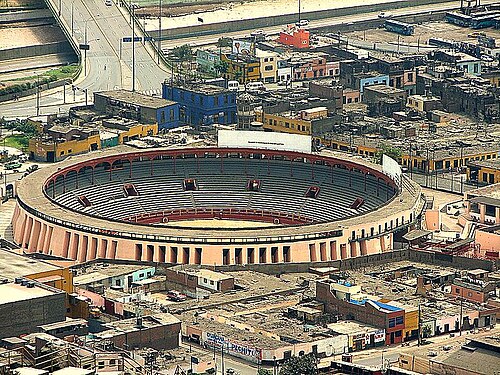
  16. Acho Bullring Acho Bullring
    47 2 hours

    Acho Bullring

    Plaza de Toros de Acho

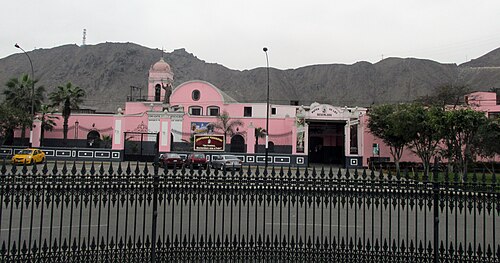
    The Plaza de Toros de Acho is the historic bullring of Lima, situated in the Rímac district. Constructed in 1766, it stands as one of the oldest surviving bullrings in the Americas.

    • Must see
    • Activity
  17. Museo Cementerio Presbítero Matías Maestro Museo Cementerio Presbítero Matías Maestro
    48 1 hr 30 min

    Museo Cementerio Presbítero Matías Maestro

    The Presbítero Matías Maestro Cemetery Museum is a monumental cemetery in Lima, Peru, operating as a museum institution. Established during the republican period, it serves as both an active burial ground and a cultural heritage site.

    • Must see
    • Museum
  18. Parque de la Muralla Parque de la Muralla
    49 1 hr 30 min

    Parque de la Muralla

    Museo de Sitio Parque de La Muralla

    The Park of the Wall is a riverside public space in central Lima that preserves visible remnants of the city's colonial-era defensive fortifications. The Spanish colonial administration constructed walls around Lima during the seventeenth century for protection.

    • Must see
    • Museum
  19. Stone Bridge of Lima Stone Bridge of Lima
    50 2 hours

    Stone Bridge of Lima

    Puente de Piedra

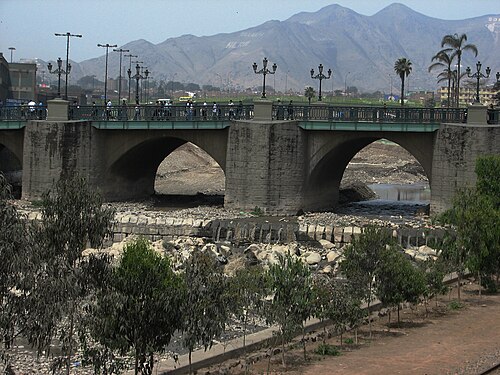
    The Puente de Piedra, or Stone Bridge of Lima, is a colonial-era bridge spanning the Rímac River in Peru's capital. It serves as a historic connection between Lima's historic centre and the Rímac district.

    • Must see
    • Activity
  20. Quinta de Presa Quinta de Presa
    51 45 min

    Quinta de Presa

    Quinta de Presa is an unusual Rococo country house located in the Rímac district of Lima, Peru. It stands as one of Rímac's most significant surviving viceregal residences, representing an important architectural heritage from the colonial period.

    • Must see
    • Historic monument
  21. Quinta Heeren Quinta Heeren
    52 45 min

    Quinta Heeren

    Quinta Heeren is a rare nineteenth-century residential compound located in Lima, Peru. It preserves original streets, gardens, and eclectic republican-era architecture within its boundaries.

    • Must see
    • Historic monument
  22. Panteón de los Próceres Panteón de los Próceres
    53 1 hr 30 min

    Panteón de los Próceres

    Museo Panteón Nacional de los Próceres

    The Panteón de los Próceres is a former Jesuit church in Lima that now functions as Peru's national memorial to heroes of Peruvian independence.

    • Must see
    • Museum
  23. Casa de la Literatura Peruana Casa de la Literatura Peruana
    54 1 hr 30 min

    Casa de la Literatura Peruana

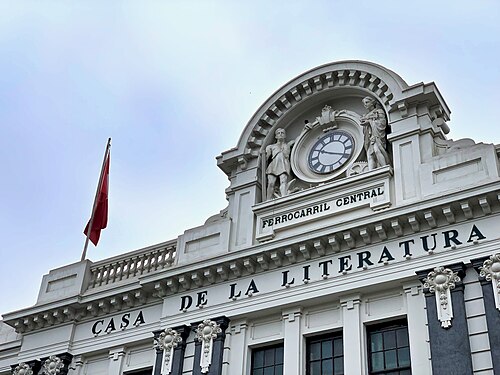
    The House of Peruvian Literature, known locally as Casa de la Literatura Peruana, occupies the restored Desamparados railway station in Lima. This cultural institution serves as Peru's principal public centre for literary exhibitions and reading.

    • Must see
    • Museum
  24. La Casona de San Marcos La Casona de San Marcos
    55 45 min

    La Casona de San Marcos

    Casona de San Marcos

    The Casona of San Marcos is the historic main building of the National University of San Marcos, located in central Lima, Peru. Its local name is Casona de San Marcos.

    • Must see
    • Historic monument
  25. National Library of Peru National Library of Peru
    56 2 hours

    National Library of Peru

    Biblioteca Nacional del Perú

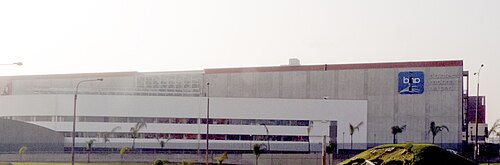
    The Biblioteca Nacional del Perú is Peru's national library and principal documentary institution. Headquartered in the San Borja district of Lima, it serves as the country's central repository for published works, manuscripts, and historical records.

    • Must see
    • Activity

Source: OpenStreetMap contributors, Wikidata ·

How the city is laid out

The historic centre groups Plaza Mayor, churches, convents and civic buildings. Miraflores combines clifftop parks, commercial streets and Huaca Pucllana, while Barranco continues south with galleries, historic houses and the Bridge of Sighs. San Isidro has another archaeological and business cluster. Callao and distant huacas require additional travel. The official Lima guide presents these areas as distinct routes rather than one continuous old town.

Checked 2026-08-26

Getting around

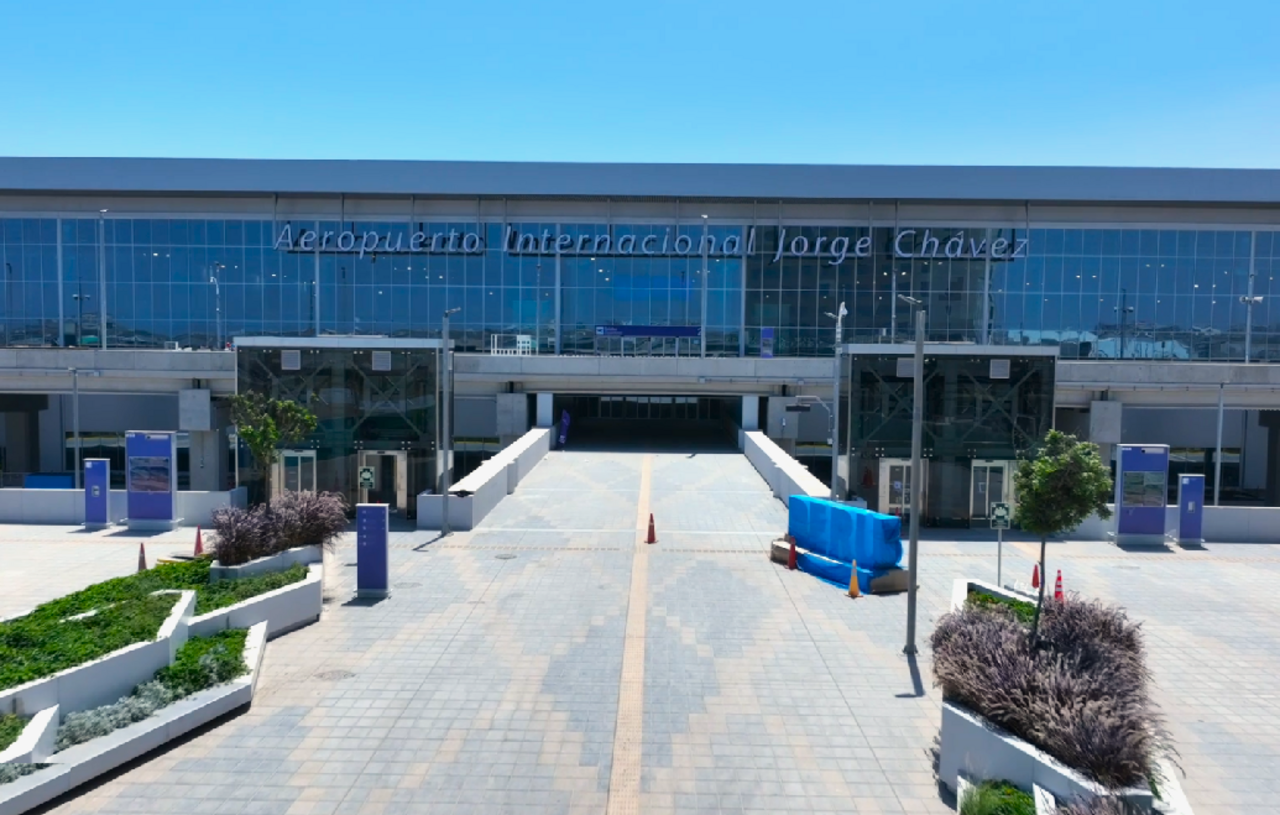
Metropolitan buses, the Metropolitano corridor, Metro services and taxis connect Lima's districts, but journey times vary with traffic. Walk within the historic centre, Miraflores or Barranco, then use planned transport between clusters. Airport and Callao journeys need additional time and a confirmed route. Use authorised services and verify current transport information locally; a place that looks nearby on a metropolitan map may still involve a long road journey.

Checked 2026-08-26

More city guides

Common questions

How is Lima organised for sightseeing?

the historic centre, Miraflores, Barranco and San Isidro are separate visitor clusters

How many days should I spend in Lima?

No fixed stay length is recorded; add blocks for central, coastal and outlying visits.

What is the easiest way to get around Lima?

Use public transport or an authorised taxi between the centre and coast, allowing for traffic.

Which places need a separate trip from central Lima?

Miraflores and Barranco form the most natural coastal pairing for one day.

What is the most practical way to plan a day in Lima?

No official best-month range is recorded; check current local conditions before travel.